Reviewed · GUIDED
Clapham South: Subterranean Shelter Guided Tour
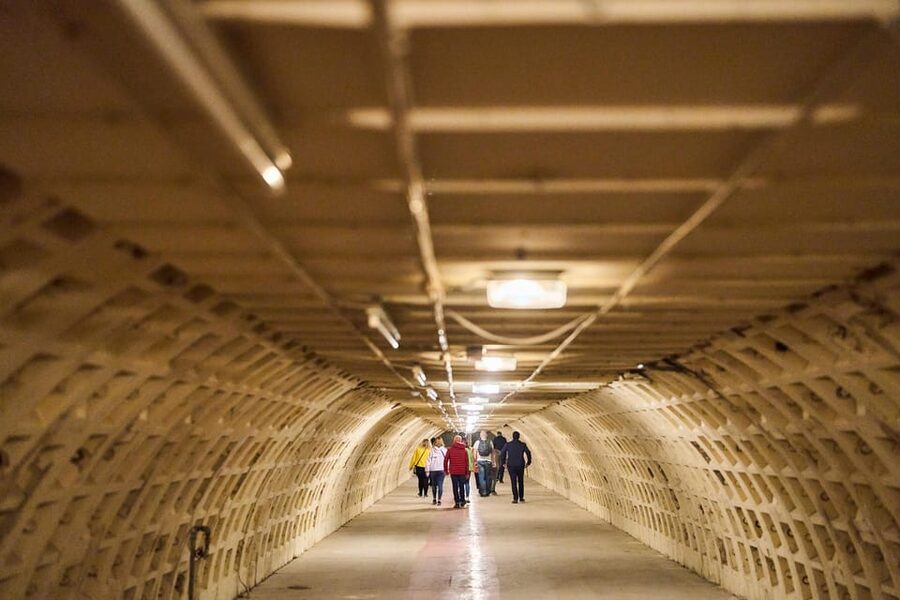
Clapham South’s old air raid shelter sits 30 metres below South London, hidden beneath a working Tube station. On this 75-minute tour, you walk through more than a mile of tunnels built to protect over 8,000 people during the Second World War, then hear how the place found a new role after the war.
I like the original bunk beds and shelter graffiti, which make this more than a history talk in a dark passage. I also like the human stories, from families sleeping through air raids to Caribbean arrivals who came to Britain on HMT Empire Windrush. The main drawback is clear: the tour is not step free, includes dim lighting and uneven ground, and will not suit anyone who dislikes tight underground spaces.
In This Review
- Key points about the Clapham South shelter
- Descending 11 storeys beneath Clapham South
- Recreating a family’s first night in the shelter
- Original bunks, low light and wartime equipment
- The recreated 1940s canteen and warden’s cabin
- From wartime refuge to Windrush accommodation
- Why the tunnel length matters
- Is the $51 price good value?
- Who should take this tour?
- A practical 75-minute London history stop
- Should you book Clapham South shelter?
- FAQ
- How long is the Clapham South shelter tour?
- Where is the meeting point?
- How early should I arrive?
- What language is the tour in?
- How far underground does the tour go?
- Can children join the tour?
- Is the tour suitable for people with mobility impairments?
- Is the tour suitable for people with claustrophobia?
- What should I bring, and what is not allowed?
Key points about the Clapham South shelter
- Eleven storeys underground: Descend below Clapham South station into a wartime shelter hidden from everyday London.
- A full underground town: See the passages, sleeping areas, canteen and medical stations built for more than 8,000 people.
- Period role play: One of the two guides takes the part of a 1940s ARP warden, helping you picture a family’s first night underground.
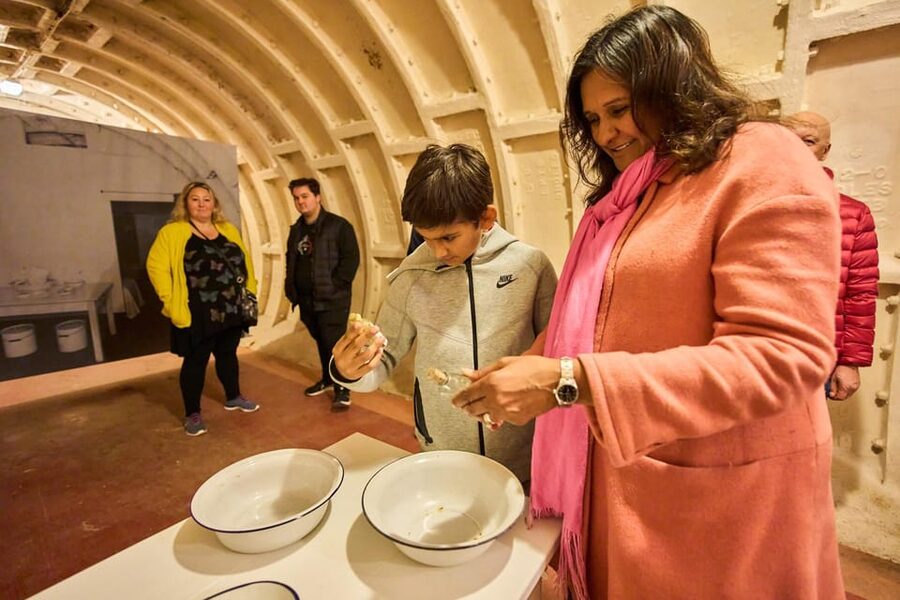
- Original objects and graffiti: Handle genuine wartime torches, inspect an Anderson shelter, and spot marks left by people who stayed below ground.
- A Windrush connection: Learn how the shelter was later used by some of the first Caribbean migrants to Britain.
- A practical tour choice: Comfortable closed shoes are essential, and you should arrive 15 minutes early at the meeting point.
Descending 11 storeys beneath Clapham South
Your meeting point is in front of the Marks & Spencer Food Hall at Balham HIII, SW12 9EA, about a two-minute walk from Clapham South station. Turn right when you leave the station, and use the What3words location ///really.orbit.beside if you need an extra check.
Arrive 15 minutes before the start. The tour begins with the descent into the former shelter, taking you 11 stories below street level. That setting does much of the work: you are not simply looking at photographs of wartime London, you are walking through the place where people sought safety while air raid sirens sounded above.
The Northern line still runs overhead. As trains pass, you can feel and hear the modern city moving above the old shelter. That contrast gives the first part of the tour its force. London life continues at street level, while below it sits a long, sealed-off world built for a crisis that shaped an entire generation.
The shelter was one of eight deep-level air raid shelters created beneath London. Construction began in the 1940s, and the site opened in 1944. It was designed to hold more than 8,000 people, with sleeping areas, a canteen and medical stations. The scale is hard to grasp from the outside, since the entrance gives little hint of what lies below.
You should expect stairs and static escalators rather than a lift. The route is not step free, and the lighting is low. If you have mobility limitations, this is not a suitable outing, and sturdy footwear matters more here than it does on most museum visits.
A few more London days worth a look
- Magical London: Harry Potter Guided Walking Tour
★ 4.7 · 22,044 reviews - London: Emirates Stadium Entry Ticket and Audio Guide
★ 4.7 · 5,513 reviews - Stonehenge, Windsor Castle and Bath Full Day Guided Tour
★ 4.5 · 5,346 reviews
Recreating a family’s first night in the shelter
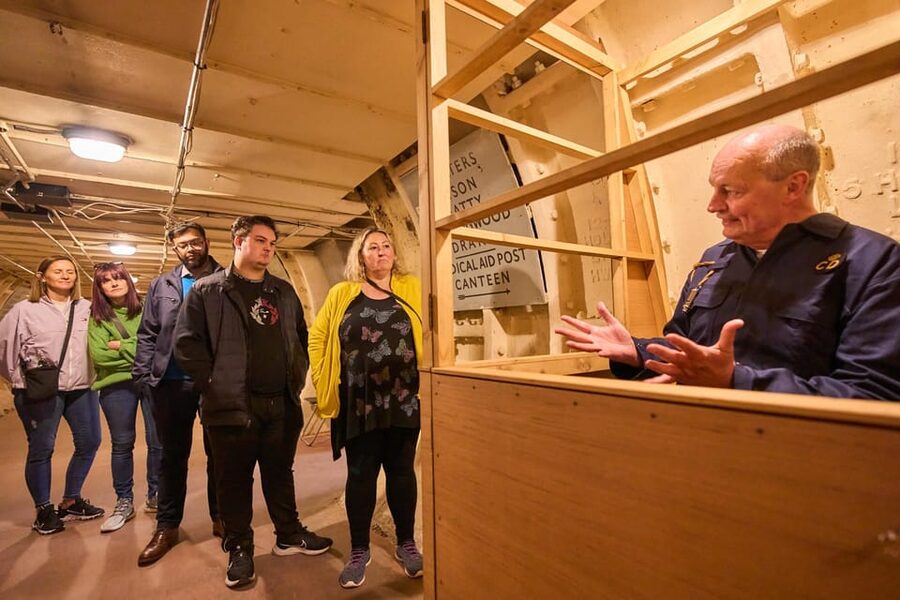
The tour uses two guides, including one playing a 1940s ARP warden. The role play follows a South London family spending its first night in the shelter, giving the place a personal frame rather than presenting only dates and construction facts.
That approach is useful because the shelter was not built as a monument. It was a working refuge, and its success depended on routines: people arriving during raids, finding somewhere to sit or sleep, following instructions, and sharing basic services underground. The warden character helps explain the practical side of that system.
The other guide adds historical context and answers questions in English. Past participants have especially praised the guides’ enthusiasm and their effort to make the setting feel real. You should not expect a theatrical show in a large performance space, but the period character gives the tour a stronger sense of place than a standard walk through empty tunnels.
This is also where the difference between a shelter and a home becomes clear. The bunks were functional and cramped. Thousands could spend the night there, but comfort was not the point. The shelter offered protection from falling bombs, not privacy or peace.
Original bunks, low light and wartime equipment
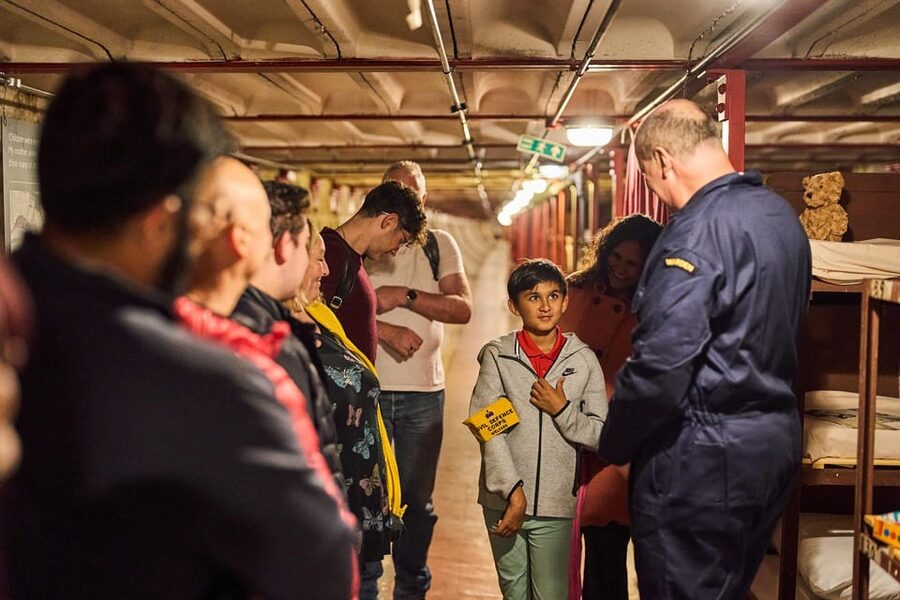
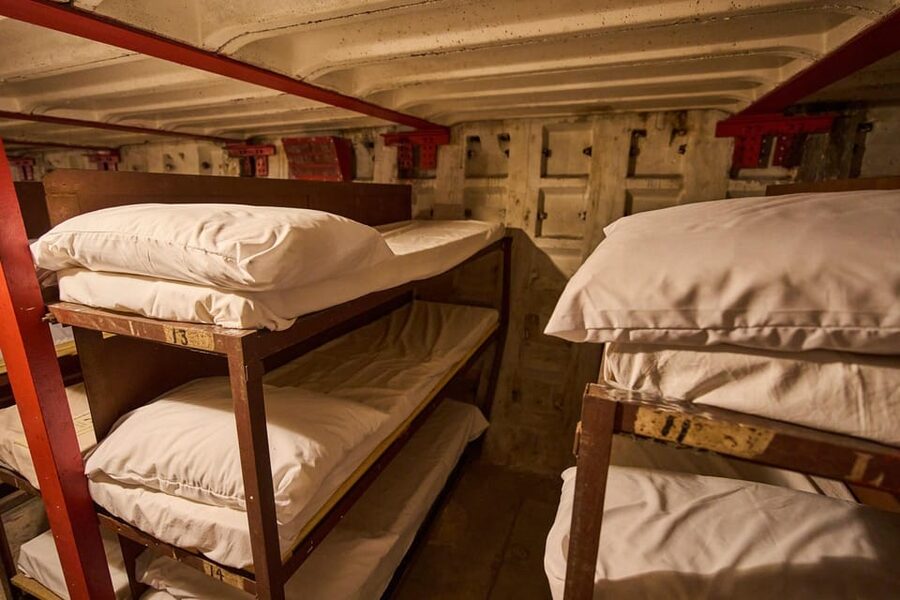
One of the most effective parts of the tour is the chance to see the original sleeping arrangements. Some bunk beds have been turned into benches, allowing you to sit where families would have spent their evenings during air raids.
The bunks tell you more than a measurement or a capacity figure. A shelter for 8,000 people sounds impressive, but a row of narrow beds shows the tradeoff in simple terms. Space had to be used carefully, and a night underground meant adjusting to noise, crowds and a fixed routine.
You can also handle genuine Second World War torches. That small detail helps you picture the conditions below ground, where ordinary lighting and familiar household comforts were limited. An Anderson shelter is also displayed, giving you a chance to see the type of smaller domestic shelter associated with wartime Britain.
The tour includes historical graffiti left by people who stayed in the shelter. These marks are easy to pass by if you are moving quickly, so listen carefully when the guide points them out. They offer a direct link to the individuals who occupied the space, especially when official wartime records can feel formal and distant.
The route includes uneven ground and low lighting, so watch your footing. Wear closed shoes with a firm sole. Open-toed shoes are not allowed, and food and drinks must stay outside the tour area.
The recreated 1940s canteen and warden’s cabin
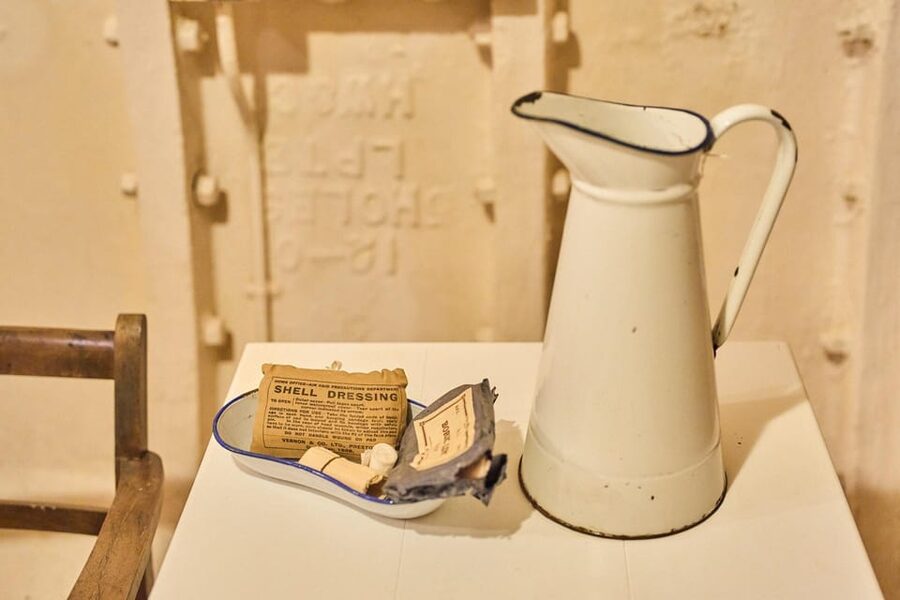
Newly refurbished sections include the warden’s cabin and the canteen. Historical experts reconstructed these spaces in their 1940s form using material from the London Transport Museum’s archive and collection.
The canteen helps you understand the shelter as a managed community rather than a simple network of corridors. People needed food, information and basic order while they waited out raids. The warden’s cabin shows the staff side of the operation, including the people responsible for keeping the shelter running.
These rooms are valuable because they break up the long tunnel sections. A mile of passageways could otherwise start to feel repetitive, especially in dim light. The restored areas provide visual focus and show how the shelter’s daily services fitted into the wider plan.
Do not expect a fully furnished wartime building at every turn. Much of the experience remains a walk through underground passages and sleeping areas. That is part of its appeal, but it also means the tour works best for you if you enjoy atmosphere, physical sites and guided interpretation rather than a large collection of display cases.
Something completely different for your London days:
- London: The London Eye Entry Ticket
★ 4.6 · 35,875 reviews - From London: Harry Potter Warner Bros Studio Tour
★ 4.7 · 26,588 reviews - London: Westminster to Greenwich River Thames Cruise
★ 4.5 · 22,836 reviews - London: Madame Tussauds London
★ 4.6 · 20,915 reviews
From wartime refuge to Windrush accommodation
The shelter’s story does not end in 1945. One of its most important later chapters concerns the first Caribbean migrants to Britain, including people who arrived on HMT Empire Windrush.
You hear personal accounts from those who worked and sheltered at the site in the post-war years. You also learn about people who stayed there after arriving in Britain, with the original beds offering a stark sense of what their first nights in London could have been like.
This part gives the tour a wider reach. The shelter was built for wartime danger, but its underground rooms later became part of Britain’s post-war housing story. The connection to the Windrush generation links local South London history with one of the major social changes in modern Britain.
You also hear about visitors connected with the Festival of Britain. Together, these stories show how the site changed purpose over time. It moved from emergency shelter to a place tied to arrival, temporary accommodation and a changing national identity.
I value this post-war section because it prevents the visit from becoming only a Second World War experience. You get two distinct chapters: the shelter as a response to bombing, and the shelter as part of London’s adjustment to a new post-war population.
Why the tunnel length matters
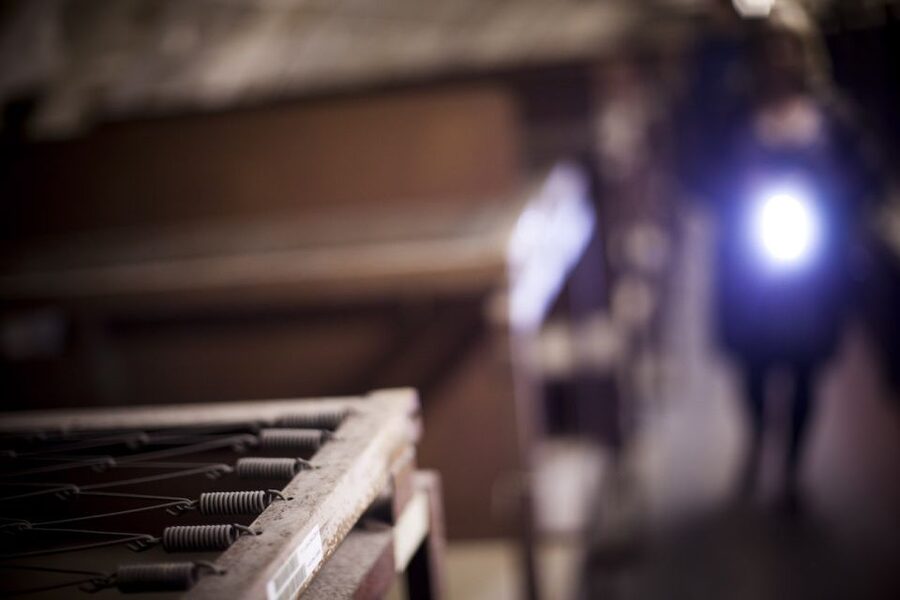
The site contains more than a mile of tunnels, but the tour lasts 75 minutes. That means the guide has to select key areas rather than lead you through every possible passage.
The length matters because it reveals the scale of the original plan. A normal Tube station platform is familiar to anyone who has used London’s transport system. This shelter is something else entirely, a large underground network hidden below the station and streets.
You will hear how the shelter was secretly built in the 1940s. The secrecy adds interest, but the practical details matter more: the site had to be created without drawing attention, while still being large enough to support thousands of people.
You also hear the Northern line above you. That sound is a useful reminder that London has layers. The station, the road and the modern shops belong to one period of the city, while the shelter below belongs to another. The tour lets you move between those layers in a single short visit.
Is the $51 price good value?
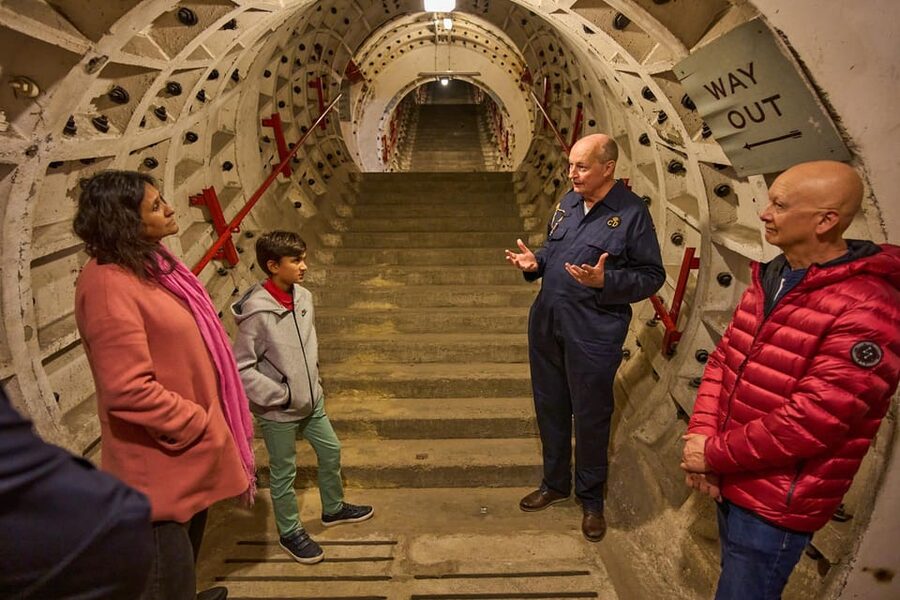
At about $51 per person, this is not a cheap London attraction. The price makes more sense if you compare it with the access and interpretation included. You are entering a normally closed site, taking a guided route through a large underground shelter, seeing original features and hearing stories that connect wartime London with the Windrush generation.
The tour is also more focused than a general museum visit. You are paying for a specific 75-minute experience, not a full day of exhibits. If you want a quick, unusual historical outing near Clapham South, the cost can feel fair.
Value depends on your interests. I would spend the money if you care about London transport, wartime history, social history or unusual places that are not part of the standard sightseeing circuit. If you dislike guided tours, have no interest in the Second World War, or want a long self-guided visit, the price may feel high for the length.
The excellent feedback focuses on organization, passion and the guides’ ability to set the scene. That matters here because the shelter contains long stretches of functional space. Strong guiding turns those tunnels into a story rather than a walk through bare concrete.
Free cancellation is available up to 24 hours before the tour, and you can reserve now and pay later. Those terms help if your London schedule is still taking shape, though you should still check the available starting times before booking.
Who should take this tour?
I would recommend it to adults and children aged 10 or older who enjoy real places with a strong social story. It suits you particularly well if you have already seen London’s major museums and want something less familiar.
It is also a good fit for anyone interested in the London Underground. The connection between the working Tube station above and the wartime shelter below gives the visit a transport angle without turning it into a standard station tour.
Families can enjoy the role play and hands-on objects, but parents should think carefully about the physical setting. The route includes stairs, static escalators, low lighting and uneven ground. Children under 10 cannot join, and anyone with claustrophobia should choose another activity.
The experience is conducted in English. Since much of the value comes from spoken accounts and guide-led explanation, you will get the most from it if you can follow an English-language tour comfortably.
Bring weather-appropriate clothing even though the main route is underground. Wear sturdy, closed shoes. There is no cloakroom, so leave luggage and large bags elsewhere, and do not arrive expecting to store coats or backpacks on site.
A practical 75-minute London history stop
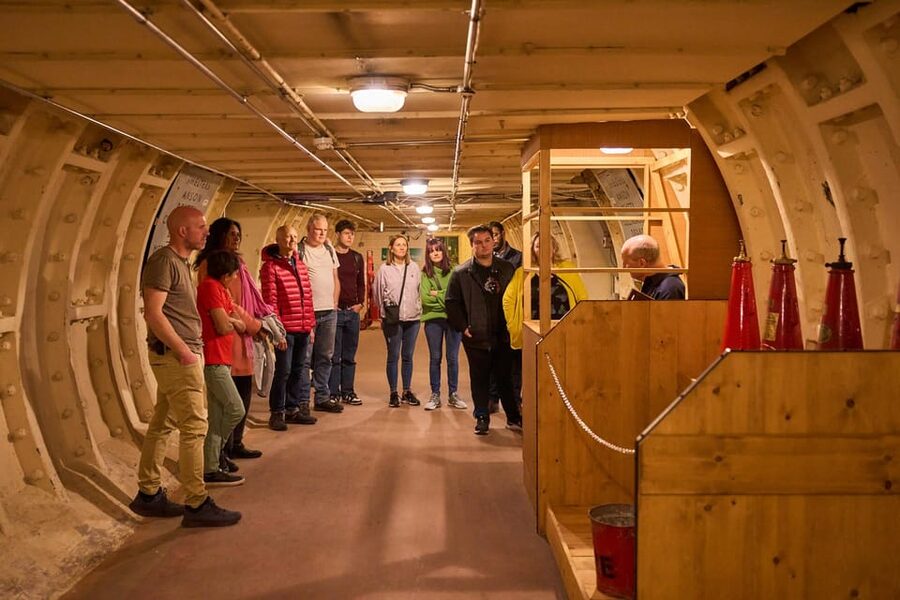
The meeting point near Clapham South makes this easy to fit into a South London day. Travel to and from the station is not included, so plan your own route and allow time to reach the Marks & Spencer Food Hall before the tour begins.
The two-minute walk from Clapham South is short, but arriving early still matters. You need to meet the staff, prepare for the descent and avoid holding up the group. The site is not a place where you can casually wander in after the start.
The 75-minute length is a good compromise. It gives the guides time to cover construction, wartime shelter life, recreated rooms, original objects and the Windrush connection without taking up half a day. At the same time, the underground setting can feel intense, so a shorter format may be welcome.
Keep your expectations practical. This is not a polished entertainment attraction with a broad range of amenities. There is no cloakroom, food and drink are not allowed, and the route has physical limits. What you get instead is a direct look at a place that normally remains shut.
Should you book Clapham South shelter?
Book this tour if you want a thoughtful London experience built around a real wartime site, original bunks, period objects and personal stories. The ARP warden role play, recreated canteen and warden’s cabin add shape to the visit, while the Windrush section gives it importance beyond military history.
Skip it if stairs, dim spaces or low ceilings will make you uncomfortable. It is also not the right choice if you need step-free access or a cloakroom for large bags.
For the right visitor, the $51 price buys something you cannot get from a normal museum display: time inside a sealed underground shelter, with guides who connect its physical remains to the people who used it. I would book it as a specialist London outing, especially if you have already covered the city’s better-known sights.
FAQ
How long is the Clapham South shelter tour?
The guided tour lasts 75 minutes.
Where is the meeting point?
Meet in front of the Marks & Spencer Food Hall on Balham HIII, SW12 9EA. It is about a two-minute walk from Clapham South station, turning right after you exit.
How early should I arrive?
Arrive 15 minutes before your scheduled tour time.
What language is the tour in?
The tour is conducted in English with a live guide.
How far underground does the tour go?
The route descends 11 stories, or about 30 metres, below Clapham South station.
Can children join the tour?
Children under 10 are not permitted to take the tour.
Is the tour suitable for people with mobility impairments?
No. The tour is not step free and includes walking up and down static escalators, uneven ground and low lighting.
Is the tour suitable for people with claustrophobia?
No. The tour takes place in underground tunnels and is not suitable for people with claustrophobia.
What should I bring, and what is not allowed?
Bring comfortable sturdy shoes, weather-appropriate clothing and a passport or ID card. Open-toed shoes, food, drinks, luggage and large bags are not allowed, and there is no cloakroom.
Latest arrivals on the London list
- Easy Access Tower of London Royal Secrets & Scandals Tour★ 5.0 · 3 reviews
- Stonehenge Special Access Guided Morning Tour from London★ 4.5 · 3 reviews
- Shoreditch & East London Walking Tour with a Local, Custom & Private★ 5.0 · 3 reviews
- Madame Tussauds London Fast Track and Champagne Experience★ 3.5 · 3 reviews
- London Private Brixton Tour with a Local – Culture & Stories★ 4.9 · 3 reviews
- Private Full Day Tour – Fast Track Tower of London and Lunch★ 4.6 · 3 reviews
- Private transfer from London Heathrow Airport to Southampton★ 5.0 · 3 reviews
- London Soho District – Guided Walking Tour 12 guests 2,5h★ 4.8 · 3 reviews
Guided, compared.
Magical London: Harry Potter Guided Walking Tour
Read our review →
Emirates Stadium Entry Ticket and Audio Guide
Read our review →
Stonehenge, Windsor Castle and Bath Full Day Guided Tour
Read our review →
London Jack the Ripper Guided Tour with Ripper-Vision
Read our review →
Original Harry Potter Locations Tour – Guided Tour of London
Read our review →

Christmas Lights Nighttime Bus Tour with Live Guide
Read our review →