Reviewed · TOURS
Hidden Tube Tour – Piccadilly Circus: The Heart of London
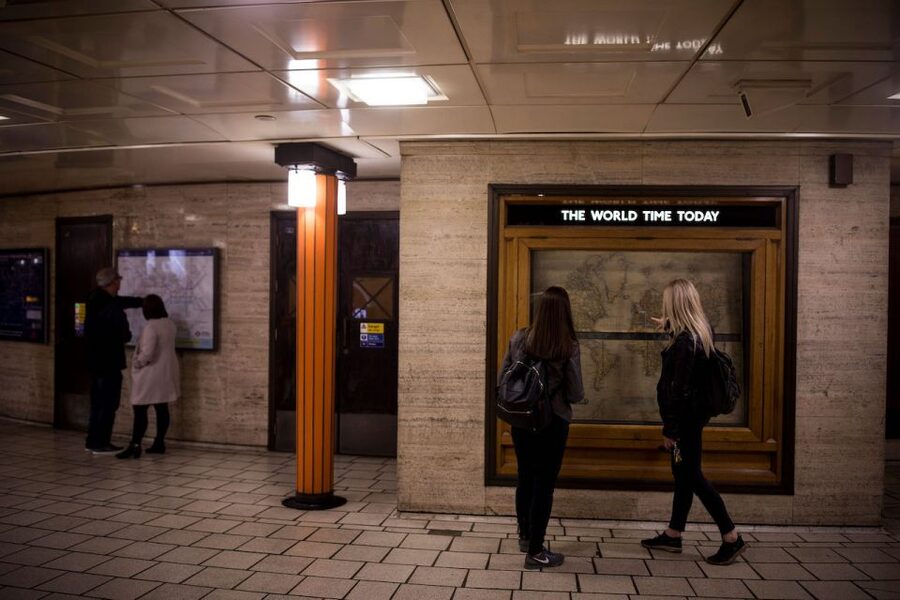
Beneath the neon signs and traffic of Piccadilly Circus sits a piece of London most Tube passengers never see: disused tunnels and lift shafts closed to the public since 1929. This 75-minute tour takes you behind secret doors into the old station, where the Underground’s growth is easier to understand than it is from a crowded platform.
I like the rare access to original Edwardian design features, and I like the human stories tied to the station, especially the wartime use of its underground spaces. The guides are praised for being informative, enthusiastic, kind, and humorous, which matters in a place where the history could otherwise feel like a string of dates.
The catch is practical: this is not a gentle sightseeing walk. You’ll climb stairs, cross uneven ground, and move through low-lit spaces, so it is not suitable for people with claustrophobia, mobility impairments, or anyone who needs step-free access.
In This Review
- Key points to know before booking
- Why Piccadilly Circus is the right station for a hidden tour
- Meeting beneath Shaftesbury Avenue
- Passing through doors the public no longer uses
- Seeing Edwardian details beneath a modern station
- Wartime sheltering and the station’s human story
- Secret storage and the station’s unexpected second life
- What the 75-minute route feels like
- Who will get the most from this tour
- The physical demands are part of the decision
- Is $60.61 a fair price?
- How the guide affects the experience
- Practical timing around Piccadilly Circus
- Should you book the Piccadilly Circus Hidden Tube Tour?
- FAQ
- How long is the Piccadilly Circus Hidden Tube Tour?
- Where does the tour meet?
- How do I find Exit 4?
- Where does the tour finish?
- What language is the tour conducted in?
- What parts of the station can I see?
- Is the tour suitable for children?
- Is the tour suitable for people with claustrophobia?
- Is the tour step free?
- What should I bring and wear?
Key points to know before booking
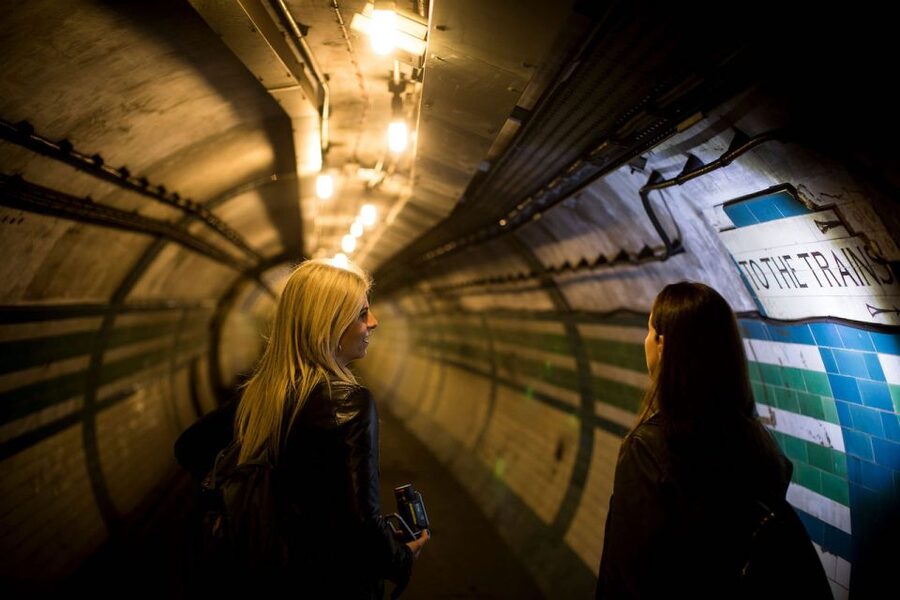
- Closed since 1929: Walk through passenger tunnels and lift shafts no longer used by the public.
- Under Piccadilly Circus: Meet at Exit 4, beside the Criterion Restaurant at the corner of Shaftesbury Avenue and Coventry Street.
- London Underground history in one station: See how the 1906 station was changed during major work from 1925 to 1928.
- Wartime stories included: Hear how people took refuge in the station during wartime.
- A physically demanding route: Expect stairs, uneven surfaces, low lighting, and no elevator.
- Best for history-minded visitors: The tour is in English, lasts 75 minutes, and welcomes children aged 10 and older under the stated adult supervision rule.
Why Piccadilly Circus is the right station for a hidden tour
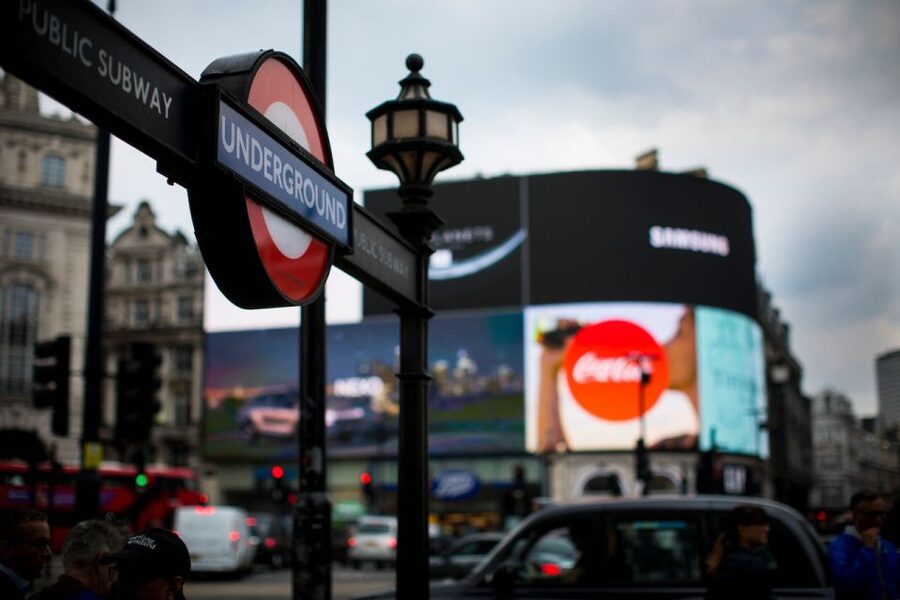
Piccadilly Circus is one of the London Underground’s most recognizable stations, but its fame above ground can distract from what lies below. The station opened in 1906 for the Bakerloo and Piccadilly lines, during the Edwardian period when London was rapidly extending and improving its underground railway.
That original station did not remain unchanged for long. Between 1925 and 1928, it underwent major modernization to handle rising passenger demand. The work created a station with a striking mix of early design and later engineering, giving you more than a simple look at an abandoned corridor.
I find that this kind of place explains London better than a standard museum display. You can see how a working railway had to respond to crowded platforms, changing technology, wartime needs, and the daily demands of a growing city.
Piccadilly Circus also gives the tour a strong sense of place. You begin beside one of London’s best-known public spaces, then move below street level into areas that most people hurry past without knowing they exist.
Other London favourites people book with this one:
- London: The London Eye Entry Ticket
★ 4.6 · 35,875 reviews - From London: Harry Potter Warner Bros Studio Tour
★ 4.7 · 26,588 reviews - London: Westminster to Greenwich River Thames Cruise
★ 4.5 · 22,836 reviews
Meeting beneath Shaftesbury Avenue
The meeting point is at the bottom of the stairs at Exit 4 of Piccadilly Circus Underground station. Look for the corner of Shaftesbury Avenue and Coventry Street, next to the Criterion Restaurant.
This detail matters because Piccadilly Circus has several exits and the area can be busy. Give yourself enough time to identify Exit 4 rather than arriving at the station and trying to work it out at the last second.
The tour ends back at the same meeting point. Travel to and from the station is not included, so you need to arrange your own journey to Piccadilly Circus.
Bring a passport or ID card. The tour information specifically requires identification, so do not treat this as a place where you can leave documents at your hotel.
Passing through doors the public no longer uses
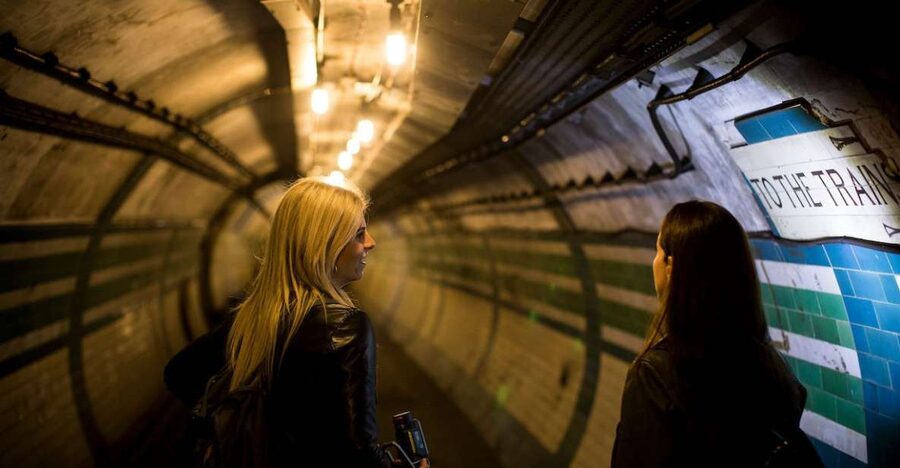
The central appeal is access. You’ll step behind secret doors into disused passenger tunnels and lift shafts that have been closed to ordinary Tube passengers since 1929.
That date gives the old areas a clear historical boundary. These are not merely quiet corners of the current station. They are sections removed from the public route for nearly a century, allowing you to see how earlier passenger spaces were arranged before later changes reshaped the station.
The old lift shafts are especially useful for understanding the scale of early Underground travel. Modern stations often hide their mechanical systems behind clean finishes and electronic signs. Here, the route brings you closer to the engineering that once moved people through the station.
You should not expect a polished exhibition with cases and labels at every turn. The appeal is the setting itself: old passageways, closed areas, stairs, and the remains of a station adapted over time.
The route includes a lot of walking. Low light and uneven ground are part of the setting, but they also mean you need to watch your footing and stay attentive to the guide.
Seeing Edwardian details beneath a modern station
One of the strongest reasons to book is the chance to see original Edwardian design features in their underground setting. The station opened in 1906, so these details connect the tour to the first generation of Piccadilly Circus passengers.
The later work from 1925 to 1928 is just as important. It shows that London’s Underground was never a finished system. Stations had to be rebuilt and adjusted as passenger numbers increased, and Piccadilly Circus became an example of that constant pressure.
I like tours that show change rather than presenting the past as a frozen moment. Here, the story is not simply old station versus new station. It is a record of one place being modified to meet London’s needs while retaining traces of its earlier form.
The tour’s historical material was prepared by experts from the London Transport Museum and draws on the museum’s archive and collection. That gives the stories a firm research base without turning the visit into a lecture hall.
Something completely different for your London days:
- Magical London: Harry Potter Guided Walking Tour
★ 4.7 · 22,044 reviews - London: Madame Tussauds London
★ 4.6 · 20,915 reviews - Stonehenge, Windsor Castle, and Bath from London
★ 4.5 · 18,662 reviews - London: Warner Bros. Studio Tour with Transfers
★ 4.7 · 17,586 reviews
Wartime sheltering and the station’s human story
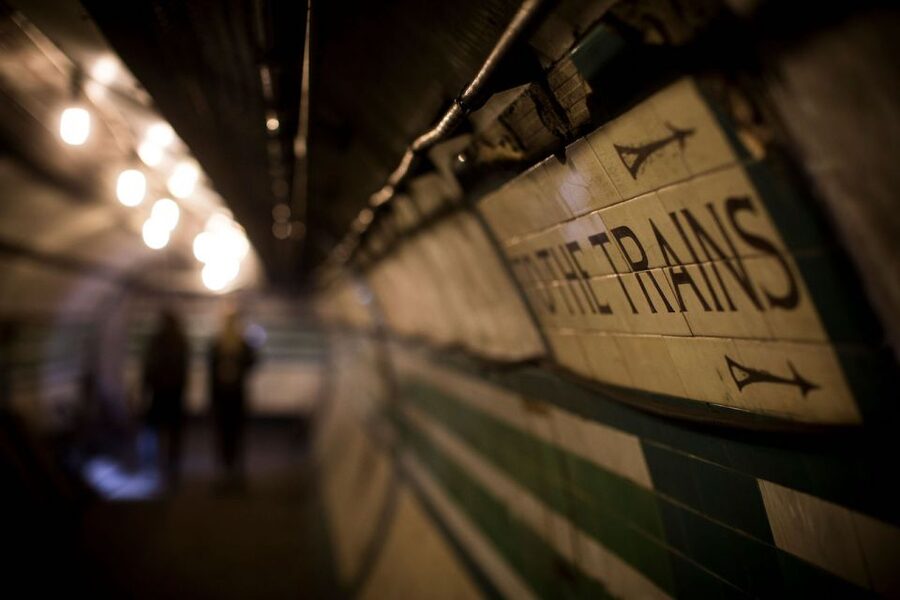
The station’s wartime history adds a more personal side to the tour. You’ll hear about people who took refuge in Piccadilly Circus station during wartime, using the Underground for safety rather than transport.
That detail changes the way you see the space. A tunnel or platform area can look like an engineering relic when empty, but wartime sheltering reminds you that these stations also served as places where Londoners waited, slept, worried, and tried to carry on.
The experience does not present the Underground only as a technical achievement. It connects engineering to ordinary lives, which is one of the reasons the tour can appeal to visitors who are not railway enthusiasts.
The supplied comments describe the guides as informative, enthusiastic, pleasant, and humorous. That mix is useful here. The subject has serious moments, but a good guide can keep the pace human and help you follow the story through unfamiliar spaces.
Secret storage and the station’s unexpected second life
Another unusual part of Piccadilly Circus’s story is its use for top-secret storage of priceless artefacts. The station’s closed areas were not simply left to gather dust. At different points, underground spaces could serve purposes far removed from their original passenger role.
This is the sort of detail that makes the tour more than a walk through an abandoned Tube station. It shows how London repeatedly repurposed underground spaces when the city needed secure or protected locations.
The information provided does not specify every artefact or identify each storage room, so you should book this for the broader story rather than expecting a particular famous object. The value comes from learning how a transport station could become part of a much larger national story.
What the 75-minute route feels like
The tour lasts 75 minutes, which is long enough to build a proper narrative without taking up half your day. You begin at the current station, receive the introduction, and then move into areas outside the normal passenger route.
From there, the focus is likely to shift between physical remains and the stories connected to them: the Edwardian station, the modernization work, closed passageways, lift shafts, wartime sheltering, and secret storage. The precise order may depend on the guide and the operational arrangements on the day, but the supplied description makes clear that the tour includes all these themes.
You should plan to keep moving. This is not a seated talk, and there is no mention of a cloakroom or a place to set down belongings during the route.
The low lighting may add atmosphere, but it can also make the walk tiring for some people. Wear sturdy footwear and suitable clothing, and do not arrive in open-toed shoes. Food and drinks are not allowed.
Who will get the most from this tour
I would choose this tour if you enjoy London’s infrastructure, old buildings, wartime stories, or places that usually remain off-limits. It is also a good choice if you have already seen the major central London sights and want a more focused activity below street level.
The tour suits adults and children aged 10 and older who can manage stairs and a lengthy walk. A maximum of four children aged 10 to 15 is allowed per adult, so families need to plan around that rule.
You do not need to be a Tube specialist. The guide-led format provides the context, and the strong comments about clear, engaging explanations suggest that the experience works for curious first-time visitors as well as transport fans.
I would not book it for a child under 10, someone who dislikes enclosed spaces, or anyone who needs step-free access. The tour is not suitable for people with claustrophobia or mobility impairments, and there is no elevator.
The physical demands are part of the decision
The biggest issue is access. The tour is not step free and includes walking up and down flights of stairs. There are areas with uneven ground and low lighting, so sturdy shoes are essential.
Open-toed shoes are not permitted. Large bags and luggage are also not allowed, and there is no cloakroom, so arrive with only what you can comfortably carry.
These rules are not minor booking notes. They shape the whole experience. The closed areas are appealing precisely because they are old service and passenger spaces, not a newly built attraction designed for easy movement.
If you are comfortable with stairs and enclosed places, the physical setting should add to the atmosphere. If you are uncertain, be honest about your limits before paying. A 75-minute route underground is not the place to hope a mobility problem will somehow be manageable on the day.
Is $60.61 a fair price?
At $60.61 per person, this is not the cheapest way to spend 75 minutes in London. You are paying for restricted access, a specialist guide, and a carefully researched story rather than a standard station visit.
The value depends on what you want. If you only need a quick introduction to the Tube, the price may feel high. You can use Piccadilly Circus station as part of an ordinary journey for far less.
If you want access to tunnels closed to the travelling public since 1929, the calculation changes. The tour offers something you cannot get by simply tapping through the barriers, and the London Transport Museum connection gives the subject more depth than a casual walk around the current station.
I would compare it with the cost of other paid London attractions, then ask whether the setting matters to you. For people who like unusual access and city history, the price can be reasonable. For visitors on a tight budget or with little interest in transport, it may be better to spend the money elsewhere.
Free cancellation up to 24 hours before the tour and the option to reserve now and pay later make the booking less rigid. Still, check the available starting time carefully, since the 75-minute visit takes place at specific times rather than whenever you happen to arrive.
How the guide affects the experience
The guide is important here because the old spaces may not explain themselves. A sealed tunnel can look like a dark corridor unless someone tells you why it was built, when it stopped serving passengers, and how its purpose changed.
The strongest praise focuses on the guides’ information, enthusiasm, kindness, pleasant manner, and humor. That combination is worth noting. You get serious historical material, but the tone should remain approachable rather than dry.
The tour is conducted in English, and no other language option is provided. If you follow spoken English comfortably, the guide’s explanation is a major part of the value. If not, the physical remains may be harder to appreciate because the meaning of each space depends heavily on the narration.
Practical timing around Piccadilly Circus
The tour lasts just over an hour, but you should allow extra time before the start to reach Exit 4 and present your identification. Since the meeting point is in a busy central area, a calm arrival is better than trying to locate the correct stairs at the last minute.
The end point is the same as the start, making it easy to continue into central London afterward. You can use the location to build the tour into a day near Piccadilly Circus, Shaftesbury Avenue, and Coventry Street without needing a separate transfer at the end.
Do not bring luggage. If you are changing hotels or carrying shopping, arrange storage elsewhere before you arrive because there is no cloakroom.
Should you book the Piccadilly Circus Hidden Tube Tour?
Book it if you want rare access to closed Underground spaces, enjoy carefully researched London history, and can comfortably manage stairs, dim light, and uneven ground. The mix of Edwardian design, wartime sheltering, modernization, and secret storage gives the tour a wider story than its 75-minute length might suggest.
Skip it if you need step-free access, dislike enclosed places, or want a relaxed sightseeing activity with plenty of time to pause. At $60.61, it needs to match your interests.
For the right visitor, Piccadilly Circus offers a memorable look at the city below the city. You leave the bright public face of London and see how one station changed with the people, pressures, and emergencies of more than a century.
FAQ
How long is the Piccadilly Circus Hidden Tube Tour?
The guided tour lasts 75 minutes.
Where does the tour meet?
Meet at the bottom of the stairs at Exit 4 of Piccadilly Circus Underground station.
How do I find Exit 4?
Exit 4 is at the corner of Shaftesbury Avenue and Coventry Street, next to the Criterion Restaurant.
Where does the tour finish?
The activity ends back at the meeting point.
What language is the tour conducted in?
The live guided tour is conducted in English.
What parts of the station can I see?
You can visit disused passenger tunnels and lift shafts that have been closed to the travelling public since 1929, along with original Edwardian design features.
Is the tour suitable for children?
Children under 10 are not permitted. Children aged 10 to 15 are allowed, with a maximum of four children per adult.
Is the tour suitable for people with claustrophobia?
No. The tour is not suitable for people with claustrophobia.
Is the tour step free?
No. It includes flights of stairs, and there is no elevator.
What should I bring and wear?
Bring a passport or ID card, wear sturdy footwear and suitable clothing, and do not wear open-toed shoes. Food, drinks, luggage, and large bags are not allowed, and there is no cloakroom.
Latest arrivals on the London list
- Easy Access Tower of London Royal Secrets & Scandals Tour★ 5.0 · 3 reviews
- Stonehenge Special Access Guided Morning Tour from London★ 4.5 · 3 reviews
- Shoreditch & East London Walking Tour with a Local, Custom & Private★ 5.0 · 3 reviews
- Madame Tussauds London Fast Track and Champagne Experience★ 3.5 · 3 reviews
- London Private Brixton Tour with a Local – Culture & Stories★ 4.9 · 3 reviews
- Private Full Day Tour – Fast Track Tower of London and Lunch★ 4.6 · 3 reviews
- Private transfer from London Heathrow Airport to Southampton★ 5.0 · 3 reviews
- London Crimes And Punishment Private Walking Tour★ 5.0 · 3 reviews
Tours, compared.

Magical London: Harry Potter Guided Walking Tour
Read our review →
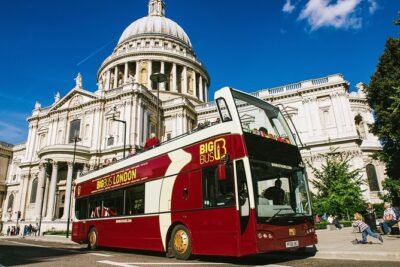
London Big Bus Hop-On Hop-Off Tour with Optional River Cruise
Read our review →
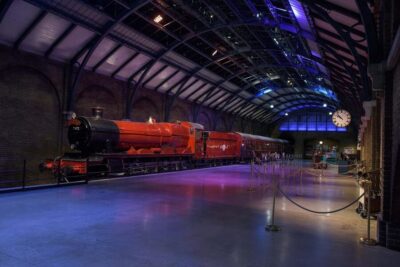
Warner Bros. Studio Harry Potter Tour with Transfers
Read our review →