
Reviewed · WESTMINSTER & BIG BEN TOURS
London: Churchill War Rooms & WW2 Westminster Private Tour
The most gripping part of this London tour is not the grand stonework above ground, but the bunker hidden beneath Whitehall. You walk past Parliament, Westminster Abbey, the Cenotaph, Downing Street, and Big Ben before entering the Churchill War Rooms, where Britain’s wartime decisions were made below street level.
I like the way the experience links famous Westminster sights to the pressure of the Second World War. I also like that it is a private tour, so your guide can keep the story moving at the right pace for your group. The main drawback is the price, $317 per person, and the compact 2.5-hour schedule. You get a focused visit, not an all-day history course.
In This Review
- Key points at a glance
- Why the Churchill War Rooms are the heart of the tour
- Meeting at Churchill’s statue in Parliament Square
- Westminster Abbey, Parliament, and Big Ben in wartime
- Whitehall and the story of wartime London
- Entering the Cabinet War Rooms
- The Map Room, frozen at the end of the war
- Churchill’s personal objects and public image
- What life was like below ground
- Private touring and the $317 price
- Who should book this Westminster history tour
- Should you book the Churchill War Rooms private tour?
- FAQ
- Where does the tour meet?
- How long does the experience last?
- What language is the tour conducted in?
- Is this a private tour?
- What sites are covered during the Westminster walk?
- Is admission to the Churchill War Rooms included?
- Can I bring luggage or a large bag?
Key points at a glance
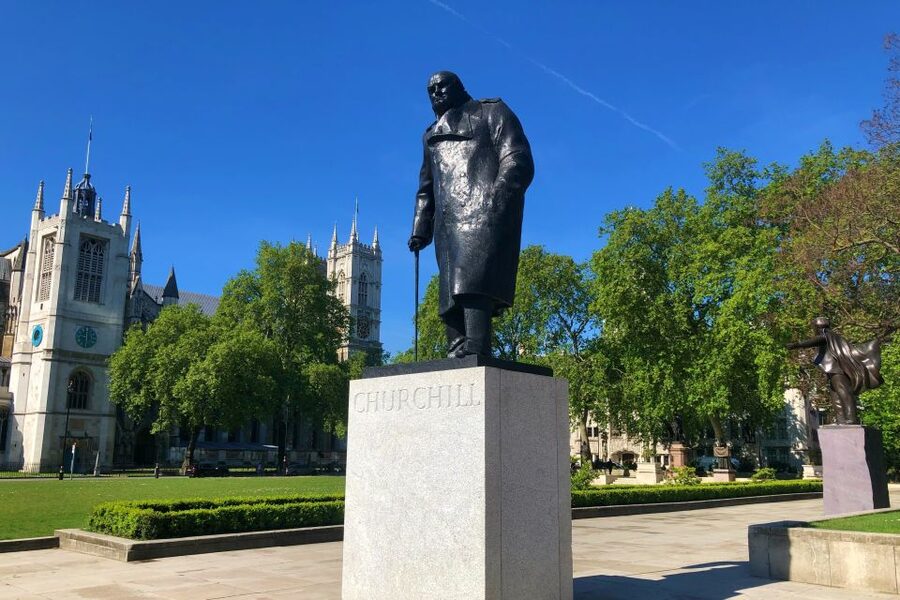
- Start beside Churchill’s statue: Meet at Parliament Square, near Westminster Underground station, with the Urban Saunters tour sign.
- See Westminster through a wartime lens: The walk covers Parliament, Westminster Abbey, the Cenotaph, Whitehall, Downing Street, and Big Ben.
- Enter the preserved underground rooms: Your reserved admission takes you into the Cabinet War Rooms and Map Room beneath Whitehall.
- Hear the human side of the war: The guide explains how men and women worked, slept, and ate underground while bombs fell above.
- Benefit from a private format: Your group has a live English-speaking guide rather than joining a large shared party.
- Plan for security and stairs: All visitors pass through security, large bags are not allowed, and the tour is not suitable for people with mobility impairments.
Why the Churchill War Rooms are the heart of the tour
Many London history tours point out grand buildings and repeat familiar dates. This one uses Westminster as a map of wartime power, then takes you below the pavement to the rooms where decisions were made. That change in setting gives the tour its shape.
The story begins with the bombing of London on September 7, 1940. Nazi Germany launched a sustained attack that led to 57 consecutive nights of terror for the capital. You hear how that period affected Britain while looking at the institutions that directed the national war effort.
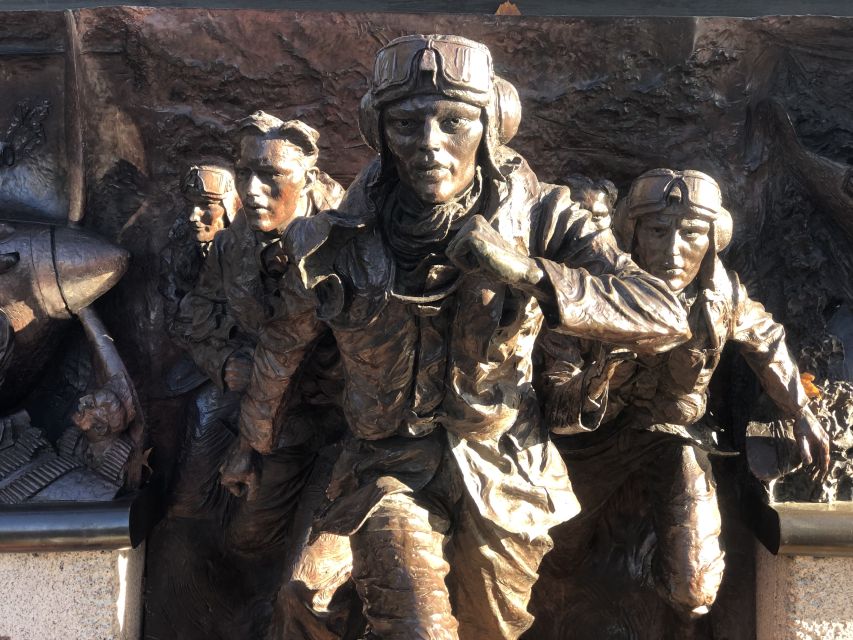
The attraction beneath Whitehall is not a recreated set built for a film. The rooms were preserved after the war, and the displays show the cramped, practical world in which officials worked. You see corridors, offices, meeting rooms, and operational spaces connected to Churchill and the British government.
The value here is atmosphere with context. On your own, it is easy to walk through a bunker and focus only on old maps and furniture. With a guide, you can better understand what the rooms were for, who used them, and why a decision made in one small space could affect a country at war.
More Westminster and Big Ben walks:
- London: Westminster to Greenwich River Thames Cruise
★ 4.5 · 22,836 reviews - London: Westminster Abbey Entrance Ticket
★ 4.6 · 11,254 reviews - London: Westminster to Tower Bridge River Thames Cruise
★ 4.5 · 6,127 reviews
Meeting at Churchill’s statue in Parliament Square
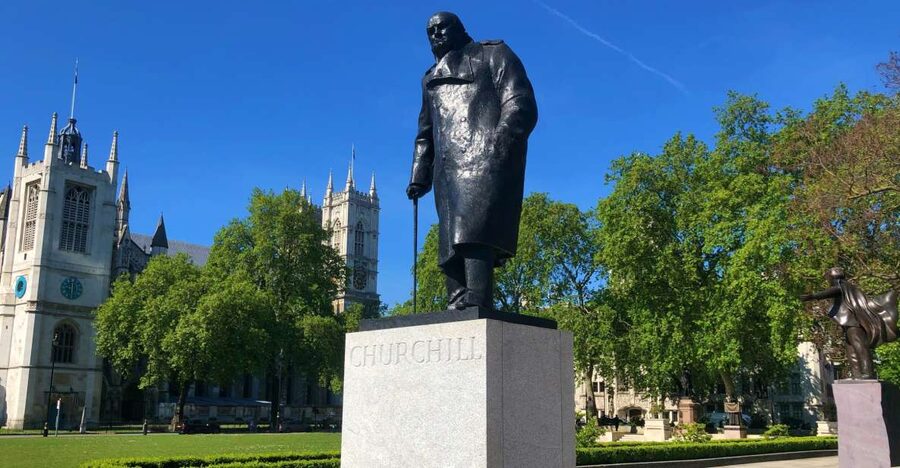
The tour begins at the Winston Churchill statue on Parliament Square. Look for the guide holding an Urban Saunters tour sign. Westminster Underground station is the nearest station, which makes the meeting point fairly simple to reach.
Arrive ready to walk. The experience combines an outdoor tour of Westminster with time inside the War Rooms, so comfortable shoes and comfortable clothing are sensible. The tour operates rain or shine, and London weather can change quickly.
The statue is a useful starting point because it puts Churchill in the middle of the government quarter he helped direct. From here, the guide can connect the person to the buildings around you rather than treating the War Rooms as an isolated museum visit.
This is also where the private format begins to matter. You can ask questions about Churchill, the bombing of London, or a particular building without trying to make yourself heard over a large group. The supplied information names Jeremy as a guide who has led this experience, and his strong reputation for stories, anecdotes, and keeping both adults and children interested is worth noting. Guide assignments can change, so do not book on the assumption that Jeremy will lead your date.
Westminster Abbey, Parliament, and Big Ben in wartime
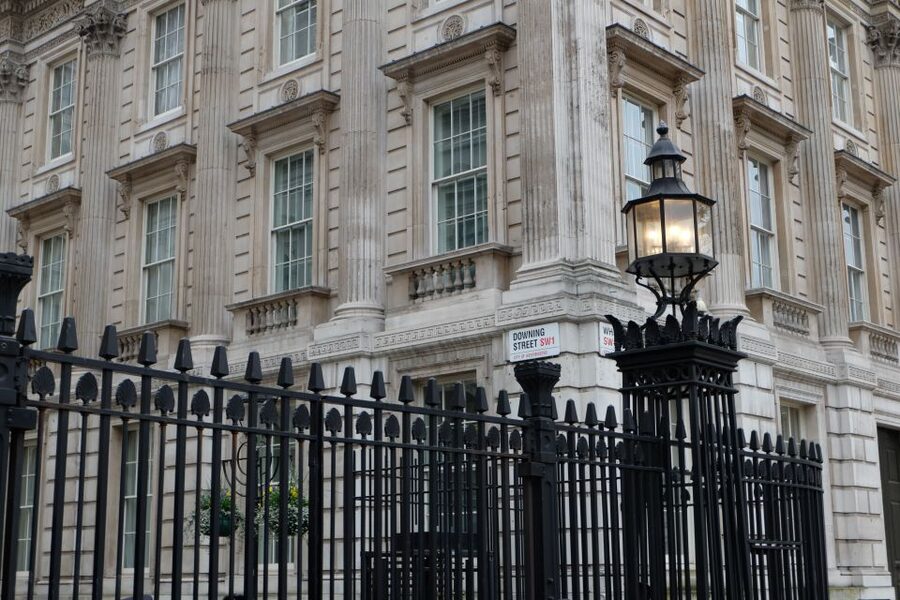
The outdoor portion takes you through the most recognizable part of London. You see the Houses of Parliament, Westminster Abbey, Big Ben, Whitehall, the Cenotaph, and 10 Downing Street.
The useful feature is the wartime viewpoint. You are not simply collecting photographs of famous landmarks. Your guide explains how these places fit into the political and military story of Britain during the Second World War.
The Houses of Parliament help set the scale of the decisions being made. Westminster Abbey adds a different layer, linking national ceremony and memory to a period when Britain was under direct threat. The Cenotaph brings the focus back to remembrance, while Whitehall places you close to the government offices tied to the war effort.
You will not spend a long time at each landmark. That is both a strength and a limitation. You get a clear introduction to the area and its wartime connections, but you should not expect extended interior visits to Parliament or Westminster Abbey. The main indoor admission included in this experience is for the Churchill War Rooms.
The walk also gives you a better sense of London geography. Whitehall can feel like a grand avenue of government buildings when you first visit. The tour helps you see it as a working center of command, linked by streets and offices to the underground rooms ahead.
Whitehall and the story of wartime London
The guide places the bombing campaign in a wider story. The Blitz was not just a sequence of dates. It affected how people lived, worked, and endured uncertainty across the capital.
The experience promises discussion of everyday life in Britain during the war. That is important because Churchill’s speeches and military plans can otherwise make the period seem like a story about famous men alone. Underground, you learn about the staff who kept the rooms running and the people who worked long hours while bombs fell overhead.
The tour’s central theme is the contrast between public confidence and private strain. Above ground, Westminster presents authority in stone and ceremony. Below ground, the War Rooms reveal narrow working spaces, pressure, routine, and the possibility of failure.
A good guide can make this contrast clear without turning the tour into a lecture. The strongest feedback about Jeremy focuses on his stories and ability to hold the attention of an eight-year-old and a thirteen-year-old. That suggests the experience can work for families, especially when children already have some interest in war history. The content remains serious, so parents should decide if the subject suits their children.
More wartime history visits:
- Westminster 3 Hour Walking Tour and Visit of Churchill War Rooms
★ 5.0 · 967 reviews - WW2 London Walking Tour & Churchill War Rooms Entrance Ticket
★ 4.5 · 933 reviews - London: Westminster WW2 Tour & Churchill’s War Rooms Ticket
★ 4.5 · 925 reviews - London in WW2 Walking Tour with Churchill War Rooms Visit
★ 5.0 · 721 reviews
Entering the Cabinet War Rooms
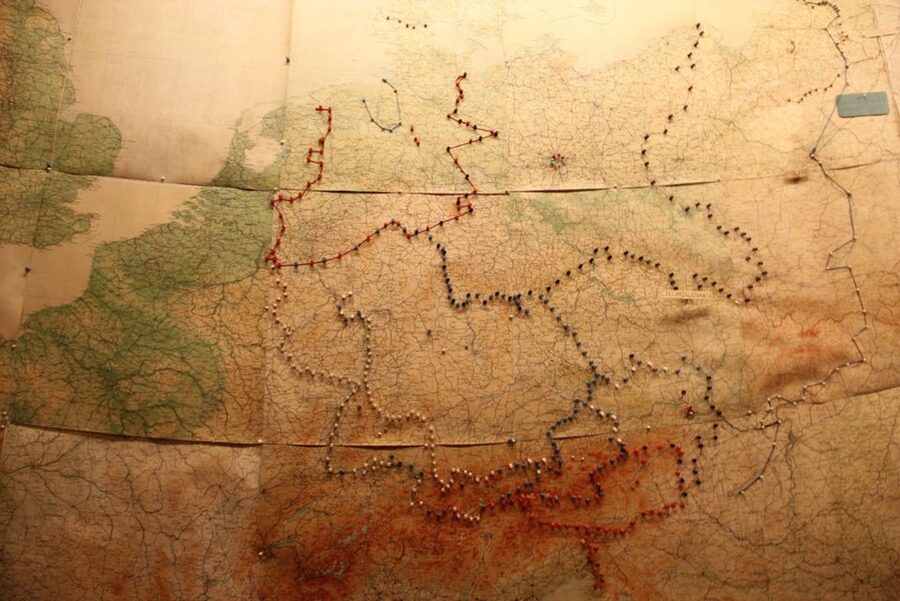
The descent below Whitehall is the tour’s big transition. After the open spaces of Parliament Square and the government quarter, you enter a bunker designed for urgent work rather than comfort.
Your live guide accompanies you through the Churchill War Rooms. The included ticket and entry reservation mean you do not need to arrange separate admission for this part of the experience.
Inside, the Cabinet War Room shows where senior figures met to consider choices that could lead to victory or disaster. The wording may sound dramatic, but the rooms earn that seriousness. Their importance comes from their function, not from decoration.
Look closely at the practical details. The rooms were places where people had to communicate, record information, study maps, and make decisions under pressure. The guide helps you understand how those tasks fit together.
The bunker is not large luggage friendly. Security checks are required for all visitors, and large bags are not allowed inside. Keep your belongings light, and do not arrive with suitcases or bulky day luggage.
The Map Room, frozen at the end of the war
The Map Room is one of the most valuable stops because it makes the war feel like an ongoing operation rather than a finished chapter. The room was left untouched since 1945, and you can study the space as a record of how the conflict was tracked.
Maps turn military history into something visible. Lines, markers, and updates represented changing fronts and urgent reports. Your guide explains how the room helped staff chart the course of the war, giving you a clearer idea of the work behind public announcements and speeches.
The appeal is not only the old material. It is the sense of time stopping. A room used day after day during the war remains connected to the moment when the conflict ended, allowing you to see the working environment rather than a later interpretation of it.
You should allow yourself time to look, even though the overall tour lasts only 2.5 hours. A private guide can point out details and answer questions, but the schedule is still fixed. If you want to read every museum label at length, plan to return to the War Rooms on another visit.
Churchill’s personal objects and public image
The museum section moves from military operations to Churchill the individual. Displays include objects from his life, from a baby rattle to the cigar and bowler hat linked closely to his public image.
These items help break up the military material. Churchill can appear in history books as a symbol of British resistance, but personal belongings show a more ordinary side of the man behind the speeches and decisions.
The guide also discusses Churchill’s role in leading Britain through its darkest period. Expect interpretation rather than a complete biography. The focus stays on the wartime Churchill and the settings around Westminster.
I find this balance useful. The tour does not treat the bunker as a shrine, and the personal items keep the story connected to a real person. At the same time, the limited duration means you should not expect a full examination of every part of Churchill’s political career.
What life was like below ground
The War Rooms were workplaces, but they were also places where people had to spend long stretches of their lives. The tour explains how staff slept, ate, and worked in the bunker while air raids continued overhead.
That detail gives the experience its human weight. Military rooms can seem abstract when they are filled only with charts and official language. Once you think about the people maintaining the rooms through repeated bombing, the narrow corridors and functional spaces feel different.
You also gain a better idea of the support work behind leadership. Churchill may be the name on the ticket, but the bunker depended on many men and women carrying out routine jobs, passing information, and keeping the operation running.
This is where a live guide adds real value. A museum display can show you a bed or office, but a guide can explain how the space was used and connect one room to the wider story. The best part of the experience is often not a single famous object, but the picture of an entire underground operation.
Private touring and the $317 price
At $317 per person, this is an expensive London activity. The price makes more sense if you specifically want a private guide, a structured Westminster walk, and reserved admission to the Churchill War Rooms in one short experience.
For a solo visitor or a couple on a strict budget, the cost may be hard to justify. You can visit many London museums for less, and the 2.5-hour duration does not make this a full-day historical program.
For a family or small group, the calculation changes. A private tour gives you a guide focused on your party, and you can ask questions at your own level. That is especially useful when your group includes children, different knowledge levels, or someone who wants more attention than a large group normally allows.
The strongest value comes from the connection between the street walk and the bunker. If you only want to see the War Rooms, a standard admission may suit you better. If you want the landmarks above ground explained as part of the same wartime story, this tour offers a more complete experience.
You also get a degree of planning security through the entry reservation and free cancellation up to 24 hours in advance. You can reserve now and pay later, which helps if your London schedule is still changing.
Who should book this Westminster history tour
I would recommend it most strongly to visitors with a clear interest in Churchill, the Second World War, or London’s political history. It also suits first-time visitors who want an introduction to Westminster before exploring the War Rooms.
Families can benefit from the storytelling approach, especially if children are old enough to follow a serious wartime subject. The experience is in English only, so everyone in the group should be comfortable listening to an English-speaking guide.
This is less suitable if you dislike walking, need step-free access, or prefer to explore museums at your own slow pace. The activity is not suitable for people with mobility impairments, and the rain-or-shine outdoor portion requires practical clothing.
Bring comfortable shoes, keep your luggage small, and allow time to pass through security. Do not treat this as a casual stop between train connections because large bags are not permitted in the War Rooms.
Should you book the Churchill War Rooms private tour?
Book it if you want the story behind the landmarks, not just a quick photograph of them. The guide-led walk gives Westminster meaning, while the bunker visit provides the most powerful part of the experience.
Think twice if $317 per person feels too high for 2.5 hours or if you want a long, unhurried museum visit. For the right group, especially a family or small party that values personal guiding, the private format can justify the cost. For budget visitors, the War Rooms alone may be the better choice.
FAQ
Where does the tour meet?
Meet at the Winston Churchill statue on Parliament Square. Your guide will be holding an Urban Saunters tour sign, and Westminster is the nearest Underground station.
How long does the experience last?
The tour lasts 2.5 hours.
What language is the tour conducted in?
The live tour is conducted in English.
Is this a private tour?
Yes. The experience is for a private group with a live guide.
What sites are covered during the Westminster walk?
The walk covers the Houses of Parliament, Westminster Abbey, the Cenotaph, the Ministry of War, 10 Downing Street, Whitehall, and Big Ben, viewed through the history of the Second World War.
Is admission to the Churchill War Rooms included?
Yes. Tickets and entry reservations to the Churchill War Rooms are included, along with a live guided experience inside the War Rooms.
Can I bring luggage or a large bag?
No. Large luggage and large bags are not allowed into the Churchill War Rooms. All visitors must also pass through security.
Latest arrivals on the London list
- Easy Access Tower of London Royal Secrets & Scandals Tour★ 5.0 · 3 reviews
- Stonehenge Special Access Guided Morning Tour from London★ 4.5 · 3 reviews
- Shoreditch & East London Walking Tour with a Local, Custom & Private★ 5.0 · 3 reviews
- Madame Tussauds London Fast Track and Champagne Experience★ 3.5 · 3 reviews
- Private Full Day Tour – Fast Track Tower of London and Lunch★ 4.6 · 3 reviews
- Private transfer from London Heathrow Airport to Southampton★ 5.0 · 3 reviews
- London Private Brixton Tour with a Local – Culture & Stories★ 4.9 · 3 reviews
- London Soho District – Guided Walking Tour 12 guests 2,5h★ 4.8 · 3 reviews
Westminster & Big Ben Tours, compared.
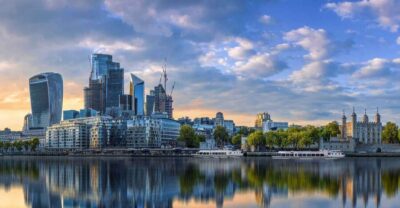
Westminster to Greenwich River Thames Cruise
Read our review →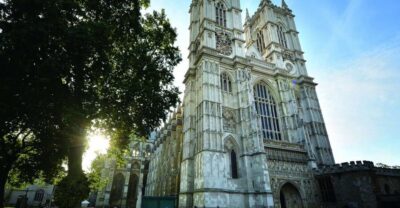
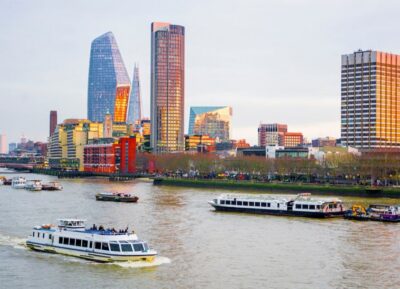
Westminster to Tower Bridge River Thames Cruise
Read our review →
Westminster to Greenwich Sightseeing Thames Cruise in London
Read our review →
Westminster Abbey, Big Ben & Buckingham Guided Tour
Read our review →
Westminster Guided Walking Tour with Abbey Entry
Read our review →
Walking Tour of London Westminster Abbey, Big Ben, Buckingham
Read our review →Browse the lists this tour appears in