Reviewed · TOURS
London: Hidden Baker Street Tube Station Tour
Baker Street Station has more to show you than its familiar red-and-blue signs and Sherlock Holmes crowds. This 85-minute tour takes you behind locked doors into original platforms, old lift shafts, staff corridors, and a rifle range, with some spaces last open to the public in 1945. I like the rare access and the clear link to London’s first underground railway. The main drawback is the physical setting: expect stairs, uneven ground, dim light, and no elevators.
I also like the human side of the story. Guides such as Anthony, Sophie, and Pat bring attention to the people who worked here, not just the machinery and dates. You will need comfortable closed shoes, leave large bags behind, and feel at ease in tight, poorly lit places. Children must be at least 10, and there can be no more than four children aged 10 to 15 for each adult.
In This Review
- Key points
- Why Baker Street Station matters
- Meeting beneath the Sherlock Holmes statue
- Entering the oldest Underground story
- Original platforms and corridors out of sight
- Old lift shafts and the mechanics of movement
- The staff rifle range and the working station
- Stories from the people who worked there
- What the 85-minute schedule feels like
- Is the $60 price fair?
- Who should book, and who should skip it
- Practical advice before you go
- The final call: book it for access, not spectacle
- FAQ
- Where does the Hidden Baker Street Tube Station Tour meet?
- How long does the tour last?
- What language is the tour offered in?
- What areas of Baker Street Station can I see?
- How old is Baker Street Station?
- Are children allowed on the tour?
- Is the tour suitable for people with mobility impairments?
- What should I bring?
- Can I cancel my booking?
Key points
- Original 1863 station spaces: See parts of Baker Street linked to the opening of the Metropolitan Railway, the first underground passenger railway.
- Areas closed for about 75 years: Walk through old corridors, platforms, and lift shafts that ordinary passengers no longer use.
- A former staff rifle range: Visit an unusual reminder that the station once served London Underground employees as well as commuters.
- Operational headquarters: Learn how Baker Street functioned as a working center for the Underground network.
- Strong guiding team: Anthony, Sophie, and Pat are named guides associated with the tour, which is delivered in English.
- A demanding walk: Stairs, low lighting, uneven ground, and no elevators make this a poor fit for anyone with limited mobility or claustrophobia.
Why Baker Street Station matters
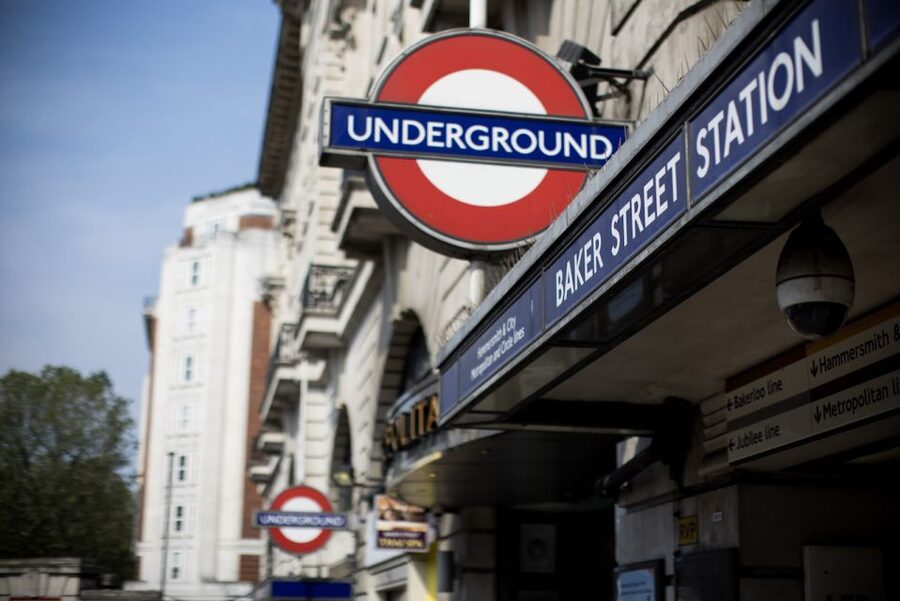
Baker Street opened on January 10, 1863, as part of the Metropolitan Railway. That date matters because London was not simply adding another train line. It was testing a new way to move people beneath streets already crowded with traffic, horses, and pedestrians.
The idea soon helped shape metro systems around the world. On this tour, you are not only looking at an old station. You are walking through one of the places where underground passenger travel began.
The station also tells a wider story about change. The Underground expanded over the next 160 years, but older parts of Baker Street remained behind newer walls, platforms, and routes. That layering gives the tour its appeal. You can stand in a working London station and then step into spaces that belong to earlier versions of it.
I find that more interesting than a standard station visit. You get a direct sense of how transport systems grow, adapt, and sometimes leave whole sections behind.
Other London favourites people book with this one:
- London: The London Eye Entry Ticket
★ 4.6 · 35,875 reviews - From London: Harry Potter Warner Bros Studio Tour
★ 4.7 · 26,588 reviews - London: Westminster to Greenwich River Thames Cruise
★ 4.5 · 22,836 reviews
Meeting beneath the Sherlock Holmes statue
The meeting point is easy to identify: meet your guide outside Baker Street Underground Station, in front of the Sherlock Holmes statue. The location adds a touch of local character, but it also helps you avoid wandering around a busy station entrance looking for the group.
Give yourself enough time to arrive at the correct side of the station. The tour does not include pickup or drop-off, so you make your own way there and leave on your own afterward.
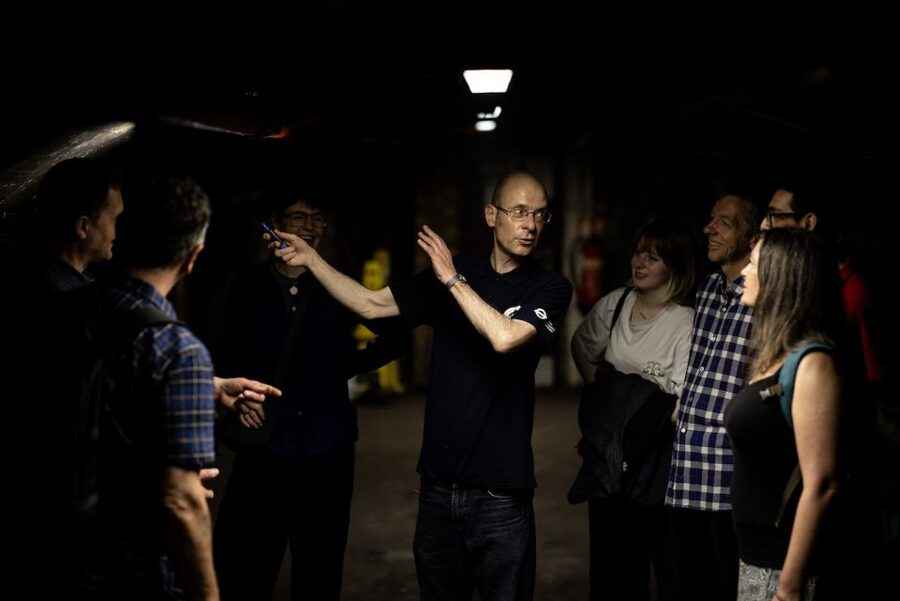
The tour is offered in English with a live guide. Names connected with the guiding team include Anthony, Sophie, and Pat. The strongest part of the guiding style is the mix of practical station detail and personal stories about staff who worked and spent time there.
That human angle keeps the tour from becoming a string of dates. You hear about the station as a workplace, not just a place where passengers bought tickets and boarded trains.
Entering the oldest Underground story
The opening part of the walk sets Baker Street in the early years of Victorian steam travel. The first passengers had to adjust to the idea of traveling below the city, and the tour explains what that experience meant in 1863.
You will hear about the first underground railway and how the system grew over the following decades. This context helps you understand why the station has several different layers and types of space. It was not built once and left untouched. It changed as London changed.
The Victorian setting is especially useful for visitors who already know London’s modern Tube but have little sense of how it began. Instead of treating the Underground as a single system, the guide shows you its long development through one station.
Expect the tour to move at walking pace. The focus is on seeing and listening, rather than traveling by train. The station’s active public areas provide the starting point, but much of the interest comes from the places behind them.
Original platforms and corridors out of sight
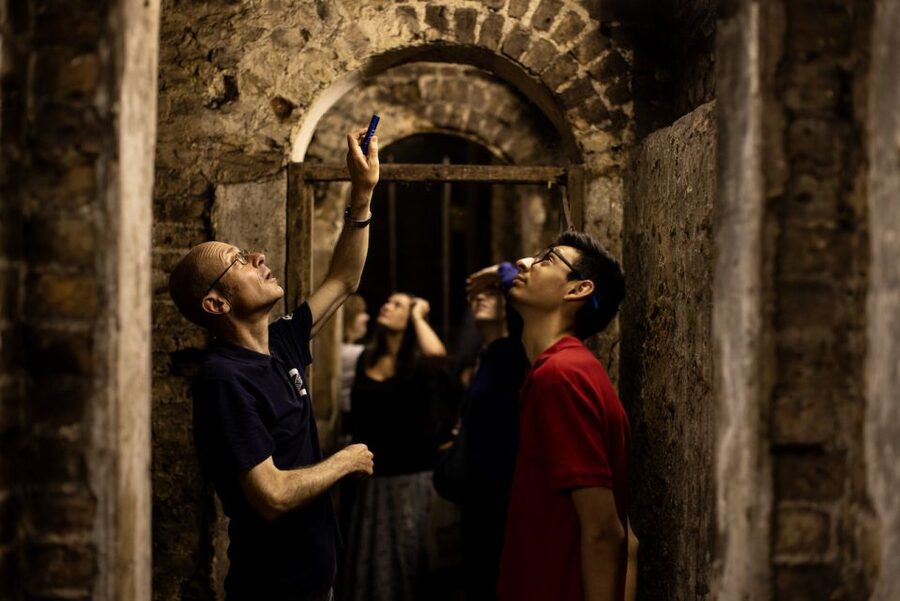
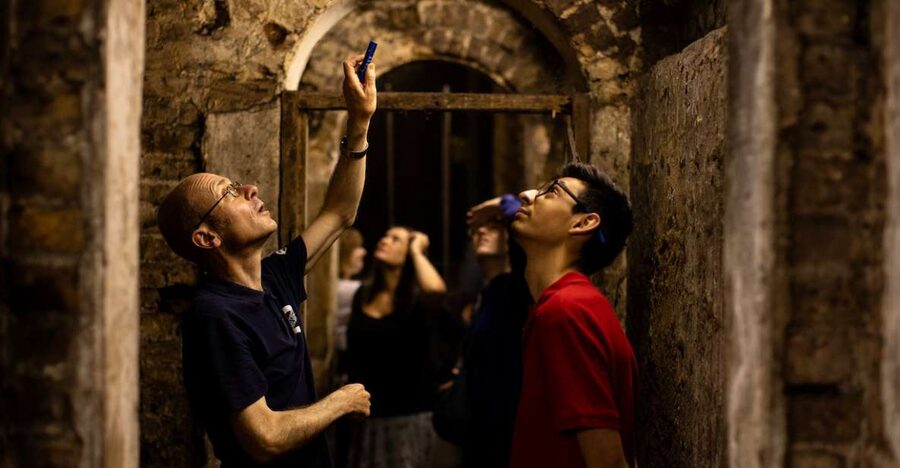
The tour includes original platforms and corridors that ordinary Tube users do not see. Some of these spaces were last accessed by the public as far back as 1945, giving you a rare look at parts of the station that have been out of daily use for roughly 75 years.
The appeal is not polished decoration. These areas matter because they show the station in working form. A corridor can reveal how staff moved through the building, while an old platform can show how earlier passenger arrangements differed from what you see today.
You might find the spaces more atmospheric than beautiful. Low lighting, uneven ground, and old construction are part of the setting. I would treat that as a strength if you enjoy transport history, but it can be tiring or uncomfortable if you prefer bright, smooth, easy-to-navigate attractions.
The closed areas are also why sensible footwear matters. Wear comfortable shoes with closed toes. Open-toed shoes are not allowed, and the combination of stairs and uneven surfaces calls for steady footing.
Something completely different for your London days:
- Magical London: Harry Potter Guided Walking Tour
★ 4.7 · 22,044 reviews - London: Madame Tussauds London
★ 4.6 · 20,915 reviews - Stonehenge, Windsor Castle, and Bath from London
★ 4.5 · 18,662 reviews - London: Warner Bros. Studio Tour with Transfers
★ 4.7 · 17,586 reviews
Old lift shafts and the mechanics of movement
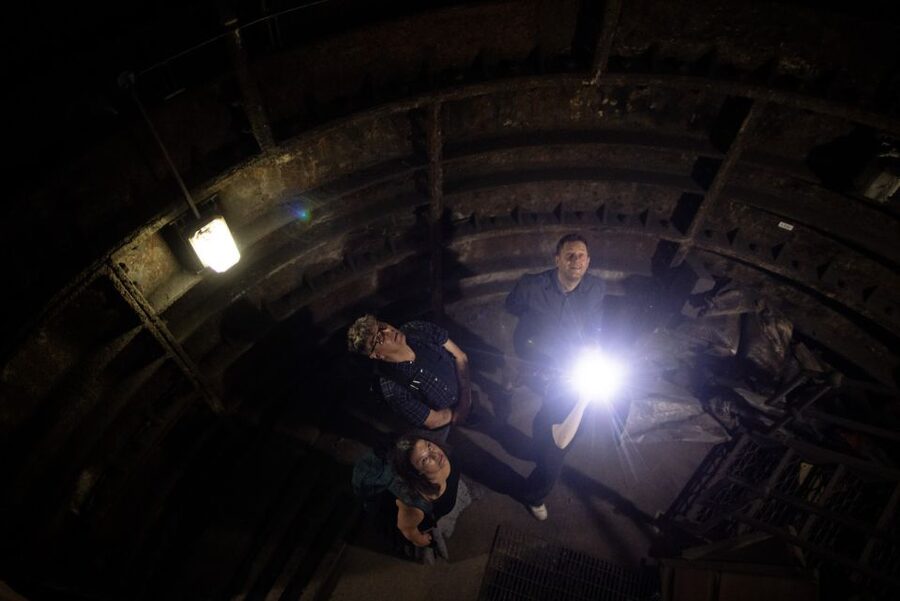
The old lift shafts offer another way to see how people once moved through the station. Modern Underground stations often make vertical circulation feel routine. Here, the former shafts point to an earlier age of transport, when station design and passenger movement looked very different.
The tour does not simply ask you to admire a shaft as an empty hole. Its value comes from hearing how it fitted into the station’s earlier operation. You can connect the physical space to the passenger experience and to the staff work needed to keep the station running.
These areas may feel tight and dark. If you are claustrophobic, take the warning seriously. This is not a bright museum gallery with wide paths and frequent places to sit. The experience depends on entering old operational spaces, and that means accepting some limits on comfort.
There are no elevators on the route. Anyone with a mobility impairment should consider that carefully before booking.
The staff rifle range and the working station
The former staff rifle range is one of the tour’s most unusual features. It shows that Baker Street was more than a passenger stop. The Underground employed large numbers of people, and stations could include spaces connected with staff life and training.
That detail gives the tour a wider reach. You are not only following the story of trains and tunnels. You are seeing how the Underground served its own workforce. The rifle range is a strong reminder that a major transport system is also a large organization with its own routines and facilities.
I like this kind of unexpected detail because it changes the way you look at public infrastructure. A station may appear to be nothing more than platforms, ticket areas, and trains, yet its staff spaces can tell a different story.
The tour also covers Baker Street’s role as the operational headquarters for the London Underground. That makes the station important beyond its age. It was connected with decisions and daily work that affected the wider network.
Stories from the people who worked there
The guides draw on the London Transport Museum’s archive and collection to explain the station’s past. The result is more personal than a simple list of construction dates.
You hear about the staff who worked at Baker Street over the years, as well as the ways people used the station beyond passenger travel. These accounts help you picture the building as a place where people reported for duty, moved through back corridors, and spent much of their working lives.
Anthony, Sophie, and Pat are named members of the guide team associated with this experience. Their approach is described as friendly, enthusiastic, and strong on detail. That matters in a dark historic site, where a good guide has to help you notice what the space is telling you.
The tour is in English only. If you are comfortable following spoken English, the live format lets you ask questions and respond to the pace of the group. If you need a tour in another language, this will not meet that need.
What the 85-minute schedule feels like
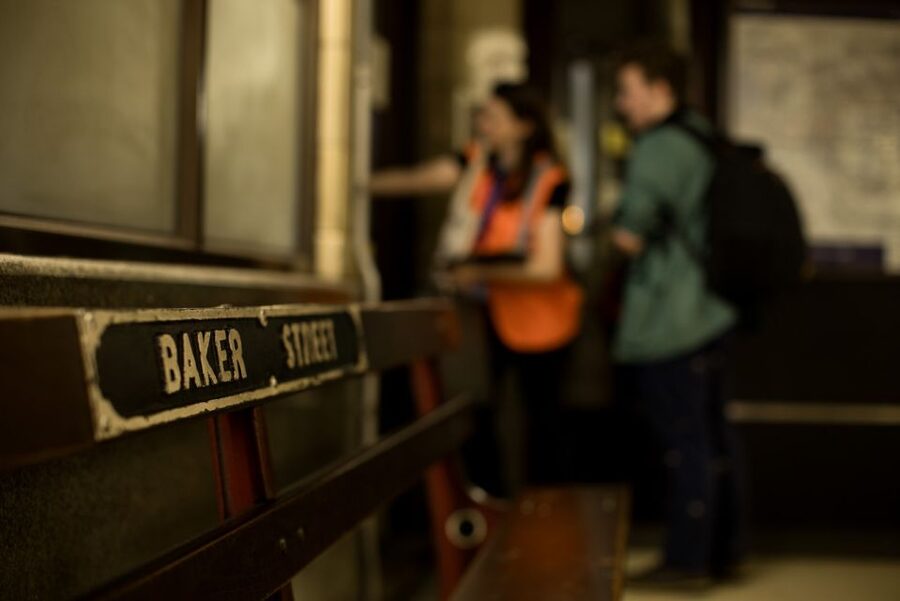
The tour lasts 85 minutes, which is long enough to cover several parts of the station without taking up half your day. You can pair it with other London plans, but allow time to reach Baker Street and get ready before the start.
The walk moves through public and restricted areas, with the guide explaining how the spaces connect. You should expect a steady amount of walking rather than a seated presentation. Stairs and uneven flooring make the physical effort greater than the duration alone suggests.
Low lighting also changes the pace. You may need to watch your footing while listening, particularly on older surfaces. Keep water with you, since it is listed as something to bring, but do not bring food or drinks into the tour areas.
Large bags and luggage are not allowed. That is especially useful to know if Baker Street is your first stop after arriving in London or your last stop before heading elsewhere. Plan to store or leave bulky items before meeting the guide.
Bring a passport or ID card as well. The tour information lists identification among the items to carry.
Is the $60 price fair?
At $60 per person, this is not a cheap way to spend an hour in London. Its value depends on what you want from a sightseeing experience.
If you only want to see Baker Street Station’s public areas, you do not need this tour. You can use the station as part of your normal Tube journey without paying an added fee. The price is aimed at the restricted access, the specialist transport setting, and the live explanation that connects each space to the Underground’s development.
I think the cost makes more sense for people who care about London transport, engineering, social history, or unusual access. The tour is also a good fit if you have already seen the city’s main landmarks and want something less familiar.
The experience is delivered by the London Transport Museum, which gives the subject a direct link to a major museum collection and archive. You are paying for access and interpretation, not entertainment effects or a large number of attractions.
For a short tour, the fee remains a serious consideration. I would book it because of the closed areas, not simply because Baker Street is famous.
Who should book, and who should skip it
You should consider this tour if you enjoy:
- Early railway and Victorian history
- London Underground operations
- Old buildings and restricted spaces
- Staff stories and working-life details
- Guided walks with a clear historical focus
- Unusual experiences beyond major landmarks
It suits adults and children aged 10 and older who can manage a demanding walk. If you are bringing children aged 10 to 15, there can be no more than four children for each adult.
I would skip it if you have a mobility impairment, dislike stairs, or feel uneasy in enclosed spaces. The route has no elevators, and low light and uneven ground are central parts of the setting, not minor inconveniences.
You should also think twice if you want a broad London sightseeing tour. This experience stays closely tied to Baker Street Station and the history of the Underground. It does not include transport around London or pickup and drop-off.
Practical advice before you go
Wear comfortable, closed shoes. The route includes stairs and rougher surfaces, so sandals and open-toed shoes are not suitable.
Carry water, but do not bring food or drinks into the tour. Leave luggage and large bags behind, and have a passport or ID card with you.
Meet outside Baker Street Underground Station at the Sherlock Holmes statue. Since that is the fixed meeting point, check your route before the day of the tour and avoid arriving at the last moment.
The tour allows free cancellation up to 24 hours before departure for a full refund. You can also reserve now and pay later, which is useful if your London schedule is still changing.
The final call: book it for access, not spectacle
I recommend the Hidden Baker Street Tube Station Tour if you want to see the Underground as a working piece of Victorian infrastructure, not just a way to get across London. The original platforms, old lift shafts, staff corridors, rifle range, and headquarters connection give the 85-minute walk plenty of substance.
The guides, including Anthony, Sophie, and Pat, are a major part of the experience. Their friendly, enthusiastic approach helps turn dark corridors into a story about technology and the people who kept the system running.
Book it if $60 fits your budget and you can handle stairs, dim light, uneven ground, and enclosed areas. Skip it if accessibility or comfort is a concern. For the right visitor, this is one of the more unusual ways to understand why London’s Underground changed city travel forever.
FAQ
Where does the Hidden Baker Street Tube Station Tour meet?
Meet your guide outside Baker Street Underground Station, in front of the Sherlock Holmes statue.
How long does the tour last?
The tour lasts 85 minutes.
What language is the tour offered in?
The tour is conducted in English with a live guide.
What areas of Baker Street Station can I see?
You can visit closed-off parts of the station, including original platforms, old lift shafts, hidden corridors, and the former staff rifle range.
How old is Baker Street Station?
Baker Street opened on January 10, 1863, as part of the Metropolitan Railway.
Are children allowed on the tour?
Children under 10 are not allowed. Children aged 10 to 15 may attend, with a maximum of four children in that age range for each adult.
Is the tour suitable for people with mobility impairments?
No. The tour includes substantial walking, stairs, uneven ground, low lighting, and no elevators.
What should I bring?
Bring comfortable shoes, water, and a passport or ID card. Open-toed shoes, food, drinks, luggage, and large bags are not allowed.
Can I cancel my booking?
Yes. You can cancel up to 24 hours in advance for a full refund. You can also reserve now and pay later.
Latest arrivals on the London list
- Heathrow Airport to London Arrival Transfer★ 4.5 · 50 reviews
- London Beatles Tour★ 5.0 · 50 reviews
- One Way Taxi Transfer from London to Gatwick Airport★ 5.0 · 51 reviews
- City & Secrets: Explore London’s Hidden Gems★ 5.0 · 51 reviews
- London Christmas Lights Open-Top Bus Tour. 2025 Early Bird★ 3.6 · 51 reviews
- 4 hour London Private Tour, with your own Black Cab Tour Guide★ 5.0 · 51 reviews
- The Beatles Magical History Black Taxi Tour London★ 5.0 · 51 reviews
- From London: Oxford and Cambridge Guided Day Tour★ 4.0 · 51 reviews
Tours, compared.

Magical London: Harry Potter Guided Walking Tour
Read our review →
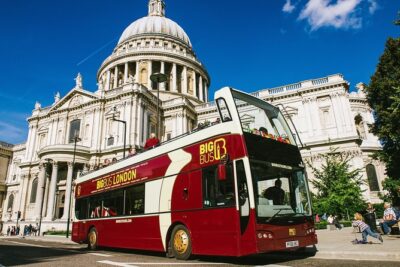
London Big Bus Hop-On Hop-Off Tour with Optional River Cruise
Read our review →
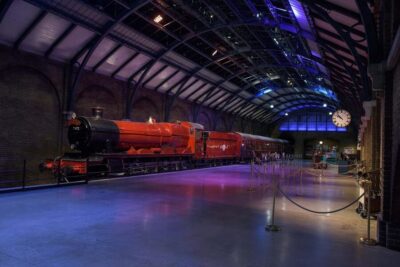
Warner Bros. Studio Harry Potter Tour with Transfers
Read our review →