
Reviewed · JACK THE RIPPER TOURS
London Jack The Ripper Guided Walking Tour
Jack the Ripper’s story becomes far more unsettling when you hear it on the narrow East London streets where the crimes took place. This two-hour walking tour links Spitalfields, Brick Lane, and Mitre Square while using old photographs, police files, and newspaper reports to show how Victorian London looked and felt.
I like the way the guides give attention to the five victims, not just the killer. I also like the historical setting: the tour connects the murders with local buildings, poverty, policing, and everyday life in Whitechapel, rather than treating the case as a simple horror story. The main drawback is that some original crime scenes have disappeared beneath modern buildings, and a group of up to 36 can make narrow streets and guide commentary harder to manage.
In This Review
- Key points at a glance
- Why this East London walk works
- Starting at Aldgate East and Spitalfields Market
- Under the spire of Christ Church Spitalfields
- Brick Lane and the streets of 1888
- Mitre Square and the final scene
- The evidence, not just the legend
- The guides make or break the evening
- Timing, walking effort, and group size
- Value for the price shown
- Who should book this walk?
- Should you book the Jack the Ripper walking tour?
- FAQ
- Where does the Jack the Ripper walking tour start?
- Where does the tour finish?
- How long does the walking tour last?
- Which places are included on the route?
- Is the tour suitable for most people?
- What is included with the tour?
- Can I cancel for a full refund?
Key points at a glance
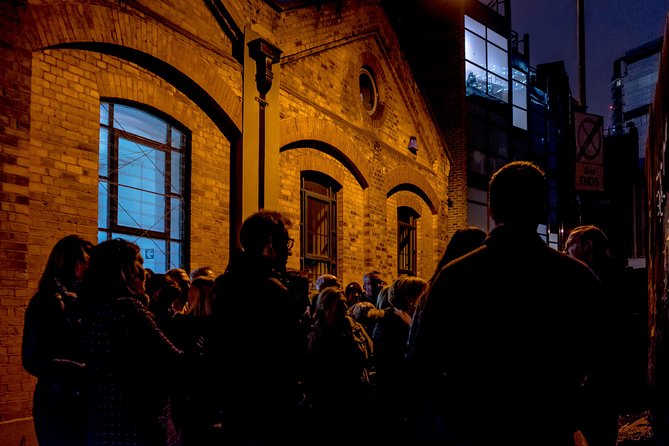
- Follow the case on foot: Start near Aldgate East Station and finish at Mitre Square, close to Aldgate Underground Station.
- See three important areas: Spitalfields Market, Christ Church Spitalfields, and Brick Lane form the main route.
- Use period evidence: Your guide can show original location photographs, police reports, and press accounts from the case.
- Expect a story-led walk: Guides including Jeremy, Angie, Philip, and Jackie are praised for clear storytelling, humor, and care with the subject.
- Receive a 194-page ebook: The digital book gives you extra reading after the walk.
- Plan for a sizeable group: The maximum is 36 people, so arriving early and staying close to the guide matters.
Why this East London walk works
Jack the Ripper tours can easily become a parade of sensational details. This one has a better chance of giving you a fuller picture because the route includes the victims, the police investigation, the suspects, and the social setting of 1888.
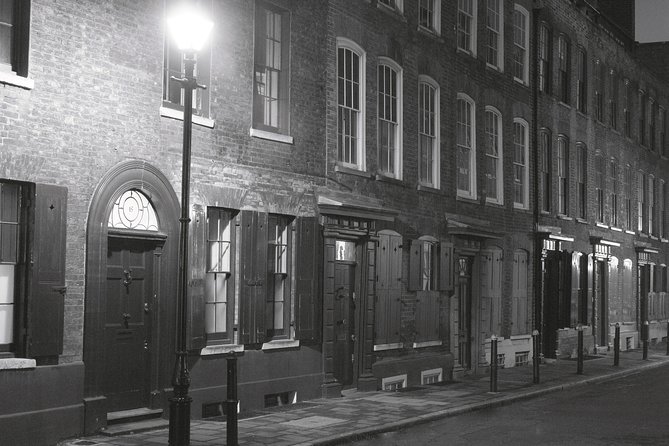
The guide leads you through streets that still preserve much of the old street pattern and some sturdy eighteenth-century houses. You are not simply shown a plaque and sent on your way. The original images help you compare the modern streets with the alleys, courtyards, and buildings that appeared in police and press accounts.
The guides also bring different strengths. Jeremy is praised for managing groups well, including families with younger members, while Angie is known for long-standing enthusiasm for the case and detailed storytelling. Philip uses light humor to keep the evening from becoming oppressive, and Jackie is described as passionate and well prepared. Your guide will vary, but the best part of the experience depends heavily on this person’s delivery.
The subject is grim, so tone matters. The strongest approach is to present the murders with care, explain the lives of the women involved, and avoid making the killer the only character who matters. This walk appears designed to do that.
More Ripper walks in the East End:
- London: The Original Jack the Ripper Walking Tour
★ 4.7 · 7,833 reviews - London Jack the Ripper Guided Tour with Ripper-Vision
★ 4.5 · 4,840 reviews - London: Jack the Ripper Small Group Tour
★ 4.7 · 3,159 reviews
Starting at Aldgate East and Spitalfields Market
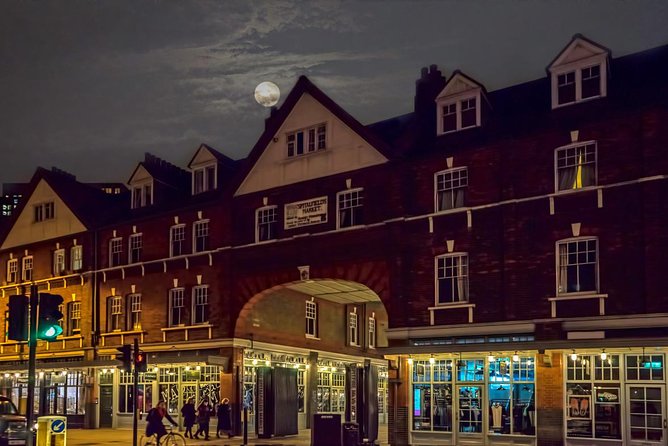
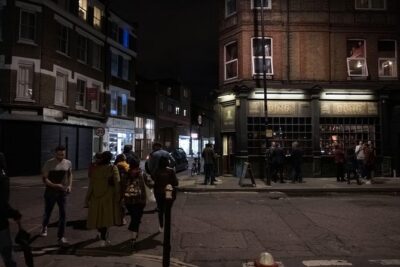
The meeting point is Aldgate East Station in London E1. From there, the route moves into the historic Spitalfields area, where the guide sets up the story of the murders and the police search for the killer.
Spitalfields Market is more than a convenient starting point. It places you in an area that has changed greatly while retaining pieces of its older street plan. Your guide uses the neighborhood to explain where the murders occurred, how the police investigation unfolded, and why the case became such a powerful public mystery.
You can expect the first part to establish the main suspects and the known facts. This is useful if you arrive with only a general idea of the case, and it can also help you sort fact from the many theories that have grown around it.
The route is on foot, so you see distances and connections in a way a bus tour cannot provide. Narrow passages, changing street widths, and the position of old buildings become part of the evidence. You begin to understand how quickly someone could move through the district and how difficult it was for police to control it in 1888.
One practical point: the tour starts in an active part of East London, and the group may gather near busy streets. Keep your phone ticket ready and stay alert for the guide’s instructions once the walk begins.
Under the spire of Christ Church Spitalfields
The tour pauses at Christ Church Spitalfields, where the church’s tall spire dominates the surrounding streets. The guide uses this landmark to give you a sense of the old district’s scale and appearance.
In 1888, the church would have been an unmistakable reference point. Today, it still helps you picture the neighborhood as a collection of streets organized around major buildings rather than as a modern grid of shops, offices, and transport routes.
This stop is brief, about eight minutes, but it adds useful visual context. It is not a museum visit or a long interior tour. The value comes from looking outward across the area and connecting the church with the streets below.
You may also appreciate the architectural material here. The walk does not treat buildings as decoration. The guide points out how the older structures and street layout shaped the setting for the crimes. That broader view makes the tour more than a sequence of murder locations.
Brick Lane and the streets of 1888
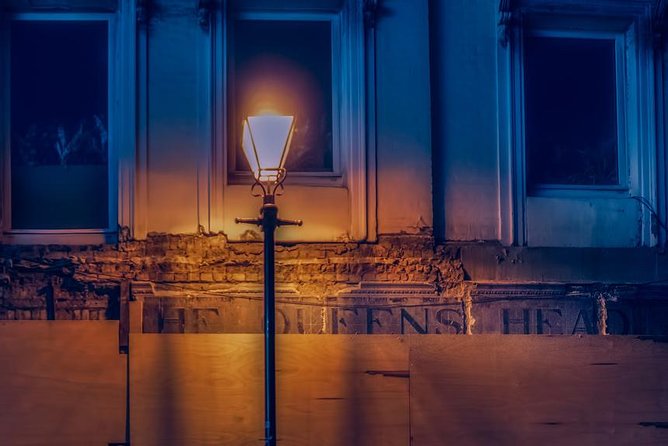
The walk continues toward Brick Lane, with about 25 minutes spent exploring the surrounding streets. The sturdy eighteenth-century houses here have changed less than many other parts of East London, so this is one of the better sections for imagining the district at the time of the murders.
Brick Lane gives the tour a stronger sense of place. You can look at the buildings, alleyways, and street connections while hearing how the area served as the backdrop to the Ripper investigation. The modern neighborhood is not identical to Victorian Whitechapel, but enough older fabric remains to make the comparison worthwhile.
This is also where the guide can connect the case to ordinary life. The murders did not happen in an empty historical theater. They took place in a poor, crowded district where people worked, slept, drank, walked, and tried to get by. Understanding that setting gives the victims more dignity and makes the police failures and public fear easier to grasp.
The guide may use original photographs at this point to show what has changed. That comparison is one of the tour’s strongest tools. Instead of asking you to imagine everything from scratch, it gives you a visual reference for buildings and streets that once looked very different.
Brick Lane is still an active urban area. You will need to pay attention to foot traffic, road crossings, and the position of the group. A large party can be awkward in tight spaces, and one person specifically found a group of roughly 30 to 35 difficult to maneuver. The guide may need to raise their voice, so staying near the front is sensible.
More London walking tours:
- Magical London: Harry Potter Guided Walking Tour
★ 4.7 · 22,044 reviews - Tour for Muggles The Ultimate Harry Potter Walking Tour in London
★ 5.0 · 4,684 reviews - London: Harry Potter Movies Walking Tour (Kids Go Free)
★ 4.7 · 3,071 reviews - Changing of the Guard Guided Walking Tour in London
★ 5.0 · 1,793 reviews
Mitre Square and the final scene
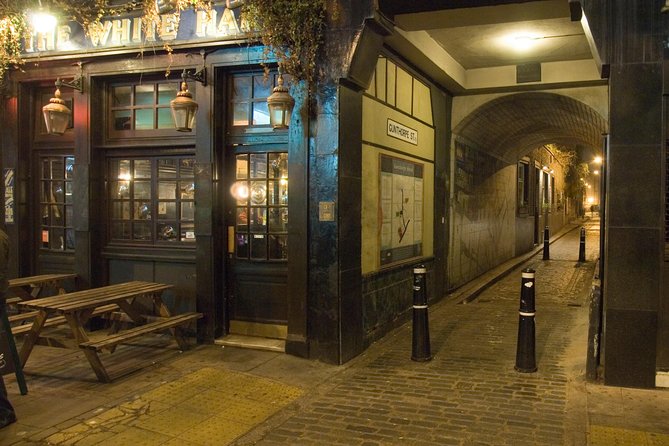
The tour ends at Mitre Square, London EC3A 5DE, near Aldgate Underground Station. Finishing here is practical because you can continue your evening from a central transport point rather than retracing the full route.
Mitre Square also gives the walk a clear ending. By this stage, you have heard about the victims, the police work, the suspects, and the press frenzy. The final stop allows the guide to bring those threads together and explain why the case remains unsolved.
The end point is not a preserved crime scene in the sense of a museum. Modern London has altered parts of the area, and some original locations no longer survive. That can disappoint if you expect every stop to look exactly as it did in 1888.
Still, the absence of original buildings is part of the lesson. The guide’s old photographs and reports help fill in what the modern street cannot show. You get a more honest view of historical sightseeing: some places survive, some are altered, and some exist mainly through records and memory.
The evidence, not just the legend
The tour includes original photographs of the locations as they appeared around the time of the murders. This material gives the walk a stronger base than a guide relying only on storytelling.
You can also peruse police and press reports. These documents show how information moved through Victorian London and how quickly speculation became part of the public story. They help you see the difference between evidence, rumor, and later theory.
That distinction is important with Jack the Ripper. The case has attracted countless suspects and explanations. A good guide needs to separate what is documented from what is merely possible, and the supplied material gives the discussion something solid to work from.
You will have opportunities to ask questions and discuss the case with the guide and the rest of the group. If you enjoy true crime, this makes the walk more useful than a fixed speech. You can ask about suspects, police methods, press coverage, or the treatment of the victims and receive an answer in the context of the route.
The free 194-page ebook adds value. You receive a link after the tour, giving you a substantial way to continue reading rather than leaving with only a few dramatic anecdotes. If you want to compare theories later, the ebook is a good reason to keep the booking details and download it soon after the walk.
The guides make or break the evening
The most consistent strength of this experience is its guides. Jeremy is repeatedly praised for being entertaining, well organized, and good with mixed-age groups. He also handles questions well and brings energy to a difficult subject without losing sight of the facts.
Angie is described as deeply committed to the case and especially strong at telling the story of the period. Her enthusiasm can be a real benefit if you want a guide who treats the subject as a serious field of study rather than a quick ghost-story routine.
Philip is noted for using humor carefully. That matters because two hours of murder details can become exhausting. Light moments can keep the group attentive, as long as they do not make the victims seem like props.
Jackie is also praised for passion and preparation. You cannot choose a specific guide from the information provided, so treat these names as examples of the tour’s guide team rather than a promise about your departure.
The guide’s style will shape your experience more than any single street corner. Ask questions, stay close, and tell the guide if you cannot hear. On a large departure, your position in the group can make a real difference.
Timing, walking effort, and group size
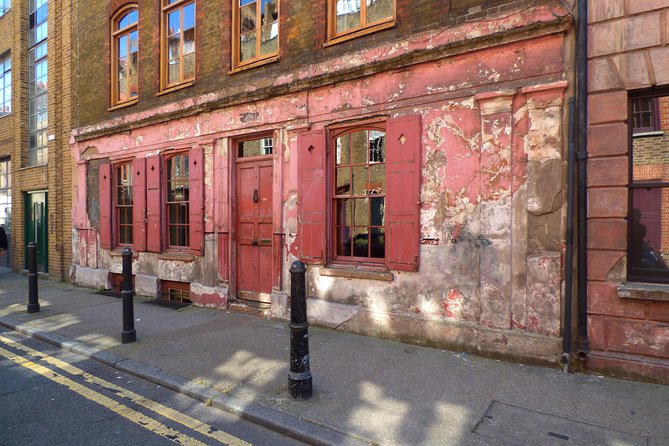
The tour lasts about two hours. It is not described as a strenuous walk, and one account specifically notes that the distance was manageable. Even so, you are on your feet for the full experience and may spend time standing while the guide explains each location.
A two-hour evening walk can feel long after a full day of sightseeing. One family found the duration tiring after spending the day touring London. I would book this earlier in your trip or place it on a lighter sightseeing day if you know your feet are likely to protest.
The maximum group size is 36. That is not a small private walk, and you should not expect the quiet pace or easy conversation of a group of eight. A large group can also block a narrow pavement, make it harder to see the guide’s photographs, and force the guide to project their voice.
The upside is that the walk remains social. You have people around you who may ask questions and add different theories to the discussion. Still, arrive ready to stay near the guide, especially at busy corners and during transitions between stops.
The tour offers a mobile ticket, and confirmation is sent at booking. Travel to and from the starting point is not included. The route finishes close to Aldgate Underground Station, which makes the return journey simple, but you should budget separately for your London transport.
Value for the price shown
The listed price is $0.00, so the tour is presented as a free experience. At that price, the inclusion of a live guide, original images, police and press material, and a 194-page ebook gives it unusually strong value.
You should still read the final booking details carefully, since prices and availability can change. Based on the information provided, there is no separate charge stated for admission to the three stops, and travel costs are the main expense not included.
The value also depends on your interest. If you already know every suspect, theory, and location, the guide’s presentation and period documents will need to offer something new. If you are curious but not an expert, the walk gives you a clear framework and lets you experience East London at street level.
A free walk with a group of up to 36 will not feel private or highly tailored. Yet the route, source material, and ebook make it more substantial than a casual stroll with a few spooky stories.
Who should book this walk?
I would choose this tour if you enjoy true crime, Victorian London, urban history, or guided walks that connect buildings with events. It works particularly well for first-time visitors who want a focused evening activity in East London without giving up half a day.
Families can join, and most people can participate, but the subject matter is disturbing. Younger children may find the murder details too grim even if the guide keeps the tone lively. The experience is better for anyone who wants context and discussion rather than a sanitized sightseeing stop.
It also suits repeat visitors to London. You may have seen Brick Lane or Spitalfields before, but the guide gives you a new way to read the streets. The architecture and old photographs are useful even if the criminal case is not your main reason for coming.
You should think twice if you dislike standing in groups, need a quiet private tour, or expect every murder site to remain intact. Modern construction has erased or altered parts of the route, and the largest departures may be hard to hear.
Should you book the Jack the Ripper walking tour?
Book it if you want a fact-based East London walk with a strong story, period documents, and attention to the victims. The guides appear to be the main draw, with Jeremy, Angie, Philip, and Jackie each bringing energy, humor, or special interest to the subject.
Set your expectations correctly. You are not entering a preserved Victorian crime scene, and a group of up to 36 can feel crowded. But the route through Spitalfields, Christ Church, Brick Lane, and Mitre Square gives the case a real physical setting, while the ebook lets you keep exploring afterward.
For the price shown, the mix of live interpretation, original material, and a substantial ebook is hard to dismiss. If you can handle the dark subject and plan for two hours on foot, this is a practical and worthwhile way to see a less familiar side of London.
FAQ
Where does the Jack the Ripper walking tour start?
The tour starts at Aldgate East Station in London E1, UK.
Where does the tour finish?
It finishes at Mitre Square, close to Aldgate Underground Station.
How long does the walking tour last?
The tour lasts approximately two hours.
Which places are included on the route?
The route includes Spitalfields Market, Christ Church Spitalfields, and Brick Lane, before finishing at Mitre Square.
Is the tour suitable for most people?
Yes. Most people can participate, and service animals are allowed. The experience takes place on foot and lasts about two hours.
What is included with the tour?
The tour includes an expert guide, original photographs of the locations, police and press reports, opportunities to ask questions, and a link to a free 194-page ebook.
Can I cancel for a full refund?
Yes. You can cancel at least 24 hours before the experience start time for a full refund. Cancellations or changes made within 24 hours are not accepted for a refund.
Latest arrivals on the London list
- Heathrow Airport to London Arrival Transfer★ 4.5 · 50 reviews
- London Beatles Tour★ 5.0 · 50 reviews
- One Way Taxi Transfer from London to Gatwick Airport★ 5.0 · 51 reviews
- London: Hidden Baker Street Tube Station Tour★ 4.7 · 51 reviews
- City & Secrets: Explore London’s Hidden Gems★ 5.0 · 51 reviews
- London Christmas Lights Open-Top Bus Tour. 2025 Early Bird★ 3.6 · 51 reviews
- 4 hour London Private Tour, with your own Black Cab Tour Guide★ 5.0 · 51 reviews
- The Beatles Magical History Black Taxi Tour London★ 5.0 · 51 reviews
Jack the Ripper Tours, compared.
London Jack the Ripper Guided Tour with Ripper-Vision
Read our review →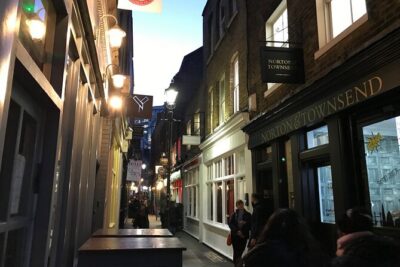
German Language : Original Jack the Ripper Tour
Read our review →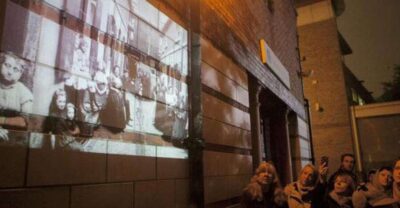
Jack the Ripper Walking Tour – Ripper Vision Tours
Read our review →
Ultimate Jack the Ripper : Guided Tour of London
Read our review →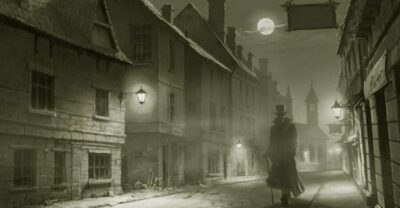
Browse the lists this tour appears in