
Reviewed · CHURCHILL WAR ROOMS & WWII TOURS
London: London in WW2 and Churchill War Rooms Entrance
The best part of this experience comes when Westminster’s grand streets give way to Churchill’s underground War Rooms, the preserved command center where Britain’s wartime leaders worked below street level. I like the way the tour first explains the monuments above ground, and I like the small groups of 15 or fewer, which make it easier to hear the guide.
You also get a useful blend of sights and substance: Big Ben, Downing Street, the Cenotaph, and Whitehall provide the setting, while guides such as Babs, Nathan, Richard, and Jeremy bring in the personal stories. The main drawback is that the second half is self-guided, and an afternoon start may leave you with less time than you want inside the museum.
In This Review
- Key points to know before booking
- Starting beneath Big Ben’s shadow
- Westminster Abbey, Parliament, and the wartime city
- The Cenotaph and Whitehall’s wartime meaning
- Downing Street and Churchill’s public role
- Entering the preserved Churchill War Rooms
- How the three-hour format works
- Is $96 a fair price?
- Who should book this Westminster tour?
- Should you book it?
- FAQ
- Where does the tour meet?
- How long does the experience last?
- Is the tour guided inside Churchill’s War Rooms?
- What landmarks does the walking tour pass?
- Are private tours available?
- Is the tour suitable for wheelchair users?
Key points to know before booking
- The walking route links famous Westminster sights to wartime events, including Parliament, Westminster Abbey, Whitehall, Downing Street, and the Cenotaph.
- Churchill’s War Rooms are entered after the walk, with an audio guide for independent exploration.
- Guides Babs and Nathan receive especially warm praise for storytelling, while Richard, Jeremy, and Paul are also noted for energy and strong subject knowledge.
- The group size is capped at 15 people, with private tours also available.
- The route is short but packed with wartime context, rather than a long march across central London.
- You need comfortable shoes and light luggage, since large bags and baby strollers are not allowed.
Starting beneath Big Ben’s shadow
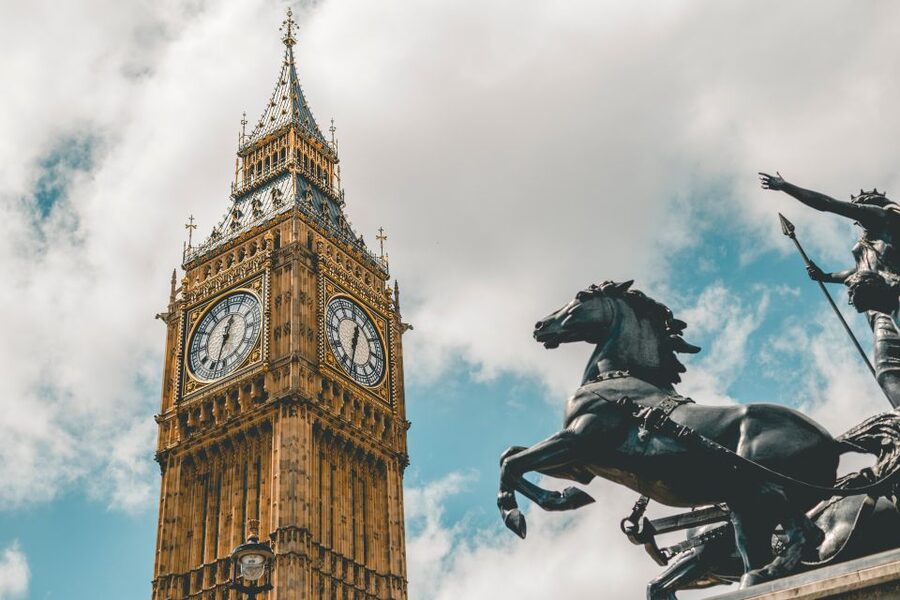
Meet your guide beside the Boadicea and Her Daughters Statue outside Westminster Station, using Exit 2 for Victoria Embankment. At street level, look for the guide holding an orange Urban Saunters sign.
This meeting point is practical, but Westminster Station has several exits, so follow the signs carefully. Exit 2 is the important detail. Arriving a few minutes early gives you time to find the statue without rushing.
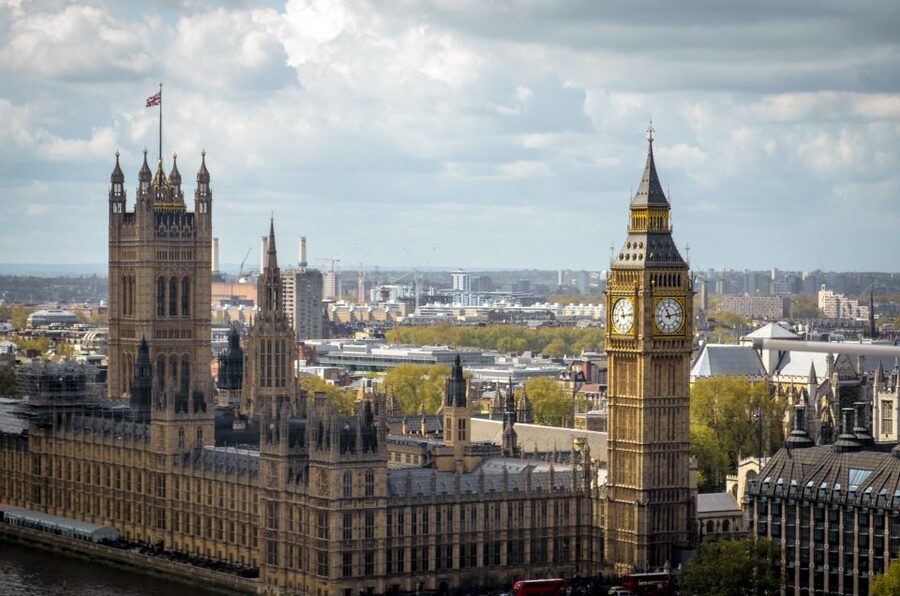
The opening idea is simple and effective: take the familiar sights of Westminster and see them through the tense years of the 1940s. Big Ben, now a symbol of London, is presented in a period when its chimes were silenced. Air raids came at night, food was rationed, and daily life was shaped by restrictions and uncertainty.
I like this approach because it gives the War Rooms a setting. You are not simply walking into an underground museum to look at old desks and maps. First, you see the government district above ground and consider how the people working there made decisions while bombs fell across London and British forces fought overseas.
The route does not cover a huge amount of ground. That is useful if you want a focused introduction and do not fancy a long walking tour. The trade-off is that this is not a broad tour of wartime London. Its attention stays on Westminster and the people, buildings, and memorials connected to national leadership.
More wartime history visits:
- Westminster 3 Hour Walking Tour and Visit of Churchill War Rooms
★ 5.0 · 967 reviews - WW2 London Walking Tour & Churchill War Rooms Entrance Ticket
★ 4.5 · 933 reviews - London: Westminster WW2 Tour & Churchill’s War Rooms Ticket
★ 4.5 · 925 reviews
Westminster Abbey, Parliament, and the wartime city
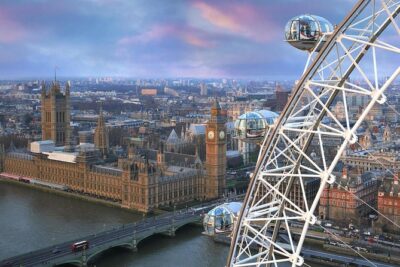
The walking portion passes major landmarks including the Houses of Parliament and Westminster Abbey. These famous buildings are easy to admire without thinking about their wartime role, so the guide’s commentary adds useful context to places you may otherwise photograph and pass.
You will also hear about the atmosphere of wartime London: air raid sirens, blackouts, rationing, and the pressure placed on civilians. The strongest guides do not treat the period as a string of dates. They connect national decisions with ordinary people and with the men and women who served in Europe and beyond.
That human angle is a major reason to choose a live walking tour instead of going straight to the museum. Guides including Nathan and Babs are praised for telling stories about individuals, not only about Churchill himself. Nathan, in particular, is known for combining facts with personal stories and sentiment, including accounts connected to the Battle of Britain.
The format should suit families with mixed interests. A child or teenager may respond to the wartime setting, sirens, and underground command center, while adults can follow the political and military context. The style of the guide matters here. Babs is described as lively and interactive, while Nathan is often praised for humor, clear delivery, and the ability to hold a group’s attention.
Of course, a live guide is not a guarantee of the same experience every day. The actual guide can vary, but the named guides associated with this tour include Babs, Nathan, Richard, Jeremy, Peter, and Paul. Their approach may differ, so expect the subject and route to remain consistent while the storytelling style changes.
The Cenotaph and Whitehall’s wartime meaning
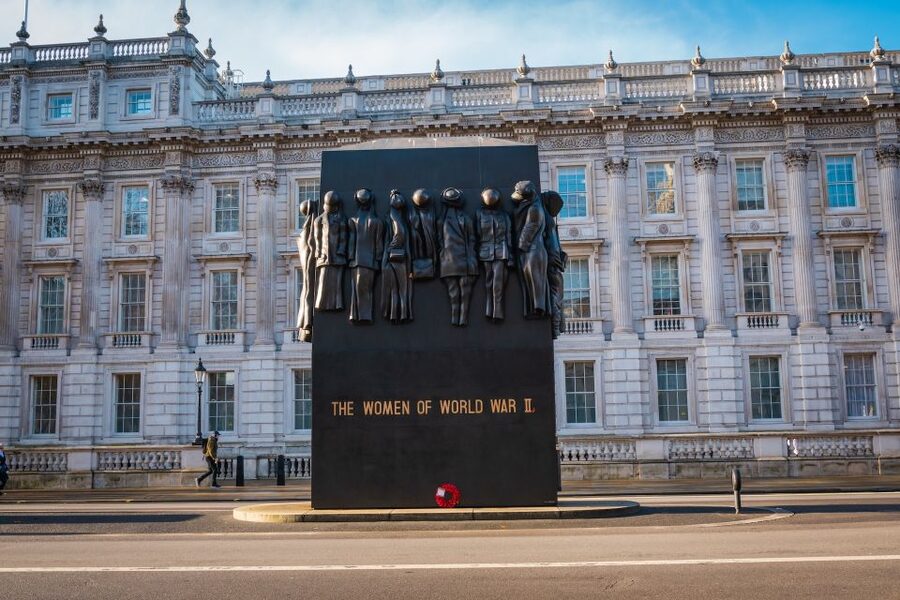
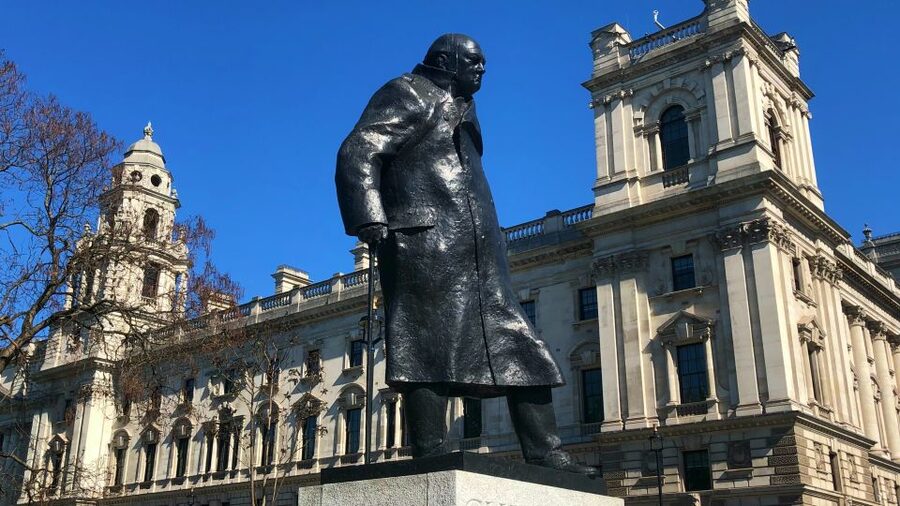
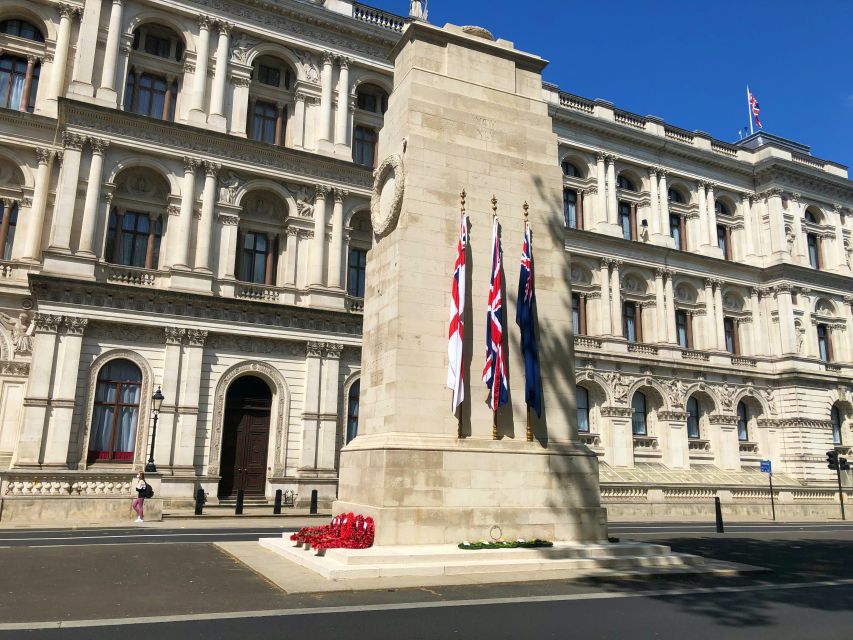
The Cenotaph is one of the most important stops on the walk. It is more than a photo stop. The memorial gives the guide a natural place to discuss sacrifice, remembrance, and the human cost behind official speeches and military decisions.
This part of the route is especially valuable if you know the broad outline of the Second World War but want more connection between the names, monuments, and events. One guide may focus on the Battle of Britain, another on Churchill’s public role, and another on the people who worked around him. The result is a fuller picture of wartime leadership.
The Ministry of War and Whitehall continue the same theme. You see the government quarter where decisions were made, then learn how those decisions fit into a country under attack. The walk is compact, but it carries a lot of information.
That density can be a strength or a weakness. I like it when a short city walk gives you a clear subject rather than padding the route with unrelated sights. But if you prefer a slow, leisurely walk with long pauses for photographs, this tour may feel brisk. The guides are there to explain, not simply to escort you from one landmark to the next.
Downing Street and Churchill’s public role
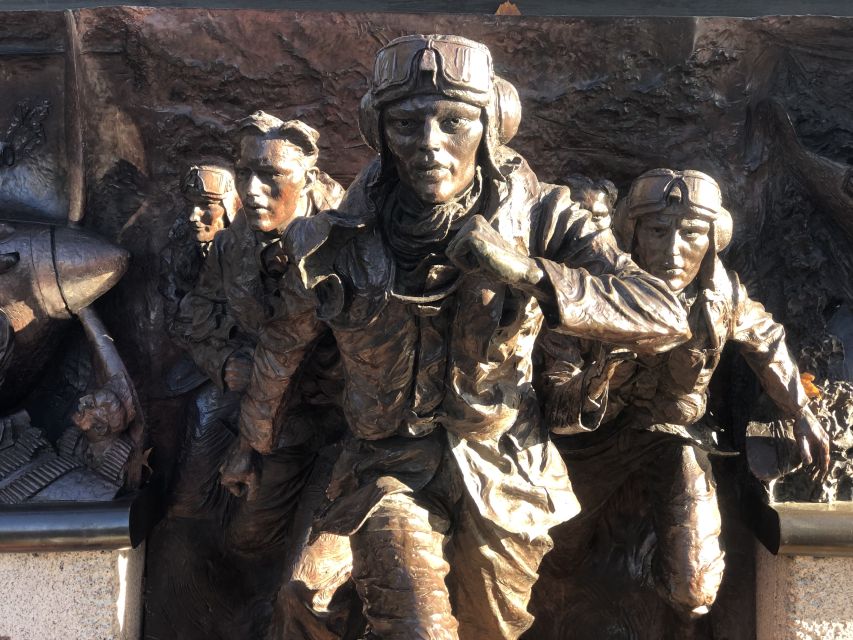
The stop near 10 Downing Street adds a political dimension. Churchill’s leadership was not limited to the bunker. His public voice, speeches, decisions, and relationship with the British population are central to the way the tour presents him.
The guide helps separate the famous image of Churchill from the working politician and wartime administrator. That distinction matters. You may already know the familiar photographs and speeches, but the walking commentary aims to show the pressures behind them and the people who worked alongside him.
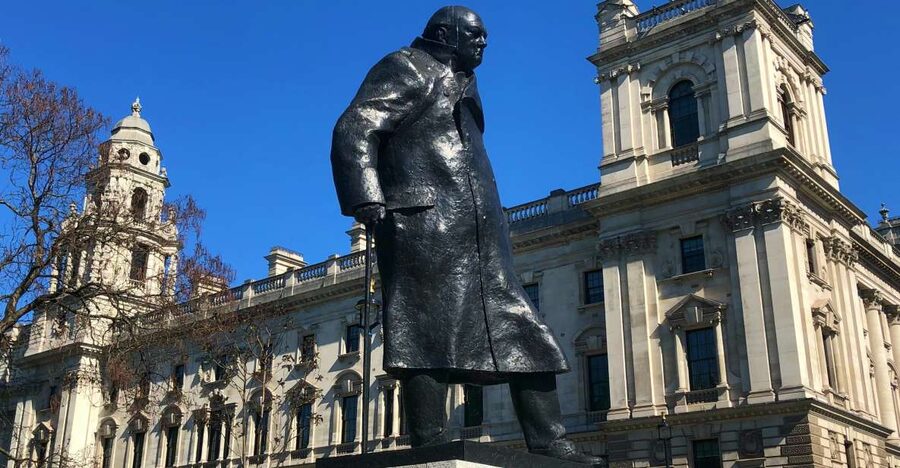
Several guides are praised for making Churchill feel like a real person rather than a statue. Babs brings enthusiasm and a clear affection for the subject. Nathan is noted for wit and strong narrative skill. Richard is described as warm, engaging, and eager to educate people about Churchill. Those qualities are important because Churchill can easily become a larger-than-life figure with little room for nuance.
The tour is not presented as an academic seminar, and you should not expect a detailed debate over every aspect of Churchill’s career. It is a guided introduction designed to prepare you for the War Rooms. For most visitors, that is the right level: enough background to understand the displays, without requiring a prior specialist interest.
Something completely different for your London days:
- London: The London Eye Entry Ticket
★ 4.6 · 35,875 reviews - From London: Harry Potter Warner Bros Studio Tour
★ 4.7 · 26,588 reviews - London: Westminster to Greenwich River Thames Cruise
★ 4.5 · 22,836 reviews - Magical London: Harry Potter Guided Walking Tour
★ 4.7 · 22,044 reviews
Entering the preserved Churchill War Rooms
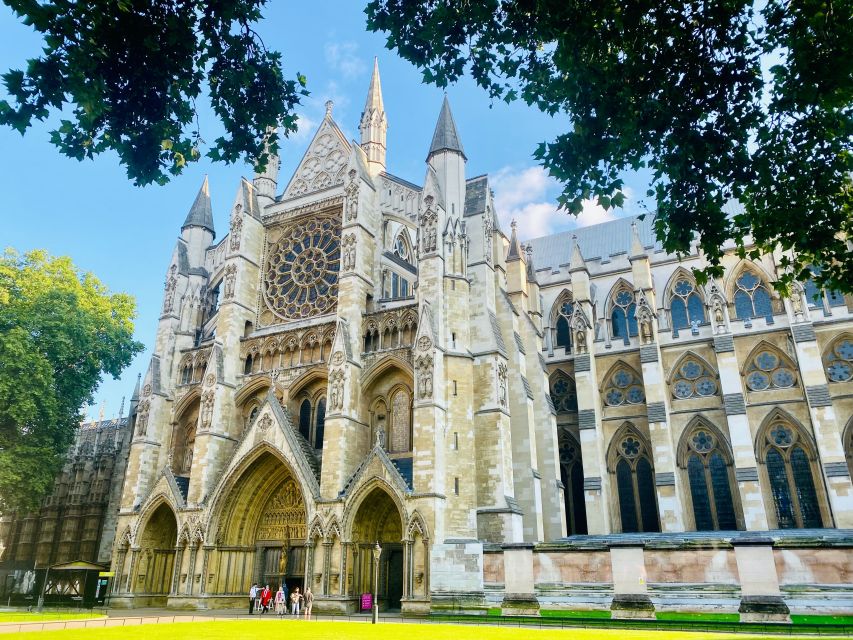
After the Westminster walk, you say goodbye to your live guide and enter Churchill’s War Rooms. From this point, you explore independently with an audio guide.
The bunkers are the heart of the experience. This underground network was used by Winston Churchill and his cabinet as they directed Britain’s part in the Second World War. The rooms are preserved and presented as a place frozen in time, which gives the visit a more direct quality than a standard museum gallery.
You can expect corridors, working spaces, and rooms connected with wartime planning and government activity. The value lies in the setting. Above ground, Westminster is formal and monumental. Below ground, the War Rooms reveal the cramped, practical world where people worked under pressure.
The audio guide lets you move at your own pace. You can pause, listen again, and spend longer with displays that interest you. This is a good contrast with the first half, where the guide controls the pace and keeps the group together.
There is one clear limitation: the second half is not led in person. The audio guide is informative and interactive, but it does not respond to your questions or adjust its pace to your interests. One visitor also found the museum crowded at times, making it harder to examine exhibits carefully. That is worth keeping in mind, especially if you prefer quiet museum visits.
The War Rooms can also take longer than the allotted visit if you want to hear every presentation and study every display. An afternoon tour start may leave you with only a few hours in the museum, so check the starting time before you book. If this is your main London activity for the day, plan to continue at your own pace after the walking portion rather than trying to squeeze in another major attraction.
How the three-hour format works
The full experience lasts three hours, but the time is divided between two different styles of sightseeing. The first part is a guided walk through Westminster. The second is independent exploration inside the War Rooms.
That division is worth understanding before you pay. If you want a guide beside you in the bunker, this is not the right format. If you like receiving context first and then exploring alone, it works well.
A small group of 15 or fewer is another practical advantage. Westminster can be noisy, and a large crowd makes it harder to hear stories beside busy roads and public buildings. A smaller group also gives you a better chance to ask a question or keep up with the guide.
Private tours are available for people who want a more personal format. The shared option should suit most visitors, particularly solo visitors and couples who want a social experience without joining a large bus group.
The tour takes place rain or shine. Bring comfortable clothes, water, and an umbrella. Comfortable shoes matter, since the experience includes an outdoor walk followed by time on your feet inside the museum. Large bags, luggage, and baby strollers are not allowed, and everyone must pass through security before entering.
The route is not suitable for wheelchair users or people with mobility impairments. That restriction is important because the experience combines an outdoor walking tour with an underground museum visit, and there is no stated hotel pickup or drop-off.
Is $96 a fair price?
At $96 per person, this is not a cheap introduction to London. Its value depends on how much you want from the live guide.
The admission to Churchill’s War Rooms is included, along with the audio guide, so you are paying for both the museum entry and the Westminster walk. You also get a small group and an English-speaking local guide. For someone already planning to visit the War Rooms, the walking portion adds useful context that would otherwise need to come from a guidebook or separate tour.
I think the price makes the most sense for first-time visitors, people with a strong interest in the Second World War, and anyone who wants a clear three-hour plan in Westminster. It is less appealing if you only want museum admission or prefer to read exhibits silently at your own speed.
The guide is the part that can make or break the value. The best examples come from Babs, Nathan, Richard, Jeremy, and the other named guides, who are praised for humor, emotion, detail, and clear speaking. Several visitors describe the guide as the highlight, while the War Rooms provide the strong second act.
You can also cancel up to 24 hours before the activity for a full refund and reserve without paying immediately. Those terms are useful when your London schedule is still shifting, but they do not change the central price question: you are paying for interpretation, not just access.
Who should book this Westminster tour?
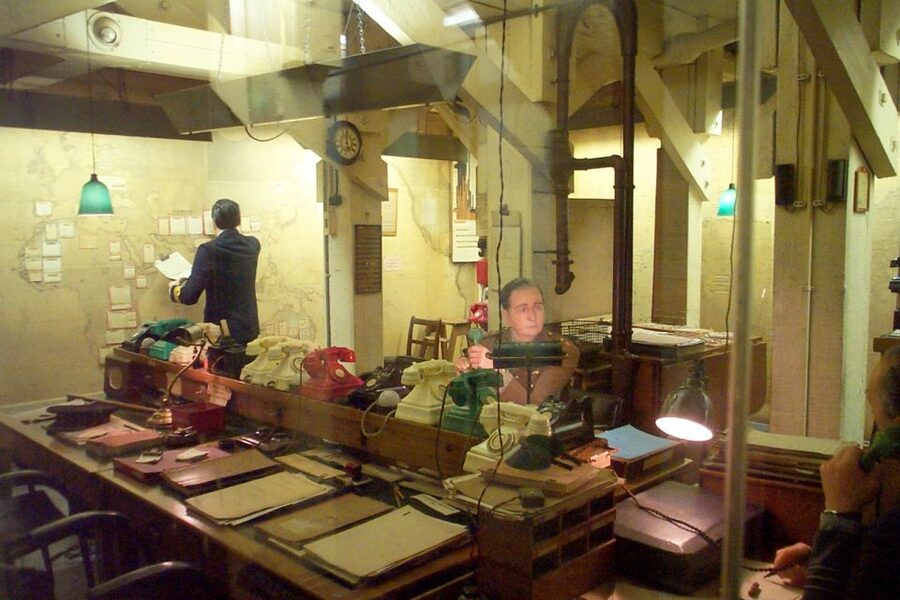
I would choose this experience if you want the major Westminster sights tied to a single subject. It suits you especially well if Churchill, wartime Britain, political history, or memorials interest you.
Families can also make good use of it. The mix of outdoor landmarks, underground rooms, personal stories, and audio content gives different age groups something to follow. The guides are used to keeping the material lively, and the strongest ones add humor without losing respect for the subject.
You may want another option if you dislike walking in bad weather, have mobility concerns, carry luggage, or want a fully guided museum visit. You should also avoid booking too late in the day if you want enough time to see the War Rooms at a relaxed pace.
Should you book it?
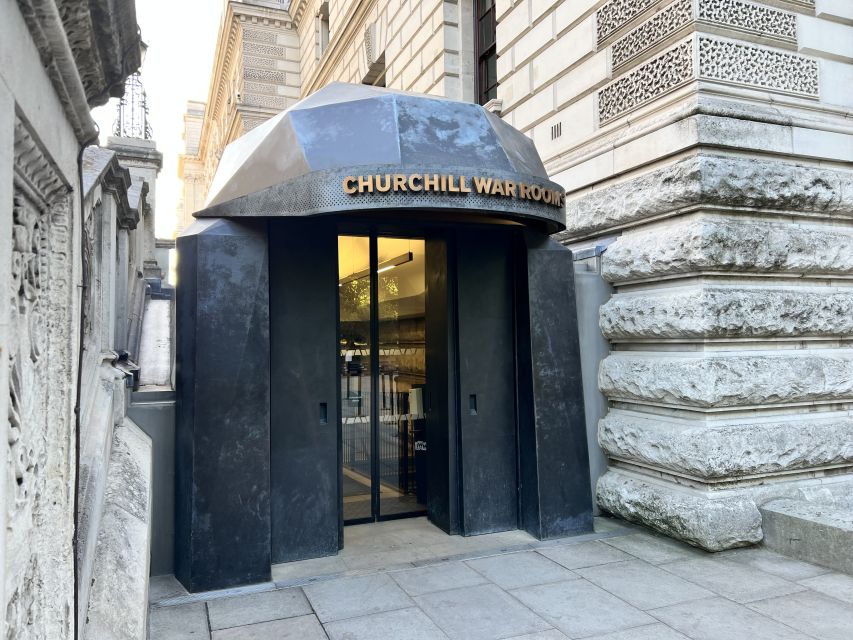
Book this tour if you want the War Rooms to mean more than a collection of preserved rooms. The Westminster walk explains the monuments, political setting, and wartime pressure first, then the bunker visit gives you a place to see that story in physical form.
The best reason to choose it is the live guide. Babs and Nathan receive particularly strong praise for passion, wit, and storytelling, while Richard and Jeremy are also noted for clear, energetic presentations. Since guide quality is central, this works best for people who enjoy spoken history and personal stories.
Skip it if you only want to wander quietly through the museum or need an accessible route. For most history-minded visitors who can manage the walk, the $96 price is reasonable because it combines entry, a focused Westminster route, and a small-group guide who can bring the wartime setting to life.
FAQ
Where does the tour meet?
Meet the guide beside the Boadicea and Her Daughters Statue outside Westminster Station, Exit 2. Follow signs for Exit 2, Victoria Embankment, then take the stairs to street level. The guide will be holding an orange Urban Saunters tour sign.
How long does the experience last?
The experience lasts three hours. Check the available starting times when booking, since a later start may leave you with less time to explore the War Rooms.
Is the tour guided inside Churchill’s War Rooms?
The Westminster portion has a live English-speaking guide. Inside the War Rooms, you explore at your own pace with an audio guide.
What landmarks does the walking tour pass?
The route includes the Houses of Parliament, Westminster Abbey, the Cenotaph, the Ministry of War, 10 Downing Street, and Whitehall.
Are private tours available?
Yes. You can book either a shared small-group tour or a private tour. Shared groups are limited to 15 people or fewer.
Is the tour suitable for wheelchair users?
No. The experience is not suitable for wheelchair users or people with mobility impairments. Baby strollers and luggage or large bags are also not allowed.
Latest arrivals on the London list
- One Way Taxi Transfer from London to Gatwick Airport★ 5.0 · 51 reviews
- Heathrow Airport to London Arrival Transfer★ 4.5 · 50 reviews
- London Beatles Tour★ 5.0 · 50 reviews
- London: Hidden Baker Street Tube Station Tour★ 4.7 · 51 reviews
- City & Secrets: Explore London’s Hidden Gems★ 5.0 · 51 reviews
- London Christmas Lights Open-Top Bus Tour. 2025 Early Bird★ 3.6 · 51 reviews
- 4 hour London Private Tour, with your own Black Cab Tour Guide★ 5.0 · 51 reviews
- The Beatles Magical History Black Taxi Tour London★ 5.0 · 51 reviews
Churchill War Rooms & WWII Tours, compared.
Westminster 3 Hour Walking Tour and Visit of Churchill War Rooms
Read our review →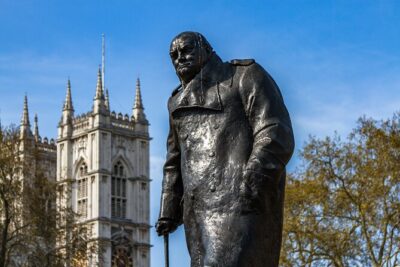
WW2 London Walking Tour & Churchill War Rooms Entrance Ticket
Read our review →
Westminster WW2 Tour & Churchill’s War Rooms Ticket
Read our review →
London in WW2 Walking Tour with Churchill War Rooms Visit
Read our review →
Westminster Tour and Churchill War Rooms Visit
Read our review →
Churchill War Rooms “Behind The Glass” and Private Car Tour
Read our review →
Churchill War Rooms Ticket & Political London Audio
Read our review →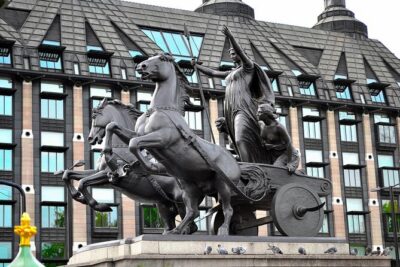
Winston Churchill & London in World War II Walking Tour
Read our review →Browse the lists this tour appears in