
Reviewed · LONDON
London: Spitfire Cockpit Experience
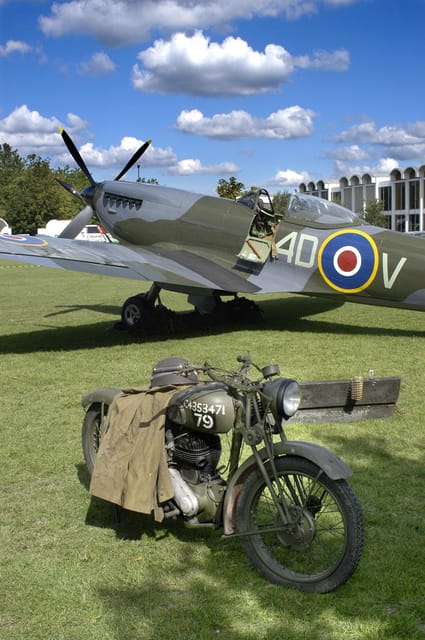
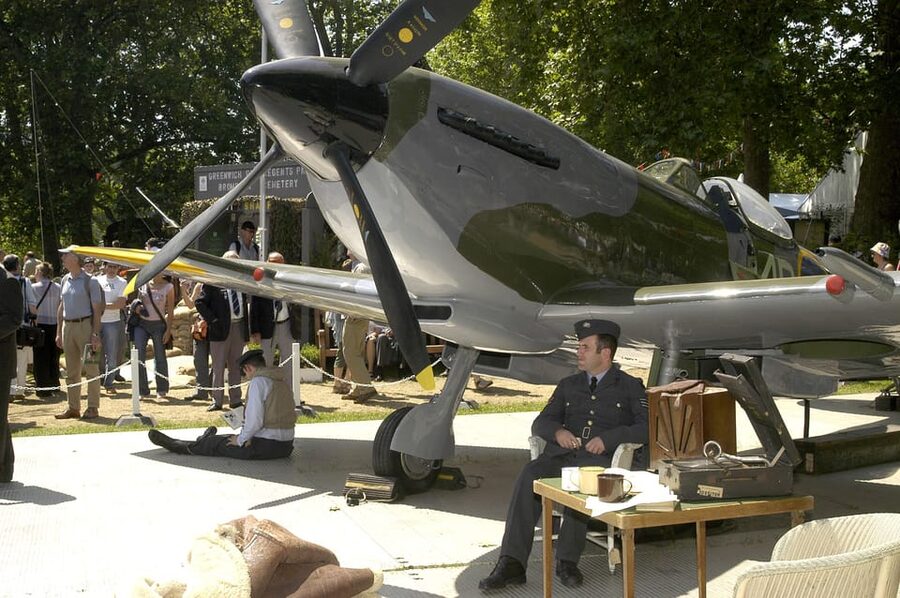
Sitting inside a genuine World War II Spitfire cockpit is the whole point here, and it is a rare chance to get close to the cramped working space of Britain’s famous fighter. You do not just view the aircraft from behind a barrier. You climb into the cockpit, look over its controls, and take photos from the pilot’s seat.
I like the one-person format, since your short session is focused on you rather than a crowd. I also like the clear historical briefing, which connects the controls to the Spitfire’s wartime role and daring missions. The main drawback is the short 15-minute duration, and the cockpit has physical access requirements, so it is not suitable for wheelchair users.
In This Review
- Key points to know before booking
- What you are really paying for at the RAF Museum
- Finding the Spitfire in Hangar 3
- The briefing before you climb in
- Climbing into the real cockpit
- Why the one-person session matters
- What the reviews tell me about the staff
- Making the most of 15 minutes
- Who will enjoy this most
- Booking, cancellation, and practical limits
- My verdict on the Spitfire cockpit session
- FAQ
- Where does the Spitfire Cockpit Experience take place?
- How long does the experience last?
- How much does it cost?
- Is the session private?
- Can I take photographs inside the cockpit?
- Is the aircraft a real Spitfire?
- Is the activity wheelchair accessible?
- What language is the guided session in?
- Is transportation included?
- Can I cancel for a refund?
Key points to know before booking
- You sit inside a genuine Spitfire cockpit: This is hands-on access to the aircraft’s pilot position, not just a standard museum viewing.
- Your session is private and personal: One person receives the guided cockpit access at a time.
- The briefing adds useful context: An English-speaking guide explains the aircraft’s wartime service, design, and controls.
- Hangar 3 is the meeting point: Find the session near the Spitfire Mark XVI and check in at the museum’s Admissions Desk.
- Plan for a 30-minute early arrival: You need time to check in and prepare before the 15-minute session begins.
- Photos are part of the appeal: You can photograph yourself inside the cockpit, though the indoor setting and access ramp may affect the picture.
What you are really paying for at the RAF Museum
The price is about $33 per person. That is not a bargain if you measure the activity by minutes alone. Fifteen minutes passes quickly. But the price makes more sense if you see it as a specialist access experience attached to a major aviation museum visit.
A normal museum admission lets you view aircraft and read about them. This session gives you a place in the cockpit itself. You can look at the instrument area from the pilot’s position, sit where a pilot sat, and take photographs that are impossible from the public floor.
That personal access is the value. You are not paying for a long guided tour or a flight simulator. You are paying for a short, carefully managed moment with an important aircraft.
The session also works well for a parent and child, aviation fan, military-history enthusiast, or anyone looking for a memorable London-area activity with a strong sense of place. The one-person arrangement means the experience is not designed as a group attraction. If several people in your party want to sit in the cockpit, each person needs to understand that the booked session is for one participant.
Other London favourites people book with this one:
- London: The London Eye Entry Ticket
★ 4.6 · 35,875 reviews - From London: Harry Potter Warner Bros Studio Tour
★ 4.7 · 26,588 reviews - London: Westminster to Greenwich River Thames Cruise
★ 4.5 · 22,836 reviews
Finding the Spitfire in Hangar 3
The meeting point is in Hangar 3, near the Spitfire Mark XVI, at the Royal Air Force Museum London, postcode NW9 5LL. The museum itself is in South East England, outside central London, so you need to allow time for the journey and the museum check-in.
Do not arrive just as the session starts. The instructions ask you to check in at the Admissions Desk at least 30 minutes early. That buffer matters because a late arrival can mean losing the session, and missed bookings or late arrivals are not refundable.
After check-in, museum staff prepare you for the activity. The session is in English, and a live guide leads it. The exact guide can vary, though Ashley has led sessions and is noted for friendly, clear explanations and a strong grasp of the subject.
The setting is indoors, in the hangar. This is practical for a museum operation and protects the aircraft from the weather, but it may differ from the outdoor-looking images some people expect. If the setting matters to your photographs, keep this in mind before booking.
The briefing before you climb in
The guide begins by explaining why the Spitfire mattered during the Second World War. The supplied details focus on its role in the war, its technical brilliance, and the daring missions flown by its pilots.
That introduction is important because the cockpit is small and full of unfamiliar controls. Without context, you might simply see a collection of switches, instruments, and panels. With the briefing, you can connect the physical space to the work performed there.
You will hear about the aircraft’s wartime role and get help understanding what you are looking at. The guide’s job is not just to point out features. The session gives you a way to imagine the pressure of operating a fighter from this tight position.
The strongest part of this format is the link between explanation and access. You hear about the aircraft, then step into the place where those decisions and actions took place. That makes the history feel specific rather than distant.
The briefing is also useful if you are not an aviation expert. You do not need to arrive knowing the difference between every instrument. The guide explains the key points in plain English, and the short length keeps the information manageable.
Climbing into the real cockpit
The cockpit is the centerpiece. You enter the pilot’s area and sit among the actual controls and surrounding structure. The experience lets you see the aircraft from a position that ordinary museum viewing does not provide.
Expect the access to require some physical movement. The cockpit has specific access requirements, and the activity is not wheelchair accessible. The information provided does not give a full list of the movements required, so if you have mobility concerns, contact the museum before booking rather than relying on the general description.
Once inside, take a moment before reaching for your phone. Look at the arrangement of the controls. Notice how close everything feels. The cockpit is a working space built around function, not comfort, and that cramped quality is part of what makes the visit memorable.
You will have a chance to photograph yourself inside the cockpit. Since this is a one-person session, the arrangement gives you focused time for the photos rather than competing with a large group. Still, the access ramp can appear in the frame, and the aircraft is inside the hangar rather than outdoors.
That is the main photographic compromise. The sample images may suggest an outdoor display, but the actual session takes place indoors. Lighting and the ramp can make the pictures less polished than a carefully staged exterior shot. The tradeoff is that you get to sit inside the real cockpit, which matters more than a perfect background for most people.
Something completely different for your London days:
- Magical London: Harry Potter Guided Walking Tour
★ 4.7 · 22,044 reviews - London: Madame Tussauds London
★ 4.6 · 20,915 reviews - Stonehenge, Windsor Castle, and Bath from London
★ 4.5 · 18,662 reviews - London: Warner Bros. Studio Tour with Transfers
★ 4.7 · 17,586 reviews
Why the one-person session matters
The private format changes the feel of the activity. You are not taking turns while a large crowd waits behind you. The attention is directed toward one participant, which gives you a better chance to ask questions and focus on the details that interest you.
It also makes the booking less flexible for a couple or family. The session is for one person, and extra participants cannot join the same cockpit access. Friends and relatives can be part of the wider museum visit, but the actual cockpit session is personal.
I would choose the participant in advance. The best choice might be the family member who has always loved aircraft, the person with a strong interest in wartime history, or someone celebrating a special occasion. At $33, it works particularly well as a focused gift rather than an activity where everyone in a large party takes part.
The format also helps preserve the aircraft. A genuine historic cockpit cannot be treated like an open playground. Staff control access, prepare you beforehand, and keep the session limited. That careful approach protects the object while still giving you a rare physical connection to it.
What the reviews tell me about the staff
The strongest praise centers on the guide’s manner and subject knowledge. Ashley is described as friendly, clear, and very well prepared, while the venue is described as clean and well cared for.
That matters in a 15-minute session. There is no time for a slow start or a vague explanation. A good guide needs to get to the point, explain the controls, and help you make the most of your time in the cockpit.
The feedback also points to a consistent strength: the staff make the activity feel welcoming. You do not need to be an aircraft specialist to appreciate the session. Clear explanations help first-time visitors, while the genuine cockpit gives enthusiasts something more direct than a standard display.
The comments also show that the experience can appeal to international visitors. The guide speaks English, and one Japanese visitor found the physical act of entering the actual cockpit deeply meaningful despite limited English. If your English is limited, you may want to focus on the visual and photographic side, but the guided explanation is delivered in English only.
Making the most of 15 minutes
Fifteen minutes is enough for a focused encounter, but not enough for a leisurely museum tour. You should arrive ready to use the time well.
Before entering, decide what you most want from the session. You might want the guide to explain the controls, ask about the Spitfire’s wartime missions, or concentrate on taking photographs. A short session feels longer when you have a clear priority.
Keep your camera or phone ready, but do not let photography take the entire experience. Get the essential cockpit shots first, then spend a few seconds simply looking around. The physical details are easy to miss if you rush from one pose to the next.
If someone from your party is accompanying you, agree beforehand on how you will handle photographs. The activity includes photo opportunities, but the information does not promise a dedicated photographer. Plan to follow the staff’s instructions and use the available assistance.
You should also leave room for the museum itself. The cockpit session is only 15 minutes, while the Royal Air Force Museum provides the wider setting for your aviation visit. The booking is best treated as one special part of a museum outing, not as a full day tour by itself.
Who will enjoy this most
This is a strong choice for an aviation enthusiast who wants physical access to a famous aircraft. It is also well suited to anyone who values personal, guided experiences over a broad sightseeing tour.
History lovers will appreciate the connection to wartime service and the pilots who undertook dangerous missions. Parents may find it a powerful way to make museum history more tangible for an older child, provided the child can meet the cockpit’s access requirements.
It can also suit a visitor with limited time near the museum. The activity itself is short, and the price is moderate compared with many private London attractions. Just remember to add the early check-in time and your transport to the total schedule.
You should think twice if you dislike confined spaces, have difficulty with physical access, or expect an outdoor photo setting. You may also find the price hard to justify if you want a longer guided tour rather than a brief, special access moment.
Booking, cancellation, and practical limits
You can cancel up to 24 hours in advance for a full refund. The reserve-now-and-pay-later option lets you hold a place without paying immediately, which is useful when your London plans are still shifting.
The activity is smoke-free. Transportation to and from the museum is not included, so you must arrange your own way to NW9 5LL.
The cockpit is not wheelchair accessible. This is the most important practical limit, and it should be checked before booking if you have mobility needs. The activity is available in English with a live guide.
My verdict on the Spitfire cockpit session
I would book this if sitting inside a genuine wartime aircraft matters more to you than getting a long tour. The cockpit access, one-person format, photo opportunity, and clear historical briefing create a memorable 15 minutes.
I would not book it expecting a full aviation lesson, a flight simulation, or a large group activity. The indoor setting and access ramp may disappoint if your main goal is a polished outdoor photograph, and the short duration demands an early arrival and a little planning.
For the right person, $33 is fair. You are buying a brief but unusually direct connection to a famous aircraft. Pair it with time at the Royal Air Force Museum, arrive 30 minutes early, and choose the participant who will value the chance most.
FAQ
Where does the Spitfire Cockpit Experience take place?
It takes place at the Royal Air Force Museum London in Hangar 3, near the Spitfire Mark XVI. The postcode provided for the starting location is NW9 5LL.
How long does the experience last?
The guided cockpit session lasts 15 minutes. You should arrive at least 30 minutes before the session to check in at the Admissions Desk and prepare.
How much does it cost?
The listed price is $33 per person.
Is the session private?
Yes. Each session is arranged for one person, and the activity is described as a private group experience.
Can I take photographs inside the cockpit?
Yes. Photo opportunities inside the cockpit are included. The cockpit is inside the hangar, and an access ramp may appear in some photographs.
Is the aircraft a real Spitfire?
Yes. The experience provides access to a genuine Spitfire cockpit at the Royal Air Force Museum.
Is the activity wheelchair accessible?
No. The cockpit has specific physical access requirements and is not wheelchair accessible.
What language is the guided session in?
The live guided session is in English.
Is transportation included?
No. Transportation to and from the Royal Air Force Museum is not included.
Can I cancel for a refund?
You can cancel up to 24 hours in advance for a full refund. Missed bookings and late arrivals are not refundable.
Latest arrivals on the London list
- Easy Access Tower of London Royal Secrets & Scandals Tour★ 5.0 · 3 reviews
- Stonehenge Special Access Guided Morning Tour from London★ 4.5 · 3 reviews
- Shoreditch & East London Walking Tour with a Local, Custom & Private★ 5.0 · 3 reviews
- Madame Tussauds London Fast Track and Champagne Experience★ 3.5 · 3 reviews
- London Private Brixton Tour with a Local – Culture & Stories★ 4.9 · 3 reviews
- Private Full Day Tour – Fast Track Tower of London and Lunch★ 4.6 · 3 reviews
- Private transfer from London Heathrow Airport to Southampton★ 5.0 · 3 reviews
- London Soho District – Guided Walking Tour 12 guests 2,5h★ 4.8 · 3 reviews