
Reviewed · WORKSHOPS
London: Traditional Scone Making Workshop
The best part of this Balham workshop is that you do not just watch a baker make scones. You make the dough, shape the rounds, and learn the small tricks that keep them light. I especially like the hands-on format and the proper finish with jam, clotted cream, and tea. The class also gives you a good choice of classic, cheese, or sultana scones.
The main consideration is the price: $80 per person is fair only if you value a small, social cooking class and a generous batch to take home. Also, confirm your preferred flavor before you go, since one booking did not include the advertised cheese-scone option.
In This Review
- Key points at a glance
- Mixing flour, butter, and English tradition in Balham
- What happens during the 90-minute class
- Jam first or cream first?
- How much food do you take home?
- Why the instructors make a difference
- Balham location and arrival advice
- Best uses for your London itinerary
- Small drawbacks worth knowing
- Booking value and cancellation flexibility
- Should you book the Traditional Scone Making Workshop?
- FAQ
- Where does the scone workshop take place?
- How long does the class last?
- How much does the experience cost?
- What types of scones can I make?
- Are ingredients and equipment provided?
- Do I get to eat the scones during the class?
- Can I take scones home?
- Can I bring wine?
- What should I wear and bring?
Key points at a glance
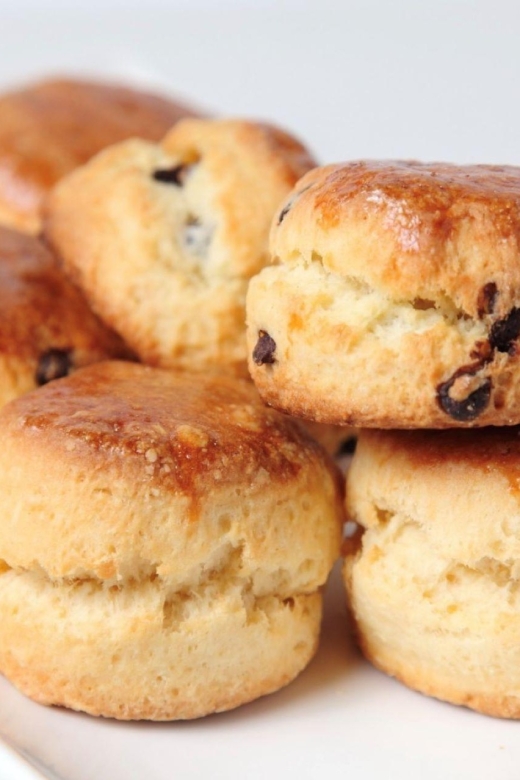
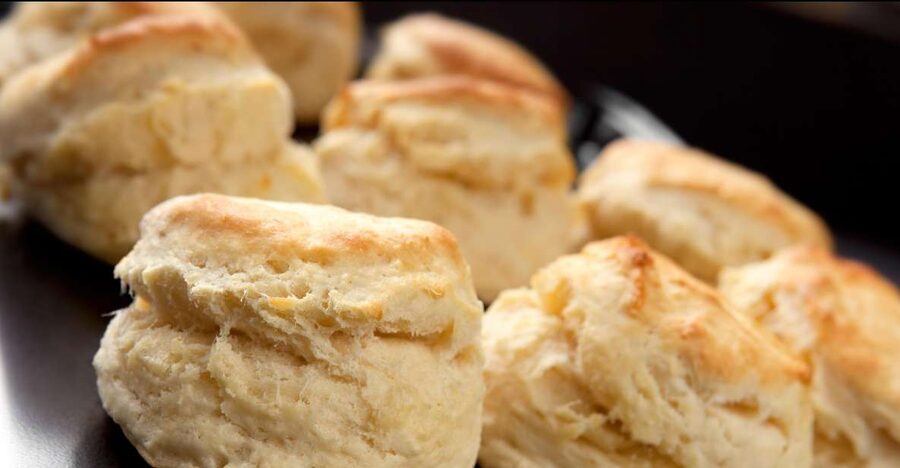
- Choose your scone style: Pick classic, cheese, or sultana, subject to what is available on the day.
- Learn from experienced bakers: Jojo, Lola, and Dora lead a relaxed class, with more than 20 years of teaching experience behind the instruction.
- Finish with a real English tea break: Eat your warm scones with jam and clotted cream, and settle the famous question of which goes on first.
- Take home plenty to share: You leave with a large batch, making this useful for breakfast, a picnic, or gifts.
- Good for mixed ages and skill levels: Beginners, experienced bakers, families, couples, solo visitors, and small groups can all take part.
- A practical London location: The workshop is in Balham, with public transport access and an onsite cafe where you can buy a drink before class.
Mixing flour, butter, and English tradition in Balham
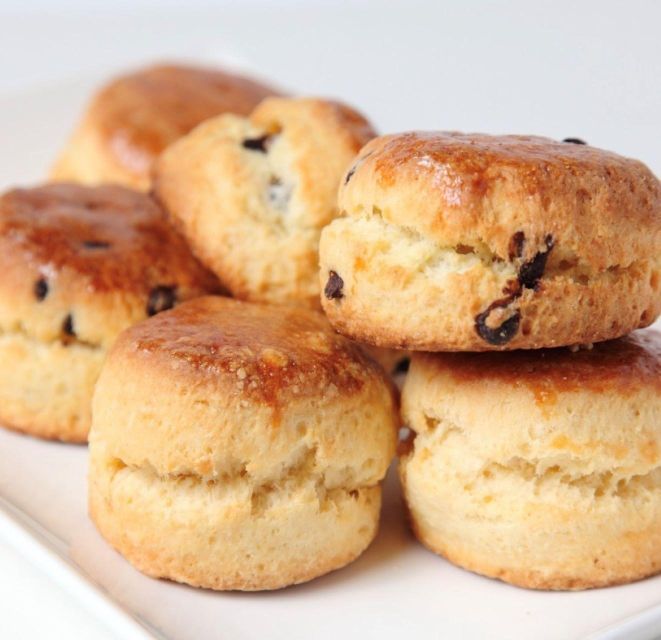
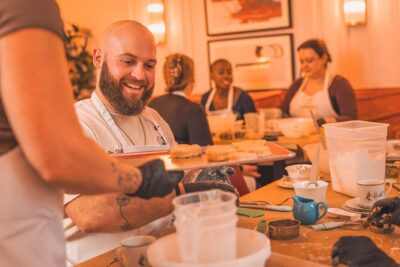
This is a short, friendly baking lesson built around one of England’s most recognizable treats. In 90 minutes, you work through the recipe from scratch, then sit down for tea and the results. It feels less formal than a professional cookery school and more like a cheerful kitchen session with an experienced local guide.
The class is beginner-friendly, but it is not only for people who have never baked. Anita, an experienced baker, picked up a few practical tips here, which tells me the instruction goes beyond simply handing you a recipe. You learn how the dough should feel, how to handle it, and how to avoid turning a soft scone into a heavy one.
Jojo is the name that appears most often in the class experience, and she is joined at times by Lola or Dora. The teaching style is warm and patient. You can expect clear instructions, room for questions, and conversation about London and English food customs as you work.
That personal touch matters. A small workshop gives you a better chance to get help at your own station. One family of four found the class easy to follow, while another booking had only one participant and still received the full lesson after a reservation problem. The group size is not fixed in the information provided, but the experiences described suggest that it can be intimate rather than crowded.
A few more London days worth a look
- London: Traditional English Scone Making and Tea Workshop
★ 5.0 · 702 reviews - London: East End Street Art Tour and Spray Painting Workshop
★ 4.8 · 297 reviews - London Traditional English Scone Making and Tea Workshop
★ 5.0 · 271 reviews
What happens during the 90-minute class
The exact order may vary, but the session is built around a straightforward sequence. You arrive, find your prepared station, and work through the ingredients and equipment supplied by Cook and Craft Collective Ltd.
You are not expected to bring baking tools or ingredients. That makes this a simple activity to fit into a day of sightseeing. Wear comfortable clothes and closed-toe shoes, since you will be working around food preparation and hot equipment.
The first useful lesson is likely to be the dough itself. Scone making looks easy, but texture depends on small decisions. You need to combine the ingredients without overworking the mixture, then shape it without pressing out all the air. A good instructor can show you these details far better than a printed recipe can.
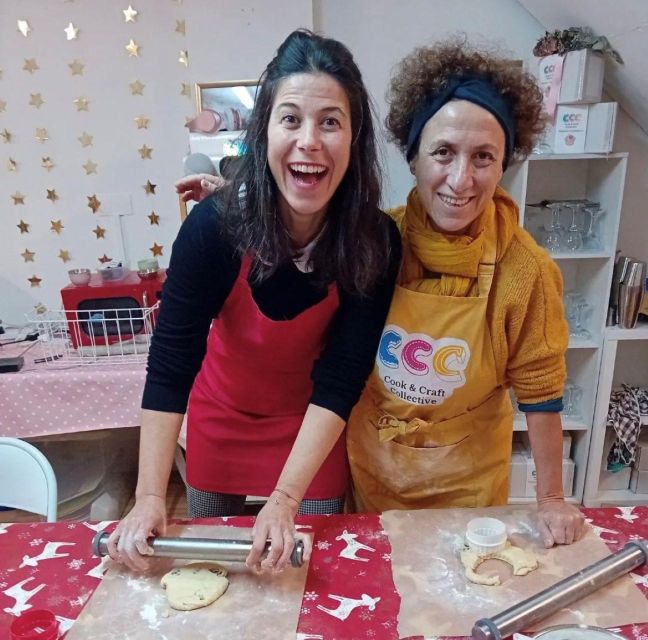
Next comes shaping and baking. You make your own batch rather than merely helping with one shared bowl. That is a real advantage if you want to repeat the process at home. You can see how thick to make the dough, how to cut the rounds, and how the finished scones should look.
The activity offers classic, cheese, or sultana versions. Classic scones are the safest pick if you want the full jam-and-cream experience. Sultana scones add sweetness and texture, while cheese scones make more sense if you prefer a savory result. Since one booking found that cheese scones were not available despite being shown as an option, ask about availability when you arrive or before confirming your choice.
The baking time gives the class a natural pause. It is also when the social side takes over. Jojo is known for keeping conversation moving, sharing local suggestions, and explaining how scones are traditionally eaten. The tone is informal, so you do not need to worry about getting every step perfect on the first try.
Jam first or cream first?

The final tea service is more than a snack. It gives the class a bit of cultural context and makes the result feel like a proper English afternoon treat.
Your scones are served with jam, clotted cream, and tea. The famous question is which goes on first. In Devon, cream traditionally comes first, while in Cornwall, jam takes the lead. The class uses this small food debate as a fun way to explain English custom, rather than treating the scone as just another baked item.
I like this ending because you get to judge your own work while it is fresh. You also get a chance to compare the texture with the instructor’s advice from earlier in the session. The scones are not boxed up and forgotten. You eat some at the table, with tea, in the same spirit that makes afternoon tea such a lasting part of British culture.
You may bring a bottle of wine to enjoy during the experience. Alcohol is not included, and the stated corkage charge is £2 per bottle. This is optional, of course. Tea is the more natural match, and you should not assume that an alcoholic drink will be provided.
The onsite cafe can sell beverages before the class, but it is not operated by the workshop. If you arrive early, you are welcome to buy something there, but treat it as a separate purchase.
How much food do you take home?
The class gives you more than a single sample scone. You leave with a large batch, and this is a meaningful part of the value.
If you schedule the workshop near the start of your London stay, the scones can become breakfast or a snack during the following days. That was one of Anita’s useful suggestions, and it makes sense if you have room in your day bag. You can also share them with family or friends back at your accommodation.
The amount is not specified, so I would not plan an exact picnic around it. Still, the repeated mention of having plenty to take home suggests this is not a token portion. It also helps explain the $80 price. You are paying for instruction, ingredients, equipment, tea, the sit-down tasting, and the food you carry away.
At that price, this is not the cheapest way to eat a scone in London. It is a better fit for someone who wants an activity rather than a cafe stop. If you only want to try a traditional scone, spend less at a bakery or tearoom. If you want to learn a repeatable skill and have a pleasant shared experience, the price becomes easier to justify.
Something completely different for your London days:
- London: The London Eye Entry Ticket
★ 4.6 · 35,875 reviews - From London: Harry Potter Warner Bros Studio Tour
★ 4.7 · 26,588 reviews - London: Westminster to Greenwich River Thames Cruise
★ 4.5 · 22,836 reviews - Magical London: Harry Potter Guided Walking Tour
★ 4.7 · 22,044 reviews
Why the instructors make a difference
The most praised part of the class is the teaching. Jojo is repeatedly described as friendly, patient, upbeat, and easy to talk with. Lola receives the same kind of praise, especially for making the room feel welcoming and setting up each work station before arrival. Dora is noted for making the class relaxed and simple to follow for a family with teenagers.
That combination is important. Baking classes can become tense if the instructor rushes or takes over. Here, you are expected to do each stage yourself, with support when needed. You gain more from the session because the finished scones are your work, not a demonstration sample handed to you.
The instructors also add local conversation. You might hear suggestions about places to visit and eat in London, along with facts about the city and surrounding area. This will not replace a sightseeing tour, but it can be a nice way to get practical ideas from someone who knows the area.
The class has also worked well for different needs. One booking specifically praised Jojo’s care with a daughter who had special needs. That does not guarantee that every request can be accommodated, so contact the provider in advance if you need particular support. Still, the teaching approach sounds attentive rather than rigid.
Balham location and arrival advice
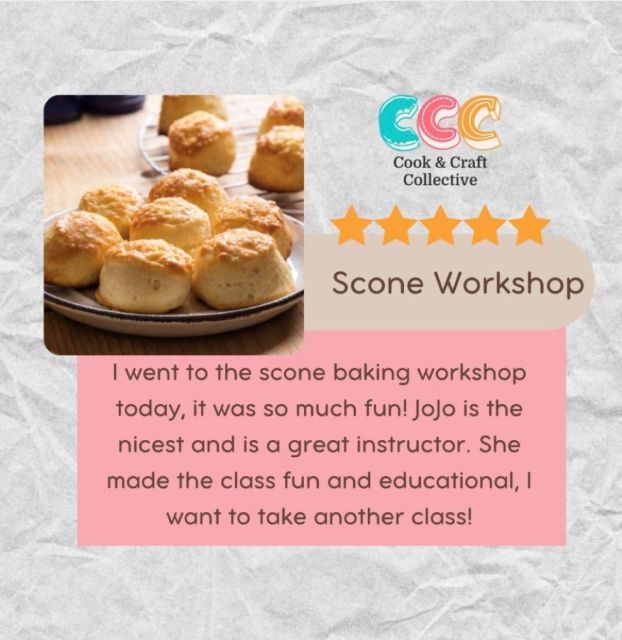
The workshop is in Balham, in South East London. The meeting instructions ask you to buzz for Cook and Craft Collective and wait in reception until someone collects you.
That wording is worth taking seriously. This is not presented as a shopfront where you simply walk straight into a public kitchen. Give yourself enough time to find the building, buzz the correct name, and wait in reception. If you are early, the onsite cafe is available for a separate drink purchase.
Public transport is a practical way to reach the area. One family used the Tube and said the station was right down the street from the Clapham North Art Centre, while another group took an Uber from central London. The supplied meeting information identifies Balham, so check the exact location and route on your booking confirmation before setting out. Do not rely on a broad neighborhood name alone.
The location also affects how you plan the day. This is not in the middle of the main Westminster sightseeing zone. Allow travel time from central London, and pair the class with nearby plans rather than trying to squeeze it between two tightly timed central attractions.
Best uses for your London itinerary
I would place this class early in your visit if you want the scones to serve as snacks during the rest of your stay. It also works well on a rainy afternoon, when an indoor activity gives you something more memorable than waiting out the weather in a cafe.
Families should find the format manageable. A 10-year-old took part successfully, and teenagers have enjoyed the relaxed structure. Parents should still decide for themselves if the child is comfortable handling baking equipment and following kitchen instructions.
Couples and friends can treat it as a shared activity with a built-in conversation break. Solo visitors are also suitable, since the class is social without requiring you to arrive with a group. One solo booking received a full class, so you do not need to assume that the activity depends on a large party.
Experienced bakers may want to choose the class for technique and atmosphere rather than basic instruction. You probably will not learn advanced pastry science in 90 minutes, but you may pick up useful handling tips and a better feel for traditional English scones.
This is less suitable if you want a long, technical cooking course. The session is short, the focus is narrow, and the main goal is a successful batch plus a pleasant tea break.
Small drawbacks worth knowing
The class has a strong record of positive feedback, but a careful booking still requires a few checks.
First, flavor choices may not always match the advertised selection. Cheese scones were not available for one booking, so ask before the class if that option matters to you.
Second, the recipe is not clearly guaranteed as a handout. One person did not receive the promised recipe email, while another wished the recipe had been provided on departure. If you want to make the scones at home, ask how the recipe will be sent and save any follow-up email.
Third, the workshop lasts 1.5 hours, not three hours. One description of the experience used a longer estimate, but the stated duration is 90 minutes. Plan around the confirmed start and finish time, especially if you have a theater booking or train to catch.
Finally, the venue’s cafe and any alcoholic drinks are separate from the workshop. Bring your own wine only if you want it, and remember the £2 corkage charge per bottle.
Booking value and cancellation flexibility
The cost is $80 per person. For a simple plate of tea and scones, that would be steep. For a hands-on class with ingredients, equipment, instruction, a tasting session, and a batch to take home, it is more reasonable.
The best value comes when you care about all parts of the experience. You learn a recipe, practice the method, get personal help, enjoy a traditional serving, and take your baking with you. The small-group feel described in several bookings also adds value, since personal guidance is hard to get in a large class.
The experience includes ingredients and the workshop itself. Hotel pickup and drop-off are not included, so you arrange your own transport. Alcohol is also excluded, though you can bring a bottle for £2 corkage.
You can cancel up to 24 hours before the activity for a full refund. The reserve-now, pay-later option also lets you hold a place without paying immediately, which is useful when your London plans are still shifting. Check the available start times before booking, since the 90-minute schedule may be offered at different times.
Should you book the Traditional Scone Making Workshop?
Book it if you want a cheerful, hands-on London activity with food you can actually use afterward. The strongest reasons are the friendly teaching from Jojo, Lola, or Dora, the chance to make your own batch, and the proper tea service with clotted cream and jam.
I would especially recommend it to families, couples, solo visitors, and small groups who enjoy learning by doing. It is also a smart rainy-day choice and a good early-trip activity if you want homemade snacks for later.
Skip it if you only want to taste a scone, need a long advanced baking course, or find $80 too much for a short class. Before booking, confirm the flavor choice and ask about receiving the recipe. With those details settled, this is a practical and distinctly English way to spend 90 minutes outside the usual London sightseeing route.
FAQ
Where does the scone workshop take place?
The workshop takes place in Balham, in South East England, United Kingdom. The meeting instructions ask you to buzz for Cook and Craft Collective and wait in reception until you are collected.
How long does the class last?
The stated duration is 1.5 hours, or 90 minutes. Starting times vary, so check availability when booking.
How much does the experience cost?
The price is $80 per person.
What types of scones can I make?
You can choose classic, cheese, or sultana scones. Availability may vary, so confirm your preferred flavor before or at the start of the class.
Are ingredients and equipment provided?
Ingredients are included, and the class provides the equipment needed for the workshop.
Do I get to eat the scones during the class?
Yes. At the end, you enjoy the freshly baked scones with jam, clotted cream, and tea.
Can I take scones home?
Yes. You leave with a large batch of the scones you make.
Can I bring wine?
Yes. You may bring your own bottle of wine. Alcohol is not included, and the stated corkage charge is £2 per bottle.
What should I wear and bring?
Wear comfortable clothes and closed-toe shoes. Hotel pickup and drop-off are not included, so you arrange your own transport.
Latest arrivals on the London list
- Heathrow Airport to London Arrival Transfer★ 4.5 · 50 reviews
- London Beatles Tour★ 5.0 · 50 reviews
- One Way Taxi Transfer from London to Gatwick Airport★ 5.0 · 51 reviews
- London: Hidden Baker Street Tube Station Tour★ 4.7 · 51 reviews
- City & Secrets: Explore London’s Hidden Gems★ 5.0 · 51 reviews
- The Beatles Magical History Black Taxi Tour London★ 5.0 · 51 reviews
- London Christmas Lights Open-Top Bus Tour. 2025 Early Bird★ 3.6 · 51 reviews
- 4 hour London Private Tour, with your own Black Cab Tour Guide★ 5.0 · 51 reviews
Workshops, compared.
Traditional English Scone Making and Tea Workshop
Read our review →
East End Street Art Tour and Spray Painting Workshop
Read our review →London Traditional English Scone Making and Tea Workshop
Read our review →

Street Art Tour and Spray Painting Workshop in London
Read our review →
3 Hour Chinese Dumpling Cooking Class for 2-6 people in London
Read our review →
Private South Indian Home Cooking Class in London with a Local
Read our review →Browse the lists this tour appears in