
Reviewed · LONDON
Make a Fascinator Hat with a Designer in London
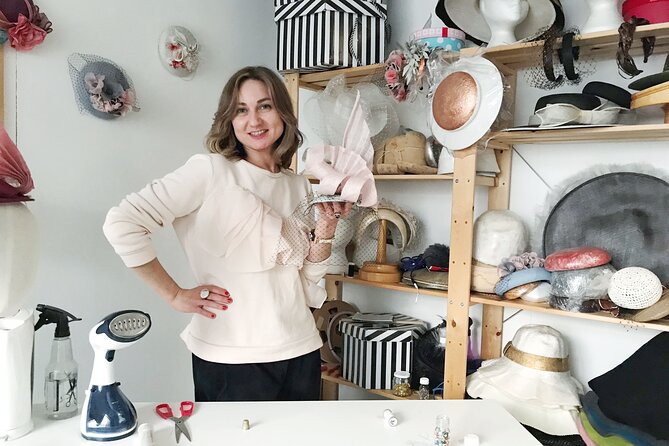
Making a fascinator is a far more memorable London keepsake than another souvenir magnet. In Elena Shvab’s cozy studio, you learn the basic craft of millinery, choose your own colors and trims, and leave with a hat you actually made.
I like the small class size, capped at six, and the fact that Elena guides you through each stage instead of handing you materials and wishing you luck. I also like the practical mix of old-school skills, such as wiring and traditional stitches, with playful design choices involving veiling, folds, and decoration.
The main consideration is the price, $165.13 per person, which is not a casual craft drop-in. It makes the most sense if you value personal instruction, want a one-of-a-kind souvenir, or are marking a special trip. The session also requires good weather, so keep that in mind when planning.
In This Review
- Key points to know before booking
- A London souvenir you can wear
- Arriving at Make Space Studios at 11 a.m.
- Your introduction to hats, trims, and materials
- Building the base on a traditional hat block
- Shaping sinamay straw with water, steam, and patience
- Adding veiling, wire, and traditional stitches
- A finished fascinator and skills to take home
- Why the three-hour format works
- The value of $165.13
- Who should book this workshop
- Booking and cancellation details
- Should you book Make a Fascinator with a Designer in London?
- FAQ
- Where does the fascinator workshop take place?
- What time does the class begin?
- How long does the workshop last?
- Are materials and tools included?
- How many people can join the class?
- Can children take part?
Key points to know before booking
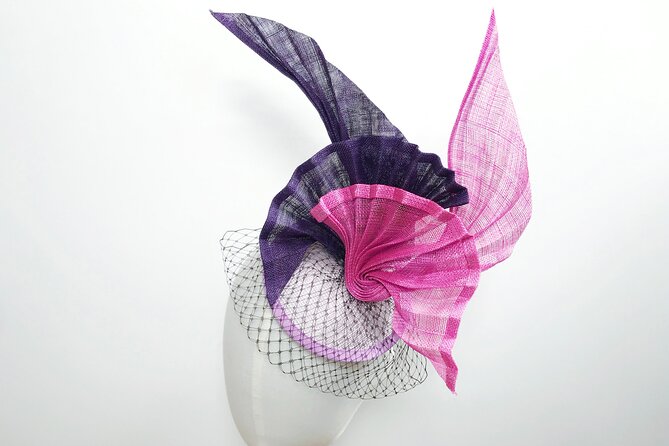
- You make a wearable hat from scratch: Learn to form a fascinator base, wire its edge, shape sinamay straw, and add finishing details.
- Elena Shvab teaches the class: Her instruction is patient and step by step, with help available for beginners who do not see themselves as creative.
- The group is limited to six people: This gives the workshop a personal feel and leaves room for questions and hands-on help.
- All materials and tools are supplied: You only need to arrive ready to make choices and work with your hands.
- The workshop lasts about three hours: It begins at 11:00 a.m. and ends back at the central London studio.
- It suits a special shared outing: The activity has worked well for mother and daughter, grandmother and granddaughter, couples, and solo crafters.
A London souvenir you can wear
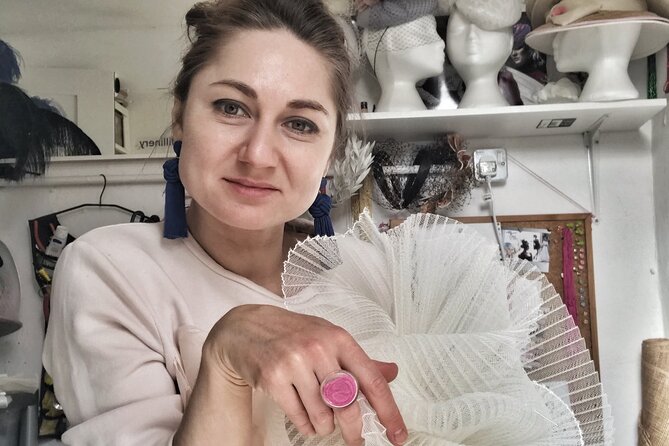
London has no shortage of things to buy. Most are made somewhere else and packed into a shop bag. This workshop gives you a different sort of memento: a fascinator shaped by your own hands, with the colors, trim, and style selected by you.
That matters because the finished piece is tied to the day itself. You will remember the folding, steaming, arranging, and small adjustments each time you wear it. The experience also gives you enough basic skill to try another project at home, rather than ending when you walk out the door.
A fascinator is a good choice for a first millinery project because it is smaller and less demanding than a full hat. You still learn the central ideas of hat making, but the project can be completed in one session of up to three hours.
You do not need to arrive as a skilled crafter. The class is designed around demonstration and practice, and Elena helps you through the process. One especially useful point for beginners is that even someone who considers herself not creative can produce a finished piece with clear guidance.
Other London favourites people book with this one:
- London: The London Eye Entry Ticket
★ 4.6 · 35,875 reviews - From London: Harry Potter Warner Bros Studio Tour
★ 4.7 · 26,588 reviews - London: Westminster to Greenwich River Thames Cruise
★ 4.5 · 22,836 reviews
Arriving at Make Space Studios at 11 a.m.
The meeting point is Make Space Studios on Newnham Terrace, London SE1 7DR. The workshop begins at 11:00 a.m. and finishes at the same place, so you will not need to manage a second meeting point or figure out where the class ends.
The studio is described as cozy rather than large and formal. That is a plus for this kind of activity. Hat making involves close work with straw, wire, steam, veiling, and small decorative choices. A compact setting helps keep the instruction direct and makes it easier to ask for help.
The location is near public transportation, but the supplied information does not name a specific station or give a walking route. I would allow enough time to find Newnham Terrace and arrive ready to start. Confirmation is sent within 48 hours of booking, subject to availability, so do not treat the reservation as final until that confirmation arrives.
The class has a maximum of six participants. That is small enough to avoid the feel of a large demonstration, but the experience is still shared. If you are booking a family outing or a couple’s activity, you can work alongside one another while making separate designs.
Your introduction to hats, trims, and materials
Elena starts with a short introduction to hat making. You learn about different hat styles, trimmings, and the materials used in millinery before beginning your own project.
This opening is useful because a fascinator can look simple from a distance. In practice, its shape depends on how the material is folded, supported, wired, and decorated. Understanding those parts early helps you make design choices that are more than just picking a color you like.
The workshop includes time to look at hats and try them on, according to the experience details provided by participants who attended. That adds a bit of fun and gives you a sense of how different shapes sit on the head. It also helps you think about the style you want before you begin shaping your own piece.
Material choice is one of the enjoyable parts. You get to select colors and decorative elements, then see how those choices change the character of the fascinator. The range is described as expansive, but the exact colors and trims available can vary, so it is best to approach the choices with an open mind.
Building the base on a traditional hat block
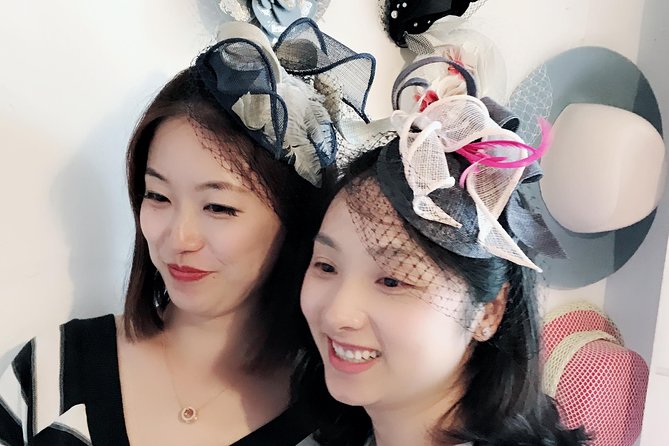
The first major practical step is making the base with a traditional hat block. A block gives the material its shape and provides a firm form around which you can work.
You then learn how to wire and trim the edges. This is where the piece begins to shift from a flat material into something with structure. Wiring is not just decoration. It helps control the edge and lets you adjust the final shape.
This part of the class is valuable even if your main goal is simply to make one pretty accessory. You are learning why a hat holds its form, not merely copying a finished sample. Elena demonstrates the steps and explains them clearly, then helps you apply them to your own base.
Expect some hands-on work. The process includes handling material, folding it, shaping it, and making careful adjustments. If you ask many questions, the small group and Elena’s patient approach should suit you well. If you prefer to work quickly without instruction, the guided format may feel slower than you want, but that slower pace is exactly what helps beginners finish successfully.
Something completely different for your London days:
- Magical London: Harry Potter Guided Walking Tour
★ 4.7 · 22,044 reviews - London: Madame Tussauds London
★ 4.6 · 20,915 reviews - Stonehenge, Windsor Castle, and Bath from London
★ 4.5 · 18,662 reviews - London: Warner Bros. Studio Tour with Transfers
★ 4.7 · 17,586 reviews
Shaping sinamay straw with water, steam, and patience
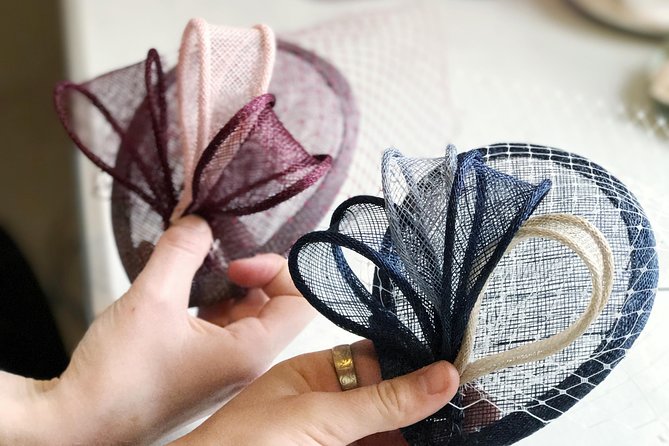
Sinamay straw is one of the key materials in the class. You learn techniques for rolling and manipulating it, along with steaming and other methods used to create shape.
The material can be changed through careful handling. Water, folding, steam, and a small amount of glue are all part of the process described by one participant. That combination sounds simple, but the result depends on how you place and shape the material.
This is one of the most distinctive parts of the workshop. You are not just attaching a ready-made flower or ribbon to a purchased base. You are learning how milliners turn a flexible material into a controlled form.
Steam also means you need to follow Elena’s instructions closely. The details provided do not specify the exact equipment or safety procedure, so listen carefully during the demonstration and handle the material only as directed. The class is practical, but it is still a lesson, not an unstructured craft table.
Adding veiling, wire, and traditional stitches
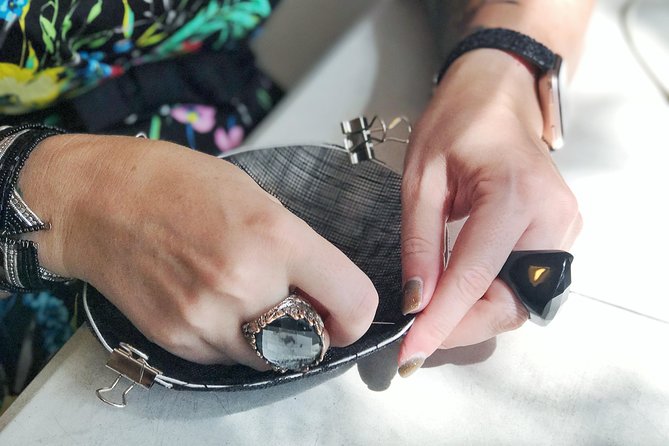
Once the main form is taking shape, the class moves into trimming and decoration. You learn how to work with veiling, shape the straw, and use other finishing techniques.
Traditional millinery stitches are part of the lesson. That is a worthwhile detail for anyone who wants skills to carry home. A fascinator can be decorated in many ways, but knowing how to secure and finish the materials gives you a sound base for future projects.
The decorative stage also gives you the most room for personal style. You choose colors and decide how you want the fascinator to look. You might prefer something restrained and easy to wear, or you may choose a more noticeable piece for a special event. The class allows for that personal input, though the finished result will naturally depend on your choices and the time available.
Elena remains involved throughout the process. Her teaching style is described as clear, patient, and thorough, with each step demonstrated before you try it. That matters when the material behaves differently than expected or when you are unsure how much to bend, fold, or trim.
A finished fascinator and skills to take home
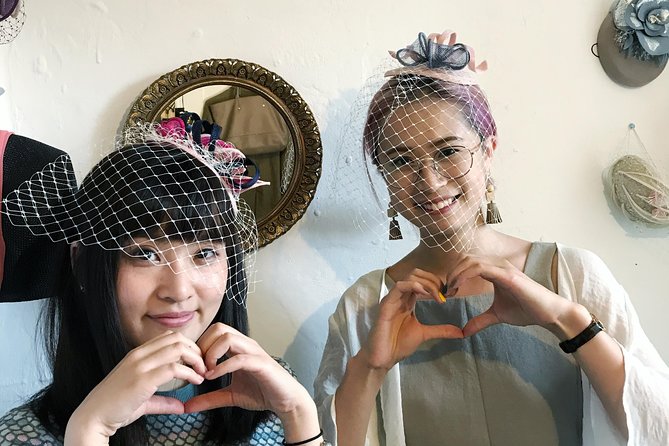
By the end of the session, you take home your finished fascinator. All tools and materials are included, so you do not need to bring supplies or shop for straw, wire, veiling, or trims before class.
The finished hat is the obvious reward, but the skill is the better long-term value. You learn how to make a base, manipulate sinamay, use wire, work with veiling, and apply millinery stitches. Those are useful building blocks if you want to create another fascinator later.
The class does not promise that every finished piece will look like a professional designer’s showroom model. That would be an unfair standard for a three-hour beginner workshop. The point is to make something attractive and personal while learning the process behind it.
Several details make the result feel especially personal. You select the materials, shape the design, and make the adjustments yourself, with Elena stepping in when needed. You can then wear the fascinator at a special event or keep it as a reminder of the day in London.
Why the three-hour format works
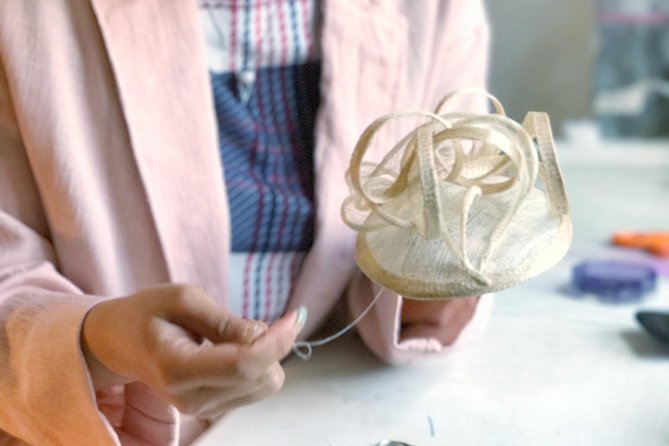
Three hours is long enough to learn several techniques without turning the activity into an all-day commitment. You can fit the class into a London visit and still have much of the afternoon available.
The pace may feel brisk if you want to experiment with many different designs. You will be learning the basics, making decisions, and completing one piece in the same session. That is a good reason to focus on one clear idea rather than trying to create a complicated hat with every possible trim.
The 11:00 a.m. start is also practical. It gives you a full morning to reach the studio and leaves time afterward for another London plan. The activity ends at the meeting point, so you can continue from there without a transfer or scheduled final stop.
A note about weather: the experience requires good weather, and a poor-weather cancellation may lead to a different date or a full refund. That condition is worth checking before you build a tightly packed day around the workshop.
The value of $165.13
At $165.13 per person, this is a premium activity. You are paying for more than raw materials. The price includes a small-group setting, instruction from Elena, use of tools, and a finished fascinator to take home.
For a person who only wants a cheap London craft activity, the cost may be hard to justify. You could spend less on a museum visit or a simple souvenir. But those options would not give you a handmade item, personal instruction, and a new craft skill in one sitting.
The value improves if you are celebrating something or planning a shared experience. A mother and daughter, grandmother and granddaughter, couple, or friends can make separate pieces while sharing the same project. The finished fascinators also make the day easy to remember, especially if you create them for particular events.
The current response is unusually strong: five stars, with 100 percent of 13 ratings recommending the activity. That is a small sample, so I would not treat it as a guarantee that every person will love the class. Still, the consistent praise for Elena’s patience, clear teaching, welcoming manner, and help with beginners supports the idea that the instruction is the main reason for the price.
Who should book this workshop
I would choose this class for a person who enjoys making things, likes fashion, or wants a London activity with a personal result. It is also a smart rainy-day option when weather allows the class to go ahead, and it offers a break from the usual sightseeing circuit.
It works particularly well for a shared family outing. The experience is not aimed at children under eight, but older children may participate, and the small group gives Elena room to offer individual help. The supplied details say most people can take part, though anyone with a specific concern should check before booking.
You do not need to be creative in the artistic sense. You need enough patience to follow instructions and make choices. If you prefer sightseeing with no scheduled activity or dislike crafts involving detailed handwork, spend the money elsewhere.
Booking and cancellation details
The experience is offered in English and uses a mobile ticket. Confirmation arrives within 48 hours, subject to availability, so check your email before setting out.
Free cancellation is available up to 24 hours before the local start time for a full refund. Changes or cancellations made less than 24 hours ahead are not accepted for a refund. Since poor weather can also affect the session, keep the cancellation terms and weather condition in mind when arranging other plans.
Should you book Make a Fascinator with a Designer in London?
Book it if you want to leave London with something you made, not something you picked up in a shop. Elena’s patient, step-by-step teaching makes the class friendly to beginners, while the sinamay, wire, veiling, and traditional stitches give the project enough substance for serious crafters.
I would be more cautious if $165.13 feels high for a three-hour activity or if you want a flexible drop-in class. For everyone else, this is a focused, personal experience with a clear result: a custom fascinator, a handful of useful millinery skills, and a story attached to the hat.
FAQ
Where does the fascinator workshop take place?
The workshop takes place at Make Space Studios, Newnham Terrace, London SE1 7DR, UK. It ends back at the same meeting point.
What time does the class begin?
The class starts at 11:00 a.m.
How long does the workshop last?
The workshop lasts approximately three hours.
Are materials and tools included?
Yes. All materials and tools needed for the activity are provided.
How many people can join the class?
The maximum group size is six participants.
Can children take part?
The activity is not suitable for children under eight. Most other people can participate, according to the provided activity information.
Latest arrivals on the London list
- Witchcraft, Ancient Cults & MI15 Spy Secrets★ 4.0 · 3 reviews
- Bicester Village Private Vehicle Round Trip Service from London★ 4.5 · 3 reviews
- Gastronomic 6-course fine-dining dinner on Luxury London Bus★ 4.5 · 3 reviews
- London: Explore The Tower of London & Tower Bridge!★ 3.7 · 3 reviews
- The Harry Potter Walking Tour with Potter-Vision★ 5.0 · 3 reviews
- London Christmas Eve With 3 Course Dinner and Midnight Mass★ 4.5 · 3 reviews
- London Taco Trail (Self-Guided)★ 4.5 · 3 reviews
- London: Guided Loo Tour★ 5.0 · 3 reviews