

Reviewed · CITY TOURS
Slavery and City of London Walking Tour
London’s slavery story is written into places many people walk past without a second look. This 90-minute City of London walk connects Roman walls, coffee houses, churches, banks, and grand civic buildings to the people and money tied to slavery and abolition.
I like the way the tour joins uncomfortable history to familiar sights, especially St. Mary Woolnoth, the Bank of England, and the Jamaica Wine House. I also like its small-group limit of 35 people and guide Sam’s use of architecture, images, and oral history. The main drawback is the route information: the details mention both St. Paul’s and Aldgate as the finish, so confirm the exact endpoint before setting off.
In This Review
- Key things to know before you book
- Why this walk changes the way you see the City
- Starting at Tower Hill and the Roman wall
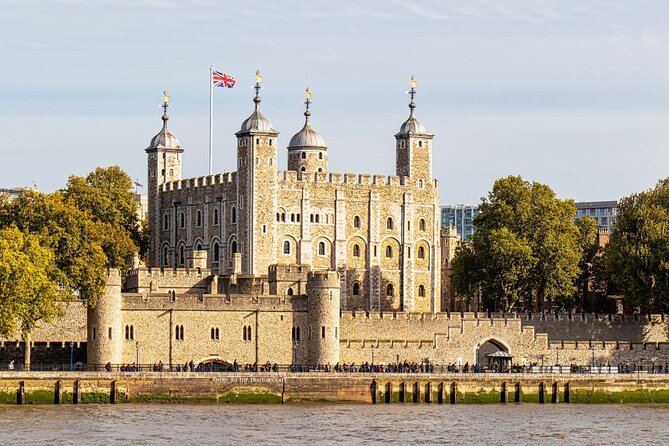
- Granville Sharp and the Tower of London connection
- East India House and the machinery of empire
- Fenchurch Street and the Gilt of Cain
- The Jamaica Wine House and the sugar trade
- St. Mary Woolnoth and John Newton
- The Bank of England and institutional responsibility
- The Royal Africa Company and City power
- St. Paul’s, the route ending, and a useful check
- Price, group size, and overall value
- Who should book this experience
- Should you book the Slavery and City of London Walking Tour?
- FAQ
- Where does the Slavery and City of London Walking Tour begin?
- What time does the tour start?
- How long does the walk last?
- Where does the tour finish?
- What is the price?
- How many people can join the tour?
- Is admission included at the stops?
- Does the tour include St. Paul’s Cathedral?
- Is the tour available with a mobile ticket?
- What is the cancellation policy?
Key things to know before you book
- London’s slavery story reaches back 2,000 years: The walk begins with Roman Londinium and the enslavement of Britons.
- The route links trade to real places: East India House, the Jamaica Coffee House, the Bank of England, and the Royal Africa Company all form part of the story.
- Sam leads the walk: His approach combines buildings, visual material, and spoken history rather than giving you a simple parade of dates.
- You still see classic London: St. Paul’s Cathedral appears near the end, while the City’s old walls and churches provide the setting throughout.
- It is a compact walking experience: The advertised duration is about 1 hour 30 minutes, with outdoor stops and free admission.
- Check the finishing point: The information names Aldgate Underground station as the endpoint, while another description says the walk finishes near St. Paul’s station.
Why this walk changes the way you see the City
Most sightseeing walks through the City of London focus on Roman foundations, medieval churches, finance, and famous landmarks. This one asks a harder question: who paid for the city’s growth, and whose labor made British wealth possible?
That question gives familiar streets a second layer. A church is not only a church. A bank is not only a bank. A coffee house can also be part of a trading network built on sugar plantations and forced labor.
I find this approach useful because it keeps the subject tied to physical places. You are not sitting in a lecture room hearing a general account of British slavery. You are moving through the district where company directors, merchants, public officials, and abolitionists worked.
The tour also places British slavery in a longer frame. It begins with Roman enslavement of Britons, then moves through imperial trade, the transatlantic slave trade, plantation sugar, and the campaign to abolish the trade. That broad timeline is one of its strongest features.
The tone is serious, but it is not presented as a gloomy march from one unpleasant fact to another. Sam’s style, according to the supplied tour information, includes humor, conversation, and an emphasis on understanding the past rather than simply assigning blame. That can make a difficult subject easier to follow without making it less important.
More London walking tours:
- Magical London: Harry Potter Guided Walking Tour
★ 4.7 · 22,044 reviews - London: The Original Jack the Ripper Walking Tour
★ 4.7 · 7,833 reviews - Tour for Muggles The Ultimate Harry Potter Walking Tour in London
★ 5.0 · 4,684 reviews
Starting at Tower Hill and the Roman wall

The meeting point is at Tower Hill, near Trinity Square, with a stated start time of noon. This is a practical place to begin because it is close to public transportation and gives you an immediate sense of London’s layers.
The first major subject is the Roman wall of Londinium. The wall helped define the settlement founded roughly 2,000 years ago, and visible fragments still mark the old boundary of the City. The walk uses this ancient structure to introduce an important point: slavery in Britain did not begin with the Atlantic trade.
Roman forces enslaved Britons, while Roman writers also complained about the supposed laziness of the local population. That detail adds a touch of dry humor, but it also shows how conquerors often used stereotypes to describe the people they dominated.
The tour connects the Roman wall with an African Roman emperor who was involved in its construction. This gives the opening section a wider view of Roman Britain and challenges the narrow picture many people carry of ancient London as an entirely white, isolated outpost.
You should expect this part to be more than a quick photograph beside old stones. Sam uses the wall to explain how London was organized, how the City became a distinct legal area, and how the physical boundaries still shape the modern district.
The stop is listed as about five minutes and has no admission charge. Since it takes place outdoors, good weather matters. Wear shoes suitable for an easy city walk, and keep an eye on the meeting instructions because Tower Hill has several busy streets and landmarks close together.
Granville Sharp and the Tower of London connection
Near the opening section, the route points to the Ordnance Office at the Tower of London. This was where Granville Sharp worked. Sharp became one of the leading British opponents of slavery in the 18th century.
His connection gives the walk an early abolitionist thread. The City was not only a place where slavery-linked money circulated. It was also a place where people challenged the legal and moral systems that supported it.
The stop is especially useful because it avoids presenting abolition as something that happened far away from the institutions involved in trade. The same city contained merchants, company officials, government workers, and campaigners who argued over slavery’s future.
The information does not list a separate stop time for the Ordnance Office, so expect it to be woven into the route rather than treated as a long museum visit. There is no suggestion of interior access to the Tower or the office. This is a streetside history walk, not a ticketed Tower of London tour.
East India House and the machinery of empire
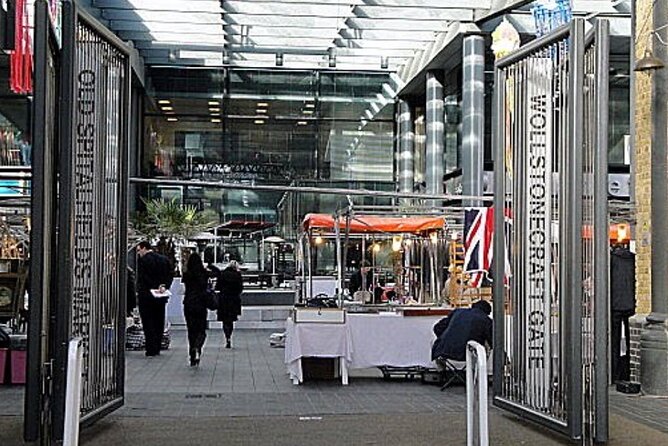
The route continues to the former site of East India House. This was the headquarters of the East India Company, one of the most powerful commercial bodies in British imperial history.
Here, the tour links the company to slave labor and the trafficking of enslaved people from both East and West Africa. That connection helps you see the East India Company as more than a trading firm selling tea and textiles. Its activities formed part of a much wider imperial system in which commercial power, government authority, military force, and coerced labor overlapped.
The building itself is gone, which makes the guide’s explanation especially important. You may be standing on an ordinary-looking City street, but the location once housed a company with influence far beyond London.
This is a good example of the walk’s value. You are not simply looking at a preserved monument. You are learning how to read absence, street plans, and former sites. London often hides its most important stories behind replacement buildings and modern offices.
A few more London days worth a look
- London: City Sights Hop-On Hop-Off Bus & Bookable Extras
★ 4.4 · 6,579 reviews - City Sightseeing London Hop-On Hop-Off Bus Tour & Bookable Extras
★ 4.0 · 1,224 reviews - London: Go City Explorer Pass® – Tickets for 2-7 Attractions
★ 4.3 · 1,111 reviews - London: Speedboat Tour Through Heart of the City
★ 5.0 · 387 reviews
Fenchurch Street and the Gilt of Cain
At Fenchurch Street, the route visits Fen Gardens and the Gilt of Cain sculpture. The sculpture commemorates the abolition of the transatlantic slave trade.
This is one of the more direct memorial points on the walk. It gives the subject a visible public marker after the earlier stops have focused on companies, workplaces, and money.
The sculpture also helps place abolition within the City itself. The campaign to end the transatlantic slave trade was not detached from London’s financial and political center. It developed in the same urban world that had benefited from the trade.
The stop lasts about ten minutes and is free. Because it is an outdoor site, you have time to look closely and listen without needing to move through a crowded museum. The setting may feel ordinary, which is part of the point: memorials and difficult histories can sit beside daily city life.
The Jamaica Wine House and the sugar trade
The Jamaica Wine House marks the site of London’s first coffee house, the Jamaica Coffee House. The name connects the location directly to Jamaica and to the sugar trade and slave plantations of the West Indies.
Coffee houses were places where merchants and businessmen exchanged news, discussed cargoes, arranged deals, and followed overseas markets. You do not need to imagine the site as a plantation or auction ground to understand its importance. Its role was part of the commercial network that linked London finance and trade with plantation economies overseas.
This stop may be one of the most memorable because it brings a familiar social institution into the story. Coffee houses are often presented as charming places of conversation and political debate. Here, you see the less comfortable side of that world: conversation and commerce could depend on commodities produced by enslaved labor.
The Jamaica Wine House is also a useful orientation point in the modern City. You will see how a place with a casual present-day identity can carry a name and location tied to Britain’s colonial past.
St. Mary Woolnoth and John Newton
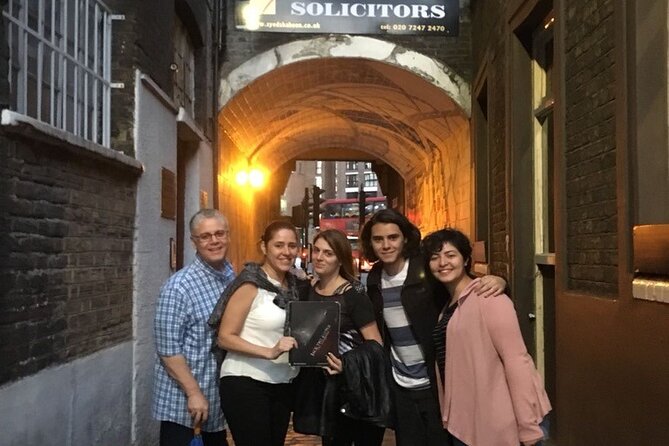
At St. Mary Woolnoth, the walk turns to John Newton, who served as rector of the church and became an abolitionist. Newton is often associated with the campaign against slavery and with the hymn Amazing Grace.
The church provides a compact way to discuss personal change, religious life, and public activism. Newton had earlier been involved in the slave trade before becoming an opponent of it. That history matters because it shows abolition not only as a political campaign, but also as a moral argument shaped by people confronting their own past.
The stop is listed at about ten minutes. You should not expect a full church tour or a long interior visit based on the information provided. The building is used as a setting for the story, with the guide explaining why this particular church matters.
I like this stop because it keeps the focus on a named person rather than treating abolition as an abstract movement. It also connects the subject to one of the City’s striking historic churches, giving you a clear landmark to remember after the walk.
The Bank of England and institutional responsibility

The Bank of England Museum is listed as a 15-minute stop, the longest scheduled point on the route. The subject here is the Bank’s historical connection to slavery through some former directors and governors.
The Bank has apologised for the involvement of past figures in the slave trade and committed to removing their statues and paintings from public display in its Threadneedle Street building. That detail brings the conversation into the present. The walk is not only about what happened centuries ago. It also considers how institutions handle symbols of that past today.
The museum stop is listed as free admission, but the tour information does not say that you enter the museum as part of the walk. Treat it as a stop around the Bank and its public setting unless Sam confirms otherwise.
This section should appeal to anyone interested in how financial institutions shaped British history. It also gives the route a practical connection to modern London. You can see the Bank not as a distant national symbol, but as a local institution tied to people and decisions that affected communities across the Atlantic.
The Royal Africa Company and City power
Another stop focuses on the building where sheriffs, mayors, and aldermen of the City of London met as shareholders in the Royal Africa Company.
That connection is central to the tour’s argument. The transatlantic slave trade was not an obscure activity carried out by a few isolated merchants. It involved people connected to the City’s political leadership and commercial establishment.
The building itself represents how civic authority and private investment could overlap. A person might hold public office while also profiting from a company involved in the slave trade. That is a difficult fact, but seeing it attached to a real civic setting makes it easier to understand.
The route does not simply list company names. It shows how power operated through shareholders, offices, and local institutions. If you have walked through the City before and wondered why its streets feel so formal and financially focused, this stop helps explain how that identity developed.
St. Paul’s, the route ending, and a useful check
The walk includes St. Paul’s Cathedral toward the end. The cathedral is one of London’s defining sights, but here it serves as more than a photo stop. Its presence places the slavery story beside the religious, civic, and commercial institutions that shaped the capital.
The supplied details contain an important inconsistency about the endpoint. One description says the walk finishes by St. Paul’s Underground station on the Central line. The meeting information gives Aldgate Underground station, at Aldgate High Street, as the endpoint.
That difference matters if you have a timed reservation, a train to catch, or another activity booked immediately afterward. Ask Sam to confirm the final stop when you book or before the walk begins. The route appears to move from Tower Hill through the City toward the St. Paul’s area, but you should rely on the current meeting instructions for your exact day.
The walk is advertised at about 1 hour 30 minutes, though one supplied comment describes a two-hour experience. Allow extra time rather than planning a tight connection. London streets, group pace, questions, and outdoor explanations can all affect the finish.
Price, group size, and overall value
At $27.43 per person, this is a modestly priced guided walk for central London. The value comes less from admission tickets, since the listed stops are free, and more from the guide’s ability to connect places that you could easily pass without understanding.
You are paying for structure and interpretation. Without a guide, you might recognize the Roman wall, Bank of England, Jamaica Wine House, and St. Paul’s, but miss the relationships between them.
The group can include up to 35 people. That is not a private walk, and you should not expect every question to receive a long personal answer. Still, the cap prevents the group from becoming enormous, and the experience is designed for discussion rather than silent sightseeing.
Sam is identified as the guide and is described as the author of several books about the area. His approach includes architectural details, oral history, and images collected through his studies. That mix should suit you if you like a guide who explains both what you are seeing and what has disappeared.
The tour is recommended for most people who can participate in a normal city walk. No special admission fee is listed, and the experience is near public transportation. Since it requires good weather, carry a light rain layer in London’s usual changeable conditions.
Free cancellation is available up to 24 hours before the start time. Cancellations made inside that window are not refunded, and the operator may offer a new date or full refund if poor weather or low numbers force a cancellation.
Who should book this experience
I would choose this walk if you want London history tied to actual streets, buildings, and public institutions. It is especially useful for first-time visitors who want to see the City while moving beyond the usual royal and medieval story.
It also suits repeat visitors. The route includes places you may already know, but the explanations can change how you understand them. Several supplied comments describe familiar streets taking on new meaning, along with Roman and Victorian details that are easy to overlook.
This is a good choice for adults and older children who can follow a serious historical discussion. The guide uses humor and conversation, but the subject includes forced labor, trafficking, colonial power, and institutional responsibility. It is not a light sightseeing stroll.
You might prefer a museum visit if you need extensive displays, indoor seating, or a large collection of original objects. This tour is strongest when you want context in the streets and a guide-led conversation.
Should you book the Slavery and City of London Walking Tour?
Book it if you want a focused, affordable way to understand how slavery shaped London’s commercial and civic world. The Roman wall, East India House, Jamaica Coffee House, St. Mary Woolnoth, the Bank of England, the Royal Africa Company, and St. Paul’s create a strong sequence of connected places.
The main reasons to hesitate are simple: the group may reach 35 people, the walk depends on good weather, and the exact endpoint needs confirmation. If those points work for your plans, Sam’s Walks offers a thoughtful route that adds necessary context to some of London’s most familiar sights.
FAQ
Where does the Slavery and City of London Walking Tour begin?
The stated meeting point is Tower Hill TramTrinity Square, London EC3N 4TH, UK.
What time does the tour start?
The tour starts at 12:00 pm.
How long does the walk last?
The advertised duration is approximately 1 hour 30 minutes. One supplied description refers to a walk lasting about two hours, so allow some extra time.
Where does the tour finish?
The meeting information gives Aldgate Underground station at Aldgate High Street as the endpoint. Another description says the walk finishes near St. Paul’s Underground station, so confirm the final location with Sam’s Walks.
What is the price?
The listed price is $27.43 per person.
How many people can join the tour?
The activity has a maximum group size of 35 people.
Is admission included at the stops?
The listed stops have free admission. The information does not confirm that the Bank of England Museum is entered during the walk.
Does the tour include St. Paul’s Cathedral?
Yes. St. Paul’s Cathedral is included near the end of the route, though the information does not state that the tour enters the cathedral.
Is the tour available with a mobile ticket?
Yes. The experience includes a mobile ticket.
What is the cancellation policy?
You can cancel up to 24 hours before the start time for a full refund. Cancellations or changes made less than 24 hours before the start time are not accepted for a refund. If poor weather or an insufficient number of participants cancels the experience, you will be offered another date or experience, or a full refund.
Latest arrivals on the London list
- Easy Access Tower of London Royal Secrets & Scandals Tour★ 5.0 · 3 reviews
- Stonehenge Special Access Guided Morning Tour from London★ 4.5 · 3 reviews
- Shoreditch & East London Walking Tour with a Local, Custom & Private★ 5.0 · 3 reviews
- Madame Tussauds London Fast Track and Champagne Experience★ 3.5 · 3 reviews
- London Private Brixton Tour with a Local – Culture & Stories★ 4.9 · 3 reviews
- Private Full Day Tour – Fast Track Tower of London and Lunch★ 4.6 · 3 reviews
- Private transfer from London Heathrow Airport to Southampton★ 5.0 · 3 reviews
- London Soho District – Guided Walking Tour 12 guests 2,5h★ 4.8 · 3 reviews
City Tours, compared.
City Sights Hop-On Hop-Off Bus & Bookable Extras
Read our review →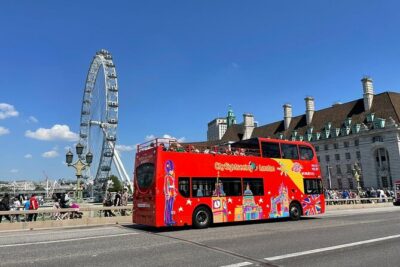
City Sightseeing London Hop-On Hop-Off Bus Tour & Bookable Extras
Read our review →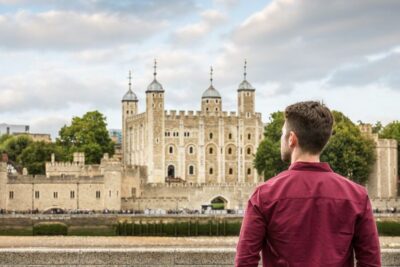
Go City Explorer Pass® – Tickets for 2-7 Attractions
Read our review →
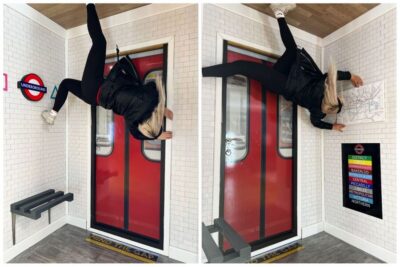
Upside Down House Westfield White City Entry Ticket
Read our review →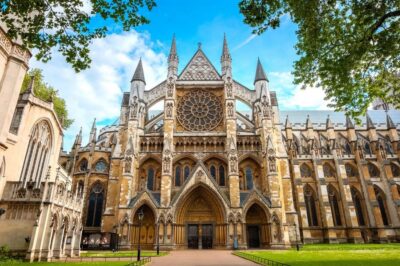
Westminster Abbey Priority Access & Guided City Tour
Read our review →
Eating London: The Heart of ‘The City’ Food Tour
Read our review →
London Luxury Dinner Experience with Panoramic City Views
Read our review →Browse the lists this tour appears in