
Reviewed · CITY TOURS
The Old City of London – Guided Walking Tour 12 guests 2,5h
London’s oldest core is a history book you can walk through. In 2.5 hours, this tour links Roman walls, the Knights Templar’s Temple Church, the Great Fire, St Paul’s Cathedral, the Tower of London, and two very different Thames bridges.
I like the compact route, which lets you see a surprising amount without giving up half a day. I also like the personal scale: the tour allows no more than eight people, and guide Colin is praised for telling stories from several angles. The drawback is clear: this is mainly an exterior sightseeing walk, and security rules mean some places may not be entered.
In This Review
- Key points
- Why this route works for a first look at the City
- Temple Church and the Knights Templar
- St Bride’s Church and the rebuilding of London
- St Paul’s Cathedral from the outside
- St Mary-le-Bow and the sound of London
- Guildhall and the Roman layer beneath the City
- The Bank of England and the modern City
- The Monument and the Great Fire
- The Thames, Tower Bridge, and Millennium Bridge
- The Tower of London as the final landmark
- What $61 means in practical value
- Timing, footwear, weather, and bags
- Who should book this London walk
- FAQ
- How long does the Old City of London walking tour last?
- Where does the tour begin?
- What language is the tour conducted in?
- How many people can join the tour?
- Are attraction admission fees included?
- Can I bring luggage?
- Is the tour suitable for wheelchair users?
- Should you book it?
Key points
- Roman London in plain sight: See remains and traces of the defensive wall built around 220 AD.
- A strong story arc: The route moves from Roman settlement to medieval power, the Great Fire, and modern London.
- Temple Church connection: Revisit a setting linked with The Da Vinci Code and the Knights Templar.
- Big landmarks, close together: St Paul’s, the Bank of England, the Monument, Tower Bridge, and the Tower of London all fit into one walk.
- Small-group feel: The stated maximum is eight people, with private groups available.
- Practical walking tour: Bring comfortable shoes, water, weather protection, and no large luggage.
Why this route works for a first look at the City
The City of London is not the same thing as greater London. It is the small financial district at the heart of the capital, and it holds layer after layer of the city’s past. This walk gives you a useful first orientation instead of treating each landmark as a disconnected photo stop.
The route begins near Temple Station and heads east. That direction matters. You move from the legal district and old religious foundations toward the financial center, the river, and the medieval fortress of the Tower of London.
You will not spend long inside each sight. The plan allows about 10 minutes at each stop, including walking, guiding, and photographs. That makes the tour good for context and navigation. It is less suitable if you want a long look at cathedral interiors, church details, or museum displays.
The small group helps here. With a maximum of eight people, you should be able to hear the guide and ask questions without fighting through a crowd. A private group option is available if you want the pace and attention shaped around your party.
More London walking tours:
- Magical London: Harry Potter Guided Walking Tour
★ 4.7 · 22,044 reviews - London: The Original Jack the Ripper Walking Tour
★ 4.7 · 7,833 reviews - Tour for Muggles The Ultimate Harry Potter Walking Tour in London
★ 5.0 · 4,684 reviews
Temple Church and the Knights Templar
Temple Church is one of the most unusual early stops. The church was once tied to the Knights Templar, the medieval religious and military order that has attracted plenty of modern myths. The tour connects the site to scenes from The Da Vinci Code, giving you a pop-culture doorway into an older story.
Expect a guided visit or photo stop lasting about 10 minutes. The supplied details do not promise full interior access, so you should treat this as a guided look at the site rather than a guaranteed church visit.
I like this opening because it immediately gives the walk two layers. You get the real medieval institution, then the fictional world that brought the building back into popular attention. A good guide can separate fact from story without draining the fun from either.
This is also a useful point to ask questions. The tour is conducted in English, and the guide’s role is more than pointing at façades. Colin, one of the named guides, is specifically praised for explaining events from different angles. That approach should suit you if you prefer connections and causes instead of a string of dates.
St Bride’s Church and the rebuilding of London
St Bride’s Church brings the route into the story of London’s great fires and repeated rebuilding. The walk uses the church as a short stop, with time for photographs, sightseeing, and explanation.
The church is part of the area’s older fabric, but the tour does not promise an extended interior visit. That is worth keeping in mind if church architecture is your main reason for booking. You will get more historical orientation than detailed study.
This section helps you see London as a city that has been damaged, redesigned, and rebuilt many times. You are not only looking at old stones. You are learning to notice how different periods sit beside one another in the same few streets.
St Paul’s Cathedral from the outside
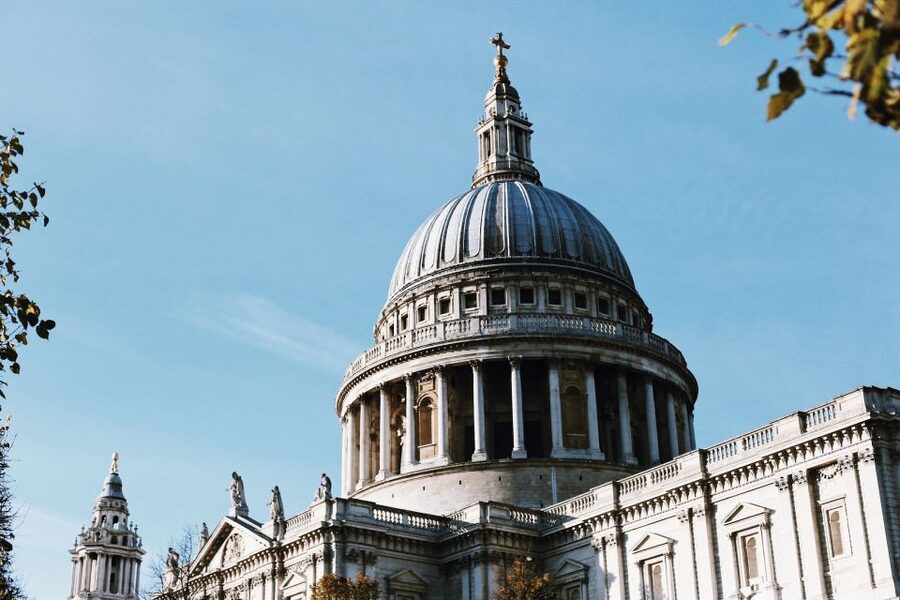
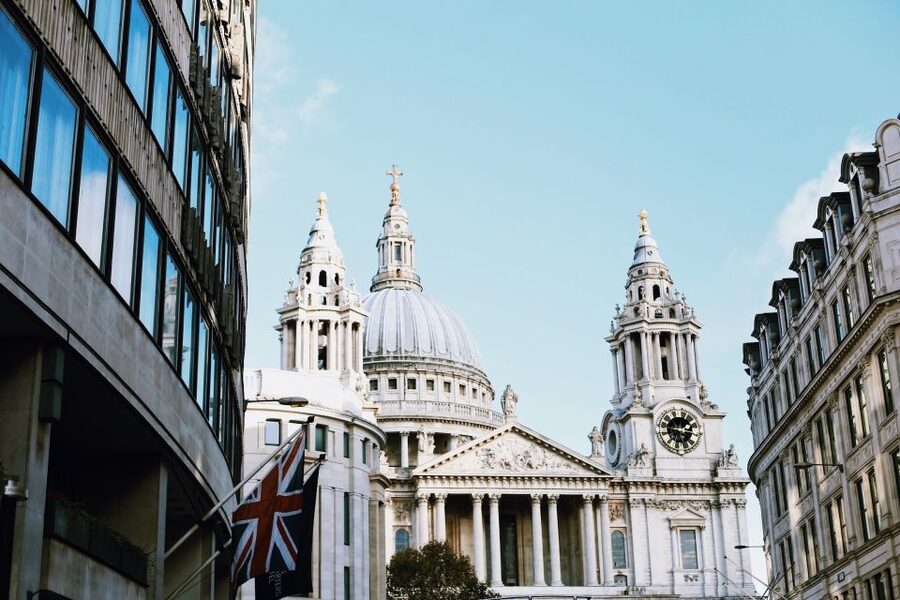
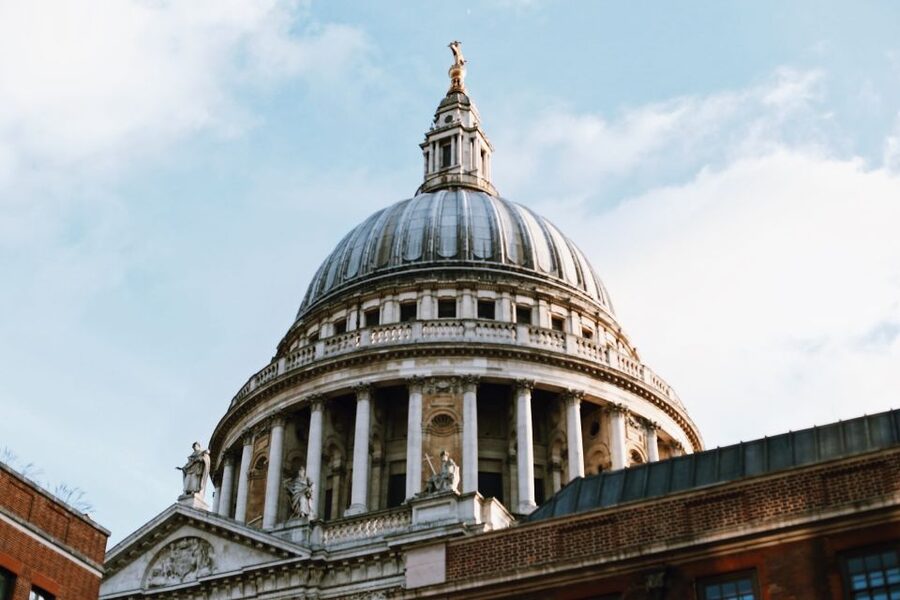
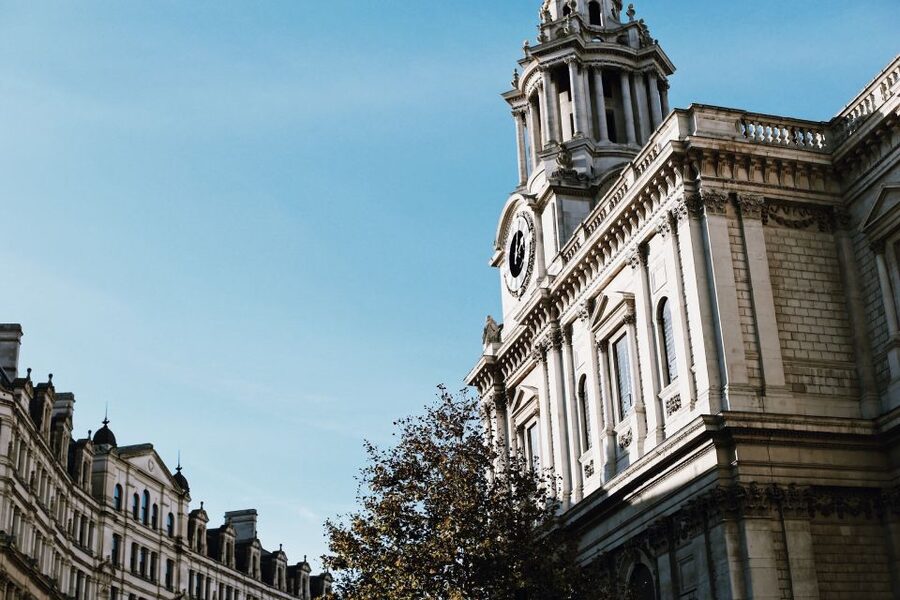
St Paul’s Cathedral is one of the tour’s major visual rewards. Its dome is among London’s most recognizable sights, and the guide also points out its connection with the 1981 wedding of Charles and Princess Diana.
The stop is scheduled for roughly 10 minutes. There is no promise of entry, and the tour price does not include admission. If you want to climb the dome, see the galleries, or spend time inside the cathedral, you will need to plan a separate visit.
That limitation is not necessarily a problem. A short exterior stop works well if you are using this walk to get your bearings before returning later. You can hear the basic story, take in the scale of the building, and then decide if an interior visit deserves a longer block in your schedule.
I would not book this tour as a substitute for St Paul’s itself. I would book it as a way to place the cathedral within the wider story of the City.
A few more London days worth a look
- London: Emirates Stadium Entry Ticket and Audio Guide
★ 4.7 · 5,513 reviews - Stonehenge, Windsor Castle and Bath Full Day Guided Tour
★ 4.5 · 5,346 reviews - London Jack the Ripper Guided Tour with Ripper-Vision
★ 4.5 · 4,840 reviews - Original Harry Potter Locations Tour – Guided Tour of London
★ 5.0 · 4,117 reviews
St Mary-le-Bow and the sound of London
St Mary-le-Bow adds another layer to the route. It is one of the City’s best-known churches, and its name is closely tied to the idea of a Cockney born within the sound of its bells.
The stop is again short, around 10 minutes. You will have time to look, take photographs, and hear the guide explain why the church matters. The information provided does not guarantee entrance, so plan on an exterior focus.
This pause also breaks up the larger landmarks. The City is not only cathedrals, banks, bridges, and castles. Its churches, squares, lanes, and pubs make the district feel like a place where people actually work and live, not just a collection of monuments.
Guildhall and the Roman layer beneath the City
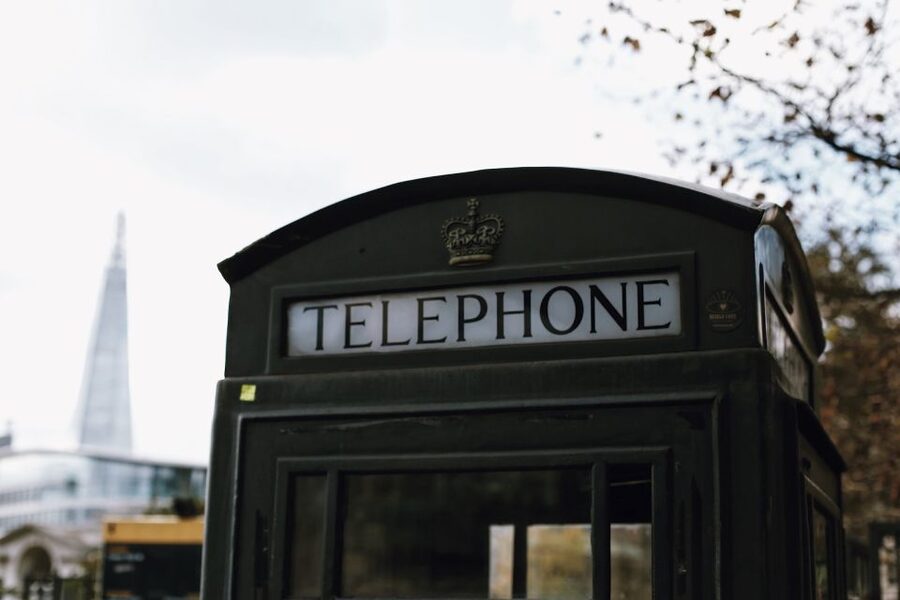
Guildhall gives the walk a civic and Roman connection. The City’s Roman past is one of the main themes, and the route explains how early settlements were later fortified by a wall built around 220 AD.
You can still see parts and traces of that defensive system. The tour does not turn into a long archaeological visit, but it helps you understand the shape of Roman London and how the old wall influenced the City that followed.
This is where the route earns its price for history-minded visitors. You are not merely being shown an ancient fragment. You are being shown how to read the modern streets around it. The Roman period, medieval city, financial district, and present-day London occupy the same compact area.
The Guildhall stop is also a good reminder that power in London was not always centered at the royal palaces people first picture. Civic government, trade, courts, churches, and royal authority all overlap here.
The Bank of England and the modern City
The Bank of England marks the shift toward London’s financial identity. You will see the building as part of a guided exterior stop and hear how the City developed into a center of banking and commerce.
If you are mainly interested in medieval buildings, this part may feel less atmospheric. That is the trade-off in the route. It does not freeze London in the past. It shows how the old City became the modern financial district.
I like that balance. A tour that covered only Roman and medieval sights would leave out one of the main reasons this area matters today. The Bank of England makes the change in London’s role easy to follow, especially after the earlier stops at churches and Guildhall.
The Monument and the Great Fire
The Monument to the Great Fire of London is one of the clearest story stops on the walk. The guide discusses the disaster in the shadow of the column, which was built to commemorate the fire.
The short stop gives you a chance to connect a famous event with the streets around it. The Great Fire was not simply a dramatic date in a textbook. It changed the City’s buildings, roads, and future planning.
You should not expect time to climb the Monument during this tour. The schedule is built around a guided look and a photo stop, not a separate attraction visit. If you want to go inside, check its opening information and set aside additional time.
This is also a useful place to pause and take stock. By now, the route has moved from Roman defense to medieval institutions, churches, civic government, banking, and urban disaster. The tour’s main strength is this steady chain of change.
The Thames, Tower Bridge, and Millennium Bridge
The river section gives you a break from the narrow City streets. The walk heads toward the Thames and compares Tower Bridge with the newer Millennium Bridge.
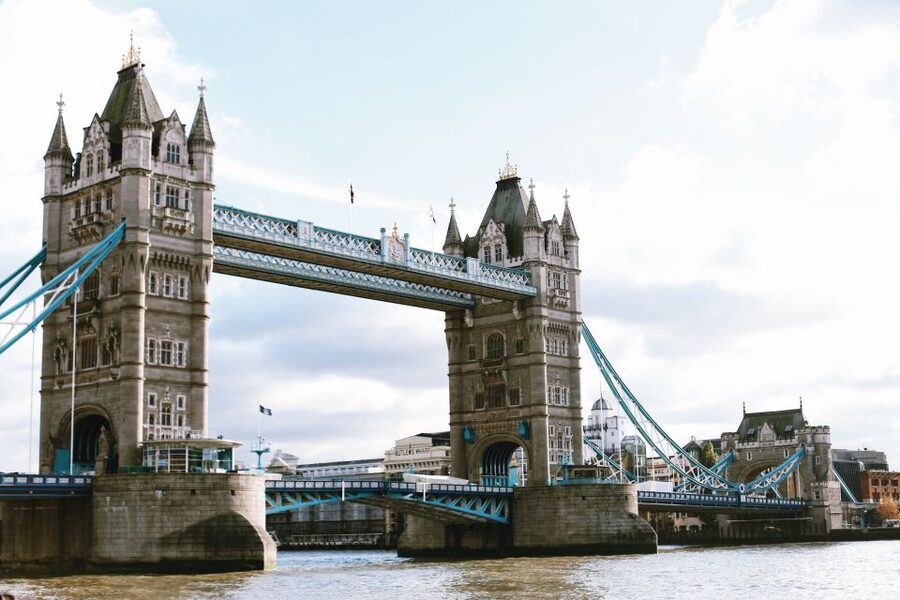
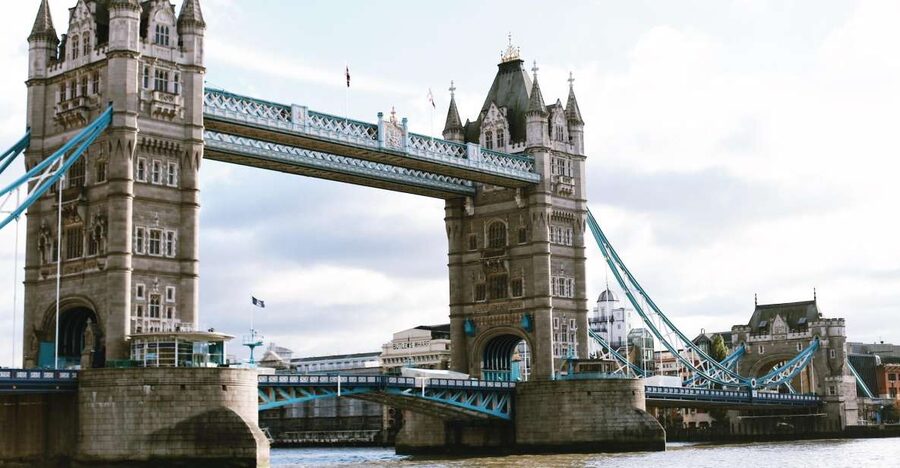
Tower Bridge is the postcard star, with its towers and upper walkways. Millennium Bridge offers a very different look: a modern pedestrian crossing tied to the more recent city. Seeing them in the same broader route makes the contrast useful rather than abstract.
The tour details do not promise entry to Tower Bridge or a full crossing of either bridge. Treat this as a guided riverside orientation and photo opportunity. You can use the information to plan a return visit or decide where to continue after the tour.
I find this part especially helpful at the end of a walking route. The river gives you a clear sense of direction. From here, you can work out how to continue toward the Tower, the South Bank, or other parts of central London, depending on your plans.
The exact river stops are not fully named in the provided schedule, so the route may include several additional sightseeing points between the main landmarks. That flexibility can be useful, but you should not expect a fixed list of every minor stop.
The Tower of London as the final landmark
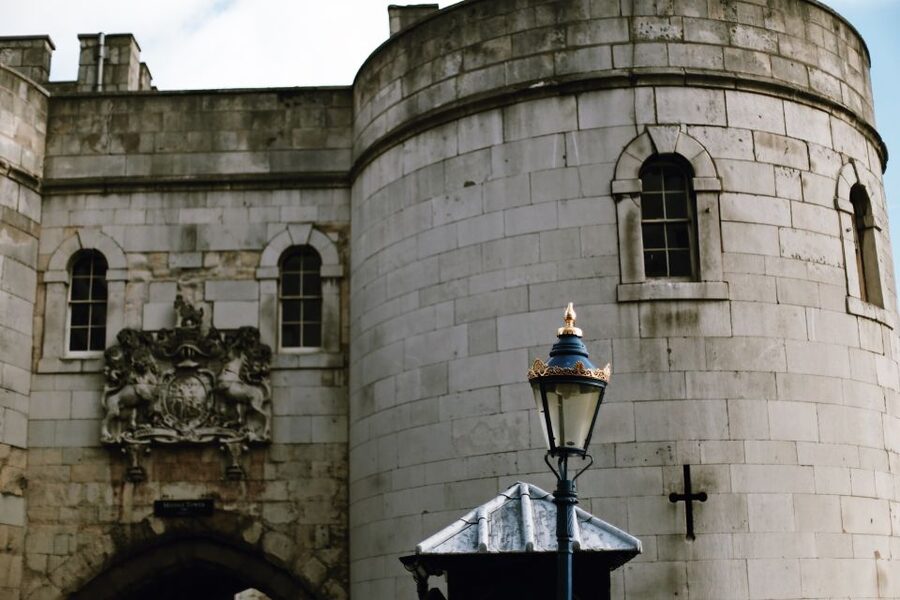
The Tower of London is the natural climax. It brings together royal power, imprisonment, ceremony, and the medieval side of the City in one highly recognizable place.
The tour includes a guided sightseeing stop and photo opportunity. It does not include admission, a full internal visit, or the time needed to see the Crown Jewels and other displays. If the Tower is high on your list, plan a separate visit on another day or before your schedule gets tight.
That may sound like a limitation, but it keeps the walking tour within 2.5 hours. Trying to combine a proper Tower visit with all the earlier stops would make the experience rushed and expensive.
The guide can give you a useful introduction to the fortress before you return on your own. You will have a clearer sense of its place in London’s story, rather than arriving with only a photograph in mind.
What $61 means in practical value
At $61 per person, this is not the cheapest way to see London’s landmarks. You can walk many of these streets independently for free. The value comes from the guide’s structure, local explanations, and the time saved connecting distant pieces of the City.
You are paying for a focused route that covers Roman remains, historic churches, St Paul’s, the Bank of England, the Monument, the river, Tower Bridge, and the Tower of London in one outing. For a first visit, that can be a fair trade, especially if you want someone to explain what you are looking at.
The value drops if you already know the City well or prefer to linger inside major sights. The tour does not include food, drinks, hotel pickup, luggage storage, or attraction admission. You should budget separately for any interior visits.
The guide is the biggest variable in a walking tour. The available feedback is very positive, with Colin singled out for telling stories from different angles and another booking described simply as having a great guide. Those comments point to the experience’s strongest feature: interpretation, not access.
Timing, footwear, weather, and bags
The walk involves a moderate amount of walking. Wear comfortable shoes, bring a bottle of water, and dress for London’s changeable weather. A rain umbrella is sensible, while a hat is useful in summer.
The tour operates in all weather conditions. That means you should not assume rain will cancel it. National celebrations can affect the route, and an alternative route may be used to keep the main highlights in view. Refunds or discounts are not provided in that situation.
Do not bring a suitcase or large bag. Large luggage is not allowed, and there is no luggage or coat storage. Carry only what you need for the walk.
Bring a valid passport or photo ID card. Security measures at attractions may also prevent interior access, even when the buildings are part of the route.
Wheelchair-friendly tours are available only by request, while the experience is listed as unsuitable for wheelchair users. If access is important for you, ask about the available arrangement before booking rather than assuming the standard route will work.
Cancellation is flexible enough for normal trip planning: you can cancel up to 24 hours in advance for a full refund. You can also reserve now and pay later, which helps if your London schedule is still shifting.
Who should book this London walk
This tour suits you best if you want a guided first orientation to the City and enjoy stories that connect Roman, medieval, modern, and popular culture. It is also a good fit for a short London visit when you want to see many major landmarks without building the route yourself.
It works well for history fans, first-time visitors, and anyone who likes a lively guide-led walk. The small group should appeal to you if you want a chance to hear the explanation and ask questions.
You may want a different plan if you need step-free access, are carrying luggage, or want long interior visits. Independent walkers can also reproduce much of the route, but they will need to supply their own historical context and navigation.
FAQ
How long does the Old City of London walking tour last?
The tour lasts about 2.5 hours. The stated duration is between two and 2.5 hours, depending on the route and timing.
Where does the tour begin?
The starting point is near Temple Station. The exact meeting point may vary depending on the option you book.
What language is the tour conducted in?
The live tour guide speaks English.
How many people can join the tour?
The maximum stated group size is eight people. A private group option is also available.
Are attraction admission fees included?
No. The experience includes a professional local guide and sightseeing stops, but food, drinks, hotel transfers, storage, and attraction admission are not included.
Can I bring luggage?
No. Large bags and suitcases are not allowed, and luggage or coat storage is not provided.
Is the tour suitable for wheelchair users?
The standard experience is listed as unsuitable for wheelchair users. Wheelchair-friendly tours may be available by request only.
Should you book it?
Book this tour if you want the City’s main story explained in a short, manageable walk. The best reason is not simply the number of landmarks. It is the way the route joins Roman defenses, Templar legends, churches, banking, the Great Fire, the Thames, and the Tower of London.
At $61, you should expect a guided introduction rather than a series of full attraction visits. Bring good shoes, leave your suitcase behind, and keep another time slot open if you want to explore St Paul’s, Tower Bridge, or the Tower of London inside. If that balance suits you, this is a practical way to get your bearings and see how London’s oldest district keeps changing around you.
Latest arrivals on the London list
- Easy Access Tower of London Royal Secrets & Scandals Tour★ 5.0 · 3 reviews
- Stonehenge Special Access Guided Morning Tour from London★ 4.5 · 3 reviews
- Shoreditch & East London Walking Tour with a Local, Custom & Private★ 5.0 · 3 reviews
- Madame Tussauds London Fast Track and Champagne Experience★ 3.5 · 3 reviews
- London Private Brixton Tour with a Local – Culture & Stories★ 4.9 · 3 reviews
- Private Full Day Tour – Fast Track Tower of London and Lunch★ 4.6 · 3 reviews
- Private transfer from London Heathrow Airport to Southampton★ 5.0 · 3 reviews
- London Soho District – Guided Walking Tour 12 guests 2,5h★ 4.8 · 3 reviews
City Tours, compared.
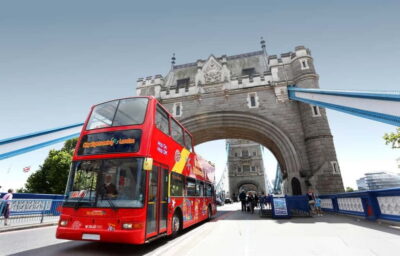
City Sights Hop-On Hop-Off Bus & Bookable Extras
Read our review →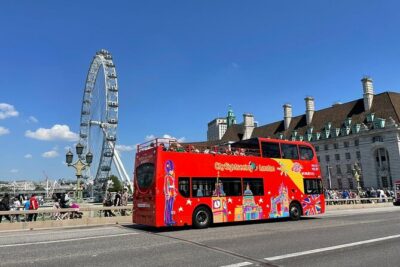
City Sightseeing London Hop-On Hop-Off Bus Tour & Bookable Extras
Read our review →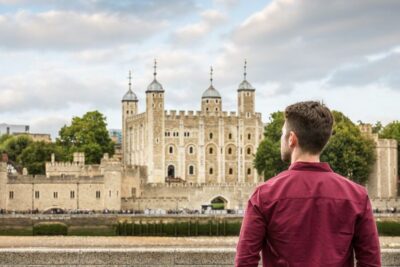
Go City Explorer Pass® – Tickets for 2-7 Attractions
Read our review →
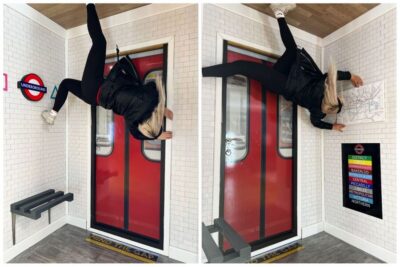
Upside Down House Westfield White City Entry Ticket
Read our review →
Westminster Abbey Priority Access & Guided City Tour
Read our review →
Eating London: The Heart of ‘The City’ Food Tour
Read our review →
London Luxury Dinner Experience with Panoramic City Views
Read our review →Browse the lists this tour appears in