
Reviewed · LONDON
Turmoil, Templars & Oliver Twist London’s Squalor and Splendour
London’s past gets especially vivid when you can walk from a former prison site to a medieval church, then turn a corner and find the headquarters of modern British justice. This two-hour tour links Charles Dickens’s Oliver Twist with the older stories of Holborn and Temple, showing how crime, law, religion, and trade shaped this small but historically packed part of central London.
I like the tour’s small maximum group of 15, which gives you a fair chance to ask questions. I also like the range of stops, from the Knights Templar and Temple Church to the London Silver Vaults and the Old Bailey. The main trade-off is pace: you cover about two miles in two hours, so this suits you best if you can walk steadily and stay on your feet.
In This Review
- Key points to know before booking
- Why this corner of London works so well
- Starting at Bow Street and the world of the Runners
- Freemasons’ Hall and the city’s private institutions
- Royal Courts of Justice and the machinery of law
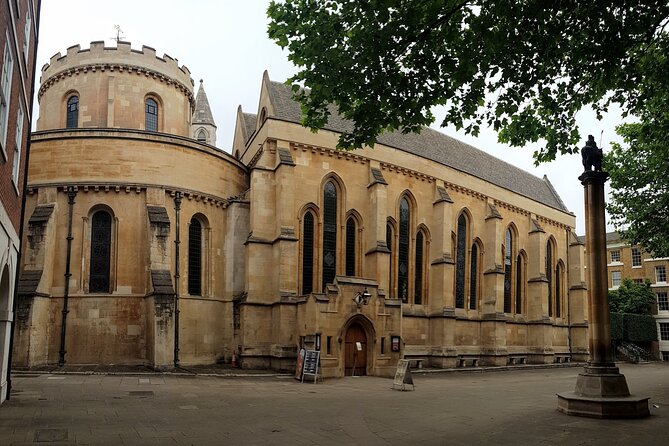
- Temple Church and the Knights Templar
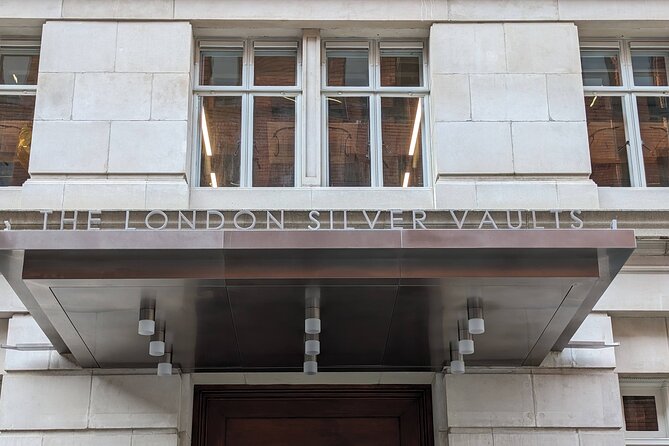
- The London Silver Vaults and London’s commercial side
- Staple Inn and the survival of old London
- Old Bailey, Newgate Prison, and the darker end of the story
- What the two-hour format means
- Is $27.42 a fair price?
- Who should book this London walk?
- Should you book Turmoil, Templars & Oliver Twist?
- FAQ
- How long does the tour last?
- Where does the tour start?
- Where does the tour end?
- How many people can join the tour?
- Is the tour suitable for anyone who cannot walk far?
- What language is the tour offered in?
Key points to know before booking
- Oliver Twist meets real London streets: The route connects Dickens’s fictional world with the places and institutions that shaped his city.
- Seven compact stops: Bow Street, Freemasons’ Hall, the Royal Courts of Justice, Temple Church, the Silver Vaults, Staple Inn, and the Old Bailey all fit into one walk.
- Tom is the guide to look for: The supplied tour details identify Tom as a clear, engaging guide who handles questions well.
- A strong history mix: You get medieval religious history, criminal justice, legal institutions, London trade, and Victorian storytelling in one outing.
- Good value at $27.42: For roughly two hours of guided sightseeing in central London, the price is modest, especially if you enjoy context more than paid entry attractions.
- Plan for movement, not museum time: Each listed stop receives about five minutes, so the tour is about storytelling from the streets rather than long indoor visits.
Why this corner of London works so well
Holborn and Temple can feel like ordinary city streets if you do not know what happened there. Look closer, and the area becomes a record of London’s changing priorities. Medieval religious orders, legal societies, courts, prisons, writers, and commercial specialists all left marks within a fairly compact distance.
That makes this a useful tour early in a London visit. You get a sense of how the city grew in layers instead of hearing one long story about kings and famous monuments. The guide moves between broad events and specific addresses, helping you see why the streets look and function as they do.
The Oliver Twist theme gives the walk a human angle. Dickens wrote about poverty, crime, punishment, and social inequality, and those subjects fit naturally with stops connected to courts, prisons, and old criminal justice. At the same time, the tour does not stay only in the grim world of Dickens. Temple Church, Freemasons’ Hall, and the silver trade add wealth, ritual, and institutional power to the picture.
I would not book this expecting a full Dickens-themed attraction with actors, sets, or extended readings. The appeal is the combination of literary references and real urban history, explained while you walk through the places themselves.
Other London favourites people book with this one:
- London: The London Eye Entry Ticket
★ 4.6 · 35,875 reviews - From London: Harry Potter Warner Bros Studio Tour
★ 4.7 · 26,588 reviews - London: Westminster to Greenwich River Thames Cruise
★ 4.5 · 22,836 reviews
Starting at Bow Street and the world of the Runners
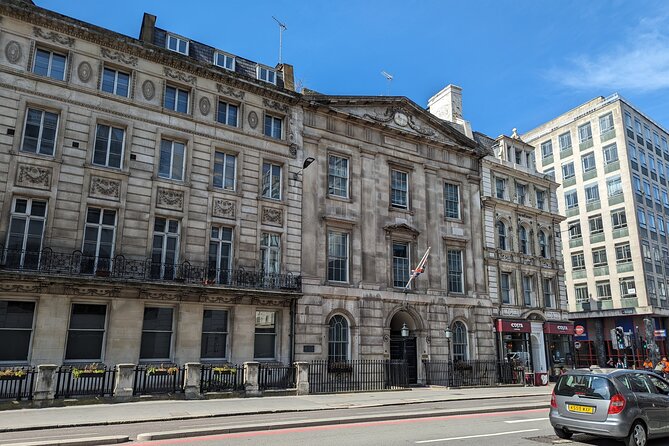
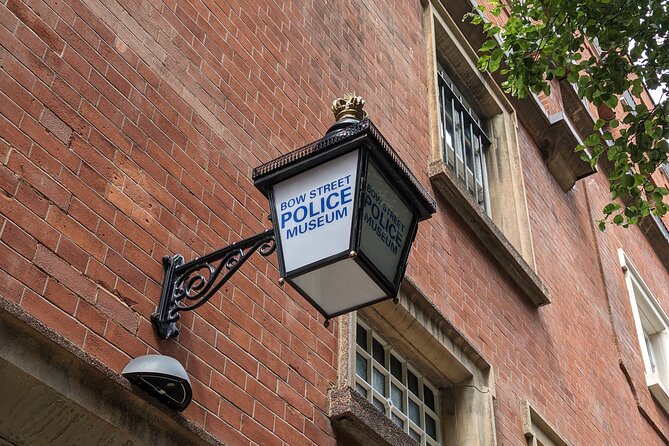
The walk begins at Covent Garden Underground Ltd on Long Acre, London WC2E 9JT. The first listed stop is the Bow Street Museum of Crime and Justice, where you hear about the Bow Street Runners.
This is a sharp way to begin because it puts crime and policing at the front of the story. The Bow Street Runners are linked with the development of organized law enforcement in London, and their story helps explain how the city dealt with crime before modern police systems took shape.
You receive about five minutes at this stop, so expect a focused explanation rather than a full museum visit. The stop is best understood as an introduction to the legal and criminal themes that continue through the rest of the route.
If you arrive by Underground, allow a little time to find the starting point and settle in. The tour begins in a busy central part of London, and being ready before the start matters when the group is kept small and the route follows a timetable.
Freemasons’ Hall and the city’s private institutions
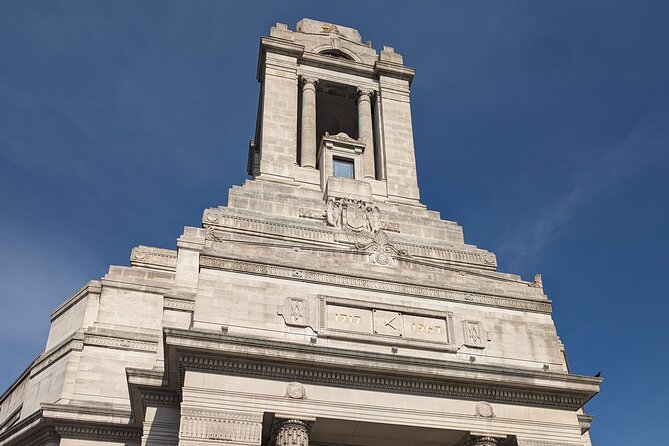
Freemasons’ Hall brings a different kind of history into the walk. Here, the subject shifts from public crime and punishment to the role of Freemasonry and the building’s place in London.
The stop is brief, but it adds useful contrast. London’s story was not shaped only by monarchs and governments. Private societies, professional groups, religious bodies, and legal institutions also created their own buildings and traditions.
You should think of this as a street-level history stop, not a promised interior tour. The information provided lists free admission for each stop, but the tour itself is a guided walk, and the short timing means you should not expect long visits inside every building.
This is one place where Tom’s ability to answer questions matters. The subject can raise plenty of natural questions about the building, the organization, and its role in British life. The group size gives you a better chance of asking instead of simply moving on.
Royal Courts of Justice and the machinery of law
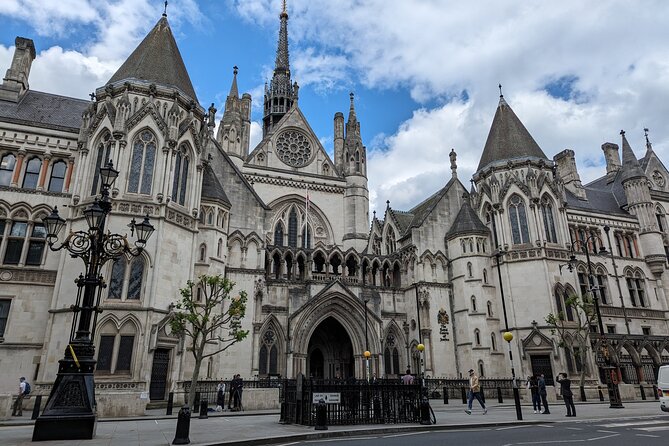
The Royal Courts of Justice is one of the route’s clearest symbols. Its history shows how Britain’s legal system developed and how central courts became part of London’s public identity.
The building also helps connect the tour’s older stories with the city you see today. After hearing about criminal justice in earlier periods, you are looking at a major legal institution that still represents the authority of the courts.
Again, the stop lasts about five minutes. That is enough for a useful explanation and a look at the setting, but not enough for a detailed architectural tour or an extended visit inside. If grand civic buildings are your main interest, you may want to return separately with more time.
I like this stop because it gives the tour a firm structure. The route is not simply a collection of old buildings. It keeps returning to questions of law, power, punishment, and social order, which also sit at the heart of Oliver Twist.
Something completely different for your London days:
- Magical London: Harry Potter Guided Walking Tour
★ 4.7 · 22,044 reviews - London: Madame Tussauds London
★ 4.6 · 20,915 reviews - Stonehenge, Windsor Castle, and Bath from London
★ 4.5 · 18,662 reviews - London: Warner Bros. Studio Tour with Transfers
★ 4.7 · 17,586 reviews
Temple Church and the Knights Templar
Temple Church is likely to be one of the most memorable stops. The guide explains the Knights Templar and the church’s history, bringing medieval Britain into a route otherwise filled with courts, prisons, and city institutions.
The Templars offer a strong example of how religion, warfare, finance, and political influence once overlapped. You get a glimpse of a medieval London that operated by different rules from the Victorian city Dickens described.
The church also gives the route a change of mood. After the legal buildings, Temple Church introduces ceremony and medieval religious life. That shift keeps the walk from feeling repetitive.
The provided timing again suggests a concise explanation from outside or around the site rather than a long church visit. If entering the church is essential to your plans, check the conditions for the date you choose. The tour description promises the history of Temple Church and the Templars, not a guaranteed extended interior visit.
For me, this is where the title’s Templars theme earns its place. You are not being asked to travel across London for one isolated medieval attraction. The church fits naturally into a larger story about the institutions that controlled money, belief, law, and daily life.
The London Silver Vaults and London’s commercial side
The London Silver Vaults shifts the focus from institutions to trade. It is described as the world’s largest collection of retail silver, giving you a glimpse of a specialist commercial world that many visitors would miss on a standard sightseeing route.
This stop is valuable because it shows another side of London’s identity. The city was not only a place of government and punishment. It was also a marketplace where skilled crafts, luxury goods, and specialist businesses found a home.
You receive only a short introduction here, so do not expect time to browse every shop or examine the full collection. Still, even a brief explanation can help you notice the area’s commercial character and understand why this location belongs on a tour about London’s splendor as well as its squalor.
The Silver Vaults also provide a welcome visual change. After medieval history and legal buildings, the silver trade gives the walk a more tangible connection to wealth and consumption.
Staple Inn and the survival of old London
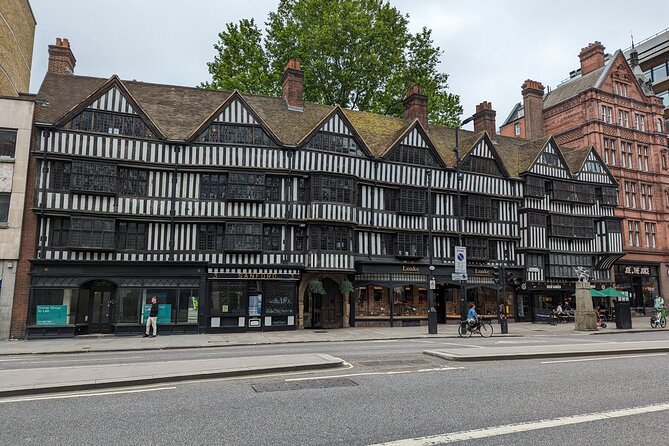
Staple Inn is described as the last remaining building of the Inns of Chancery. That makes it an important stop for understanding London’s legal past and the way professional institutions once organized themselves.
The building helps you see how legal London developed around communities of lawyers and related societies. It also gives the route a strong sense of continuity. The city changed, but some structures survived and still hint at the older arrangement of streets, professions, and institutions.
This is the sort of stop that benefits from a guide who can supply context. On your own, you might admire the building and move along. With an explanation, you can place it within the story of legal training and the broader world of the courts.
Since the tour moves through a working central district, expect a city walk rather than a quiet heritage trail. You may encounter normal traffic, pedestrians, and urban noise. That is part of the setting, but it can make it harder to hear if you drift too far from the guide.
Old Bailey, Newgate Prison, and the darker end of the story
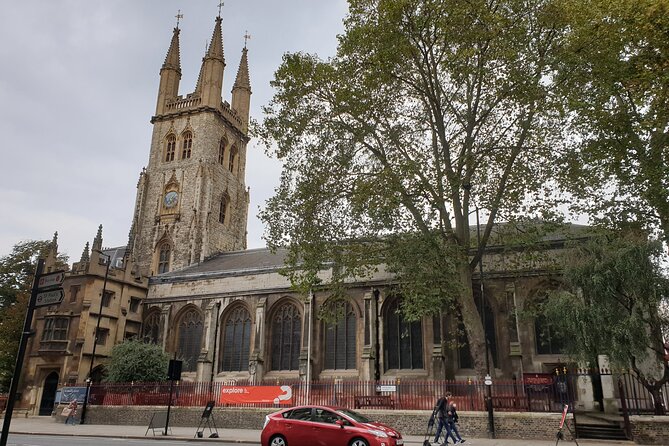
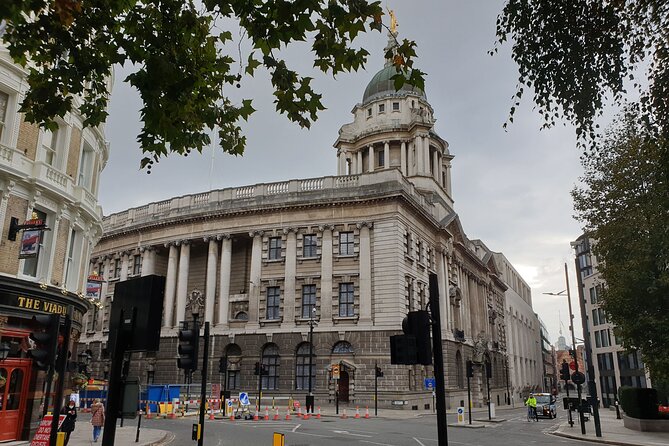
The walk ends at the Old Bailey, the site of the Central Criminal Court, where Newgate Prison once stood. This is a fitting finish for a tour that begins with the Bow Street Runners and uses Oliver Twist as one of its main cultural threads.
Newgate Prison is closely tied to the grim side of London’s past, including punishment, crime, and the social conditions that Dickens brought into public view. The Old Bailey then connects that older world with the continuing work of criminal courts.
The final stop gives the tour a clear sense of place. You are not just hearing about a fictional character moving through a vague Victorian city. You are standing in an area tied to the real systems of justice that shaped stories about criminals, prisoners, victims, and the poor.
The ending point is near Blackfriars Station on the northern bank of the River Thames, at Superdrug Health Clinic, 36 to 37 New Bridge Street, London EC4V 6BJ. That is useful if you plan to continue sightseeing south of the river or use Blackfriars for your next journey.
What the two-hour format means
Two hours is a sensible length for this route. You get seven stops and a broad range of subjects without committing half a day to one neighborhood.
The limitation is depth. With roughly five minutes assigned to each listed stop, the guide needs to keep the story moving. You will hear the essential background and have a chance to ask questions, but you will not receive a long lecture at every location.
That format suits you if you prefer a lively overview and want to keep exploring afterward. It is less suitable if you want to spend substantial time inside museums, churches, or historic buildings.
The tour is advertised as a small-group experience with a maximum of 15 people. That is a real advantage in a walking tour. You can stay close to the guide, ask about a detail that catches your attention, and avoid the impersonal feel of a large crowd.
Several comments about Tom describe him as clear, engaging, and full of useful facts. One family found that he answered questions well and packed a lot into two hours. Another person had already taken three of his tours and planned to take more. That points to a guide-led experience where the quality of the storytelling is central to the value.
There is also a reference to a virtual tour taken in the evening, with particular interest in the law courts and Temple area. The experience described here is the in-person walking tour, but that note suggests the subject matter can also work well when presented through stories and explanation rather than only through physical access.
Is $27.42 a fair price?
At $27.42 per person, I consider this a reasonable price for central London. You are paying for about two hours with a guide, a small group, and a route that covers several major historical themes without separate admission charges listed for the stops.
The value is strongest if you enjoy context. A free walk through Holborn and Temple might show you the same streets, but it would not necessarily explain the Bow Street Runners, the Templars, the Inns of Chancery, Newgate Prison, and Dickens in one connected story.
The price is less compelling if you mainly want interior access. The tour description does not promise extended entry to the Royal Courts of Justice, Temple Church, or the Silver Vaults. In that case, treat the tour as a guided orientation, then decide which places deserve a return visit.
The fact that the tour is often booked about 31 days in advance is a useful planning clue. If your London dates are fixed, reserving early is sensible. The group limit is 15, and small tours can fill before larger sightseeing options do.
Who should book this London walk?
I would choose this tour if you like literary London but want more than a simple Dickens trail. The legal, medieval, and commercial subjects give the walk more range than a route focused only on Oliver Twist.
It also suits first-time visitors who want to understand central London’s less obvious layers. You still see important buildings, but the tour does not depend on the usual parade of royal palaces and famous squares.
History-minded families may enjoy it, provided everyone can walk at a reasonable pace. The supplied guidance says the route is not recommended for anyone unable to walk two miles at that pace. Wear comfortable shoes and be ready to remain outdoors for much of the experience.
You may want to skip it if you dislike guided walks, need frequent stops, or prefer to spend an hour inside one attraction. The route covers a lot of ground, and its strength is the connection between places rather than a long visit at any single one.
Should you book Turmoil, Templars & Oliver Twist?
Book it if you want a compact, story-led introduction to Holborn and Temple and you like the idea of connecting Dickens with real courts, prisons, medieval religious orders, and London trade. Tom’s clear style and willingness to answer questions add value, especially in a group capped at 15.
Skip it if your priority is a full museum or church visit. This is a walking overview with strong historical links, not a series of lengthy admissions.
At $27.42, the tour makes a sensible addition to a London itinerary, particularly near the start of your stay. It gives you a better sense of what you are seeing, and it ends near Blackfriars Station, making it easy to continue exploring.
You can cancel for a full refund if you do so at least 24 hours before the start time. Changes or cancellations inside that window are not accepted for a refund, and the experience requires a minimum number of participants to run.
FAQ
How long does the tour last?
The walking tour lasts approximately two hours.
Where does the tour start?
It starts at Covent Garden Underground Ltd on Long Acre, London WC2E 9JT, UK.
Where does the tour end?
It ends at Superdrug Health Clinic, 36 to 37 New Bridge Street, London EC4V 6BJ, near Blackfriars Station on the northern bank of the River Thames.
How many people can join the tour?
The tour has a maximum of 15 participants.
Is the tour suitable for anyone who cannot walk far?
No. It is not recommended if you are unable to walk two miles at a reasonable pace.
What language is the tour offered in?
The tour is offered in English.
Latest arrivals on the London list
- Easy Access Tower of London Royal Secrets & Scandals Tour★ 5.0 · 3 reviews
- Stonehenge Special Access Guided Morning Tour from London★ 4.5 · 3 reviews
- Shoreditch & East London Walking Tour with a Local, Custom & Private★ 5.0 · 3 reviews
- Madame Tussauds London Fast Track and Champagne Experience★ 3.5 · 3 reviews
- London Private Brixton Tour with a Local – Culture & Stories★ 4.9 · 3 reviews
- Private Full Day Tour – Fast Track Tower of London and Lunch★ 4.6 · 3 reviews
- Private transfer from London Heathrow Airport to Southampton★ 5.0 · 3 reviews
- London Soho District – Guided Walking Tour 12 guests 2,5h★ 4.8 · 3 reviews