
Reviewed · HISTORICAL TOURS
City of London Historical Walking Tour
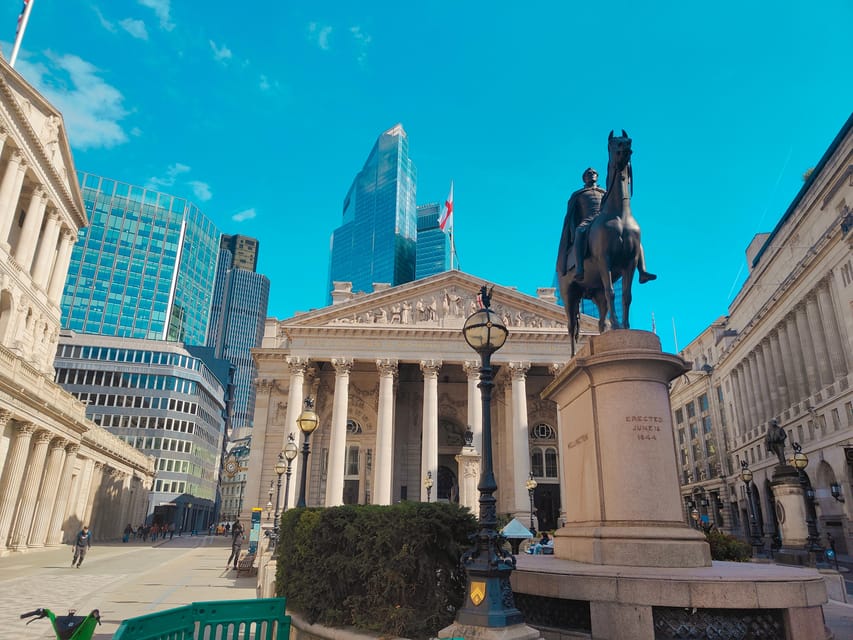
The most interesting thing about this City of London walking tour is its central idea: the famous square mile is not simply old London. It developed as a distinct power centre, often resisting royal control while helping shape England’s laws, money, and democratic traditions. Guide Arjun uses the city’s dragons, ruins, guild halls, and trading institutions to tell that long story.
I like the small group of eight, which gives you room to ask questions and makes a history-heavy walk feel like a conversation. I also like the focus on overlooked places, including parts of the City that can seem ordinary until Arjun explains what happened there. The main consideration is the pace: 2.5 hours of walking and listening may feel demanding if you prefer a quick sightseeing loop.
In This Review
- Key points
- Why the City of London needs its own tour
- From Celtic roots to Roman London
- Salters’ Hall and the people behind the City
- The City against the Crown
- Guildhall and the civic heart of London
- How a corporation helped build an empire
- The Royal Exchange and Mansion House
- The dragon, plague, fire, and revolution
- Finishing at the Bank of England
- A personal guide and a very small group
- Is $30 a fair price?
- Who should book this City of London walk?
- FAQ
- How long does the City of London Historical Walking Tour last?
- How much does the tour cost?
- Where does the tour begin?
- How do I identify the guide?
- What language is the tour conducted in?
- Is the tour wheelchair accessible?
- Is food included?
- Should you book it?
Key points
- A story across two and a half millennia: Move from Celtic roots through Roman, Saxon, Viking, and Norman London.
- The City versus the Crown: Learn why the ancient City of London guarded its independence and rights so fiercely.
- Small group, personal guide: The tour is limited to eight people, with Arjun leading the English-language walk.
- The less obvious London: The route favours quiet corners, historic institutions, and details easy to miss alone.
- A dramatic final chapter: Plague, the Great Fire, revolution, and the rise of the dragon emblem bring the story into the late 17th century.
- Practical value: At $30 per person, you get a 2.5-hour guided walk, a follow-up PDF, and free cancellation up to 24 hours before the start.
Why the City of London needs its own tour
Many people use London to mean the whole capital. Historically, that is not quite right.
The ancient City of London is a compact area at the heart of the modern metropolis, but it has its own old corporation, traditions, privileges, and political identity. Westminster grew into the centre of the monarchy and national government. The City developed around trade, property, finance, and civic self-rule.
That distinction gives this walk its purpose. Instead of simply ticking off famous buildings, you learn why this small area mattered so much to kings, merchants, lawmakers, and foreign traders. The City was valuable because it could raise money, organise commerce, and defend its rights.
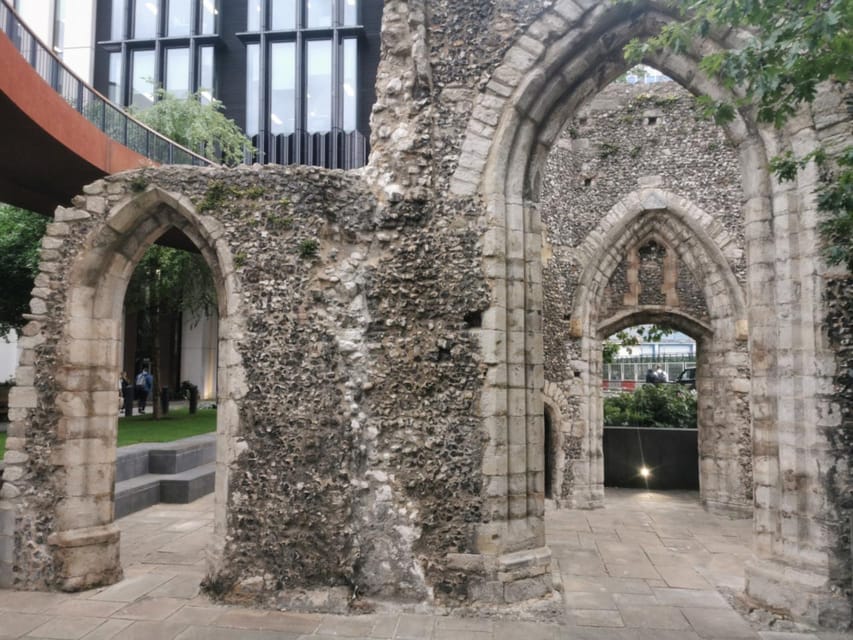
I especially like this approach for anyone who already knows the usual London sights. The route does not depend on grand views or blockbuster attractions. It asks you to look at the street plan, old corporations, surviving ruins, and symbols on buildings. Places that appear modest can become meaningful once you know what they represent.
The tour begins at Barbie Green restaurant, opposite the ruins. Look for the guide with longish hair and a beard, plus a felt green dragon on his backpack. That meeting detail is useful in a crowded central area, especially if you arrive early and need to identify the right person.
More London history walks:
- London Small Group Tour of Historical Pubs
★ 5.0 · 10,422 reviews - Soho Music & Historic Pubs Tour
★ 5.0 · 1,993 reviews - London: Historic Pubs of Central London Walking Tour
★ 4.9 · 1,065 reviews
From Celtic roots to Roman London
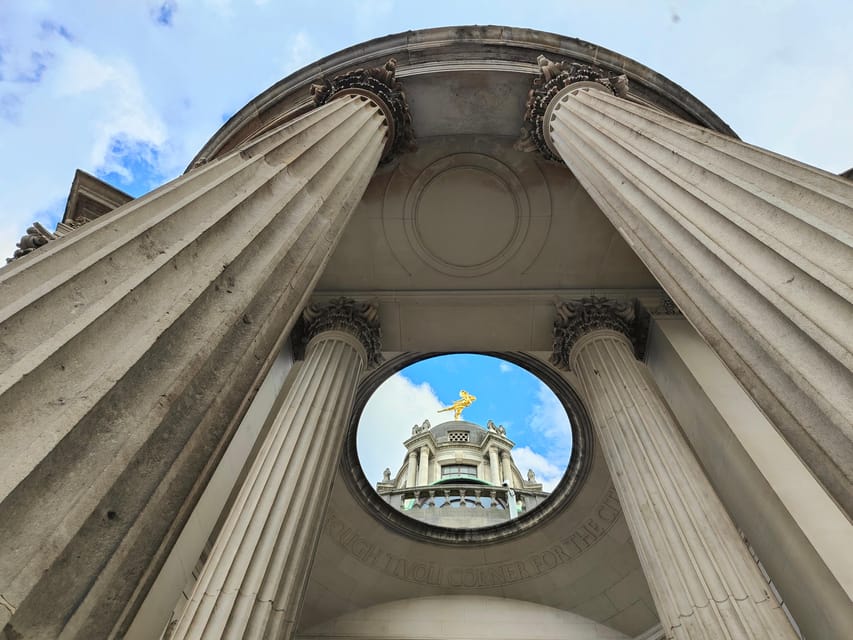
The opening section covers the earliest layers of the city, beginning with Celtic settlement and moving into the Roman period. You will not get a simple list of dates. The aim is to understand why this particular location grew into an important urban centre.
The Roman story is one part of a longer chain. London changed hands and character as Saxons, Vikings, and Normans arrived, settled, fought, traded, and governed. Each group added something to the city’s identity, while older traces remained beneath later streets and buildings.
The first guided sections last about 15 minutes, followed by several stops of roughly 10 minutes each. That structure matters. You are not expected to listen to one long lecture while standing in one place. The story moves in short chapters, helping you connect one period with the next.
You should expect history rather than a parade of major interiors. The supplied route names only a few formal stops, so much of the value comes from the guide’s explanation of the streets and places around you. This is a good reason to stay close enough to hear clearly.
Salters’ Hall and the people behind the City
One named stop is Salters’ Hall, reached after several early history sections. The hall represents the kind of organisation that helped the City function: a livery company with civic, professional, and social duties.
The tour uses such institutions to widen the story beyond monarchs and battles. London was built by merchants, craftsmen, religious communities, immigrants, officials, and workers from many backgrounds. The City’s influence came from organised people as much as from royal decrees.
You may find this part especially useful if you like social history. It helps explain how power operated at street level. A guild or company was not just a decorative old institution. In the City’s story, corporations could control trades, build networks, raise funds, and take part in public life.
There is also a practical advantage to this stop. Salters’ Hall is not the kind of place most people put at the top of a first-time London itinerary. It gives the walk its promised offbeat quality without asking you to leave the central area.
The City against the Crown
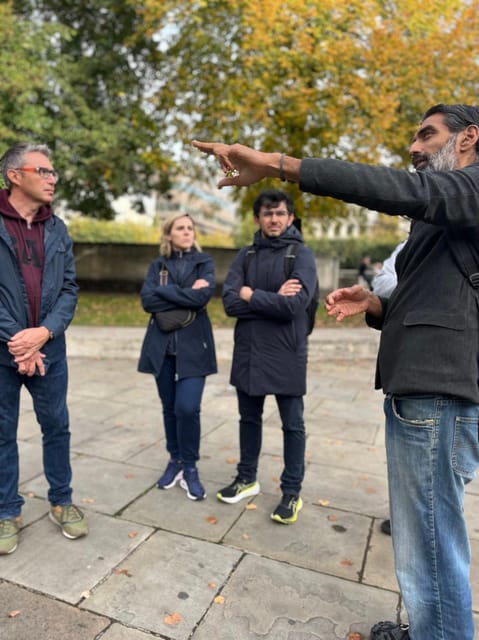
The strongest theme of the tour is the City’s uneasy relationship with monarchy.
The City of London was useful to kings, but usefulness did not mean obedience. Its wealth gave it bargaining power. Its corporation protected ancient customs and privileges, and its leaders could push back when royal demands went too far.
The discussion includes the City’s role in England’s legal and political development, including the Magna Carta. The point is not that one street or building alone explains democracy. Rather, you see how the City’s interests, institutions, and resistance to arbitrary authority formed part of a wider struggle over rights and government.
This is where Arjun’s storytelling matters. History can become dry when it is reduced to constitutional language. The tour connects legal ideas with the practical interests of a wealthy city that wanted control over its own affairs.
For you, the benefit is a clearer picture of why London’s power was divided. Westminster represented royal and national authority, while the City guarded its own civic identity. That tension helped shape the country’s political habits long after the medieval period.
More London walking tours:
- Magical London: Harry Potter Guided Walking Tour
★ 4.7 · 22,044 reviews - London: The Original Jack the Ripper Walking Tour
★ 4.7 · 7,833 reviews - Tour for Muggles The Ultimate Harry Potter Walking Tour in London
★ 5.0 · 4,684 reviews - London Jack The Ripper Guided Walking Tour
★ 5.0 · 3,131 reviews
Guildhall and the civic heart of London
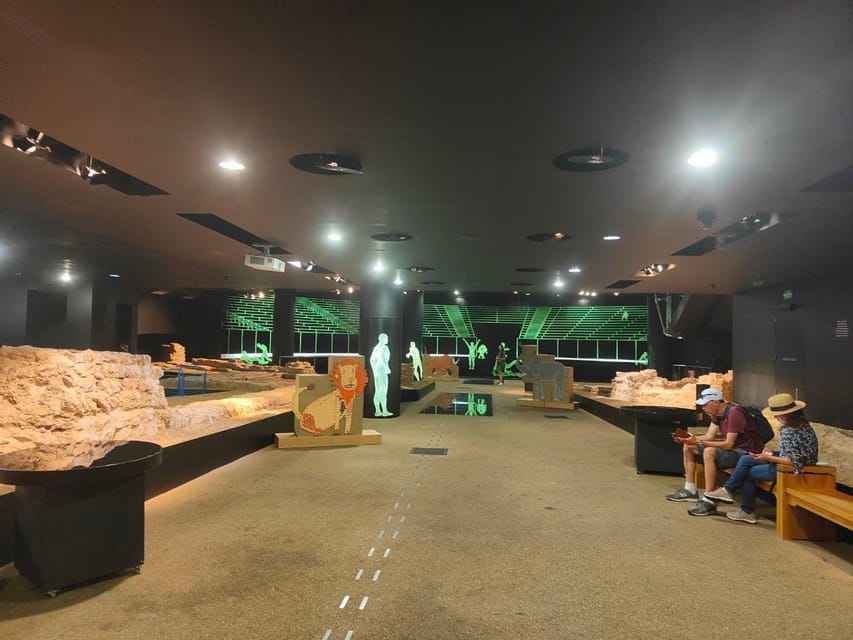
Guildhall receives a longer 15-minute stop, and it is one of the route’s key moments. The building is closely tied to the City’s corporation and civic life, making it a natural place to discuss how local authority operated.
Here the tour moves from abstract ideas to institutions. The corporation was not merely an old administrative body. It helped the City manage its affairs, defend its privileges, and support the commercial system that later reached far beyond London.
The route gives you another 15-minute section after Guildhall, followed by a longer 25-minute guided stop. That longer pause suggests the middle and later parts of the tour are given room for explanation rather than rushed photo stops.
The attraction of Guildhall is not only the building itself. It is what the place represents. You are looking at a centre of civic power, where the City’s local identity intersected with the wider ambitions of England.
How a corporation helped build an empire
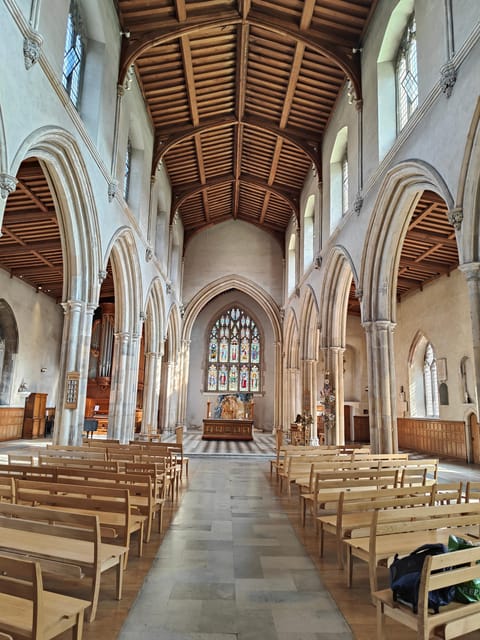
One of the tour’s more unusual themes is the connection between the City’s corporation and the growth of a global empire.
This is not presented as a tale of kings alone. Trade, finance, legal structures, companies, and civic networks helped Britain expand its reach. The City supplied many of the people, institutions, and financial tools that made long-distance commerce possible.
That subject deserves a measured treatment. Empire brought wealth and influence to Britain, but it also involved exploitation and unequal power. The supplied description emphasises the corporation’s role in driving expansion, so you should expect attention to institutional influence rather than a full examination of every consequence.
Still, I value the subject because it links familiar London streets to a much larger world. You begin with a small civic district and end up considering how decisions made there affected trade and power far beyond England.
The Royal Exchange and Mansion House
The route then reaches the Royal Exchange, with a short five-minute guided section. The exchange is an ideal place to connect the City’s older civic traditions with its commercial identity.
You are not simply being shown a financial landmark. You are being asked to consider the systems of credit, trade, and business that made the City wealthy and politically important. The stop also helps explain why this small district became the envy of kings.
Mansion House follows, also with about five minutes of guiding. As the official residence of the Lord Mayor of London, it adds another piece to the City’s unusual political structure.
These stops are brief, so do not expect extended interior visits or a long architectural presentation. Their value is in the connections Arjun draws between civic office, finance, trade, and the City’s long fight to maintain its rights.
If you enjoy grand buildings mainly for their appearance, these pauses may feel short. If you like knowing why an institution exists and how it fits into London’s power structure, they should reward your attention.
The dragon, plague, fire, and revolution
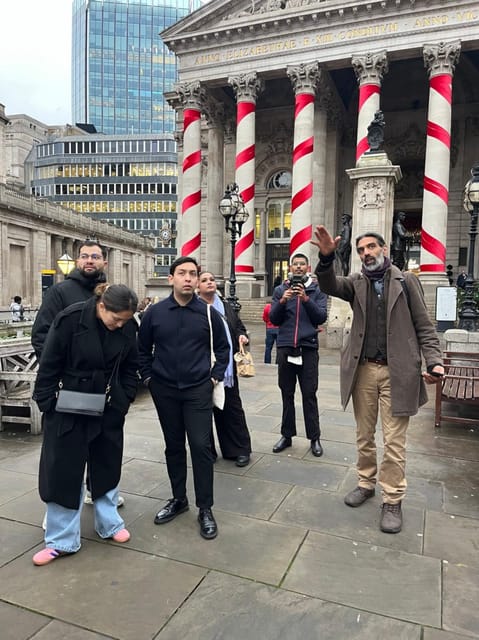
The dragon emblem gives the tour a memorable symbol. It reflects the City’s identity as a place that guarded its independence, survived repeated shocks, and rebuilt after disaster.
The final historical section reaches the turbulent 17th century, bringing together plague, the Great Fire, and revolution. These events changed London physically and politically. They also tested the City’s ability to protect its institutions and recover from catastrophe.
The phoenix image is part of the tour’s closing idea: a city damaged by fire and disease could rebuild while holding onto its privileges. That does not mean the recovery was simple or equal for everyone. But it does explain why the dragon became such a fitting emblem for civic endurance.
This is one of the tour’s most effective narrative choices. A symbol gives you something to remember after the dates fade. When you see the dragon later on your own, you will have a useful key to the City’s self-image.
Finishing at the Bank of England
The walk ends at the Bank of England after a final series of short guided sections. This is a fitting endpoint because it brings the story into the modern financial City without trying to cover every later century.
The ending also reinforces the main argument. The City’s authority grew from a mix of old rights, organised corporations, commercial wealth, and the ability to recover from crisis. The Bank of England represents the financial power that eventually made this small district important on a global scale.
You may want to allow extra time after the tour to look around the area independently. The tour itself finishes at the Bank of England, and the supplied schedule does not include food or a meal stop. Bring water and, if needed, eat before the walk because no food is served.
A personal guide and a very small group
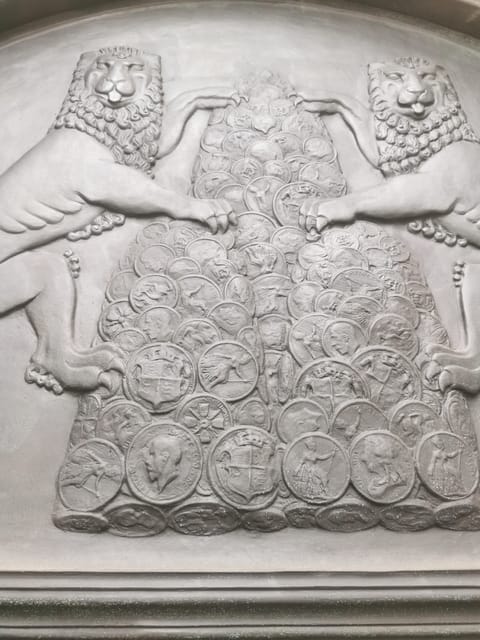
The tour is limited to eight participants, which is a real advantage in the City’s narrow and busy streets. A small group makes it easier to hear, ask questions, and keep the conversation moving. It also avoids the impersonal feel of a large walking party.
Arjun is the named guide associated with the experience. His style is built around storytelling and discussion rather than simply reciting facts. That suits this subject, since the City’s importance often depends on connections that are not obvious from a plaque or façade.
You should expect an English-language live tour. The activity information also says multilingual support can be arranged if you tell the provider your language in advance, although English is the stated live guide language. Confirm this before booking if language support is essential.
The route is listed as wheelchair accessible. Since this is a walking experience through an old central district, it is sensible to mention your access needs in advance and confirm the arrangements directly, even though accessibility is included in the activity details.
Is $30 a fair price?
At $30 per person, the tour offers 2.5 hours with a live guide, a small group capped at eight, and a post-tour PDF covering the locations and themes. That is reasonable value if you want interpretation rather than a self-guided walk.
You are paying for the guide’s ability to link scattered clues. Without that context, a civic building, a company hall, or a dragon emblem may seem like a passing detail. With it, the City becomes a connected story about law, trade, power, and survival.
The value is less clear if you only want famous sights or quick photographs. Several stops last five or 10 minutes, and the tour concentrates on explanation. It is not a substitute for a long visit inside a major museum or cathedral.
The reserve-now, pay-later option can help if your plans are still shifting. You can cancel up to 24 hours before the tour for a full refund. Those terms make it easier to fit the walk into a London schedule without committing money immediately.
Who should book this City of London walk?
I would recommend it to repeat visitors who have already seen the standard London sights and want a new way to read the centre. It also suits first-time visitors who prefer political, social, and commercial history over a checklist of royal landmarks.
You will get the most from it if you enjoy asking why a place matters. The City rewards curiosity more than spectacle. A quiet corner can carry more meaning here than a famous building viewed without context.
The walk also works well for people who like a conversational guide and a small group. Arjun’s friendly, story-led approach should suit you if you want to stop and discuss ideas rather than simply follow a flag.
I would think twice if you dislike long periods on foot, want food included, or need a tour built around interior access. The itinerary is mainly a guided outdoor walk, and the route’s strength is its historical interpretation.
FAQ
How long does the City of London Historical Walking Tour last?
The tour lasts 2.5 hours.
How much does the tour cost?
The stated price is $30 per person.
Where does the tour begin?
The meeting point is Barbie Green restaurant, opposite the ruins.
How do I identify the guide?
The guide has longish hair and a beard, and carries a backpack with a felt green dragon on it. Arjun is the named guide for the experience.
What language is the tour conducted in?
The live tour guide language is English. Multilingual support may be arranged if you tell the provider your language in advance.
Is the tour wheelchair accessible?
Yes. The activity is listed as wheelchair accessible.
Is food included?
No food is served during the tour, so plan to eat before or after the walk.
Should you book it?
Book this tour if you want London’s City to make sense as a living political and commercial district, not just a collection of old buildings. The small group, Arjun’s story-led guiding, and the focus on overlooked places give you something different from the standard London circuit.
Skip it if your priority is royal interiors, major museum collections, or a short sightseeing stroll. For everyone else, $30 is a fair price for two and a half hours that can change how you see the City, especially when the dragon emblem, Guildhall, the Royal Exchange, Mansion House, and Bank of England begin to fit into one long story.
Latest arrivals on the London list
- Easy Access Tower of London Royal Secrets & Scandals Tour★ 5.0 · 3 reviews
- Stonehenge Special Access Guided Morning Tour from London★ 4.5 · 3 reviews
- Shoreditch & East London Walking Tour with a Local, Custom & Private★ 5.0 · 3 reviews
- Madame Tussauds London Fast Track and Champagne Experience★ 3.5 · 3 reviews
- Private Full Day Tour – Fast Track Tower of London and Lunch★ 4.6 · 3 reviews
- Private transfer from London Heathrow Airport to Southampton★ 5.0 · 3 reviews
- London Private Brixton Tour with a Local – Culture & Stories★ 4.9 · 3 reviews
- London Soho District – Guided Walking Tour 12 guests 2,5h★ 4.8 · 3 reviews
Historical Tours, compared.


Royal Historic Pubs Walking Guided Tour in London
Read our review →
Private Group: Historical Pub Walking Tour of London
Read our review →

Browse the lists this tour appears in