
Reviewed · LONDON
Handel Hendrix House General Admission
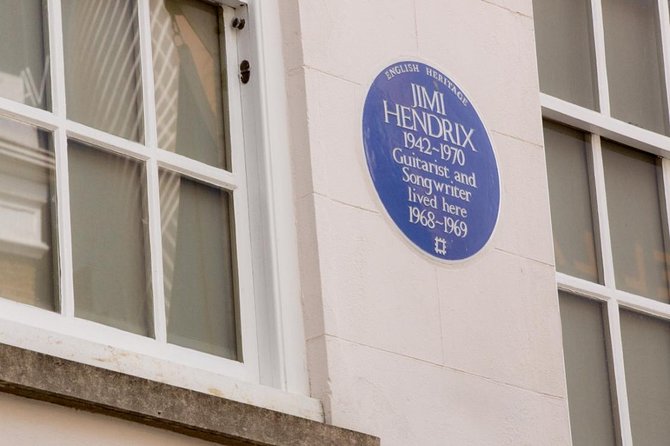
Two great musicians lived at 25 Brook Street, but they arrived two centuries apart. George Frideric Handel wrote music here in the 1700s. Jimi Hendrix lived next door in the late 1960s. The unusual pairing gives this small London museum its real charm: one visit moves from harpsichords and opera to electric guitar and psychedelic rock.
I like the freedom to explore at your own pace, with no fixed tour group to chase. I also like the way the museum preserves both homes as lived-in spaces, not just display rooms. The restored music rooms, old staircase, Hendrix’s recreated bedroom, and period instruments make the past feel close enough to touch.
The main drawback is the museum’s size. You can see it in an hour, and the rooms may feel crowded if several groups arrive together. Opening is limited to Wednesday through Sunday, 10am to 5pm, with last admission at 4pm, so this takes a little planning.
In This Review
- Key Points About the Visit
- Brook Street Connects Handel and Hendrix
- Climbing Handel’s Crooked Staircase
- The Room Where Handel Wrote Messiah
- From Harpsichord to Electric Guitar
- Instruments and Effects Worth Extra Time
- Why the Live Music Matters
- How Long to Allow and When to Go
- Is the $19.98 Price Good Value?
- Who Will Enjoy Handel Hendrix House?
- A Practical Way to Visit
- Should You Book It?
- FAQ
- Where is Handel Hendrix House located?
- How long does the visit take?
- What does the admission ticket include?
- Can I explore at my own pace?
- What are the opening hours?
- Is the ticket available on a mobile device?
- Is the visit offered in English?
- Can children visit?
- Are service animals allowed?
- Can I cancel for a refund?
Key Points About the Visit
- Two homes, two musical worlds: Explore Handel’s 18th-century rooms and Jimi Hendrix’s 1960s flat in one central London stop.
- Messiah was written here: Handel lived at Brook Street from 1723 to 1759 and composed his famous work in this house.
- A 250-year-old staircase: Expect a crooked, historic climb into Handel’s rooms.
- Music may be part of the visit: Harpsichord practice, strings, or singing may sometimes add live sound to the rooms.
- Hendrix’s home feels personal: His main room is recreated with help from Kathy Etchingham, his girlfriend at the time.
- Plan for one to two hours: The museum is compact, but music fans may want extra time for the instruments and displays.
Brook Street Connects Handel and Hendrix
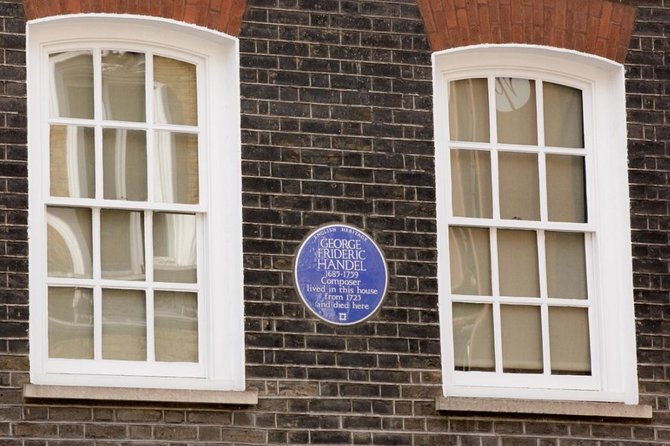
Handel Hendrix House sits on Brook Street in central London, an address that links two very different chapters of music. Handel lived at number 25 for 36 years. Jimi Hendrix lived in the adjoining flat at number 23 from 1968 to 1969.
That physical closeness is the museum’s clever idea. You do not simply move from one unrelated exhibit to another. You climb through the same narrow stretch of London history, from the Baroque age to the height of 1960s London.
The museum works best when you are curious about both men, but it also serves single-interest visitors well. A Hendrix fan may come for the guitar and stay for Handel. A classical music fan may arrive for Messiah and find the Hendrix rooms unexpectedly engaging.
Your mobile ticket lets you make your own way to Brook Street and arrive during opening hours. There is no scheduled guide mentioned for the general admission visit, so you can set your own pace. Staff are present, and the personal attention can add a lot, especially in the Hendrix rooms.
Other London favourites people book with this one:
- London: The London Eye Entry Ticket
★ 4.6 · 35,875 reviews - From London: Harry Potter Warner Bros Studio Tour
★ 4.7 · 26,588 reviews - London: Westminster to Greenwich River Thames Cruise
★ 4.5 · 22,836 reviews
Climbing Handel’s Crooked Staircase
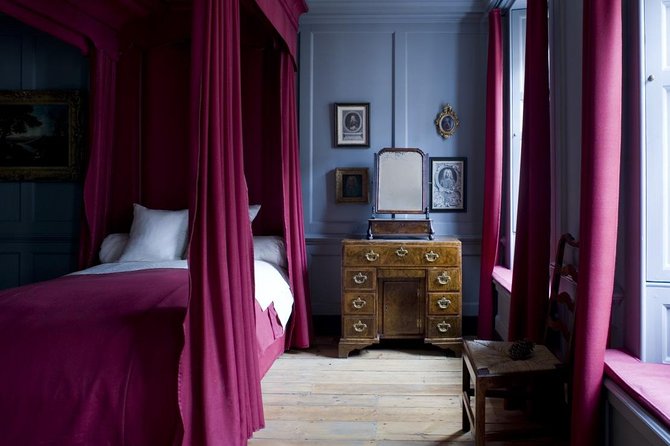
Start with Handel’s house at number 25. The route takes you up a 250-year-old staircase, which is part of the experience rather than a minor detail. It is wonky and old-fashioned, so take your time as you climb.
Inside, you enter the rooms where Handel composed, rehearsed, performed, and met important musicians of his day. The rooms have been restored to give you a sense of a working musical home. This is not a grand concert hall. It is a domestic setting where ideas became performances.
That scale makes the visit useful. You can picture Handel moving between music rooms, bedroom, and dressing room rather than imagining him only as a name on a concert program. The museum also explains his life and work in London, giving context to the rooms around you.
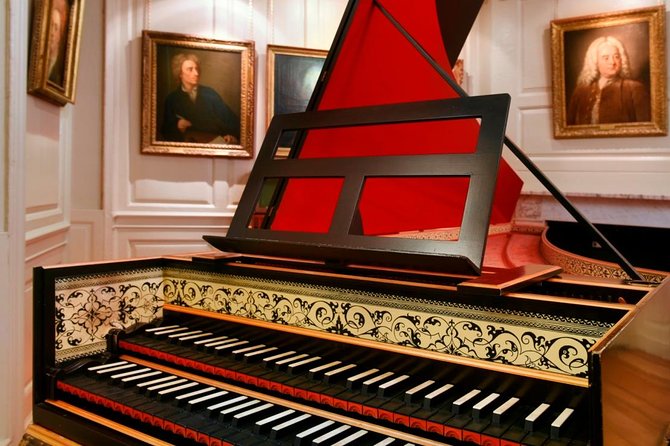
The music rooms are the heart of this half of the visit. Harpsichords are sometimes played, and special musical activity can include strings or an opera singer warming up. You may find yourself hearing music resonate through the same rooms where Handel once worked. That possibility is not guaranteed at every visit, but it can change the mood from a quiet house tour into something almost theatrical.
The Room Where Handel Wrote Messiah
Handel’s connection to Messiah gives the house its strongest single story. You are standing in the place where he wrote his best-known work, so the music rooms carry more meaning than a standard composer exhibition.
The museum also presents lively details about Handel’s temperament. He was known for strong opinions, and one story concerns opera singers who refused to sing his arias. The displays connect that dramatic personality to the rooms where rehearsals and arguments took place.
I appreciate this balance. Handel is presented as a working musician, not as a distant genius sealed inside a portrait. You learn about the pressures of composing, rehearsing, and dealing with performers. The experience becomes less about admiring old furniture and more about understanding how music was made.
Move through the dressing room and bedroom as well. Handel died in the house, and seeing that bedroom gives the visit a quiet final note. Temporary displays may add material about his life, his work, and the people around him, though the exact content can change.
From Harpsichord to Electric Guitar
The museum’s Hendrix section is on the third floor. The shift is immediate. After Handel’s restrained Georgian rooms, you move into the world of 1960s London, when Hendrix was building his reputation as one of the era’s great guitarists.
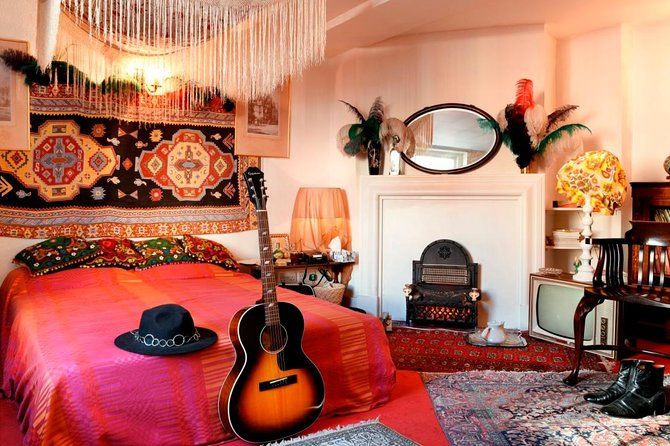
Hendrix lived in the flat with his girlfriend Kathy Etchingham. The main room has been recreated to show how he lived and played there. Etchingham helped with the recreation, which gives the room a personal connection rather than making it feel like a generic 1960s set.
One especially useful idea is Hendrix’s description of the flat as the first place he had truly called home. That detail changes how you read the room. It is not only the address of a famous guitarist. It was also a private place for a young musician adjusting to fame and life in London.
The Hendrix rooms are not as large as a major music museum, but the scale works in their favor. You see a home, not a stage costume collection. The display asks you to think about how Hendrix lived, practiced, and developed his sound in this setting.
Something completely different for your London days:
- Magical London: Harry Potter Guided Walking Tour
★ 4.7 · 22,044 reviews - London: Madame Tussauds London
★ 4.6 · 20,915 reviews - Stonehenge, Windsor Castle, and Bath from London
★ 4.5 · 18,662 reviews - London: Warner Bros. Studio Tour with Transfers
★ 4.7 · 17,586 reviews
Instruments and Effects Worth Extra Time

If you are a Hendrix fan, give yourself time with the technical displays. The Epiphone acoustic guitar is one highlight. The museum also shows Roger Mayer’s Octavia, an effects unit tied to Hendrix’s distinctive guitar sound.
The display explains how Hendrix used effects and why they mattered. That is useful even if you are not an electronics expert. Instead of treating the equipment as famous objects behind glass, the museum connects the gear to the sound people recognize.
I would not rush through this section. The guitar and effects displays add substance to the room recreation. They show the practical side of Hendrix’s work: the instruments, tools, and choices behind the music.
The staff can also make a difference here. A staff member or museum intern may be in the Hendrix bedroom and able to explain details or answer questions. No individual guide is assigned for this admission, but the human contact can make the displays easier to understand.
Why the Live Music Matters
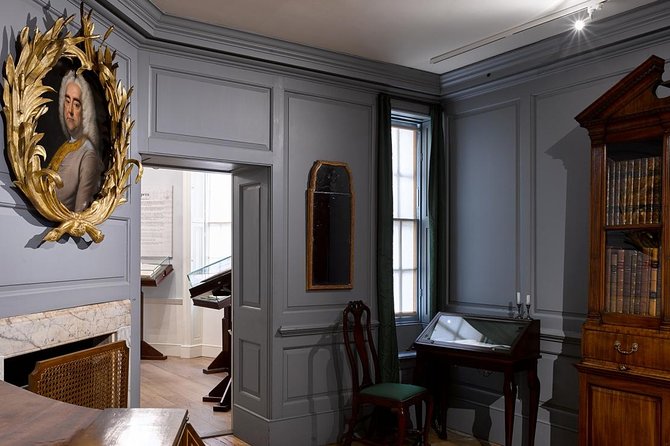
The chance of hearing musicians practicing in Handel’s rooms is one of the most appealing parts of this visit. Practice for an evening concert, a singer warming up, or a harpsichord being played can add a sound layer that recorded audio cannot match.
It also reminds you that this remains a music house, not only a historic property. Hearing strings or an opera voice in the rooms helps connect the building to its original purpose.
You should treat this as a possible bonus, not a scheduled feature of every general admission ticket. The core visit is the house and its displays. If live music happens during your time there, you have caught an especially memorable moment.
For musicians, this may be the strongest reason to linger. One musical visitor found the experience especially meaningful and spent as much time with the Handel material as with Hendrix. You do not need to play an instrument to appreciate the sound, but musicians may notice details that casual visitors pass by.
How Long to Allow and When to Go
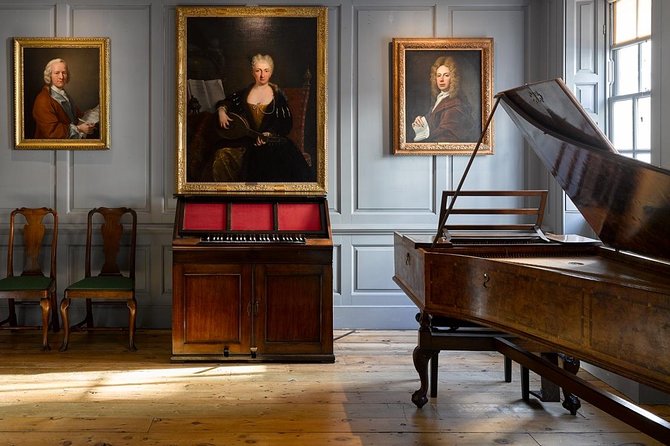
The stated visit time is about one to two hours. I would allow one hour for a focused visit and closer to two if you read the displays, speak with staff, or happen upon music practice.
The museum opens Wednesday through Sunday from 10am to 5pm. Last admission is at 4pm. Arriving earlier in the day gives you more room before closing, while a late arrival leaves little margin if you want to take your time.
The general admission format is flexible. You are not tied to a fixed departure time, and you can move at your own speed. That makes it easy to fit into a day of central London sightseeing, but remember that the museum is not open every day of the week.
It is wise to check the date when planning. The listed opening schedule covers Wednesday through Sunday, not Monday and Tuesday. Since the visit is typically booked ahead of time, reserving roughly two to three weeks before your date may be sensible during a busy London trip.
Is the $19.98 Price Good Value?
At about $19.98 per person, this is not a full-day London attraction. It is a compact museum visit, so the value depends on your interest in music and historic homes.
For one to two hours in central London, the price is fair if you care about Handel, Hendrix, or both. You are paying for two distinct homes, original or period-linked settings, interpretive displays, and the possibility of live music in Handel’s rooms.
The value improves if you take your time. Rushing through both sections in 30 minutes would make the admission feel expensive. Reading the displays, studying the instruments, and talking with staff gives you more from the ticket.
The combination also makes the price easier to justify. A separate Handel house and Hendrix flat would each be small visits. Together, they offer a broader look at London’s musical life across two centuries.
There are no transport costs included because you make your own way to Brook Street, and the ticket does not include purchases from the gift shop. Those are simple considerations, but they help you set a realistic budget.
Who Will Enjoy Handel Hendrix House?
I would recommend this visit to:
- Fans of Jimi Hendrix who want to see where he lived, not only read about his music.
- Classical music listeners interested in Handel’s working life and the rooms connected with Messiah.
- Musicians who enjoy instruments, rehearsal spaces, and the sound of music performed in historic rooms.
- Families with older children who can appreciate the contrast between the Baroque era and the 1960s.
- Anyone looking for a short indoor stop in central London with a strong sense of place.
It may be less satisfying if you want a large museum with extensive galleries, many interactive exhibits, or a long guided tour. The house is compact, and the experience depends on your willingness to read, look closely, and think about the rooms.
Children must be accompanied by an adult. Most people can take part, and service animals are allowed. The old staircase is an important feature of the building, so visitors should be prepared for a historic house layout rather than a modern gallery design.
A Practical Way to Visit
Plan to arrive with your mobile ticket ready and allow enough time to find Brook Street. Once inside, begin with Handel’s house so you can appreciate the staircase, music rooms, dressing room, and bedroom in sequence.
Listen for any music taking place in the building. If musicians are practicing, sit for a moment if space allows. The sound may be the most distinctive part of the visit.
On the Hendrix floor, spend time with the recreated main room before moving to the guitar and effects displays. Look at the room as a home first, then study the equipment as evidence of how Hendrix shaped his sound.
The gift shop comes at the end, with souvenirs available for an additional cost. It is easy to browse briefly, but you do not need to add shopping time if your London schedule is tight.
Free cancellation is available if you cancel at least 24 hours before the experience start time. Cancellations or changes made later are not accepted for a refund, and the cut-off follows local London time.
Should You Book It?
Book Handel Hendrix House if you like music, historic homes, or unusual connections between different eras. The two-part visit gives you more variety than its modest size suggests, and the chance to hear live music in Handel’s rooms can be special.
I would especially recommend it to a Hendrix fan who is willing to give Handel a fair share of the visit. The Hendrix flat may draw you in, but Handel’s rooms, the Messiah connection, and the staff’s personal explanations can become just as memorable.
Skip it if your London plans already contain several small house museums and neither musician interests you. Otherwise, the price is reasonable for a focused one to two hour stop, and the pairing of Handel and Hendrix is too distinctive to dismiss.
FAQ
Where is Handel Hendrix House located?
It is on Brook Street in central London, at numbers 25 and 23. Handel’s former home is at 25 Brook Street, and Jimi Hendrix’s former flat is next door at 23 Brook Street.
How long does the visit take?
The visit takes approximately one to two hours. You can spend less time on a quick visit or stay longer with the displays and music rooms.
What does the admission ticket include?
The ticket includes admission to the Handel and Hendrix Museum. You can explore Handel’s house and visit the next-door flat where Jimi Hendrix lived.
Can I explore at my own pace?
Yes. You make your own way to Brook Street and explore the museum at your preferred pace during opening hours.
What are the opening hours?
The museum is open Wednesday through Sunday from 10am to 5pm. Last admission is at 4pm.
Is the ticket available on a mobile device?
Yes. The experience includes a mobile ticket.
Is the visit offered in English?
Yes. The experience is offered in English.
Can children visit?
Yes, but children must be accompanied by an adult.
Are service animals allowed?
Yes. Service animals are allowed.
Can I cancel for a refund?
You can cancel for a full refund up to 24 hours before the experience start time. Cancellations or changes made less than 24 hours before the start time are not refunded.
Latest arrivals on the London list
- Heathrow Airport to London Arrival Transfer★ 4.5 · 50 reviews
- London Beatles Tour★ 5.0 · 50 reviews
- One Way Taxi Transfer from London to Gatwick Airport★ 5.0 · 51 reviews
- London: Hidden Baker Street Tube Station Tour★ 4.7 · 51 reviews
- City & Secrets: Explore London’s Hidden Gems★ 5.0 · 51 reviews
- London Christmas Lights Open-Top Bus Tour. 2025 Early Bird★ 3.6 · 51 reviews
- 4 hour London Private Tour, with your own Black Cab Tour Guide★ 5.0 · 51 reviews
- The Beatles Magical History Black Taxi Tour London★ 5.0 · 51 reviews