
Reviewed · JACK THE RIPPER TOURS
Interactive Jack the Ripper Night Walk: London’s Murder Mystery
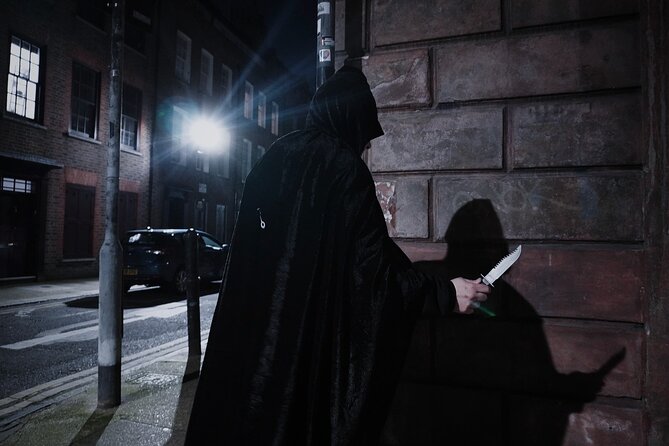
Jack the Ripper’s crimes are remembered as a puzzle, but this night walk through Whitechapel puts real streets, alleys, pubs, churches, and working-class lives behind the headlines. You move from Brick Lane to Mitre Square, hearing how poverty, fear, and Victorian policing shaped the case.
I like the route’s strong sense of place, especially the contrast between lively Brick Lane today and the hard world it once contained. I also like the human focus: guides such as Tyson, Jess, Lisa, and Sadie have brought humor, careful research, and attention to the women’s stories. The main drawback is practical: the walk ends at Mitre Square rather than returning to the starting point, and one person found it hard to hear the guide in places.
In This Review
- Key points before you book
- Whitechapel after dark: what this walk is really about
- Brick Lane and the city behind the headlines
- Princelet Street and Annie Chapman
- Puma Court and the fear of narrow alleys
- The Ten Bells and the last known movements
- Gunthorpe Street and the question of Martha Tabram
- Goulston Street and the disputed clue
- St Botolph’s Aldgate and a place of safety
- Mitre Square and Catherine Eddowes
- Guide style, group size, and the night setting
- Who gets the best value for $22.99
- Practical details that shape your evening
- Should you book the Whitechapel night walk?
- FAQ
- How long does the Jack the Ripper night walk last?
- Where does the tour start?
- Where does the tour finish?
- Is the tour conducted in English?
- How many people can join the group?
- What is the cancellation policy?
Key points before you book
- Seven historic stops in 2.5 hours: The route links Brick Lane, Princelet Street, Puma Court, The Ten Bells, Gunthorpe Street, Goulston Street, and Mitre Square.
- The ending is different from the start: You meet near St Marys Whitechapel Church Memorial and finish at Mitre Square, so plan your trip home from the City of London.
- Small enough for questions: The maximum group size is 25 people, with private-tour upgrades available.
- The case is not presented as solved: You examine clues and competing ideas rather than receiving a neat answer to Jack the Ripper’s identity.
- Guides shape the experience: Tyson, Jess, Lisa, and Sadie have each been praised for clear storytelling, humor, audience engagement, and attention to the victims.
- You walk after dark: The evening setting adds atmosphere, but comfortable shoes and a clear plan for getting home matter.
Whitechapel after dark: what this walk is really about
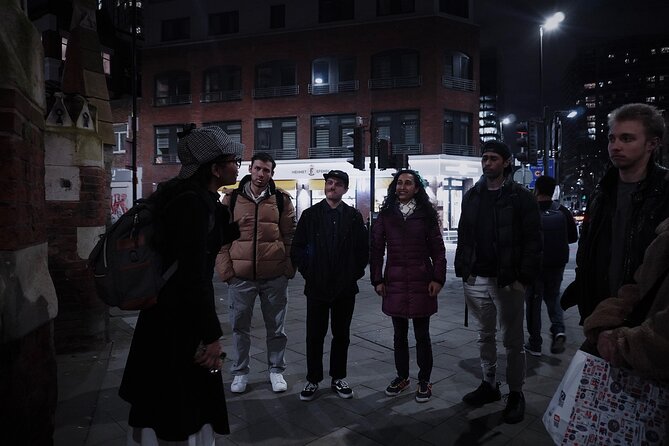
The famous name may draw you in, but the best part of this experience is the setting. Whitechapel and Spitalfields are not museum displays. They are working London streets layered with old buildings, new businesses, traffic, street art, and narrow passages that still help you picture the city of the 1880s.
That mix gives the walk its force. You are not only hearing a list of murders. You are looking at the places where people lived, worked, drank, sought shelter, and moved through the city at night.
The tour is offered in English and lasts about two hours and 30 minutes. At $22.99 per person, it is fairly priced for a guided evening walk of this length, especially if you want a researched narrative rather than a quick photo stop. Group discounts may lower the cost for larger parties, and a private upgrade is available if you want more control over the pace and discussion.
The group limit of 25 is useful. That is not an intimate walk, but it is small enough to keep the guide within reach. It also means the experience can depend on where you stand and how clearly the guide speaks. One person had trouble hearing at times, so stay close and politely ask for a repeat if street noise gets in the way.
More Ripper walks in the East End:
- London: The Original Jack the Ripper Walking Tour
★ 4.7 · 7,833 reviews - London Jack the Ripper Guided Tour with Ripper-Vision
★ 4.5 · 4,840 reviews - London: Jack the Ripper Small Group Tour
★ 4.7 · 3,159 reviews
Brick Lane and the city behind the headlines
The opening stop is Brick Lane, now lined with street art and curry houses. Its present-day character can make it hard to picture the area as one of London’s most notorious slums, which is exactly why it works as an introduction.
Here, the guide sets out the social conditions behind the crimes. Poverty, overcrowding, desperation, and limited protection shaped daily life for many people in East London. This context matters because it keeps the story from becoming only a hunt for a mysterious killer.
I appreciate that the walk begins with the wider setting. Jack the Ripper did not appear in an empty stage set. He operated in a district where many people were vulnerable, where police work was limited, and where sensational newspaper coverage could turn suffering into entertainment.
Brick Lane is also one of the livelier parts of the route. You may need to listen through normal city noise, and the modern setting can reduce the feeling of stepping back in time. Still, it gives you a useful first lesson: old Whitechapel has not vanished. It has changed.
Princelet Street and Annie Chapman
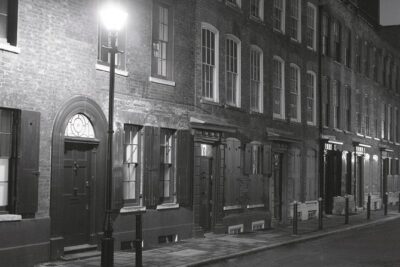
Princelet Street brings you onto a cobbled road with a more preserved feel. The contrast with Brick Lane is immediate. The street offers a clearer sense of the scale and texture of 1880s East London, while the guide connects it to Jack the Ripper’s movements and the life of Annie Chapman.
This is one of the stops where the women’s stories should receive proper attention. The case is often told through the killer’s nickname, but the people who died had lives, work, relationships, hardships, and names. The guide known as Sadie has been especially praised for presenting those stories in a spirited and empowering way.
That approach makes the walk more worthwhile. You still get the mystery, but you are less likely to leave thinking only about an anonymous villain. The victims come back into the center of the story.
Princelet Street is short, atmospheric, and visually useful. It is not a full museum visit, and you will not spend a long time inside a preserved historic property. Its value comes from standing in a surviving street while the guide explains what the area meant to people who lived there.
Puma Court and the fear of narrow alleys
Puma Court is described as one of Spitalfields’ eeriest alleys. It is narrow and quiet, making it a natural place to discuss how exposed the victims were in dark corners of the district.
The setting does some of the storytelling here. After the noise and movement of larger streets, a tight passage can make the geography of the case easier to grasp. You begin to understand why small changes in route, lighting, or the presence of another person could matter so much.
This stop may appeal most to people who enjoy atmosphere. If you prefer dates, documents, and police procedure, the guide’s explanation will matter more than the alley itself. The route does not promise a theatrical performance, and the experience is strongest when the physical setting supports the history rather than replacing it.
Keep your attention on the guide. Alleys can create sound problems, and the group may spread out. That practical issue is minor, but it is worth remembering because the information at each stop builds toward the final question.
More mystery and escape games:
- Moriarty’s Game: The Professor’s Invitation by HiddenCity
★ 5.0 · 445 reviews - The Hunt for the Cheshire Cat by HiddenCity
★ 5.0 · 225 reviews - The Enchanted Mirror by HiddenCity
★ 5.0 · 156 reviews - Private Escape Room with a Zombie in London
★ 5.0 · 128 reviews
The Ten Bells and the last known movements
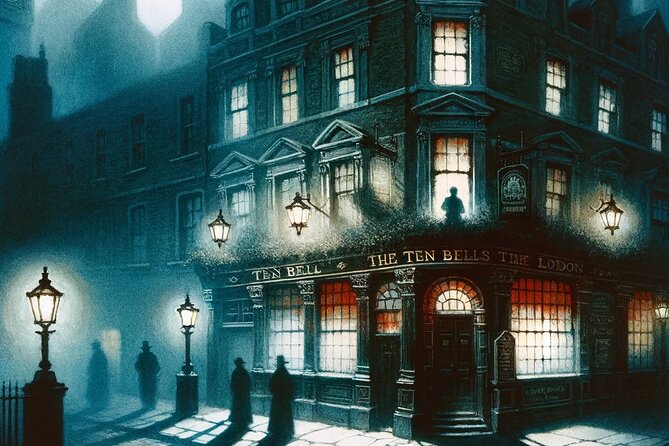
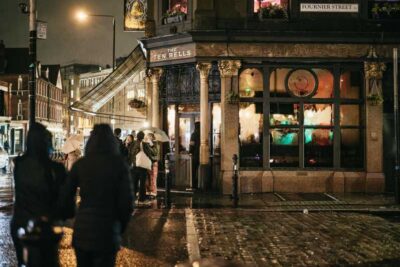
The Ten Bells is one of the most recognizable locations on the route. The historic pub is closely tied to the case, and several victims were reportedly seen there before their deaths. You gather outside while the guide recounts the women’s final hours.
The pub is an important stop because it connects ordinary life with the case. A pub was a place to meet, find company, and spend time. In this setting, it also becomes part of the last known movements of women whose deaths shocked London.
You should not expect this to be a private interior tour. The planned visit centers on gathering outside, so the value comes from the explanation and the location rather than a long stay inside the building.
This is also a good point to consider the tone. Jack the Ripper stories can easily become tasteless. The strongest guides keep the focus on the people involved and explain the uncertainty in the evidence. Tyson has been praised for keeping the group engaged, remembering names, answering questions, and showing a firm grasp of the subject without losing the human side.
Gunthorpe Street and the question of Martha Tabram
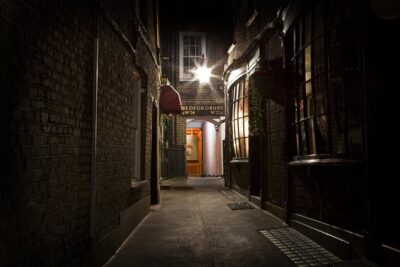
Gunthorpe Street takes you to the case of Martha Tabram. She was killed violently in this narrow passage, but she is not officially included among the canonical Ripper victims. Many people still believe she may have been the first.
That uncertainty is a useful part of the tour. It shows you that the case is not a tidy file with every detail agreed upon. Historians and investigators have argued over patterns, dates, methods, and links between cases. A good guide should help you separate established information from theory.
The stop also broadens the story. Instead of repeating only the five murders most often linked to Jack the Ripper, the walk shows how other killings entered the debate. You get a better feel for why the mystery has survived: there are enough gaps and similarities to invite argument, but not enough proof to settle the matter.
If you want a simple answer, this may frustrate you. The tour does not promise to identify the killer with certainty. Its appeal lies in examining the evidence and understanding why the question remains open.
Goulston Street and the disputed clue
Goulston Street is one of the most evidence-focused stops. Here, you examine the bloodied fragment of an apron and the chalk message linked to the aftermath of a double murder.
These details sparked arguments among investigators and historians. The question is not just what was found, but what it meant, who left it, and how much weight it should carry. This is where the walk moves from mood to interpretation.
I like this part because it gives you something concrete to consider. The alleys and old streets create the mood, but clues such as the apron fragment and chalk message explain why the case became such a lasting puzzle.
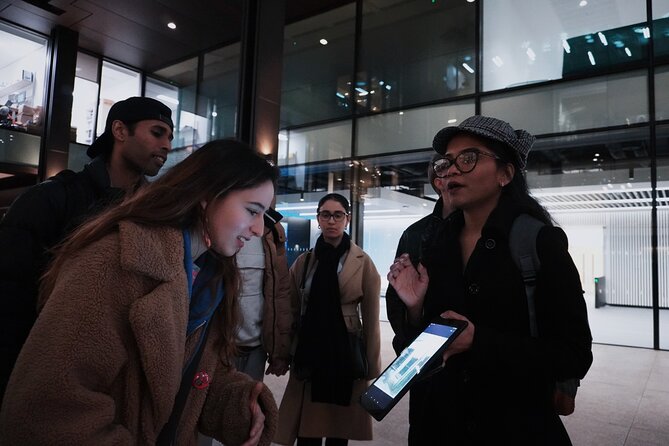
The guide’s role matters greatly here. Tyson has been praised for answering questions, while Lisa has been described as helpful with historical material, including old photographs and reports shared digitally. That extra visual material can help you connect the modern street to the evidence discussed during the walk.
The group setting can make this stop lively, but it may also mean you hear several questions before the guide moves on. If you enjoy weighing theories, this will likely be one of the most rewarding sections.
St Botolph’s Aldgate and a place of safety
St Botolph’s Aldgate shifts the focus from crime to shelter. The church stood near the edge of Whitechapel and offered protection to many women during the Victorian period.
That change in mood is welcome. The story is full of danger, but women also found places of support, charity, and refuge. Standing near the church helps you see that East London was not defined only by violence.
This stop adds social context without pulling the walk too far from the central case. It reminds you that the same streets held both risk and assistance, often only a short distance apart.
The church also helps the route feel less repetitive. After several alleys and crime scenes, you pause at a place associated with safety. The contrast gives the final section more weight.
Mitre Square and Catherine Eddowes
The walk ends at Mitre Square, where Catherine Eddowes was murdered. The guide describes the violence of the crime and the effect it had on London.
This is a grim ending, but it makes sense as the final stop. By this point, you have followed the setting, the victims, the disputed cases, and the clues. Mitre Square brings those threads together in one of the darkest locations connected to the story.
The end point also changes your practical plans. You do not return to St Marys Whitechapel Church Memorial. You finish at Mitre Square, London EC3A 5DE, so check your route home before the walk begins. The finish is in the City of London, which may be convenient for some plans and less convenient for others.
The ending is not a solved mystery. You leave with the same central question: who was Jack the Ripper? The tour’s answer is not a forced verdict but a better understanding of the evidence and its limits.
Guide style, group size, and the night setting
The guides are a major part of the experience. Tyson has been described as entertaining and well prepared, with a talent for keeping people involved. Jess has been praised for mixing intelligence and humor, while Sadie has given the women’s stories an energetic and empowering focus. Lisa has helped explain the historical material and old reports.
These different strengths matter because the subject can become repetitive or overly sensational in weaker hands. A guide who can explain uncertainty, answer questions, and keep track of a group adds real value.
The tour is limited to 25 people. That gives you a better chance to hear and ask questions than you would on a very large city walk, though it is still worth staying near the guide. Mobile tickets make arrival simple, and confirmation is provided when you book.
The after-dark timing creates the right mood without requiring a separate attraction ticket. You walk through public streets and view each location from outside. Wear shoes suited to two and a half hours on foot, and make sure you are comfortable being outdoors for the full experience.
Who gets the best value for $22.99
At $22.99, this is a good buy if you want a focused London walk with a clear story and several locations. You are paying for about 150 minutes of guiding, research, route planning, and interpretation rather than admission to a building.
The price is especially reasonable for someone already interested in Victorian crime, London social history, or unsolved cases. You get more than a single famous pub or a short photo stop. The route gives you seven connected locations and enough time at each one to understand why it matters.
The value is less clear if you dislike dark crime stories or prefer indoor attractions. The walk includes descriptions of violent deaths, and the subject is serious. It is not a general sightseeing tour of Whitechapel.
Group discounts may help if you are booking for several people. A private upgrade is worth considering if you want a more personal pace, more room for questions, or a quieter way to handle the subject. No private-tour price is provided, so you will need to check the cost before deciding.
The experience is recommended by 97 percent of customers and carries a 4.9 rating from 171 reviews. Those figures suggest a consistently strong experience, but they do not remove the practical concerns about volume, walking, or the one-way route.
Practical details that shape your evening
You meet at St Marys Whitechapel Church Memorial on Unnamed Road, London E1 1FE. The activity is confirmed at booking, and most people can take part.
You should allow the full two hours and 30 minutes, with time divided among seven stops and the walks between them. Each listed stop is scheduled for about 17 minutes, though the pace may vary with the group and the guide’s explanation.
The walk ends at Mitre Square, London EC3A 5DE. Since there is no return to the start, plan your onward journey from the finish rather than assuming you will end near Whitechapel.
Free cancellation is available if you cancel at least 24 hours before the local start time. Inside that window, the payment is not refunded and changes are not accepted.
Should you book the Whitechapel night walk?
Book it if you want an atmospheric walking tour that treats Jack the Ripper as both a criminal mystery and a story about real women living in a difficult city. The route is strongest for people who enjoy asking what the evidence proves, what it only suggests, and why the case remains unsettled.
I would choose it for an evening in London when you want something more specific than a standard landmark tour. The historic streets, Goulston Street clue, Ten Bells, and Mitre Square give the walk a clear shape. Tyson, Jess, Lisa, or Sadie may bring different energy, but the strongest qualities to look for are careful research and respectful storytelling.
Skip it if you want a relaxed stroll, dislike violent subject matter, or need to finish near the starting point. For everyone else, $22.99 buys a well-paced look at one of London’s most enduring mysteries, with enough history to make the streets meaningful after the story ends.
FAQ
How long does the Jack the Ripper night walk last?
The walk lasts approximately two hours and 30 minutes.
Where does the tour start?
It starts at St Marys Whitechapel Church Memorial on Unnamed Road, London E1 1FE, UK.
Where does the tour finish?
The final stop is Mitre Square, London EC3A 5DE, UK. The tour does not return to the starting point.
Is the tour conducted in English?
Yes. The experience is offered in English.
How many people can join the group?
The maximum group size is 25 people. Group discounts are available, and you can upgrade to a private tour.
What is the cancellation policy?
You can cancel for a full refund up to 24 hours before the experience start time. Cancellations or changes made less than 24 hours before the start are not accepted and are not refunded.
More Evening Experiences in London
- London: London by Night Sightseeing Open-Top Bus Tour
★ 4.5 · 5,516 reviews - London: River Thames Evening Cruise with Bubbly and Canapés
★ 4.4 · 2,493 reviews - London by Night Bus Tour with Christmas Lights and Live Guide
★ 4.5 · 2,040 reviews - London: Jack the Ripper Evening Walking Tour
★ 4.9 · 1,449 reviews
More London walking tours
- Magical London: Harry Potter Guided Walking Tour
★ 4.7 · 22,044 reviews - Tour for Muggles The Ultimate Harry Potter Walking Tour in London
★ 5.0 · 4,684 reviews - London Jack The Ripper Guided Walking Tour
★ 5.0 · 3,131 reviews - London: Harry Potter Movies Walking Tour (Kids Go Free)
★ 4.7 · 3,071 reviews
Latest arrivals on the London list
- Heathrow Airport to London Arrival Transfer★ 4.5 · 50 reviews
- London Beatles Tour★ 5.0 · 50 reviews
- One Way Taxi Transfer from London to Gatwick Airport★ 5.0 · 51 reviews
- London: Hidden Baker Street Tube Station Tour★ 4.7 · 51 reviews
- City & Secrets: Explore London’s Hidden Gems★ 5.0 · 51 reviews
- London Christmas Lights Open-Top Bus Tour. 2025 Early Bird★ 3.6 · 51 reviews
- 4 hour London Private Tour, with your own Black Cab Tour Guide★ 5.0 · 51 reviews
- The Beatles Magical History Black Taxi Tour London★ 5.0 · 51 reviews
Jack the Ripper Tours, compared.
London Jack the Ripper Guided Tour with Ripper-Vision
Read our review →
German Language : Original Jack the Ripper Tour
Read our review →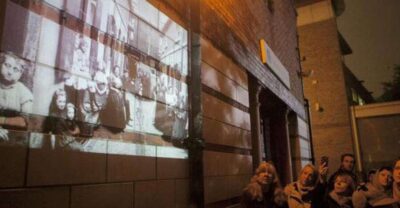
Jack the Ripper Walking Tour – Ripper Vision Tours
Read our review →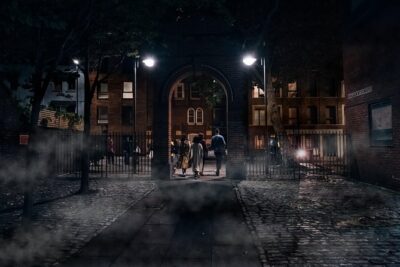
Ultimate Jack the Ripper : Guided Tour of London
Read our review →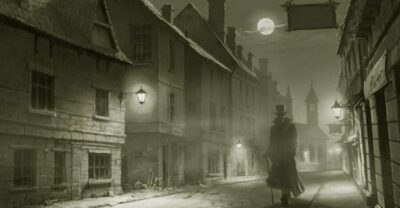
Browse the lists this tour appears in