Reviewed · TICKETS
Kew Gardens Entrance Ticket
Kew Gardens gives you a rare London experience: a huge botanical collection where you can move from Victorian glasshouses to quiet tree-lined paths, royal buildings, and a treetop walkway in one visit. The Chilean Wine Palm in Temperate House and the giant water lilies are especially good reasons to come.
I like the freedom here. You are not tied to a guide or fixed route, and free walking tours are available if you want more context. I also like the range, from the peaceful Holly Walk to the lofty Rhizotron and Xstrara Treetop Walkway, with cafés handy when your feet need a break.
The main drawback is size and price. At $30.37 per person, Kew is not a quick garden stop, and three to four hours may feel rushed. Some areas are less colorful in winter, and a missing QR code can slow entry, so check your ticket before leaving for the gardens.
In This Review
- Kew Gardens at a Glance
- Why Kew Works Better Than a Quick Garden Visit
- Getting Through the Gate and Finding Your Rhythm
- Queen’s Garden, Minka House, and the Central Gardens
- The Rhizotron and Xstrara Treetop Walkway
- Holly Walk and Kew’s Older Trees
- Temperate House, Palm House, and Waterlily House
- Royal Kew Palace and the 10-Story Pagoda
- Food, Rest, and the Practical Shape of a Day
- Is $30.37 Good Value?
- Who Will Enjoy Kew Most?
- Should You Book Kew Gardens?
- FAQ
- How much does the Kew Gardens entrance ticket cost?
- How long should I allow for Kew Gardens?
- Can I explore Kew Gardens without joining a guided tour?
- Are Kew Palace and the Pagoda included?
- Are food and drinks included?
- Can children visit Kew Gardens alone?
- Can I cancel the booking for a refund?
Kew Gardens at a Glance
- 326 acres to explore: Kew is large enough for a half-day visit, though a full day lets you see more glasshouses and historic corners without hurrying.
- The treetop walkway is a highlight: The Rhizotron and Xstrara structure takes you above the ground and into the crowns of Kew’s trees.
- Temperate House rewards an indoor stop: Look for sub-tropical plants and the enormous Chilean Wine Palm.
- Royal buildings add variety: Kew Palace, the 10-story Pagoda, and Queen’s Garden bring royal and architectural interest.
- You set the pace: Walk independently or join a free guided walking tour held daily.
- Season matters: Spring and summer bring more flowers, while winter still offers good glasshouse visits but fewer blooms outdoors.
Why Kew Works Better Than a Quick Garden Visit
Kew is not simply a pretty park with flower beds. It is a working botanical collection spread over 326 acres, with rare plants, formal gardens, research-minded displays, historic buildings, and paths that keep changing character.
That scale is both its strength and its challenge. You can have a calm hour around one garden, or spend most of the day moving between glasshouses and outdoor sections. I would not treat this as a quick filler between London attractions. The ticket makes more sense when you plan to stay at least three hours.
The experience is independent. You make your own way to the gardens, scan your pre-purchased admission ticket, and choose what matters to you. If you like wandering without a group, this is a good format. If you prefer an introduction, the daily free guided walking tours give you a useful starting point, though no individual guide name or fixed tour schedule is provided here.
More Kew Gardens visits:
- London: Kew Gardens Admission Ticket
★ 4.6 · 3,252 reviews - London: Kew to Westminster River Thames Cruise
★ 4.2 · 55 reviews - London: Westminster to Kew River Thames Cruise
★ 4.8 · 51 reviews
Getting Through the Gate and Finding Your Rhythm
Opening hours are listed as 10:00 a.m. to 7:00 p.m., Monday through Sunday, for the stated operating period. A special exception applies on Sunday, September 15, when the gardens open at 11:00 a.m. because of the marathon.
Have your admission voucher ready before you reach the entrance. One problem reported with this booking was a voucher without the required QR code, which caused a long wait. That is not a reason to avoid Kew, but it is a reason to check that your mobile ticket is complete and readable.
Kew is near public transportation, but the route from Kew Gardens Underground Station to the entrance may not feel perfectly obvious. Give yourself a little extra time to find the correct gate. Once inside, the grounds are extensive, so pick a broad plan rather than trying to follow every path.
I suggest choosing one indoor priority, one outdoor garden area, and the treetop walk. That gives your visit shape without turning it into a checklist. You can then add the palace, Pagoda, café, or another garden if time and energy allow.
Queen’s Garden, Minka House, and the Central Gardens
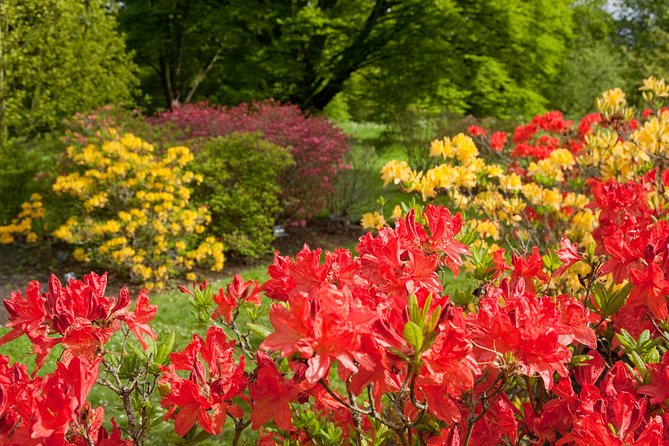
The central part of Kew offers an easy introduction to the site. The Azalea Garden brings seasonal color, while the Bamboo Garden changes the feeling of the walk with tall, dense planting. Minka House adds a different cultural note and gives you another reason to slow down rather than simply crossing from one major building to the next.
Near Kew Palace, also known as the Dutch House, you will find Queen’s Garden. It follows a 17th century style and contains some of Kew’s oldest sculptures, donated by the British Royal Family. This is one of the better places to combine plants, design, and royal history in a compact area.
Kew Palace and the Pagoda are not included in the admission ticket described here. They are listed as open from April through September, so check the current arrangements if either building is important to you. You can still enjoy the surrounding gardens without paying for those separate attractions.
Queen’s Garden is particularly useful for visitors who want a shorter circuit. It gives you a formal garden experience without requiring a long walk across the entire grounds. For a first visit, I would pair it with the palace exterior and one of the nearby routes before heading farther into Kew.
The Rhizotron and Xstrara Treetop Walkway
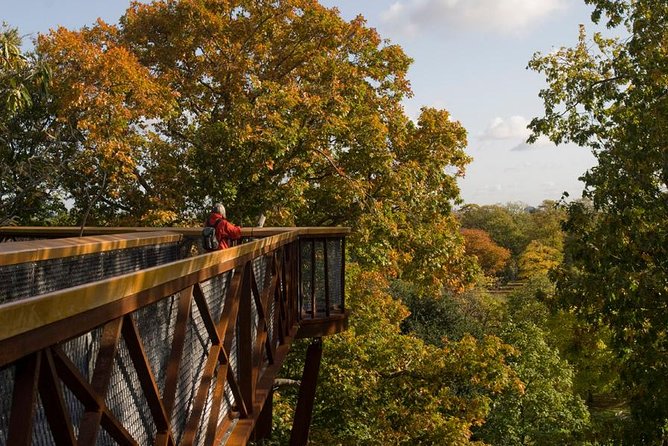
The treetop walkway is one of Kew’s most distinctive features. It lifts you above the ground and lets you look into the crowns of some of the gardens’ 14,000 trees. The experience changes your sense of scale: instead of viewing trees from below, you move alongside their upper branches.
The structure is also known as the Rhizotron and Xstrata Treetop Walkway. Its name may sound technical, but the appeal is simple. You get a different view of Kew, with open sightlines through the trees and a chance to notice the shape of the woodland canopy.
This stop works well for families, teenagers, and anyone who wants more than flower beds. It also gives you a break from ground-level paths. I would not leave it until the final few minutes, since queues or a slower walking pace can affect your schedule.
The walkway is not the whole visit, though. Some people may find the height and structure more memorable than the botanical details, while others will prefer the glasshouses. Pair it with Temperate House so you get two very different Kew experiences.
A few more London days worth a look
- London: The London Eye Entry Ticket
★ 4.6 · 35,875 reviews - London: Tower Bridge Entry Ticket
★ 4.7 · 15,560 reviews - London: Westminster Abbey Entrance Ticket
★ 4.6 · 11,254 reviews - London: St Paul’s Cathedral Entry Ticket
★ 4.7 · 9,813 reviews
Holly Walk and Kew’s Older Trees
Holly Walk offers one of the quieter routes through the gardens. The path is lined with 130-year-old trees, giving you a chance to see Kew at a slower pace. This is a good place to walk without a particular destination, especially after the formal sections and busier attractions.
The age of the trees gives the route a sense of continuity, but do not expect every part of the walk to look dramatic in every season. Kew’s outdoor appearance depends heavily on timing. Spring and summer should provide more flowers and foliage, while winter can feel stark outside.
That seasonal difference matters when you judge the $30.37 ticket. In warmer months, you are paying for a fuller outdoor experience as well as the indoor displays. In winter, the glasshouses carry more of the visit, so plan to spend more time inside rather than expecting every garden bed to be in bloom.
Temperate House, Palm House, and Waterlily House
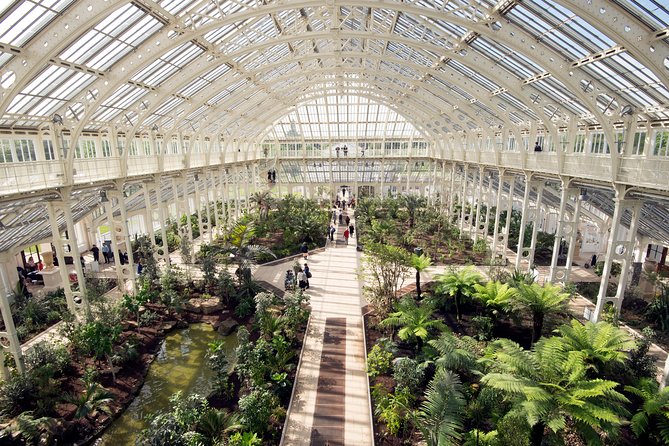
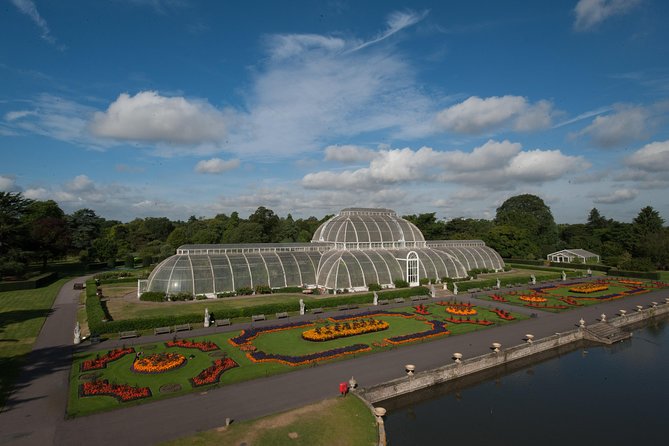
The glasshouses are the safest part of the visit when the weather is poor or the outdoor gardens are quiet. Temperate House is an original Victorian glasshouse, and its scale is impressive before you even begin looking at individual plants.
Inside, look for the Chilean Wine Palm. It is a major feature, and the huge specimen helps explain why Temperate House is worth time rather than a quick pass-through. The displays include sub-tropical plants, so the atmosphere feels very different from the open lawns and formal beds outside.
Palm House is another major stop. It is one of the largest surviving Victorian glasshouses and gives you a close look at tropical plant collections in a grand iron-and-glass setting. The banana plants can be enormous, with broad leaves, fruit, and flowers, making them especially engaging if you are visiting with children or someone who is not usually interested in botany.
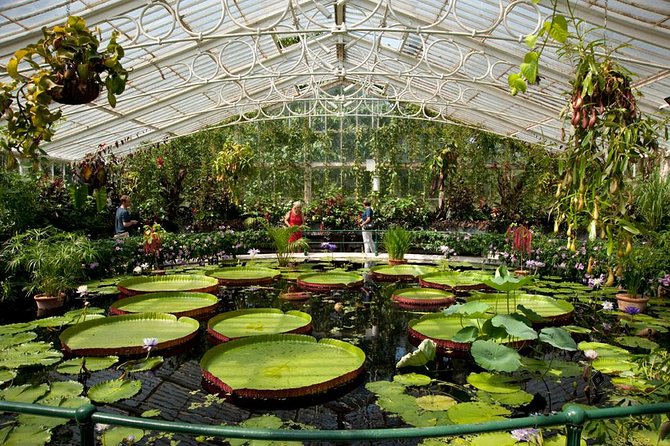
The Waterlily House has its own appeal. Giant lily pads are among the most memorable sights mentioned in the available feedback, and the building provides one of Kew’s best examples of how a small, focused display can compete with a huge outdoor area.
Indoor spaces are also valuable for pacing. You can warm up in winter, get out of rain, and give older family members a rest from long paths. On a warm day, though, the glasshouses may feel hot, so avoid treating them as your only route through Kew.
Royal Kew Palace and the 10-Story Pagoda
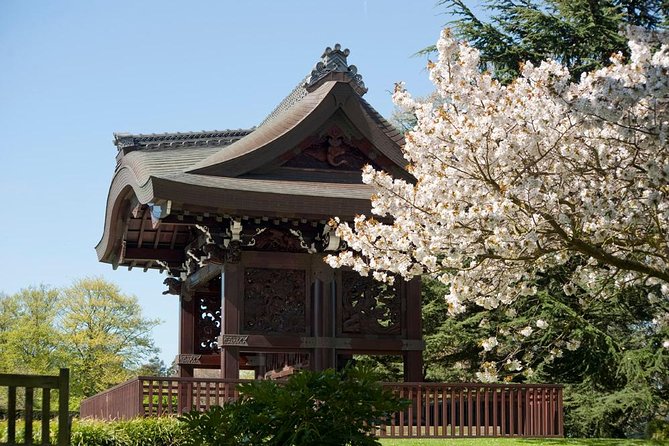
Kew Palace, also called the Dutch House, gives the gardens a royal connection. The palace itself is not included in the basic ticket, but it helps explain the character of the surrounding area. The building and Queen’s Garden work well together, especially if you enjoy historic interiors as much as plants.
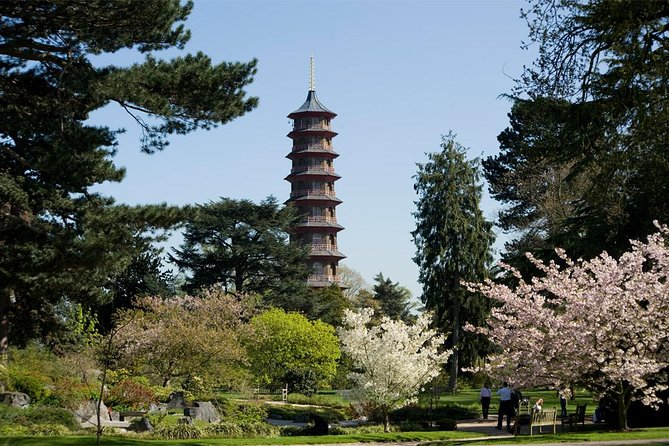
The Pagoda is a dramatic octagonal structure in the southwest corner of the grounds. Rising 10 stories, it gives Kew a strong architectural landmark and helps break up the botanical focus. The Pagoda is also listed as an extra attraction open from April through September, so do not assume your garden admission includes entry.
These buildings add value if you want a visit with more than horticulture. If your main goal is flowers and glasshouses, you can spend your time elsewhere and avoid paying for add-ons. If you want a broader day out, the palace area gives you a useful change of pace.
Food, Rest, and the Practical Shape of a Day
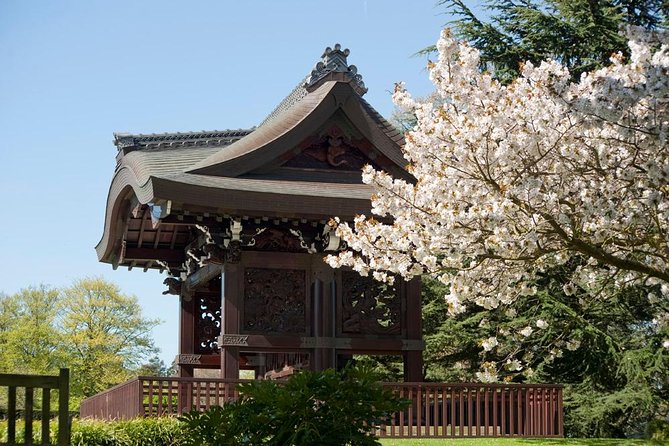
There are four cafés on the estate, and you can also eat outdoors in a pleasant spot. Food and drinks are not included in the ticket, so budget separately for lunch or tea.
A café stop is not just a convenience here. Kew is big, and the distance between highlights can turn a simple visit into a long day. I would plan one proper pause instead of pushing on until everyone is tired. Tea at the Botanical was singled out as a relaxing part of the day, so this can be a worthwhile addition if you want a gentler visit.
You might also find a quiet sitting nook along the way. These small breaks help you enjoy the gardens at their intended pace. Kew rewards attention to smaller details, not only the famous glasshouses and walkway.
A tram tour is not included in the ticket information, but one available comment praised it. If a tram service is operating during your visit, check the separate cost and schedule rather than assuming it comes with admission. It may help if you have limited mobility or want an overview before choosing where to walk.
Is $30.37 Good Value?
The ticket costs $30.37 per person. That is a significant admission fee for a garden, and one available assessment found the experience expensive and less expansive than expected. The price will feel poor value if you stay only an hour, skip the glasshouses, and see just a small section.
I think the value improves when you use Kew as a half-day or full-day outing. You are paying for access to a very large site, historic glasshouses, formal gardens, rare plants, tree walks, and the freedom to plan your own route. A full day is possible, and even then you may see only part of the grounds.
The ticket does not include food, drinks, Kew Palace, the Pagoda, or special events such as the Orchid Festival and Christmas at Kew. Those exclusions matter. Add-on costs can change the final price, so decide in advance which extras actually interest you.
Season is another part of the value calculation. June should bring a stronger outdoor display, and a return visit at that time may offer more roses and fewer crowds than a busier period. Winter can still work if you care most about the hot houses, but it is less rewarding for flower-filled outdoor walks.
Who Will Enjoy Kew Most?
I would recommend Kew to:
- Families who want open space, plants, cafés, and the treetop walkway.
- Teenagers who may enjoy the elevated walk and unusual plants more than a standard museum.
- Garden lovers who want both formal beds and major glasshouse collections.
- Visitors who like setting their own route instead of following a fixed tour.
- Anyone seeking a calmer London day outside the city center.
It may not suit you if you want a compact attraction with a short, guaranteed route. It may also disappoint in winter if your main goal is outdoor color. People with limited time should choose their priorities before entering, since Kew is too large to cover casually in a couple of hours.
Most visitors can participate, and service animals are allowed. Anyone under 16 must be accompanied by an adult. The experience requires good weather, and if it is canceled because of poor conditions, you are offered another date or a full refund.
Should You Book Kew Gardens?
Book it if you can give Kew at least three hours and you care about more than a single flower garden. The strongest combination is the treetop walkway, Temperate House, Palm House, Waterlily House, and one or two outdoor gardens such as Queen’s Garden or the Azalea Garden.
I would wait or choose another London activity if you are visiting in winter only for outdoor blooms, or if $30.37 feels high for a flexible garden visit. Before booking, confirm that the date fits your plans, check your QR code, and remember that palace entry, the Pagoda, meals, and special events cost extra.
For a relaxed day with beautiful plants, historic buildings, good cafés, and room to wander, Kew is a strong choice. Just give it enough time to earn its ticket price.
FAQ
How much does the Kew Gardens entrance ticket cost?
The listed price is $30.37 per person. Food, drinks, Kew Palace, the Pagoda, and special events are not included.
How long should I allow for Kew Gardens?
The estimated visit lasts three to four hours. You can spend a full day there if you want to see more of the 326-acre site at a slower pace.
Can I explore Kew Gardens without joining a guided tour?
Yes. The ticket allows you to explore independently at your own pace. Free guided walking tours also take place daily if you want added information.
Are Kew Palace and the Pagoda included?
No. Entry to Kew Palace and the Pagoda is not included in the admission ticket described here. They are listed as open from April through September.
Are food and drinks included?
No. Food and drinks are at your own expense. Kew has four cafés, and you may also eat outdoors.
Can children visit Kew Gardens alone?
Customers under the age of 16 must be accompanied by an adult.
Can I cancel the booking for a refund?
You can cancel at least 24 hours before the experience start time for a full refund. Cancellations or changes made less than 24 hours before the start time are not refunded or accepted. If poor weather causes the experience to be canceled, you are offered a different date or a full refund.
Latest arrivals on the London list
- One Way Taxi Transfer from London to Gatwick Airport★ 5.0 · 51 reviews
- Heathrow Airport to London Arrival Transfer★ 4.5 · 50 reviews
- London Beatles Tour★ 5.0 · 50 reviews
- London: Hidden Baker Street Tube Station Tour★ 4.7 · 51 reviews
- City & Secrets: Explore London’s Hidden Gems★ 5.0 · 51 reviews
- London Christmas Lights Open-Top Bus Tour. 2025 Early Bird★ 3.6 · 51 reviews
- 4 hour London Private Tour, with your own Black Cab Tour Guide★ 5.0 · 51 reviews
- The Beatles Magical History Black Taxi Tour London★ 5.0 · 51 reviews
Tickets, compared.


Buckingham Palace: The State Rooms Entrance Ticket
Read our review →