
Reviewed · KEW GARDENS TOURS
Kew Gardens, Richmond – Self-Guided Audio Tour
Kew Gardens is best understood through its plants, buildings, and people, and this self-guided audio tour links all three. In about an hour, you move from Marianne North’s bold botanical paintings to the world’s largest Victorian glasshouse, then into warm conservatories and the striking bee-inspired Hive.
I like the offline audio and GPS map, since you can listen without WiFi and keep your bearings while walking. I also like the local-history angle, especially the attention given to Marianne North and the bee story behind The Hive. The main catch is clear: the $6.84 tour fee does not include Kew’s £24 admission ticket, and that distinction has caused real confusion at the gate.
In This Review
- Key points to know before you go
- What this Kew audio tour actually gives you
- Marianne North Gallery: a strong opening stop
- Temperate House: Victorian ambition under glass
- Mediterranean Garden: a short change of climate
- Princess of Wales Conservatory: the route’s most varied plant stop
- The Hive: a powerful finish with a bee theme
- The audio style and the role of David
- Price, admission, and the value question
- Timing, transport, and a sensible plan
- Who will enjoy this format most
- Booking advice and cancellation
- Should you book this Kew Gardens audio tour?
- FAQ
- Is Kew Gardens admission included in the audio tour?
- How long does the self-guided tour last?
- Where does the tour start?
- Where does the tour end?
- Is the audio guide available offline?
- Do I need to bring my own phone and earphones?
- What language is the tour offered in?
Key points to know before you go
- Five focused stops: The route covers the Marianne North Gallery, Temperate House, Mediterranean Garden, Princess of Wales Conservatory, and The Hive.
- Historian-narrated commentary: You listen as you walk, with one particularly warm account crediting a guide named David for adding extra depth to the visit.
- Works offline: Download the audio before entering so poor signal or limited data will not interrupt the tour.
- Budget separately for entry: The audio costs $6.84 per person, while Kew admission is listed as £24 per person.
- Plan on 60 to 75 minutes: The route is short enough for a focused visit, though Kew itself deserves more time if you want to explore beyond the five stops.
- Start and finish differ: Begin at Kew Gardens Station Approach and finish at the Princess of Wales Conservatory.
What this Kew audio tour actually gives you
This is not an admission ticket, a live walking tour, or a guide waiting at the entrance. You buy access to an audio program, use your own phone, and bring your own earphones. The commentary is designed to play as you walk between points, with a GPS map helping you follow the route.
That setup gives you freedom. You do not have to keep up with a group, wait for late arrivals, or follow a guide’s fixed pace. You can pause the audio, stop for a photograph, or spend longer inside a glasshouse that catches your attention.
The tradeoff is that you manage the practical side yourself. Your phone needs enough battery, your earphones are not supplied, and you must download the tour before relying on offline mode. I would do that at home, then check that the files and map are ready before arriving.
The route has a maximum group size of 10 travelers, though the experience remains self-guided. The tour is offered in English, and confirmation arrives at booking. Kew Gardens is near public transportation, with the stated meeting point at Kew Gardens Station Approach, London TW9 3BZ.
More Kew Gardens visits:
- London: Kew Gardens Admission Ticket
★ 4.6 · 3,252 reviews - Kew Gardens Entrance Ticket
★ 4.0 · 1,055 reviews - London: Kew to Westminster River Thames Cruise
★ 4.2 · 55 reviews
Marianne North Gallery: a strong opening stop
The tour begins with Marianne North Gallery, and this is a smart choice. Instead of starting with a general introduction to the gardens, the audio puts a person at the center of the visit.
North was a remarkable woman whose botanical paintings record plants and places through an artist’s eye. The gallery gives the audio guide a chance to explain her impact on art, making this more than a quick walk past framed pictures. You get a reason to look closely at the paintings and consider how art helped people understand plants before modern photography was so widely available.
This stop is allocated about 30 minutes, the longest section of the route. That tells you something useful: the tour expects you to slow down here. If you rush through the gallery, you will lose much of what makes this route different from a basic garden walk.
I would save your attention for the commentary rather than trying to photograph every work. The value is in the connection between North’s life, botanical study, and the places represented in her paintings.
The gallery may also set the tone for the rest of the visit. Kew is not simply a collection of pretty flowerbeds. Its appeal comes from the way science, art, conservation, architecture, and royal connections meet in one place. This first stop helps you see that larger purpose.
Temperate House: Victorian ambition under glass
Next comes the Temperate House, described as the largest Victorian-era glasshouse in the world. Even without a long lecture, the building itself gives you plenty to notice: the scale, the old-fashioned glass-and-iron character, and the way plants from temperate regions are brought together under one roof.
The audio allocates about 15 minutes here. That is enough for a clear introduction, but not enough to inspect every plant or read every sign. Keep your expectations sensible. This is a guided highlight, not a full botanical course.
I like this stop because it connects Kew’s plant collections to engineering and design. The building is part of the experience, not just a container for plants. The Victorian setting also provides a useful contrast with the more modern-feeling conservatories later in the route.
The biggest practical point is pacing. The route is timed, but Kew admission allows you to stay longer if you wish. If the Temperate House interests you, pause the audio and explore. The GPS route will still be there when you are ready to continue.
Mediterranean Garden: a short change of climate
The third stop takes you into Kew’s Mediterranean Garden. The supplied timing is only about five minutes, so think of this as a brief scene-setting moment rather than a full tour section.
The audio transports you to sunlit Mediterranean settings, using the planting to create a change in mood and climate. That contrast matters because the next major stop, the Princess of Wales Conservatory, takes you through several very different growing environments.
A short stop can be useful in a large garden. You get a clear point of reference without spending too much time on one area. Still, this is one place where you may want to pause if the beds are flowering or the planting catches your eye.
One particularly appealing detail from the visit is the alliums blooming in beds in front of the Palm House. The route description does not list the Palm House as a formal stop, so do not treat it as part of the audio’s five-stop program. But the detail is a good reminder to look around you instead of staring at your phone. Seasonal planting can change what you see from one visit to the next.
A few more London days worth a look
- London: Emirates Stadium Entry Ticket and Audio Guide
★ 4.7 · 5,513 reviews - Westminster Abbey Entrance Ticket Including Audio Guide
★ 4.0 · 661 reviews - London: British Museum Audio Tour & Priority Entrance Ticket
★ 4.5 · 631 reviews - London: Churchill War Rooms Ticket & Political London Audio
★ 4.6 · 224 reviews
Princess of Wales Conservatory: the route’s most varied plant stop
The Princess of Wales Conservatory is the longest glasshouse section after the Temperate House, with about 15 minutes of audio. Here, the route leads you through a series of ecosystems in a glass-walled maze.
This is where the tour’s location-aware format makes the most sense. A conservatory with several sections can feel confusing when you are exploring alone, especially if you want to know which area comes next. The GPS map gives you a simple guide without forcing you into a group.
The audio should help you notice the differences between the ecosystems rather than treating the conservatory as one large room. You might find yourself moving from one plant setting to another with changes in form, color, and growing conditions. The wording supplied for this stop presents it as a fascinating series of environments, but you should still allow extra time if you enjoy glasshouses.
This is also the final stop listed in the route sequence before The Hive, although the stated end point is at the Princess of Wales Conservatory. That detail is worth checking before you set off. The route information places The Hive among the five stops, yet it gives the conservatory as the end location. Use the GPS map and on-site signs if the order feels unclear.
The Hive: a powerful finish with a bee theme
The Hive is the route’s most unusual feature. Rather than simply displaying plants, it presents the world from the bees’ point of view through an immersive structure and sound-led design.
The audio allocates only about five minutes, but the experience itself may invite you to stop longer. The description calls this one of the most visually striking parts of the gardens, and the bee focus gives the tour a strong final idea: gardens depend on living systems that are easy to overlook.
One account especially praised The Hive as unique and brilliantly presented. That matches the role it plays in this route. The earlier stops focus on art, architecture, climates, and plant collections. The Hive shifts your attention toward pollination and the work of insects.
Because this is one of the shortest audio sections, do not assume you have seen everything in five minutes. Listen to the explanation, then take time to look around. The tour fee pays for the guide, not for a timed entry slot or a separate attraction ticket, so your pace inside Kew remains your own.
The audio style and the role of David
The guide is narrated by a historian, and the commentary is meant to continue while you walk. That is a useful format at Kew because the grounds are spread out and the scenery changes between stops.
One account specifically praises David, describing his personality and knowledge as adding depth to the visit. The available information does not identify him as the narrator for every booking, so I would treat David as a named guide connected with the audio experience rather than promise that you will hear him on every version.
The strongest praise centers on the amount of information and the way the narration keeps going as you move. That is important. Some audio guides offer only short facts at each location, leaving long silent stretches between points. This one is designed to fill the walk with historical and botanical context.
Still, audio tours demand a little discipline. Keep the volume low enough to hear your surroundings, and pause it when you want to read signs or speak with someone. The advantage of self-guiding is control. Use it.
Price, admission, and the value question
The audio tour costs $6.84 per person. Kew admission is listed separately at £24 per person, so your actual cost is the garden ticket plus the audio fee.
At that price, the audio is a modest add-on rather than a cheap way into Kew. You are paying for a prepared route, historian narration, offline access, GPS guidance, and suggested photo spots. The value is strongest if you want structure but do not want to join a live group.
It is less useful if you already know Kew well, prefer to wander without commentary, or plan to spend most of the day far beyond the five featured areas. The audio covers a focused selection, not every corner of the gardens.
The separate admission point needs special attention. One purchaser arrived expecting the audio booking to serve as an entrance ticket and was refused at the gate because the ticket was not valid for entry. The product information clearly separates the two costs, but I would still check your confirmation carefully and buy Kew admission independently if needed.
Timing, transport, and a sensible plan
The tour lasts about one hour to one hour 15 minutes. The listed stop times add up to roughly 70 minutes, so the estimate is consistent with a steady walk and short pauses.
The stated operating hours are 10 a.m. to 7 p.m., Monday through Sunday, for the published period ending July 2, 2027. Check the date on your booking, since opening hours can change outside the information provided here.
Start at Kew Gardens Station Approach, London TW9 3BZ. The site is near public transportation, which makes the meeting point practical. You finish at the Princess of Wales Conservatory, Royal Botanic Gardens, Richmond TW9 3AE.
Since the start and end points differ, plan your return trip before pressing play. The route may be easy to follow inside Kew, but you should not assume the final point is close to the same transport stop.
I would allow more than 75 minutes if you want to enjoy the gardens rather than simply complete the audio. The listed times work for the guided route. They do not include long photo stops, reading displays, revisiting a favorite glasshouse, or exploring areas outside the five points.
Who will enjoy this format most
I would choose this tour if you like learning as you walk but dislike fixed schedules. It suits independent visitors, first-time Kew explorers, and anyone who wants a short route through several signature sights.
It is also a good fit for people who want a little history alongside the plants. Marianne North gives the route a human story, the Temperate House adds architecture, and The Hive brings in pollination and ecology.
Families may appreciate the freedom to pause the audio, although the supplied information does not describe a children’s version or family activities. You will need to provide the phone and earphones yourself.
This is not the best choice if you want a live guide to answer questions on the spot. It also may not suit visitors who want a full-day botanical visit, since the route concentrates on five stops and lasts about an hour.
The 93 percent recommendation rate and 4.7 rating from 30 ratings suggest a strong overall experience, but the admission mix-up shows why you need to read the inclusions. The audio itself receives the warmest praise for its information, steady narration, and the contribution associated with David.
Booking advice and cancellation
Confirmation is provided at the time of booking. Free cancellation is available if you cancel at least 24 hours before the experience start time. Inside that 24-hour window, you receive no refund, and changes are not accepted.
Download the audio in advance. Bring a charged mobile device and earphones, since neither is included. I would also keep your Kew admission confirmation separate from the audio booking so there is no doubt at the entrance.
Should you book this Kew Gardens audio tour?
Book it if you want a low-cost, flexible guide to a focused selection of Kew’s best-known features. The offline access, GPS map, and continuing narration solve the main problems of exploring a large garden alone.
Skip it if you only want entry to Kew, since the £24 admission fee is separate. Also skip it if you prefer unplanned wandering or need a live expert for questions.
For most first visits, the tour makes a sensible companion to your admission ticket. Just arrive prepared, know what you have paid for, and give yourself extra time beyond the 60 to 75 minute audio route.
FAQ
Is Kew Gardens admission included in the audio tour?
No. The audio tour is separate from entry to the Royal Botanic Gardens, Kew. Admission is listed as £24 per person.
How long does the self-guided tour last?
The estimated duration is one hour to one hour 15 minutes.
Where does the tour start?
The stated starting point is Kew Gardens Station Approach, London TW9 3BZ, UK.
Where does the tour end?
The stated end point is the Princess of Wales Conservatory at the Royal Botanic Gardens, Richmond TW9 3AE, UK.
Is the audio guide available offline?
Yes. You can download the tour in advance and listen without WiFi.
Do I need to bring my own phone and earphones?
Yes. A mobile device and earphones are not included.
What language is the tour offered in?
The tour is offered in English.
More Audio Tours in London
- Windsor Castle Tour from London with Transportation & Audio Guide
★ 3.5 · 222 reviews - London Panoramic Open Top Bus Tour with Audio Guide
★ 4.0 · 209 reviews - London: Royal Walking Tour and Buckingham Palace Audio Tour
★ 4.8 · 154 reviews - Emirates Stadium and Arsenal Museum Entrance Ticket Including Audio Guide
★ 4.5 · 113 reviews
Latest arrivals on the London list
- Easy Access Tower of London Royal Secrets & Scandals Tour★ 5.0 · 3 reviews
- Stonehenge Special Access Guided Morning Tour from London★ 4.5 · 3 reviews
- Shoreditch & East London Walking Tour with a Local, Custom & Private★ 5.0 · 3 reviews
- Madame Tussauds London Fast Track and Champagne Experience★ 3.5 · 3 reviews
- London Private Brixton Tour with a Local – Culture & Stories★ 4.9 · 3 reviews
- Private Full Day Tour – Fast Track Tower of London and Lunch★ 4.6 · 3 reviews
- Private transfer from London Heathrow Airport to Southampton★ 5.0 · 3 reviews
- London Soho District – Guided Walking Tour 12 guests 2,5h★ 4.8 · 3 reviews
Kew Gardens Tours, compared.


Westminster Walking Tour and Visit to Kew Gardens
Read our review →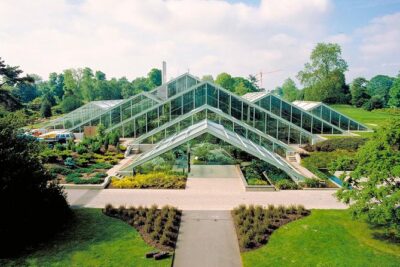
Visit Kew Gardens & 3 Hour Westminster Walking Tour
Read our review →Browse the lists this tour appears in