
Reviewed · HISTORICAL TOURS
London: Brutalist Architecture & History Walking Tour
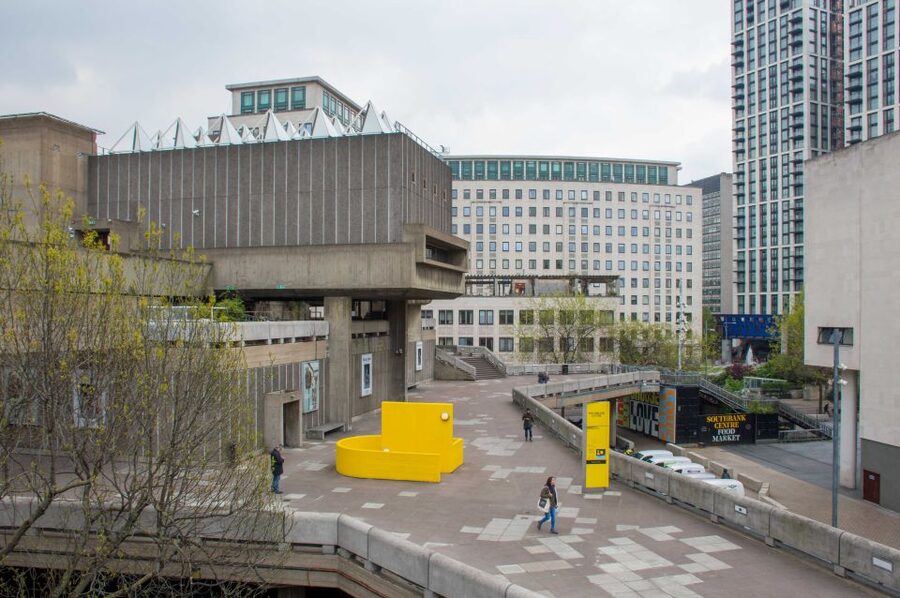
London’s Brutalist buildings are easy to miss if you are focused on palaces, museums, and old pubs. This 2.5-hour walking tour puts concrete front and center, from the Institute of Education to the National Theatre, while Evan explains how war, politics, economics, and changing ideas about cities shaped modern London.
I like the small group of no more than six and the tour’s wider subject matter. You are not simply shown big concrete blocks and given an architect’s name. The discussion covers engineering, social policy, Modernist design, environmental questions, and the difficult fight to preserve or alter these buildings.
The main caution is that this is an exterior walking tour, not an architectural access tour. You will use the Tube once, pay that fare yourself, and spend much of the time listening outside buildings. A little prior interest in architecture will help you get the most from it.
In This Review
- Key points to know before you book
- Why Brutalism makes a good London walking tour
- Meeting Evan at Russell Square
- Reading the Institute of Education
- The National Theatre and London’s boldest concrete statement
- The Brunswick and the value of close observation
- Concrete, politics, and the post-war city
- A small group changes the tone
- Is $47 good value?
- Who should book this walk?
- FAQ
- Where does the Brutalist architecture tour meet?
- How long does the tour last?
- How much does the tour cost?
- Is public transportation included?
- What language is the tour in?
- How many people are in the group?
- Are the interiors of the buildings visited?
- Can children join the tour?
- Should you book the London Brutalist Architecture and History Walking Tour?
Key points to know before you book
- Evan is the guide to look for: He brings strong subject knowledge, an easy manner, and a clear passion for Brutalist design.
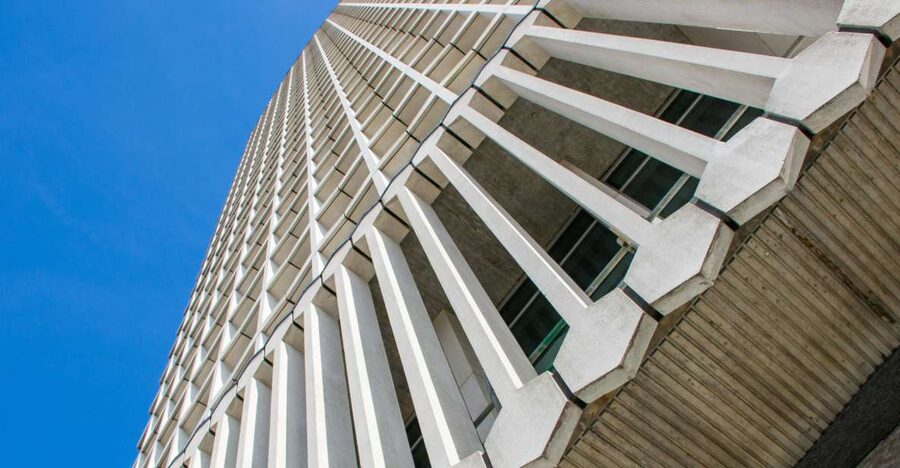
- The National Theatre is a major highlight: Its broad concrete forms make excellent photo subjects and open up discussion about public architecture.
- The route begins at Russell Square: Meet outside the Piccadilly Line station and carry enough credit for one Zone 1 Tube trip.
- The tour links buildings to big events: Post-war rebuilding, Modernist ideas, politics, economics, and social change all enter the story.
- The group stays very small: With a maximum of six participants, questions and conversation should be easier than on a standard city walk.
- Expect exteriors only: No interiors are visited, and poor weather can lead to a postponement or cancellation.
Why Brutalism makes a good London walking tour
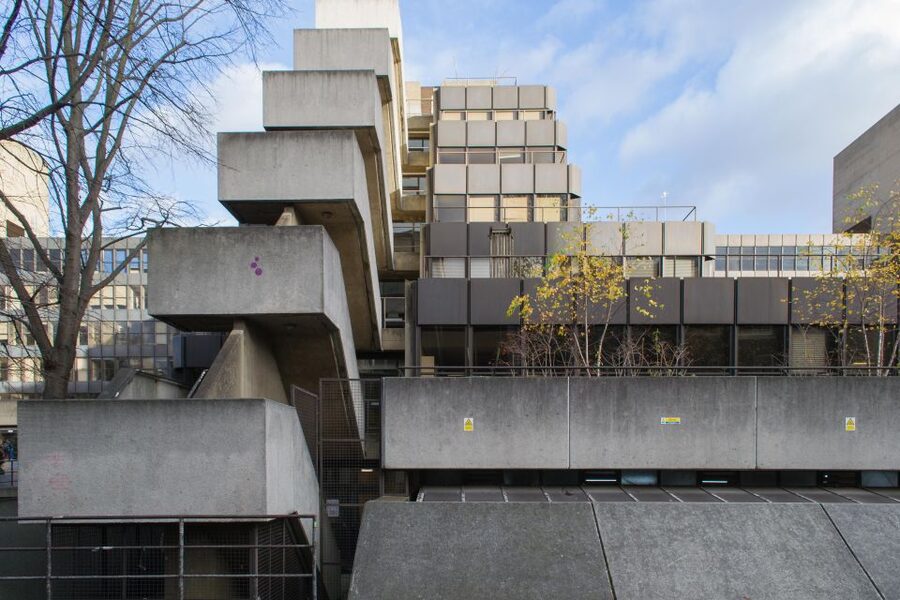
Brutalism is often treated as a simple matter of taste. Some people see strength, honesty, and bold public ambition in raw concrete. Others see cold, oversized buildings that have aged badly. This tour works best because it gives you the background needed to understand both reactions.
The style grew from Modernist thinking and became especially visible in the 1960s and 1970s. Concrete offered architects a material that could handle large projects and unusual forms. It also carried a public message: government, education, culture, and housing could be given serious, monumental buildings rather than being tucked into polite traditional shells.
London’s post-war building program did not happen in a vacuum. The tour connects the city’s concrete architecture to global events and to the social and economic pressures of rebuilding. That wider view matters. You begin to see these structures not just as isolated objects, but as decisions made in a particular period.
I like this approach for London because the city can seem locked into its older image. A Brutalist walk shows another side of central London, one shaped by public institutions, changing construction methods, and debates about what a modern capital should look like.
More London history walks:
- London Small Group Tour of Historical Pubs
★ 5.0 · 10,422 reviews - Soho Music & Historic Pubs Tour
★ 5.0 · 1,993 reviews - London: Historic Pubs of Central London Walking Tour
★ 4.9 · 1,065 reviews
Meeting Evan at Russell Square
The tour begins outside Russell Square Underground Station on the Piccadilly Line. That is a practical starting point in central London, but it also places you near an area where older urban traditions meet later institutions and large-scale public architecture.
Evan is the named guide, and the strongest praise centers on his delivery. He is described as enthusiastic, friendly, polite, and able to adjust the explanation to the group’s level. That last point matters on a specialist walk. You do not need a degree in architecture to join, and you should be able to ask basic questions without feeling out of place.
At the same time, the group’s small size means the experience may feel more like a guided conversation than a formal lecture. If you already know Modernism and Brutalism, you can press for more detail. If you are new to the subject, Evan can give you a framework for reading the buildings.
Bring a valid public transport ticket or enough credit for one Zone 1 trip. The route uses the Tube once for a short journey, so the fare is not a major extra cost, but it is an easy detail to miss when comparing tours.
Reading the Institute of Education
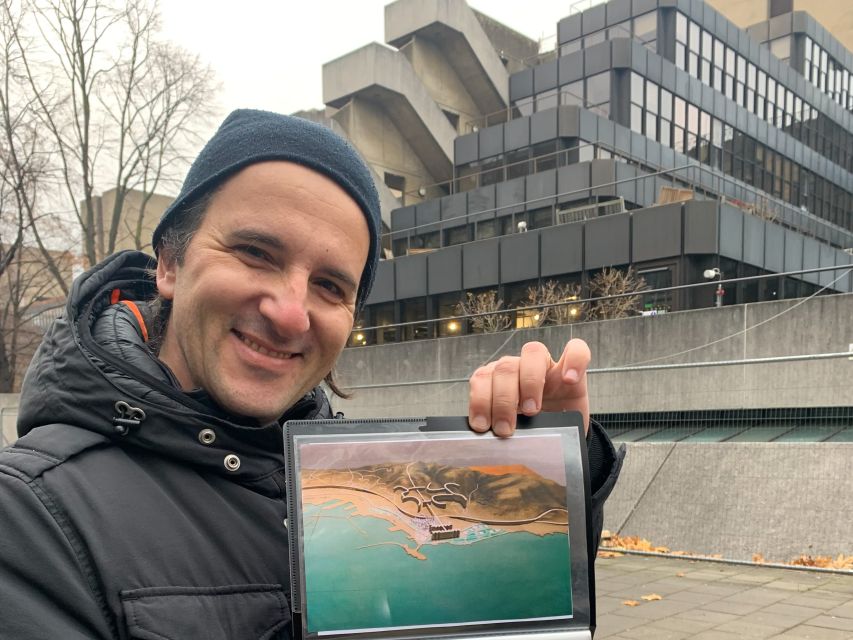
The Institute of Education is one of the named examples on the walk. Its importance is not only visual. A building connected with education gives Evan a useful way to discuss how public institutions were presented in the post-war period.
Here, pay attention to the relationship between scale, concrete, and purpose. Brutalist architecture often makes a building feel larger than a person. That can suggest permanence and civic importance, but it can also make the place feel stern or unwelcoming. The guide’s job is to explain the design choices rather than tell you what opinion to hold.
This is where the tour’s wider history lesson becomes useful. You learn how increased use of concrete changed the look and reach of modern construction. The material was not selected only because it looked severe. Engineering needs, available building methods, cost pressures, and the ambitions of public bodies all played a part.
The drawback is that you will view the Institute of Education from outside. If you want to understand its interior planning, structure, or daily use, this tour will not provide that access. You are examining the public face of the building and learning how to interpret it.
The National Theatre and London’s boldest concrete statement
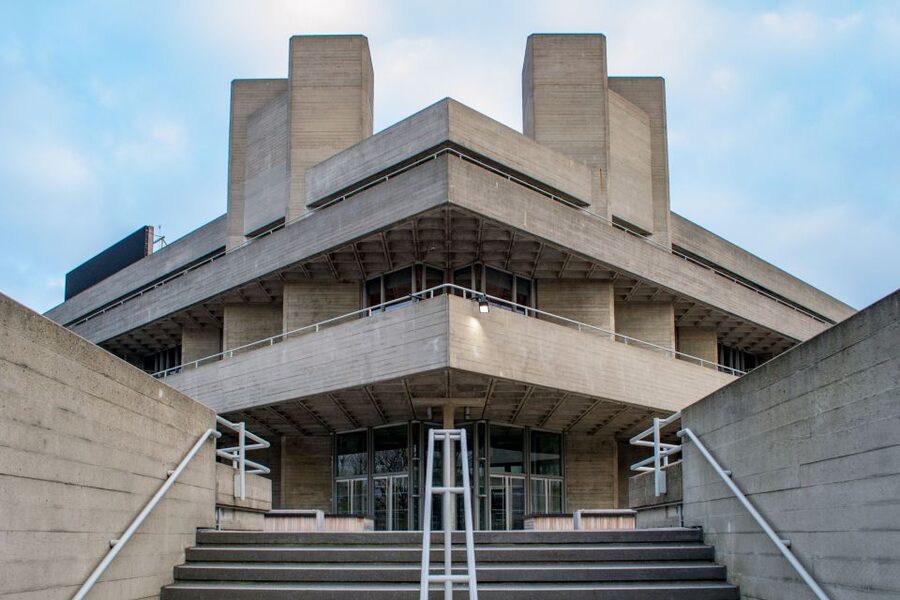
The National Theatre is likely to be the visual centerpiece. It is famous enough to make the walk rewarding even for people who are only beginning to care about post-war architecture, and its layered concrete forms give you plenty to photograph.
The building also suits the tour’s central question: why did cultural institutions receive such forceful modern designs? A theatre is not merely a box for performances. Its architecture can announce that culture belongs in the heart of public life. Brutalist design turns that announcement into something physical and hard to ignore.
Evan uses buildings such as the National Theatre to connect architecture with social, political, and economic conditions. This is one of the most useful parts of the experience. You are encouraged to ask why the building was commissioned, why its appearance divided opinion, and why attitudes toward it changed over time.
Give yourself time to look beyond the overall shape. Concrete surfaces, repeated forms, deep shadows, and strong angles can produce striking photographs. A phone with a wide lens may help, but the tour’s main value is learning what to look for. Afterward, you may notice similar details on other buildings around London.
More London walking tours:
- Magical London: Harry Potter Guided Walking Tour
★ 4.7 · 22,044 reviews - London: The Original Jack the Ripper Walking Tour
★ 4.7 · 7,833 reviews - Tour for Muggles The Ultimate Harry Potter Walking Tour in London
★ 5.0 · 4,684 reviews - London Jack The Ripper Guided Walking Tour
★ 5.0 · 3,131 reviews
The Brunswick and the value of close observation
The Brunswick is another useful stop, particularly for people who want more than a general story about Brutalism. One assessment of the tour singled out Evan’s eye for detail here, and that points to an important difference between a good architecture walk and a list of famous buildings.
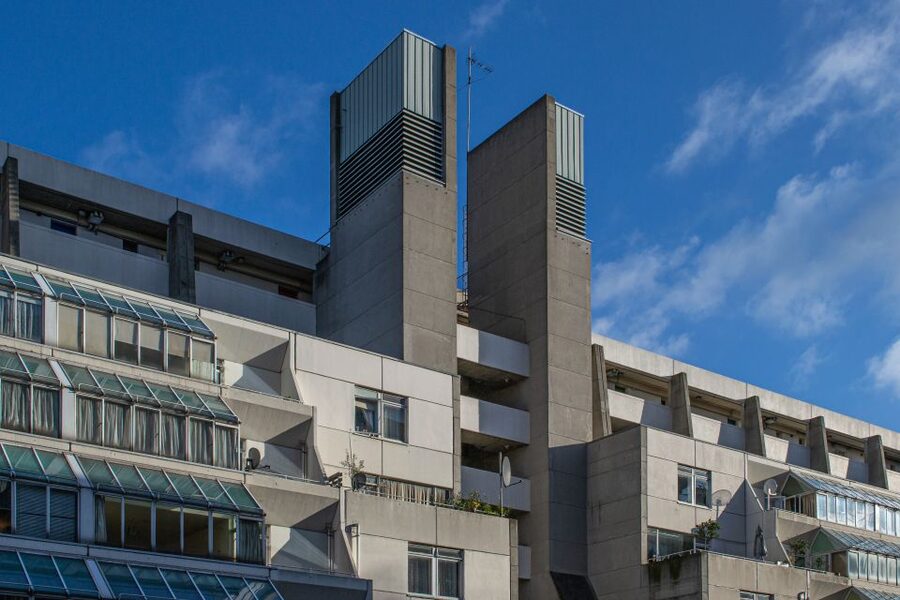
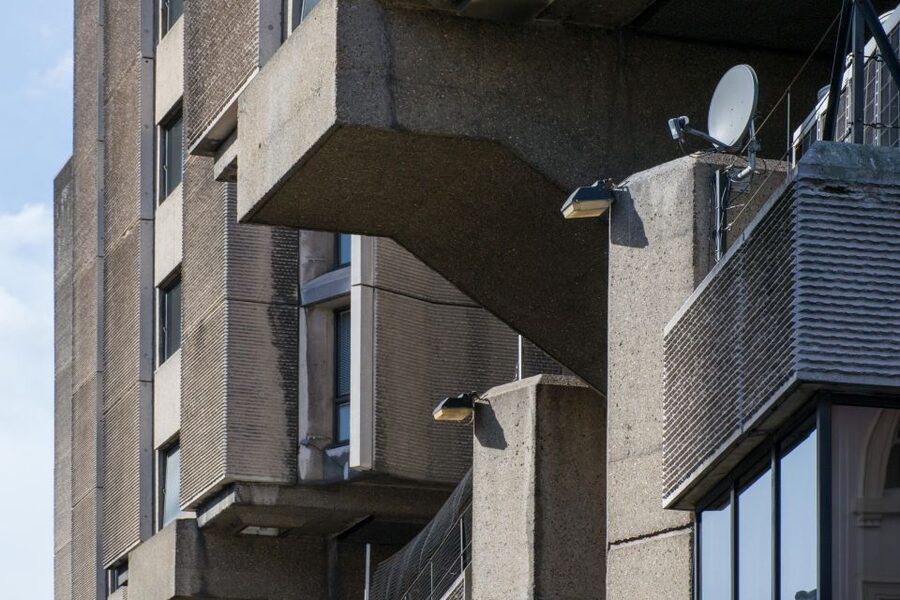
At the Brunswick, look closely at how a large development deals with repeated units, strong geometric forms, and the practical demands of everyday use. Brutalist architecture can seem like a single solid mass from a distance. Up close, you may find a series of smaller decisions about windows, angles, circulation, and the relationship between homes or shops and the surrounding streets.
This stop may also expose a limitation. One participant wanted more discussion of construction materials, compromises, and workarounds, rather than a broader history of Modernism illustrated by buildings along the route. That is a fair point. If your interest is in technical construction, ask direct questions about how the concrete was used and what practical problems the designers faced.
For someone new to the subject, the Brunswick can be an accessible introduction. It gives you a chance to move from broad architectural labels to specific details. That makes the style less abstract and more connected to the way people actually use buildings.
Concrete, politics, and the post-war city
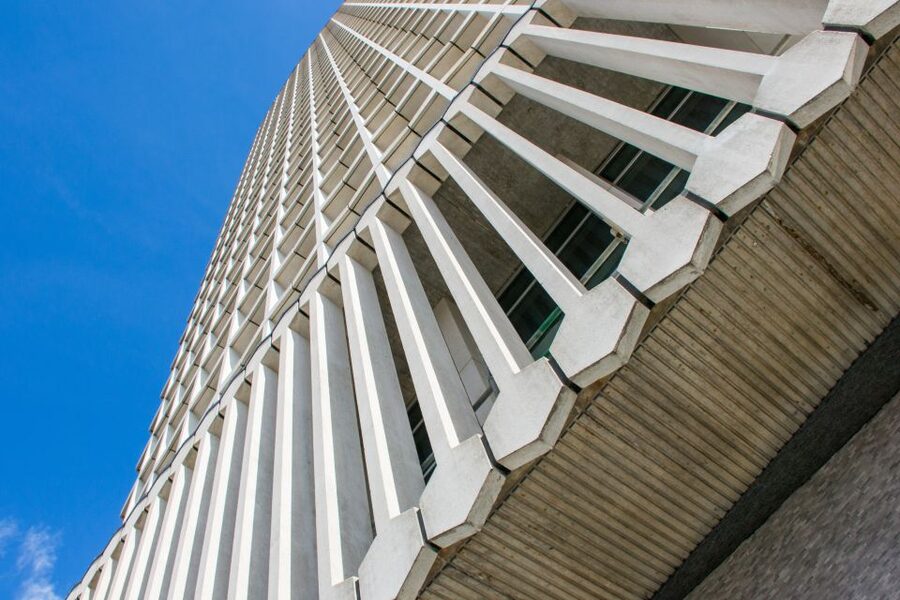
The tour is not just about the appearance of concrete. It looks at the ideas behind monumental Modernist architecture and at the global events that influenced London’s post-war building program.
You will hear about important figures in European Modernism and about the social setting that made large public projects possible. The central theme is that architecture reflects choices about public money, civic pride, housing, education, culture, and the future of the city.
This context adds value to the $47 price. A standard sightseeing walk can show you a famous facade, but it may not explain why the building mattered when it was new, why people rejected it, or why preservation groups now argue that it deserves protection. Here, the building becomes evidence in an ongoing debate.
The tour also addresses environmental impact. Concrete has great structural advantages, but its production carries costs. That tension gives the discussion modern relevance without turning the walk into a simple celebration of Brutalism.
Keep an open mind about the label itself. Not every post-war concrete building is identical, and the term can be used too broadly. One criticism of the tour points to a couple of historical errors and simplified claims, including an inaccurate explanation involving window tax and an overstatement about Isaac Hayward’s politics. That suggests you should enjoy the tour as an informed introduction, while checking any fine historical point you plan to use in academic work.
A small group changes the tone
With only six places, this is a more personal format than a large city walk. You can ask Evan to explain a detail you do not understand, compare different reactions to a building, or spend a little longer on a structure that catches your eye.
The small group also helps with photography. You are less likely to be separated from the guide or left trying to hear a lecture over a crowd. The pace should suit people who want to stop, look upward, and discuss what they are seeing.
The flip side is that a specialist tour works best when the group shares at least some interest in the subject. If you are accompanying someone who dislikes architecture walks, two and a half hours of concrete, construction, and preservation arguments may feel long.
The tour is not suitable for children under 16, and it is not designed for people with mobility impairments. You walk through central London and use public transport once, so wear comfortable shoes and expect normal city conditions. The route may be postponed or canceled in poor weather.
Is $47 good value?
At $47 per person, the tour costs more than a casual self-guided walk but less than many high-end private architecture tours. The value comes from the guide’s interpretation, not from admissions, because no interiors are included and the Tube fare is extra.
For a group of up to six, the price is reasonable if you want a focused introduction and the chance to ask questions. The strongest comments about Evan describe him as engaging, personable, and unusually well informed. One person compared the experience favorably with much more expensive specialist tours, while another returned to book another walk.
I would compare the price with your own interest level. If you already have detailed knowledge of Brutalism and want technical information about concrete mix, structural systems, restoration, or building interiors, you may find the tour too general in places. If you are curious but not yet an expert, the cost buys a useful framework and a new way to read central London.
The booking terms also reduce the risk. You can cancel up to 24 hours ahead for a full refund, and you can reserve now and pay later. Those policies do not change the tour itself, but they are helpful when London weather and busy itineraries are hard to predict.
Who should book this walk?
I would choose this tour if you enjoy modern architecture, urban history, photography, or the social story behind public buildings. It is also a good pick if you have already seen London’s major historic sights and want a different subject for one morning or afternoon.
You do not need specialist training. Evan’s ability to adapt the explanation is a real advantage, especially if one person in your group knows a lot and another is starting from zero.
I would hesitate if you need step-free access, want to go inside the buildings, or expect a hands-on construction demonstration. The walk is primarily about looking, listening, and discussing. For serious architecture students, ask questions throughout the route so you can steer the conversation toward structure and materials.
FAQ
Where does the Brutalist architecture tour meet?
The meeting point is outside Russell Square Underground Station on the Piccadilly Line.
How long does the tour last?
The walking tour lasts 2.5 hours.
How much does the tour cost?
The listed price is $47 per person.
Is public transportation included?
No. The tour uses the Tube once for a short journey, and you need enough credit for one trip within Zone 1.
What language is the tour in?
The live tour guide speaks English.
How many people are in the group?
The group is limited to six participants.
Are the interiors of the buildings visited?
No. The tour visits the buildings from the outside only.
Can children join the tour?
No. The tour is not suitable for children under 16 years.
Should you book the London Brutalist Architecture and History Walking Tour?
Book it if you want to understand why London’s concrete buildings were built, criticized, and later reconsidered. Evan’s enthusiasm, the tiny group, and the stops at the National Theatre, Institute of Education, and Brunswick give the walk a clear sense of purpose.
Go in expecting an outdoor introduction rather than a technical building survey. You will pay separately for one Tube trip, see no interiors, and may want to ask extra questions if construction detail matters most to you. For curious visitors who want London beyond its old stone facade, this is a thoughtful and good-value choice.
Latest arrivals on the London list
- Easy Access Tower of London Royal Secrets & Scandals Tour★ 5.0 · 3 reviews
- Stonehenge Special Access Guided Morning Tour from London★ 4.5 · 3 reviews
- Shoreditch & East London Walking Tour with a Local, Custom & Private★ 5.0 · 3 reviews
- Madame Tussauds London Fast Track and Champagne Experience★ 3.5 · 3 reviews
- London Private Brixton Tour with a Local – Culture & Stories★ 4.9 · 3 reviews
- Private Full Day Tour – Fast Track Tower of London and Lunch★ 4.6 · 3 reviews
- Private transfer from London Heathrow Airport to Southampton★ 5.0 · 3 reviews
- London Soho District – Guided Walking Tour 12 guests 2,5h★ 4.8 · 3 reviews
Historical Tours, compared.
Royal Historic Pubs Walking Guided Tour in London
Read our review →
Private Group: Historical Pub Walking Tour of London
Read our review →
Browse the lists this tour appears in