
Reviewed · WORKSHOPS
London: French Macaron Workshop in London
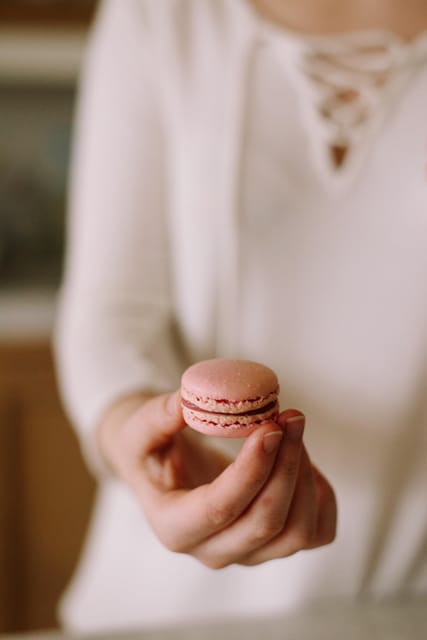
The main appeal here is simple: you get to make French macarons yourself, then carry a box of your creamy creations home. In a small group of no more than six, instructors such as Jojo and Dora can give you the patient, step-by-step help that delicate macarons need.
I like the relaxed pace and the chance to practise real techniques rather than just watch a demonstration. I also like that all ingredients, a hot or cold soft drink, and a take-home box are included. The main consideration is that this is a friendly craft class, not a professional pastry-school kitchen. The setting may feel informal, and one class had a late start.
In This Review
- Key points at a glance
- Making macarons without the usual fear
- The reception area and café stop
- What happens during the three-hour class
- Why the small group matters
- The setting: useful, friendly, and informal
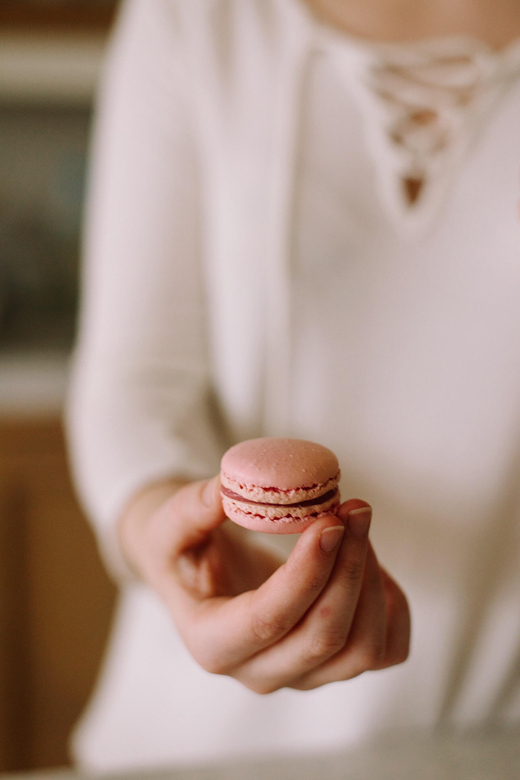
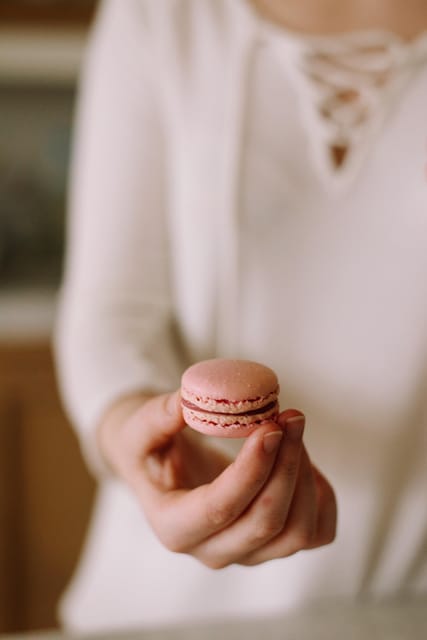
- The macarons you take home
- Is $80 good value?
- Who will enjoy this most?
- Booking and cancellation tips
- Should you book the London macaron workshop?
- FAQ
- Where does the macaron workshop take place?
- How long does the experience last?
- How many people are in the class?
- Is the class taught in English?
- Are ingredients included?
- Do I get to take macarons home?
- Is a drink included?
- Can I cancel for a refund?
Key points at a glance

- Small group of six: You get a better chance to ask questions and receive help with piping, mixing, and filling.
- About three hours of hands-on baking: The session covers the key steps behind attractive, well-formed macarons.
- Plenty to take home: A box is provided, and you can bring a Tupperware container if you prefer extra protection.
- English-speaking instruction: Jojo, Dora, or another instructor guides the class through the process.
- A relaxed social outing: It suits birthdays, couples, families, friends, and anyone wanting a creative break in London.
- Informal rather than professional: Expect encouragement and practical instruction, but not an industrial training kitchen.
Making macarons without the usual fear
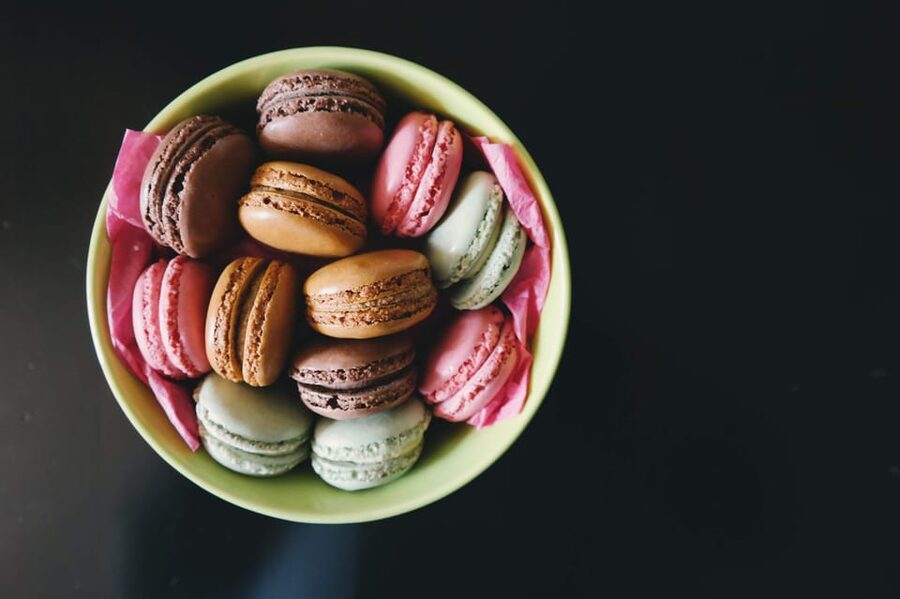
Macarons have a reputation for being fussy. The shells can crack, spread, or lose their smooth tops. The mixture has to be handled with care, and piping takes more control than many first-time bakers expect.
This workshop is designed to make that process less intimidating. You spend around two and a half to three hours learning the main methods, from preparing the mixture to shaping the shells and adding the filling. The aim is not simply to hand you a finished treat. You practise enough of the work to repeat it at home.
That matters because macarons are best learned by seeing the texture change in front of you. You need to understand when the mixture is ready, how to pipe evenly, and how to avoid treating it too roughly. A calm instructor can save you from the common mistake of following a recipe without knowing what the mixture should look like.
The tone is deliberately easygoing. Jojo has been praised for being friendly, patient, and encouraging, while Dora has been singled out for making a birthday visit feel personal and welcoming. Instructor quality is a major part of this experience. You are not simply buying ingredients and bench space. You are paying for someone to explain the tricky parts in plain English and keep the session moving.
A few more London days worth a look
- London: Traditional English Scone Making and Tea Workshop
★ 5.0 · 702 reviews - London: East End Street Art Tour and Spray Painting Workshop
★ 4.8 · 297 reviews - London Traditional English Scone Making and Tea Workshop
★ 5.0 · 271 reviews
The reception area and café stop
You do not need to arrive early. If you do, there is an on-site café where you can buy a coffee or another drink while waiting in the reception area for collection.
The café is not operated by the macaron class, so treat it as a convenient waiting option rather than part of the workshop itself. The included drink is a soft drink, hot or cold, during the activity. You may also bring your own alcohol if you wish, which could make the session feel more like a casual celebration, but that choice is entirely up to you.
The meeting instructions are straightforward: go to reception. This is useful if you are unfamiliar with the venue, though you should pay attention to any messages about delays. One participant missed an app message explaining that the class would start late because of staff shortages. I would allow a little flexibility in your plans, especially if you have theatre tickets, dinner, or another booking soon afterward.
What happens during the three-hour class
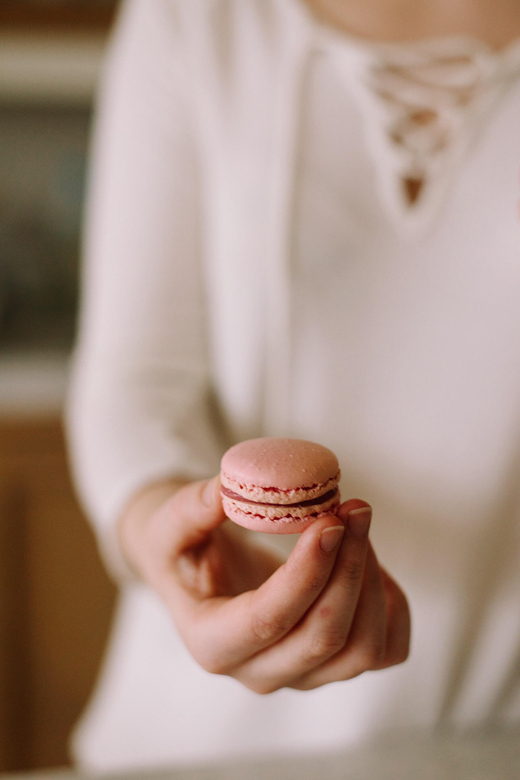
The exact order may vary slightly, but the workshop is built around the core stages of making macarons. You are introduced to the ingredients and methods, then guided through the preparation of the shells and the filling.
The first part is about setting up the mixture correctly. This is where the instructor’s demonstrations are most useful. Macaron batter is not just a matter of stirring everything together. The texture affects how the shells pipe, settle, and bake. You will need to watch closely and ask questions if you are unsure.
Next comes piping. This is the stage that gives the macarons their neat, round appearance, and it is also where beginners can feel the pressure. The class gives you a chance to practise the technique rather than relying on a finished example. If your circles are not identical, do not worry too much. The point is to learn the hand movement and consistency that you can improve in your own kitchen.
The shells then need time for the process to continue. While the class moves between stages, you may have moments to talk with the other people in your group, compare flavours, or ask the instructor about problems you have had at home. The small group size should help keep those gaps useful instead of leaving you waiting in a crowd.
The filling is another creative part of the session. A wide range of flavours is available, giving you room to make combinations that suit your taste. One point to note is that the filling used in at least one class was buttercream, rather than the ganache many people associate with traditional macarons. That is not automatically a flaw, but it is worth knowing if you have a strong preference for classic ganache.
Once the shells and filling are ready, you assemble the macarons and prepare them to take home. This final stage is satisfying because you can see the result of all the earlier work. It also gives you a practical idea of how much care is needed to make a polished-looking macaron.
Why the small group matters
Six participants is a useful limit for this kind of class. You have more room to see what the instructor is doing, and you should have a better chance to ask for help before a small mistake becomes a large one.
That personal attention is especially helpful during piping and mixing. If the batter looks too thick or your piping technique is uneven, a teacher can respond in the moment. In a large demonstration, you might not know if the problem is your ingredients, your timing, or your technique.
The group format also makes this a social outing. It works for a birthday, a date, a family activity, or an afternoon with friends. One birthday booking became a particularly warm occasion because the hosts made the couple feel at home. The class is structured enough to teach you something, but informal enough to leave room for conversation.
Still, small group does not mean private class. You are sharing the instructor’s attention with up to five other people. If you want a formal, highly technical lesson with exact professional standards, this may feel too casual.
Something completely different for your London days:
- London: The London Eye Entry Ticket
★ 4.6 · 35,875 reviews - From London: Harry Potter Warner Bros Studio Tour
★ 4.7 · 26,588 reviews - London: Westminster to Greenwich River Thames Cruise
★ 4.5 · 22,836 reviews - Magical London: Harry Potter Guided Walking Tour
★ 4.7 · 22,044 reviews
The setting: useful, friendly, and informal
The atmosphere is meant to be welcoming rather than polished and corporate. That is part of the charm for many people. You can focus on learning, chatting, and enjoying the process without feeling as if you are sitting an exam.
The trade-off is that the surroundings and service details may not always feel perfectly organised. One session did not start on time because of staff shortages, and basic supplies in the toilets had run out. Another participant found the instructor’s phone use between stages less professional than expected.
These points do not erase the value of the baking lesson, but they help set the right expectations. Come for the hands-on macaron making and the friendly teaching, not for a luxury cookery-school presentation. If you need a tightly timed activity, contact the provider before booking or leave room in your schedule afterward.
The macarons you take home

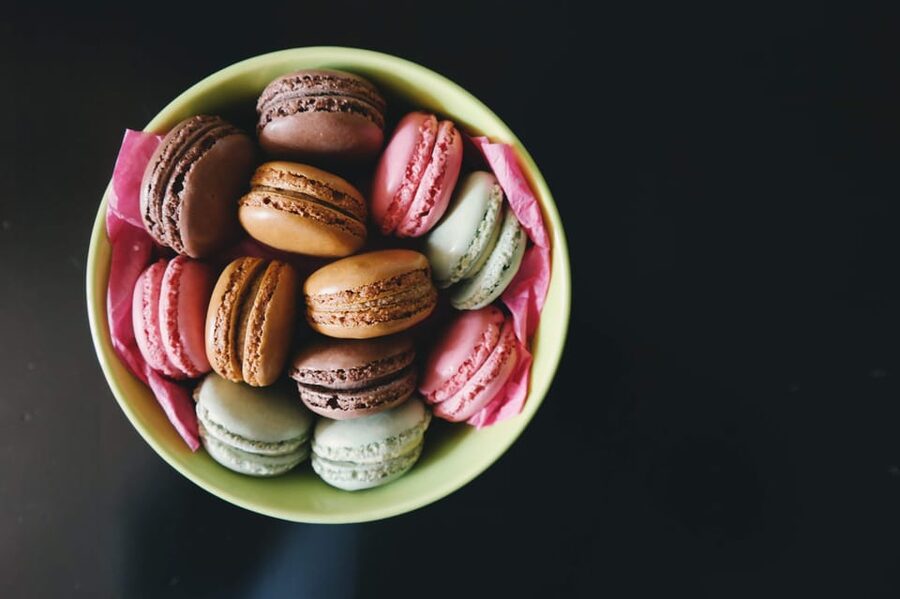
The take-home box is one of the strongest practical benefits. You are not finished when the class ends. You leave with macarons to share, give as an edible present, or keep for yourself.
A box is supplied, though you can bring your own Tupperware container as well. That is a sensible idea if you are carrying the macarons around London afterward or want extra protection for delicate shells.
The quantity is described as lots of macarons, but no exact number is provided. I would not book this expecting a fixed yield. Your final amount may depend on the class process, the size of the shells, and how the group works through the recipe.
The take-home result also gives you a useful test of the lesson. If the macarons survive the journey and taste good at home, you have a clear reason to try the recipe again. The recipe may be shared afterward, as it was for one birthday booking, though this is not promised as a standard inclusion in the activity details.
Is $80 good value?

At $80 per person, this is not the cheapest way to eat macarons in London. If your only goal is a box of pastries, buying them from a bakery will cost less effort and may give you a more uniform result.
The value comes from the combined package. You receive about three hours of instruction, all ingredients, a drink, hands-on practice, a small group setting, and macarons to take home. You are also paying for the chance to learn a skill that can be repeated in your own kitchen.
I think the price makes the most sense for a special occasion or for people who enjoy food workshops. A birthday, anniversary, or gift booking gains value from the shared activity, not just the finished sweets. It is also a reasonable choice if you have tried macarons at home and want help with the parts that keep going wrong.
The calculation changes if you have taken professional cooking classes before. One participant found the experience quite different from an industrial or professional kitchen setting. If you expect strict culinary-school procedure, commercial equipment, and a formal teaching structure, the price may feel high. If you want a relaxed introduction with a friendly guide, it is easier to justify.
Who will enjoy this most?

I would recommend the class to first-time macaron makers, casual bakers, couples, families, and small groups of friends. It is especially well suited to someone who wants an activity rather than another meal or sightseeing stop.
It also makes a good edible gift experience. You get time together, a creative task, and something to take home instead of a souvenir that gathers dust. The instructors’ patient style should help if you are nervous about baking or have never handled macaron batter before.
This is less suitable for an experienced pastry chef seeking advanced instruction. The class focuses on making desirable, attractive macarons and removing the fear from the process. It does not promise professional certification, industrial methods, or a formal kitchen environment.
You should also think about your schedule. The advertised duration is three hours, with the practical teaching described as roughly two and a half to three hours. Since one class started late, I would not place a hard-to-miss booking immediately afterward.
Booking and cancellation tips
The class is taught in English and is limited to six participants. Check the available start times before choosing a date, since the session length is fixed but the schedule can vary.
You can reserve now and pay later, which helps if your London plans are still taking shape. Free cancellation is available up to 24 hours in advance for a full refund. That policy is useful for a trip with uncertain weather or changing plans, but check the terms at booking and keep an eye on activity messages.
Arrive at reception rather than trying to enter the class area directly. You do not need to come early, though the on-site café gives you somewhere to wait if you do. Bring a Tupperware box if you want extra space for your macarons, and bring your own alcohol only if that suits your group.
Should you book the London macaron workshop?
Book it if you want to learn a practical baking skill in a small, friendly group and take home the results. The best parts are the patient teaching associated with Jojo and Dora, the relaxed social mood, the hands-on format, and the chance to recreate the macarons later.
Think twice if you expect a professional training kitchen, a perfectly timed schedule, or traditional ganache as the standard filling. The setting can be informal, and service details may occasionally be untidy.
For a birthday, couple’s outing, family treat, or food-loving afternoon with friends, I think the experience offers a fair return for $80. Go in ready to learn, accept that your first macarons may not look bakery-perfect, and you should come away with both a box of sweets and a useful new kitchen skill.
FAQ
Where does the macaron workshop take place?
It takes place in South East England, United Kingdom. On arrival, go to reception and wait to be collected for the class.
How long does the experience last?
The advertised duration is three hours. The practical teaching is also described as about two and a half to three hours.
How many people are in the class?
The group is limited to six participants.
Is the class taught in English?
Yes. The instructor language is English.
Are ingredients included?
Yes. All ingredients needed for the macaron class are included.
Do I get to take macarons home?
Yes. A box is provided for taking your macarons home, and you may also bring a Tupperware container.
Is a drink included?
Yes. One soft drink is included, either hot or cold. You may bring your own alcohol.
Can I cancel for a refund?
Yes. You can cancel up to 24 hours in advance for a full refund. You can also reserve now and pay later.
Latest arrivals on the London list
- Easy Access Tower of London Royal Secrets & Scandals Tour★ 5.0 · 3 reviews
- Stonehenge Special Access Guided Morning Tour from London★ 4.5 · 3 reviews
- Madame Tussauds London Fast Track and Champagne Experience★ 3.5 · 3 reviews
- Shoreditch & East London Walking Tour with a Local, Custom & Private★ 5.0 · 3 reviews
- London Private Brixton Tour with a Local – Culture & Stories★ 4.9 · 3 reviews
- Private Full Day Tour – Fast Track Tower of London and Lunch★ 4.6 · 3 reviews
- Private transfer from London Heathrow Airport to Southampton★ 5.0 · 3 reviews
- London Soho District – Guided Walking Tour 12 guests 2,5h★ 4.8 · 3 reviews
Workshops, compared.
Traditional English Scone Making and Tea Workshop
Read our review →
East End Street Art Tour and Spray Painting Workshop
Read our review →London Traditional English Scone Making and Tea Workshop
Read our review →

Street Art Tour and Spray Painting Workshop in London
Read our review →
3 Hour Chinese Dumpling Cooking Class for 2-6 people in London
Read our review →Browse the lists this tour appears in