Reviewed · PRIVATE
London in the Swinging 60s – Private Tour
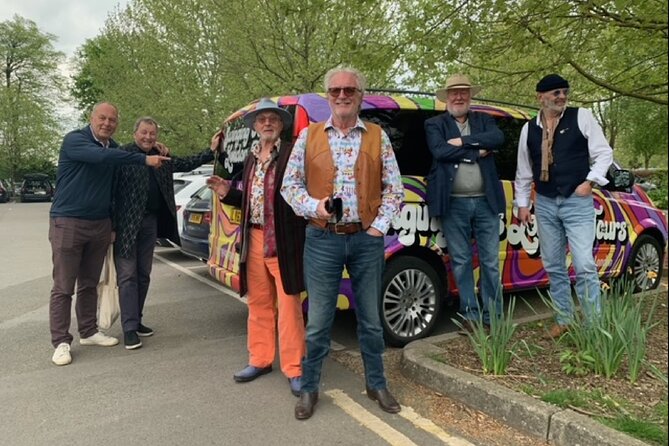
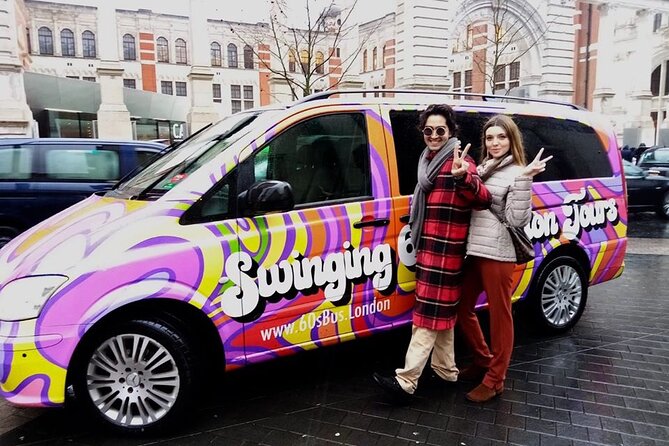
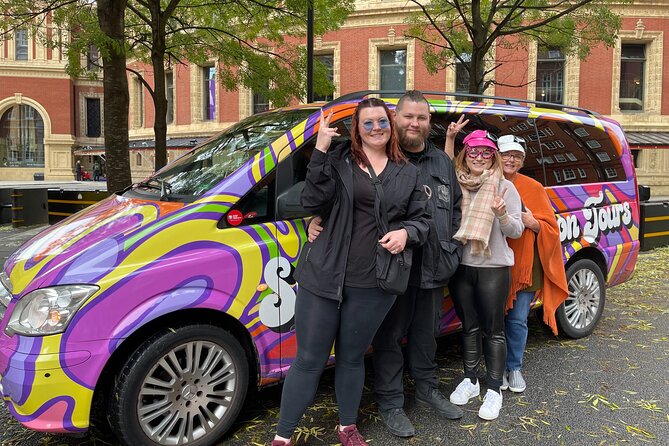
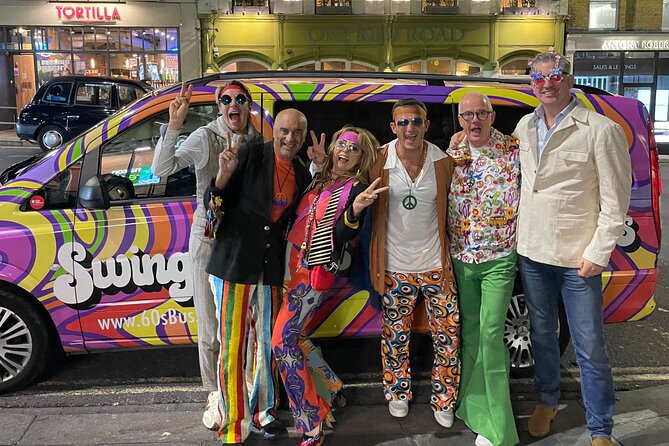
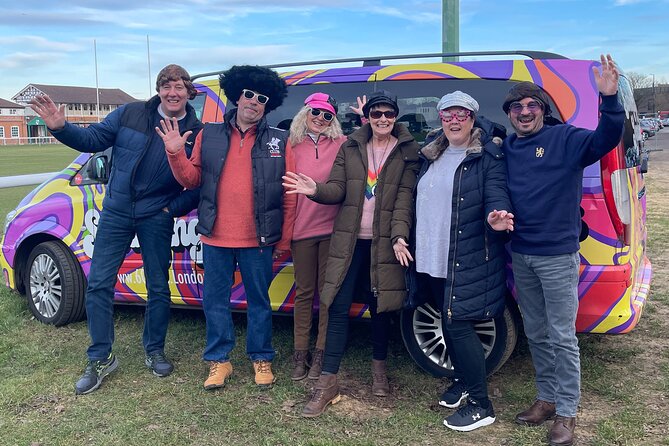
The best part of this tour is the way it turns Chelsea into a musical map. From a psychedelic minibus, you trace the London of Mary Quant, Eric Clapton, the Rolling Stones, the Beatles, and other 1960s figures, with guide Paul Endacott supplying the stories that connect each address.
I like the small private group, which makes it easier to ask about your favorite band, and I like the stop at the Troubadour, where Paul Simon, Bob Dylan, and Jimi Hendrix once played. The main consideration is time: at about 90 minutes, this is a brisk look at a few key places, not a full-day study of 1960s London.
In This Review
- Key points at a glance
- Seeing Swinging London from a psychedelic minibus
- Sloane Square and the first Beatles connection
- The Kings Road, Mary Quant, and psychedelic style
- The Pheasantry and Eric Clapton’s Chelsea address
- Old Church Street and the recording world
- Cheyne Walk and the homes of music legends
- Flood Street and the Sgt. Pepper photograph
- Edith Grove and the early Rolling Stones
- Fifteen minutes inside the Troubadour
- What the short format does well
- What the price means for a private group
- Who should book this experience
- Practical details before you go
- Should you book the Swinging 60s London tour?
- FAQ
- How long is the London in the Swinging 60s tour?
- Where does the tour start and finish?
- What time does the tour begin?
- How many people can join the private tour?
- Is the Troubadour included?
- Are drinks included?
- What is the cancellation policy?
Key points at a glance
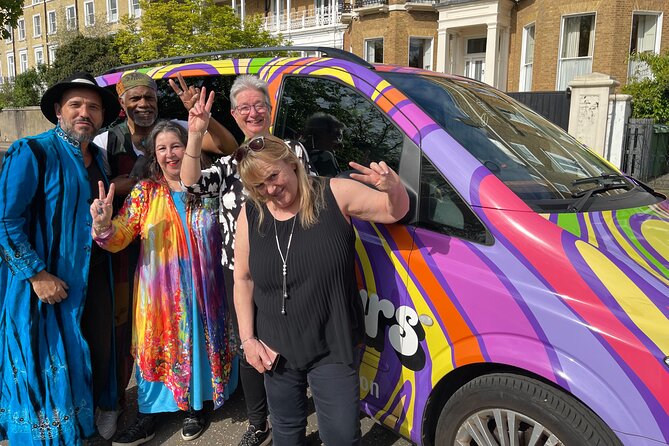
- Ride through Chelsea in a psychedelic minibus: The vehicle is part of the theme, not just transport between stops.
- Follow the Kings Road connection: See places linked with 1960s fashion, music, and youth culture.
- Visit rock landmarks: The route includes Clapton’s former flat, Rolling Stones addresses, and the studio used for the Sgt. Pepper album photograph.
- Hear stories from Paul Endacott: His commentary covers music, fashion, venues, and the people behind the era.
- Finish at the Troubadour: You get 15 minutes inside one of London’s key folk and rock venues.
- Best for mixed-age groups: The format works for music fans, families, birthday treats, and visitors who want something beyond standard London sights.
Seeing Swinging London from a psychedelic minibus
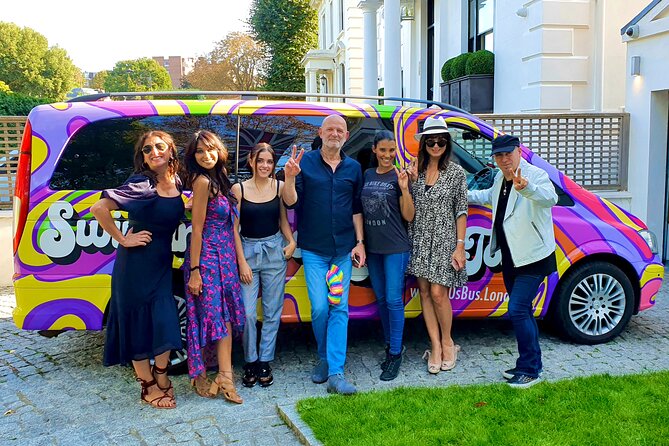
This private tour begins at the Royal Court Theatre on Sloane Square at 11 a.m. That is a useful starting point. You are already in Chelsea, close to the Kings Road and many of the addresses tied to the 1960s scene.
The minibus gives the outing a playful feel. You are not simply walking from blue plaque to blue plaque. You move through the streets with period music and a guide who builds a story around the buildings, clubs, shops, and studios along the way.
The private format matters. Your group has the vehicle and guide to itself, with the advertised price covering up to six people. The tour summary also refers to a maximum of eight, so I would confirm the exact vehicle capacity when booking if your party has more than six people.
Paul Endacott is the named guide associated with this experience. His approach, based on the details of the tour, is conversational and tailored. You can expect more than a list of famous names. The route brings together fashion and music, showing how the same streets were shaped by boutiques, bands, recording spaces, and nightlife.
A few more London days worth a look
- The Premier Classic London: Private 4-Hour Tour in a Black Cab
★ 5.0 · 2,737 reviews - Stonehenge Inner Circle Private Tour from London with Bath Visit
★ 5.0 · 1,909 reviews - London: Tower of London Entry & Beefeater Private Audience
★ 4.4 · 1,441 reviews
Sloane Square and the first Beatles connection
The first stop is Sloane Square, where you see the hotel that the Beatles used as their first London base in the early 1960s. The visit lasts about two minutes, so this is a quick orientation rather than a hotel tour.
That short stop still has value. It places the Beatles at the beginning of their London story, before the band became a worldwide cultural force. You get a sense of how their arrival in the capital connected them with Chelsea and the wider network of musicians, designers, photographers, and club owners who helped define the decade.
Admission is not included because there is no stated interior visit. You are seeing the exterior and hearing the story from the street.
From here, the tour moves through the beating heart of Swinging London. The Kings Road is important because it brings several strands of the era together. Music is only part of the picture. Fashion, independent shops, new youth styles, and changing social attitudes all met here.
The Kings Road, Mary Quant, and psychedelic style
The Kings Road is where the tour makes its strongest connection to fashion. You hear about Mary Quant’s Bazaar, a shop that helped give the area its reputation for fresh, youthful design.
You also learn about Granny Takes A Trip, described as London’s first psychedelic boutique. The name alone captures the difference between this scene and the more formal London of earlier decades. These were places where clothing, music, graphics, and personal style mixed freely.
I like this part of the route because it avoids treating the 1960s as only a sequence of famous rock stars. The fashion stops explain why the phrase Swinging London became so powerful. You are looking at a cultural shift that happened in shops and on sidewalks as much as on concert stages.
The drawback is that these locations are experienced from the outside. There is no shopping stop, museum collection, or included admission attached to the boutiques. If you want to see original clothing or learn about the designers in an exhibition setting, you would need to add another visit elsewhere in London.
The Pheasantry and Eric Clapton’s Chelsea address
At The Pheasantry, you see the former flat associated with Eric Clapton during his Cream years. The stop lasts about a minute, so expect a quick look and a short explanation rather than time to explore the building.
The location helps bring the music scene down to street level. Clapton was not only a performer on a stage. He was part of a network of musicians living, recording, socializing, and working within a relatively compact part of London.
This is also a good example of the tour’s style. The appeal lies in the connection between an ordinary-looking address and a major musical chapter. You may pass the building without noticing anything special on your own. With the story attached, it becomes part of a larger route through the decade.
Something completely different for your London days:
- London: The London Eye Entry Ticket
★ 4.6 · 35,875 reviews - From London: Harry Potter Warner Bros Studio Tour
★ 4.7 · 26,588 reviews - London: Westminster to Greenwich River Thames Cruise
★ 4.5 · 22,836 reviews - Magical London: Harry Potter Guided Walking Tour
★ 4.7 · 22,044 reviews
Old Church Street and the recording world
Old Church Street receives about five minutes, making it one of the longer exterior stops. Here you see a current London home associated with Eric Clapton and the location of a recording studio favored by Pink Floyd, Cat Stevens, The Who, and other 1960s names.
This stop broadens the story beyond one band or singer. You are reminded that London’s music scene depended on working places, not just famous concert halls. Studios allowed artists to experiment, develop a sound, and turn live performances into lasting recordings.
The tour does not include entry to the studio or home. That is worth keeping in mind if you are expecting an indoor music museum. The reward is the guide’s account of what happened at the address and how the people connected to it fit into the period.
Cheyne Walk and the homes of music legends
Cheyne Walk follows, with about three minutes to look along one of the most exclusive stretches beside the River Thames. The tour points out homes linked with music legends.
This is a quieter part of the route. Rather than focusing on a shop or venue, it shows where musicians lived within the city’s more refined surroundings. That contrast is useful. Swinging London was not confined to dingy clubs and crowded boutiques. Its leading figures also occupied elegant neighborhoods and fashionable addresses.
Because Cheyne Walk is primarily a viewing stop, your experience depends on the commentary. Keep your expectations practical: you are not touring private homes, and admission is not included. You are seeing the setting and hearing the associations while remaining respectful of residential spaces.
Flood Street and the Sgt. Pepper photograph
Flood Street is one of the tour’s most appealing Beatles stops. You see the studio where the famous photograph for Sgt. Pepper’s Lonely Hearts Club Band was made in 1967.
The stop lasts about two minutes and admission is free. The photograph itself is one of the defining images of popular music, so the address gives the album a physical link to London. It also shows how the city’s creative scene reached beyond recording rooms and concert venues into photography and visual design.
If you are especially interested in the Beatles, this is one of the moments to ask Paul for extra context. The tour includes several artists, but the Beatles are woven into the route from the opening hotel connection through this later studio stop.
Edith Grove and the early Rolling Stones
At Edith Grove, you see the former home of Mick Jagger, Keith Richards, and Brian Jones in 1962. This is identified as the place where the Rolling Stones were named.
The stop lasts roughly two minutes and admission is free. Its importance comes from how early it sits in the Stones’ story. You are looking at the band before the fame, when musicians were sharing space and shaping an identity that would soon become famous around the world.
This is another exterior stop, so the address is not presented as a house museum. Still, the setting can be meaningful if you are a Stones fan. The tour can also be adapted around particular interests, and private groups have used the experience for a stronger Rolling Stones focus.
Fifteen minutes inside the Troubadour
The Troubadour is the tour’s main included visit and longest stop, at about 15 minutes. It is presented as one of London’s important music venues, with strong links to Paul Simon, Bob Dylan, Jimi Hendrix, and other 1960s figures.
This is where the tour’s subject becomes easiest to picture. A venue gives you more than an address. It suggests the close, informal relationship between performers and audiences that helped folk and rock music grow in the early 1960s.
The Troubadour also provides a change of pace after several quick roadside stops. You have time to look around and connect the stories to a real performance space. It is the closest thing on this itinerary to an indoor historical visit.
The 15-minute timing is still limited. You are not attending a concert, and the activity does not include food, coffee, or alcoholic drinks. Think of it as a brief venue visit that completes the route, not a full evening at the club.
What the short format does well
At 90 minutes, this tour is easy to fit into a London schedule. You can take it in the morning, then continue with lunch or another afternoon activity. That makes it useful for a weekend visit or a family day when not everyone wants a long music pilgrimage.
The short length also keeps the route lively. You move from hotel to boutique area, residential address, studio, and venue without spending too long at any one exterior.
The tradeoff is depth. The route covers many names and places quickly. If you want lengthy walks, archive material, time inside multiple venues, or a detailed study of one band, this will feel too compact.
I would think of it as a focused introduction. It gives you a strong Chelsea-centered route and enough leads to plan further sightseeing on your own.
What the price means for a private group
The listed price is $397.75 per group of up to six people. That sounds high if you are comparing it with a standard walking tour priced per person, but the calculation changes with a full group.
For six people, the cost works out to about $66 per person. For four people, it is about $99 each. For only two people, the private format becomes much more expensive, so the value is strongest for families or groups of friends sharing the booking.
You are paying for a private vehicle, a professional guide, and a route centered on specific personal interests. That is more useful than a general bus tour if your group wants to focus on the Beatles, Rolling Stones, fashion, or 1960s music as a whole.
All taxes, fees, and handling charges are included. Transportation to the meeting point, drinks, coffee, and tea are not included.
Who should book this experience
I would recommend it most strongly to:
- Fans of the Beatles, Rolling Stones, Cream, Pink Floyd, The Who, or 1960s folk and rock
- Families sharing music memories across two or three generations
- Visitors who want Chelsea and the Kings Road explained through culture rather than royal history
- Birthday groups looking for a themed London outing
- College or school groups studying British music and the cultural changes of the 1960s
- Anyone who prefers a private guide and vehicle to a large scheduled tour
It can work well for younger participants too. The minimum age is nine, and the subject includes fashion and social change as well as music. Teenagers do not need to be lifelong rock fans to follow the story, though the experience will be strongest if someone in the group already has an interest in the era.
It may not suit you if you want a long walking tour, extensive indoor access, or a broad survey of all London music districts. The route is concentrated around Chelsea and nearby streets, with several short exterior visits.
Practical details before you go
The meeting point is the Royal Court Theatre, 50 to 51 Sloane Square, London SW1W 8AS. The tour begins at 11 a.m. and ends back at the same meeting point, which makes onward planning straightforward.
A mobile ticket is provided. Confirmation arrives at booking, but tour availability is checked before your card is charged. You can cancel for a full refund up to 24 hours before the start time. Cancellations or changes inside that window are not accepted for a refund.
The activity is near public transportation, and most people can participate. Service animals are allowed. Since this is a minibus tour with several brief stops, I would still confirm any specific mobility needs before booking.
Bring your interest and your questions. The private format is especially useful when you want to ask about one musician or tailor the discussion toward fashion, the Beatles, or the Stones.
Should you book the Swinging 60s London tour?
Book it if you want a lively, personal introduction to the London addresses behind 1960s music and fashion. The psychedelic minibus, Paul Endacott’s focused commentary, and the Troubadour visit give the experience more character than a basic sightseeing ride.
I would especially choose it for a group of four to six people, where the private price becomes easier to justify. Go in expecting exterior landmarks and brisk storytelling, not museum visits or a full-day tour. For the right music fan, that compact format is a strength.
FAQ
How long is the London in the Swinging 60s tour?
The tour lasts approximately 1 hour and 30 minutes.
Where does the tour start and finish?
It starts and ends at the Royal Court Theatre, 50 to 51 Sloane Square, London SW1W 8AS, UK.
What time does the tour begin?
The scheduled start time is 11 a.m.
How many people can join the private tour?
The listed price covers a private group of up to six people. The tour highlights also refer to a maximum of eight, so confirm the capacity if your group is larger than six.
Is the Troubadour included?
Yes. Admission to the Troubadour is included, with approximately 15 minutes allocated there.
Are drinks included?
No. Alcoholic beverages, coffee, and tea are not included.
What is the cancellation policy?
You can cancel at least 24 hours before the start time for a full refund. Cancellations or changes made less than 24 hours before the tour are not refunded or accepted.
Latest arrivals on the London list
- Easy Access Tower of London Royal Secrets & Scandals Tour★ 5.0 · 3 reviews
- Stonehenge Special Access Guided Morning Tour from London★ 4.5 · 3 reviews
- Madame Tussauds London Fast Track and Champagne Experience★ 3.5 · 3 reviews
- Shoreditch & East London Walking Tour with a Local, Custom & Private★ 5.0 · 3 reviews
- London Private Brixton Tour with a Local – Culture & Stories★ 4.9 · 3 reviews
- Private Full Day Tour – Fast Track Tower of London and Lunch★ 4.6 · 3 reviews
- Private transfer from London Heathrow Airport to Southampton★ 5.0 · 3 reviews
- London Soho District – Guided Walking Tour 12 guests 2,5h★ 4.8 · 3 reviews
Private, compared.
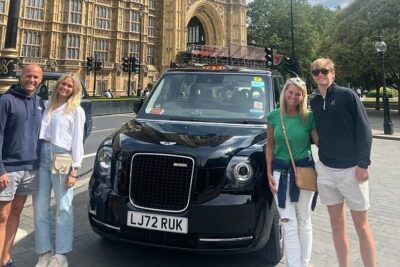
The Premier Classic London: Private 4-Hour Tour in a Black Cab
Read our review →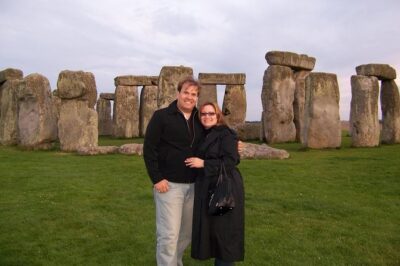
Stonehenge Inner Circle Private Tour from London with Bath Visit
Read our review →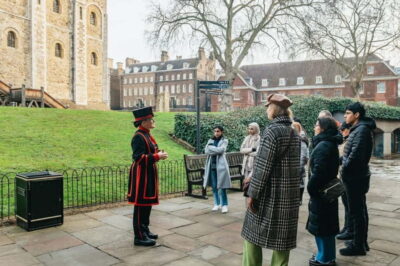
Tower of London Entry & Beefeater Private Audience
Read our review →

Private London Arrival Transfer – Airport to Hotel / Accommodation
Read our review →
British Museum London Guided Tour Semi-Private 8ppl Max
Read our review →
London Sightseeing Private Black Cab Tour with Hotel Pick Up
Read our review →