
Reviewed · JACK THE RIPPER TOURS
London: Jack the Ripper Guided Walking Tour
Whitechapel’s dark lanes tell a bigger story than the Jack the Ripper murders alone. This 90-minute walk with Ripperologist Paul Mansfield links crime scenes to poverty, overcrowding, Jewish charities, Victorian policing, and the famous people who shaped the East End.
I like the small group of up to 10, which makes it easier to hear the guide and ask questions. I also like the period photographs, especially because they help you picture streets that modern London has greatly changed. The main drawback is the pace: Paul speaks quickly, and the final part can feel rushed if you want a long discussion of suspects and murders.
In This Review
- Key points at a glance
- Whitechapel beyond the famous murders
- Meeting at Aldgate and getting your bearings
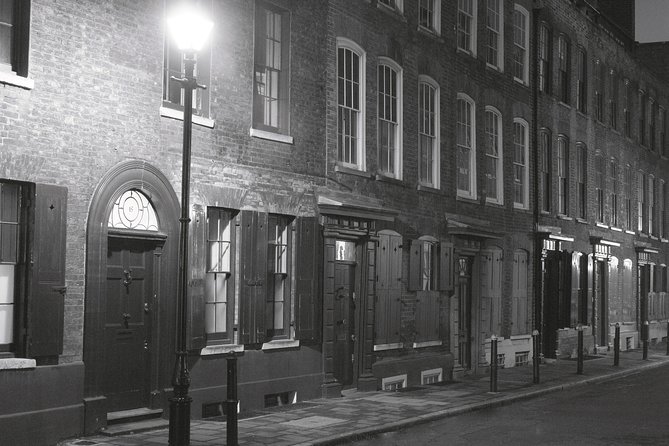
- Walking the cobbled lanes of Spitalfields
- The photographs make the past easier to picture
- How the guide shapes the experience
- What the itinerary feels like from start to finish
- Is $26 a fair price?
- Who should book this Whitechapel walk?
- Practical tips for a smoother evening
- Should you book the Jack the Ripper Guided Walking Tour?
- FAQ
- Where does the tour meet?
- Is Aldgate East Station the meeting point?
- Where does the tour finish?
- How long is the tour?
- What language is the tour in?
- How many people are in the group?
- Is the tour wheelchair accessible?
- Does the tour run in bad weather?
- Are children allowed?
- What is included in the price?
Key points at a glance
- Start at the correct Tube station: Meet at Aldgate Station, served by the Circle and Metropolitan lines. Aldgate East is a different station nearby.
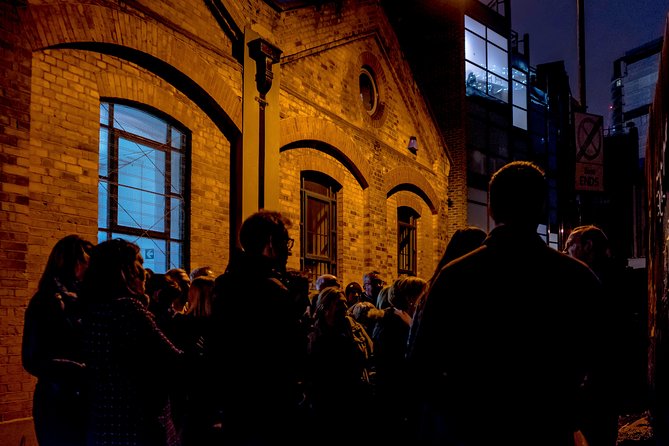
- Walk through old East End streets: The route includes cobbled alleyways, Whitechapel, and Spitalfields, with a photo stop along the way.
- See Victorian London through photographs: The guide uses images of victims, suspects, and the surrounding streets to explain the period.
- Look beyond the murders: Expect stories about Charles Dickens, Karl Marx, the Elephant Man, the Krays, body snatchers, and local poverty.
- Small and accessible format: The group is limited to 10, and the tour is described as wheelchair accessible, though cobbles may still require care.
- Plan for the conditions: The tour runs in all weather, and comfortable shoes and weather-appropriate clothing are essential.
Whitechapel beyond the famous murders
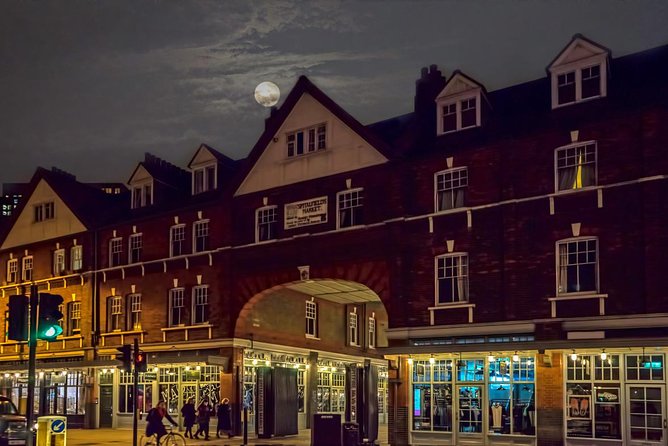
The Jack the Ripper story is the hook, but the better reason to take this walk is the setting. Whitechapel and nearby Spitalfields were crowded East End districts in Victorian London, marked by poverty, crime, harsh working conditions, and weak public services.
Paul Mansfield has spent more than 18 years studying the Ripper case, and his role is not limited to pointing out murder sites. He explains how people lived in the area and why the police struggled to deal with crime. The tour presents a world where life was cheap, the streets were difficult to patrol, and murder cases drew enormous public attention.
That wider setting gives the walk more weight. You are not simply moving from one gloomy alley to another. You are seeing how social conditions shaped the crimes and how the press, police, and public reacted.
The tour also connects Whitechapel with names from different parts of London’s past. Charles Dickens and Oliver Twist help frame Victorian poverty. Karl Marx adds a political thread. The Elephant Man, body snatchers, and the Kray twins bring in other stories of exploitation, crime, and public fascination.
I appreciate this wider approach because a short murder tour can otherwise become a list of grisly facts. Here, the guide uses the case to explain a neighborhood.
More Ripper walks in the East End:
- London: The Original Jack the Ripper Walking Tour
★ 4.7 · 7,833 reviews - London Jack the Ripper Guided Tour with Ripper-Vision
★ 4.5 · 4,840 reviews - London: Jack the Ripper Small Group Tour
★ 4.7 · 3,159 reviews
Meeting at Aldgate and getting your bearings
The meeting point is the exit of Aldgate Underground Station, on the Circle and Metropolitan lines. Pay close attention to the station name. Aldgate East is nearby but is not the meeting point, and choosing the wrong station could leave you hurrying through unfamiliar streets at the start.
The walk returns to Aldgate Station at the end. That makes the tour easy to fit into a London evening, especially if you are staying near the City, Whitechapel, or another Tube-connected area.
Allow enough time to find the correct exit. The tour is short, and losing the first several minutes means missing part of the introduction. Since the guide uses photographs and speaks about several layers of local history, arriving early helps you settle into the story.
The route takes place outdoors. Wear shoes that can handle uneven paving and cobbled streets. The tour runs in rain or shine, so check the forecast and bring suitable clothing rather than assuming the weather will cooperate.
Walking the cobbled lanes of Spitalfields
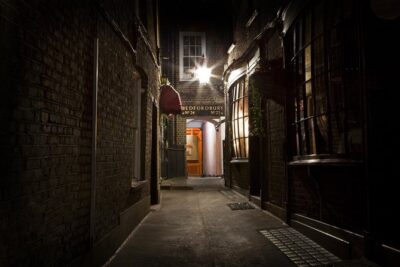
The walk moves through the East End, including Spitalfields and Whitechapel. The old lanes are part of the experience. Their narrow scale helps you understand why Victorian streets could feel shadowy and confusing, especially at night.
You will see pubs dating back to 1721, along with a Victorian bath house and a Jewish soup kitchen connected with aid for the poor. These stops matter because they show the area as a working neighborhood, not just a crime map.
The pub is a useful reminder that these streets had long-standing meeting places before the Ripper murders. The bath house points to the public health problems of crowded urban life. The soup kitchen reflects the role of religious and community groups in helping people who had little money or support.
The route includes sightseeing and a photo stop in Whitechapel. You should expect a walking tour rather than a series of indoor visits. The description does not promise entry into the pubs, bath house, or soup kitchen, so treat them as exterior landmarks and storytelling points.
Cobbles and narrow lanes can slow the group. That is not a problem for most people, but it matters if you have mobility concerns or heart problems. The activity is described as wheelchair accessible, and one family reported that Paul took special care with a motorized wheelchair and even helped the family reach a bus stop afterward. Still, ask before booking if you need a precise route assessment, since old street surfaces can be uneven.
The photographs make the past easier to picture
The guide brings photographs of the victims, suspects, and Victorian London. These images are one of the strongest parts of the experience because they give faces and physical context to a story that is often reduced to newspaper headlines and speculation.
You will see images connected with the case and photographs that show the district during the period. The visual material helps you compare the streets of today with the harsher conditions of the late 19th century.
Some images are graphic. Paul gives a warning before showing more disturbing material, which is helpful, but you should still decide if this subject suits you. The tour is not designed for young children under 10, and it may not be comfortable for anyone who dislikes crime-scene material.
The photographs also give the guide a way to explain suspects and police work without relying only on a spoken lecture. If English is not your first language, keep your attention on the guide and images. One participant found Paul’s English fast, so you may need to concentrate more than you would on a slower sightseeing tour.
More London walking tours:
- Magical London: Harry Potter Guided Walking Tour
★ 4.7 · 22,044 reviews - Tour for Muggles The Ultimate Harry Potter Walking Tour in London
★ 5.0 · 4,684 reviews - London Jack The Ripper Guided Walking Tour
★ 5.0 · 3,131 reviews - London: Harry Potter Movies Walking Tour (Kids Go Free)
★ 4.7 · 3,071 reviews
How the guide shapes the experience
Paul Mansfield is the named guide, and his long study of the Ripper case is central to the tour. His approach combines case details with the social story of London’s East End. Several ratings praise his information, storytelling, humor, and ability to keep the 90 minutes moving.
That style suits you if you want a lively guide rather than a silent walk between landmarks. Paul can talk about the murders, suspects, police problems, and the ordinary people who lived nearby. Another guide, Mick, has also led the walk and was praised for being informative and funny, so the exact personality may vary depending on the date.
There is one useful caution. A participant felt that Paul sometimes talked too much about his own professional connections and film work. That will not bother everyone, and his experience can add color, but if you want every minute focused on the case, you may find those stories less useful.
The small group helps. With no more than 10 people, you should be able to hear the guide in busy streets and ask a question without competing with a large crowd. A small group also makes it easier to stay together in narrow lanes.
The tradeoff is that a 90-minute tour cannot answer every question. One person felt the ending moved too quickly and left less time for a group discussion about the suspects and murders. If you want a long forensic debate, look for a longer specialist event. If you want a compact introduction with local context, the timing is more suitable.
What the itinerary feels like from start to finish
The opening at Aldgate sets the scene before the group heads into the East End. You begin with the geography of Whitechapel and the conditions that made the area so difficult for the police to manage.
From there, the route passes through old streets and alleyways in the Whitechapel and Spitalfields area. The guide points out landmarks such as historic pubs, the bath house, and the soup kitchen while explaining how poverty and crime affected daily life.
The Jack the Ripper material is woven into the walk rather than saved for one single stop. You may see places linked with the crimes, hear about victims and suspects, and view photographs while standing in the area where the events unfolded.
The route then includes a photo stop in Whitechapel before returning to Aldgate Station. Since the tour ends where it began, you do not have to arrange a separate pickup or navigate back from an unfamiliar neighborhood.
The supplied route does not promise a graveyard stop. One participant expected to pass through a cemetery but was unsure if it had been included, so do not book this tour specifically for that feature.
Is $26 a fair price?
At $26 per person, this is a reasonable price for a 90-minute guided walk in central London, especially with a specialist guide and visual material included. You are paying for interpretation rather than transport, food, or entry to an attraction.
The small group adds value. A large street tour can become hard to hear, particularly in noisy city streets. A maximum of 10 people gives you a better chance to follow the photographs and ask about the case.
The price is less attractive if you want a long tour, indoor access, or a highly detailed investigation of every suspect. The route is brief, and the experience depends heavily on the guide’s storytelling. Still, the combination of local history, Victorian images, and crime-site context gives it more substance than a simple photo stop walk.
You should also budget for your own transport to Aldgate and any food or drinks afterward. None of those costs are included.
Who should book this Whitechapel walk?
I would choose this tour if you have already seen London’s major landmarks and want an evening activity with a darker tone. It works well for adults and older teenagers who enjoy social history, crime stories, Victorian London, or urban legends.
It is also a good fit for solo visitors. The small group gives you a natural way to meet people from different countries without committing to a long dinner or pub crawl.
History fans should enjoy the sections on poverty, policing, Jewish community support, public health, and local working life. If you only care about identifying the killer, you may find the wider East End material takes up more time than expected.
The tour is not suitable for young children under 10. It is also not suitable for people with heart problems. Alcohol, drugs, intoxication, drones, and bachelor or bachelorette party groups are not allowed. Those rules fit the serious subject and the need to keep a small walking group focused.
Practical tips for a smoother evening
- Meet at Aldgate Underground Station, not Aldgate East.
- Arrive early enough to find the right exit and join the group without rushing.
- Wear comfortable walking shoes for cobbled and uneven streets.
- Dress for the weather because the tour operates in all conditions.
- Keep your attention on the guide if English is not your first language, since Paul may speak quickly.
- Prepare yourself for photographs that may be graphic.
- Ask about accessibility needs before booking, even though the tour is described as wheelchair accessible.
- Do not expect food, drinks, or transport to be included.
- Use the flexible booking terms if your London plans may change. Cancellation is available up to 24 hours before the tour for a full refund, and you can reserve now and pay later.
Should you book the Jack the Ripper Guided Walking Tour?
Book it if you want a short, small-group introduction to Whitechapel, led by a guide who knows the Ripper case and can place it in the wider story of Victorian London. The photographs, old streets, and links to the bath house and soup kitchen give the walk useful local detail.
Skip it if graphic crime material bothers you, if you need a leisurely pace, or if you want a long final discussion about every suspect. For most adults interested in London’s darker past, $26 is fair value, provided you understand that the real subject is not only Jack the Ripper. It is the East End itself.
FAQ
Where does the tour meet?
The meeting point is at the exit of Aldgate Underground Station, served by the Circle and Metropolitan lines.
Is Aldgate East Station the meeting point?
No. Aldgate East is a different station nearby. You should go to Aldgate Underground Station.
Where does the tour finish?
The walk returns to Aldgate Underground Station.
How long is the tour?
The tour lasts 1.5 hours, or 90 minutes.
What language is the tour in?
The live guided tour is conducted in English.
How many people are in the group?
The group is limited to 10 participants.
Is the tour wheelchair accessible?
Yes, the activity is described as wheelchair accessible. However, the route includes cobbled alleyways and older streets, so you should raise any specific access needs before booking.
Does the tour run in bad weather?
Yes. The tour takes place whatever the weather, so wear suitable clothing and comfortable shoes.
Are children allowed?
The tour is not suitable for young children under 10 years old.
What is included in the price?
The price includes a professional guide and a 90-minute walking tour with photographs. Travel costs, food, and drinks are not included.
Latest arrivals on the London list
- Easy Access Tower of London Royal Secrets & Scandals Tour★ 5.0 · 3 reviews
- Stonehenge Special Access Guided Morning Tour from London★ 4.5 · 3 reviews
- Shoreditch & East London Walking Tour with a Local, Custom & Private★ 5.0 · 3 reviews
- Madame Tussauds London Fast Track and Champagne Experience★ 3.5 · 3 reviews
- London Private Brixton Tour with a Local – Culture & Stories★ 4.9 · 3 reviews
- Private Full Day Tour – Fast Track Tower of London and Lunch★ 4.6 · 3 reviews
- Private transfer from London Heathrow Airport to Southampton★ 5.0 · 3 reviews
- London Soho District – Guided Walking Tour 12 guests 2,5h★ 4.8 · 3 reviews
Jack the Ripper Tours, compared.
London Jack the Ripper Guided Tour with Ripper-Vision
Read our review →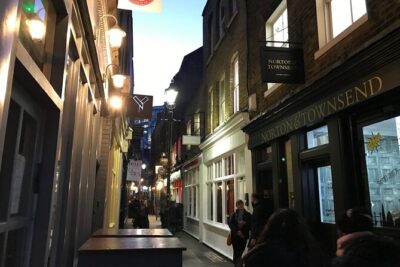
German Language : Original Jack the Ripper Tour
Read our review →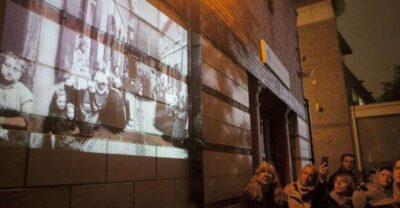
Jack the Ripper Walking Tour – Ripper Vision Tours
Read our review →
Ultimate Jack the Ripper : Guided Tour of London
Read our review →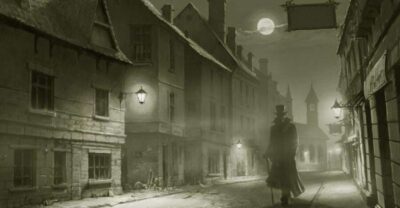
Browse the lists this tour appears in