
Reviewed · JACK THE RIPPER TOURS
London – Jack the Ripper Small Group Tour
Jack the Ripper’s story is usually told as a grisly mystery. This London walk takes a different route. Guide Richard Walker focuses on the women who died, the streets where they lived, and the evidence behind several suspects. You get Victorian Whitechapel, police theory, FBI profiling, and a close look at how much of the popular story rests on shaky assumptions.
I like the small-group format, capped at 15 people, and the radio microphone with earphones. You can hear Walker even beside traffic and evening crowds. I also like the iPad images, which help you picture streets and buildings that have changed since 1888.
The main drawback is that this is a serious history and crime walk, not a theatrical ghost tour. You will spend time standing while listening, and the material is more analytical than scary or gory. Comfortable shoes matter, and this is not suitable if walking is difficult.
In This Review
- Key points to know before booking
- What this Jack the Ripper walk is really about
- Meeting Richard Walker at Whitechapel Road
- Buck’s Row and Polly Nichols
- Brick Lane and the geography of the murders
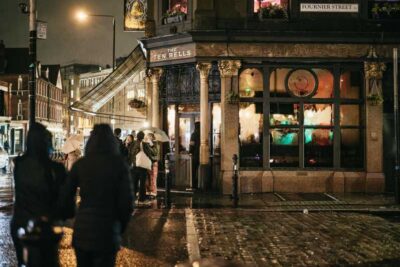
- Christ Church Spitalfields and the Ten Bells
- Old Spitalfields Market and Victorian poverty
- Spitalfields, Dorset Street, and Mary Kelly
- How the small group and equipment change the experience
- Price, pace, and who gets the best value
- What to expect from the tone and subject matter
- Should you book the London Jack the Ripper Small Group Tour?
- FAQ
- How long does the Jack the Ripper tour last?
- Where does the tour begin?
- Where does the tour end?
- How large is the tour group?
- Is the tour suitable for people with walking difficulties?
- What is included in the tour?
Key points to know before booking
- Victim-focused storytelling: Learn about Emma Smith, Polly Nichols, Annie Chapman, Elizabeth Stride, Catherine Eddowes, and Mary Kelly through the conditions in which they lived.
- A short London walk with real crime locations: The route covers about 1.5 miles, or 2.5 kilometers, through Whitechapel and Spitalfields.
- Richard Walker leads the tour: He uses an amplified microphone, earphones, and an iPad loaded with historic images.
- Three major suspect theories: The walk examines suspects shaped by Scotland Yard’s geographical profile, an FBI criminal profile, and other published theories.
- Evening timing and easy transport: The tour begins at 7 p.m. at 279 Whitechapel Road and ends near Liverpool Street Station.
- Good value for serious true crime fans: At $41.67 per person, the price buys more than a walk past plaques. You get a focused presentation with room for questions.
What this Jack the Ripper walk is really about
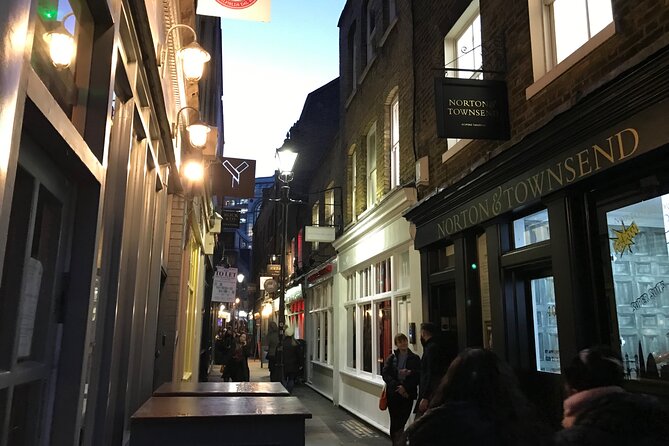
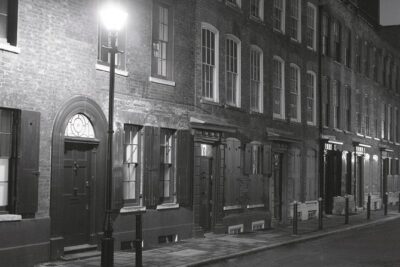
The name promises a famous killer, but the heart of the experience is the world of late Victorian East London. Whitechapel was poor, crowded, and full of lodging houses, pubs, markets, and narrow streets. Walker uses that setting to explain how the victims lived and why the usual label attached to them may be too simple.
That matters because Jack the Ripper stories often turn the five canonical victims into props. Here, the women receive more attention. You hear about where they lodged, how they moved through the district, and how police assumptions shaped the investigation.
The tour also separates confirmed facts from later theory. Nobody knows who Jack the Ripper was. Walker presents suspects and patterns, but he does not pretend that a neat answer exists. His approach will suit you if you enjoy examining evidence and questioning accepted versions of the case.
If your ideal evening means actors, jump scares, fog, and lurid detail, this probably is not your best choice. One family even found it suitable for children because it was interesting rather than frightening. The subject remains disturbing, but the presentation is educational and restrained.
More Ripper walks in the East End:
- London: The Original Jack the Ripper Walking Tour
★ 4.7 · 7,833 reviews - London Jack the Ripper Guided Tour with Ripper-Vision
★ 4.5 · 4,840 reviews - London: Jack the Ripper Small Group Tour
★ 4.7 · 3,159 reviews
Meeting Richard Walker at Whitechapel Road
The walk begins at 7 p.m. at 279 Whitechapel Road, opposite the London Hospital. This is a useful starting point because the first part of the story concerns Emma Elizabeth Smith, who died after a brutal attack on April 3, 1888.
Smith is described here as the first victim of the Whitechapel Murders. That wording is important. The tour distinguishes the broader Whitechapel murder series from the five women most often called the canonical Jack the Ripper victims.
Walker uses a radio microphone and gives each person earphones. This is one of the tour’s most practical features. East London is not a silent museum, and a guide speaking outdoors can easily be lost to traffic, voices, and passing groups. With the audio system, you can keep up without crowding around him.
He also carries an iPad to display images. These visuals help connect today’s streets with Victorian photographs and drawings. You will not simply hear a street name and try to imagine it from scratch.
Buck’s Row and Polly Nichols
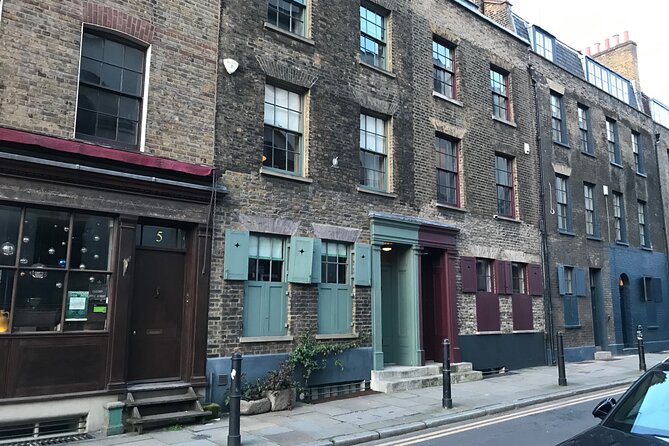
The next stop is Buck’s Row in Whitechapel, the location associated with Polly Nichols, the first of the five canonical victims. The presentation examines when, where, and how the murder happened, then introduces an early suspect.
This section works best if you like the mechanics of historical investigation. Walker asks you to consider the physical setting and the speed and silence required for the attack. Instead of offering only a dramatic retelling, he looks at what the location might tell us about the killer.
The stop lasts about 20 minutes. As with the rest of the walk, admission is free because the discussion takes place outdoors. You should expect to stand while Walker explains the scene and answers questions.
This is also where the tour begins to challenge familiar claims about the women. The story does not simply repeat that every victim was definitely working as a prostitute, a belief often treated as settled fact. Walker asks you to look at the evidence and the limits of witness accounts.
That critical approach is one of the strongest reasons to choose this walk over a standard retelling. It may also frustrate you if you want a firm suspect and a clean sequence of clues. The case is full of gaps, and the guide leaves some of those gaps open.
Brick Lane and the geography of the murders
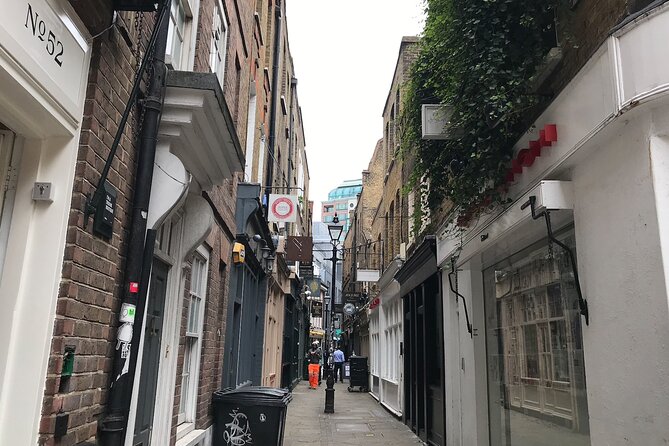
Brick Lane is now famous for curry restaurants and East London street life, but on this walk it becomes part of a geographical puzzle. It marked the eastern boundary of the area where all five canonical victims lived when they were murdered.
Walker points toward former streets and lodging houses, including Thrawl Street, which ran from Brick Lane toward Commercial Street. Polly Nichols stayed at Wilmott’s Lodging House. Flower and Dean Street was connected with two other victims, and Scotland Yard believed Jack the Ripper might have lived nearby.
This is one of the most useful parts of the route because geography can make an old case easier to understand. On a page, a list of addresses feels scattered. On foot, the area becomes a defined zone. You see how close the locations were and why police tried to build a profile from the killer’s apparent territory.
The stop also covers Annie Chapman, the second canonical victim, who was found nearby. Walker introduces another suspect here, one who fits both a Scotland Yard geographical profile and a profile developed by FBI Special Agent John Douglas.
You do not need to know the case in advance. The structure gives newcomers enough background while offering extra angles for people who have read books or watched films about the murders. A former criminal investigator who joined one tour found Walker’s challenge to accepted assumptions especially strong, even while disagreeing with Walker’s final theory. That is a fair description of the experience: you get an argument to assess, not a proven solution.
Something completely different for your London days:
- London: The London Eye Entry Ticket
★ 4.6 · 35,875 reviews - From London: Harry Potter Warner Bros Studio Tour
★ 4.7 · 26,588 reviews - London: Westminster to Greenwich River Thames Cruise
★ 4.5 · 22,836 reviews - Magical London: Harry Potter Guided Walking Tour
★ 4.7 · 22,044 reviews
Christ Church Spitalfields and the Ten Bells
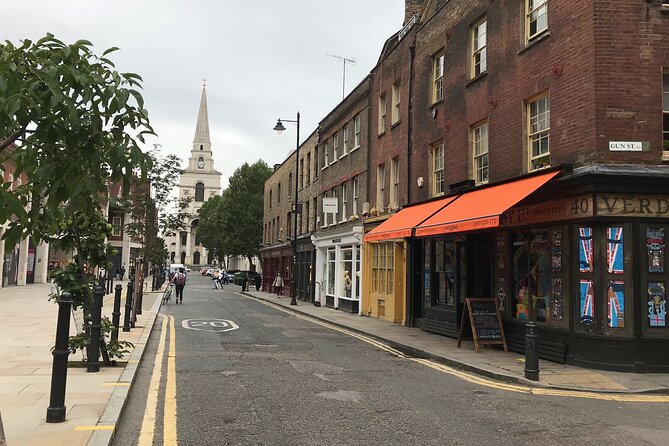
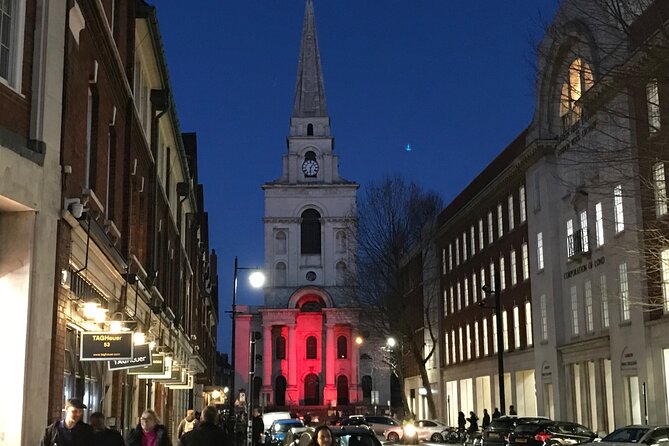
The route continues to Christ Church Spitalfields, the grand Hawksmoor church opposite the Ten Bells pub. The church provides a striking architectural pause in a story otherwise tied to lodging houses, alleys, and poverty.
The Ten Bells is associated with the women who drank there, and its name comes from the church’s bells across the road. The pub is part of the Ripper story, but the tour does not turn it into a cheap horror prop. It helps place the victims within the ordinary routines of the neighborhood.
This stop lasts around 15 minutes. Admission to the church is not included, so you should not assume that an interior visit forms part of the tour. The value here is the setting and the explanation, not a scheduled church tour.
The stop can also help break up the heavier crime material. You get a sense of the district’s buildings and institutions, not only the murder sites. That broader context is important if you want to understand Whitechapel as a community rather than a backdrop.
Old Spitalfields Market and Victorian poverty
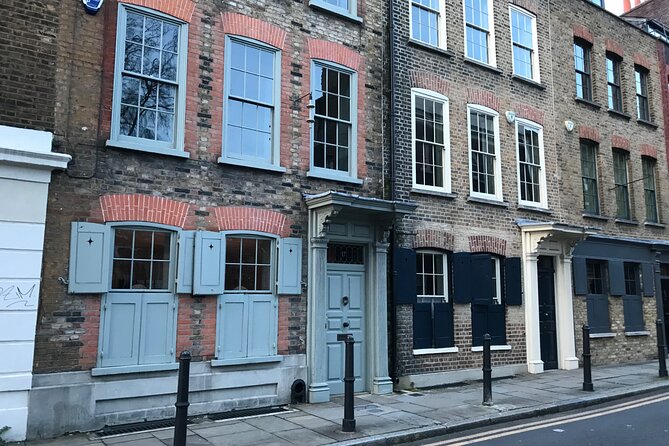
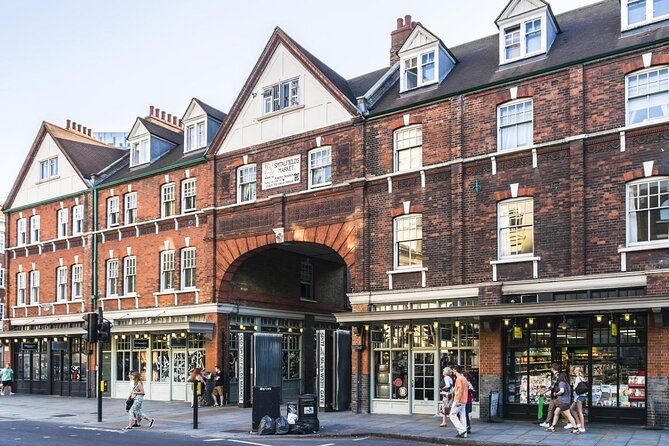
At Old Spitalfields Market, Walker connects the district with the American writer Jack London, who witnessed severe poverty in Victorian London. The market had served as a community center for centuries, making it a useful place to discuss daily life and social conditions.
This is where the walk moves beyond the question of who killed whom. Poverty, insecure lodging, and crowded streets shaped the choices available to the women in the case. Understanding those pressures gives the story more human weight.
I find this context more useful than another round of suspect speculation. It explains why lodging houses and public houses mattered so much, and why people could disappear into a dense urban district. It also keeps the victims from becoming detached names in a famous crime story.
The visit lasts about 15 minutes. Again, you are outdoors and on your feet. If standing for long periods is uncomfortable, plan accordingly. The walk is not advertised as suitable for people with walking difficulties, and the full route includes several stops where the guide speaks for a while.
Spitalfields, Dorset Street, and Mary Kelly
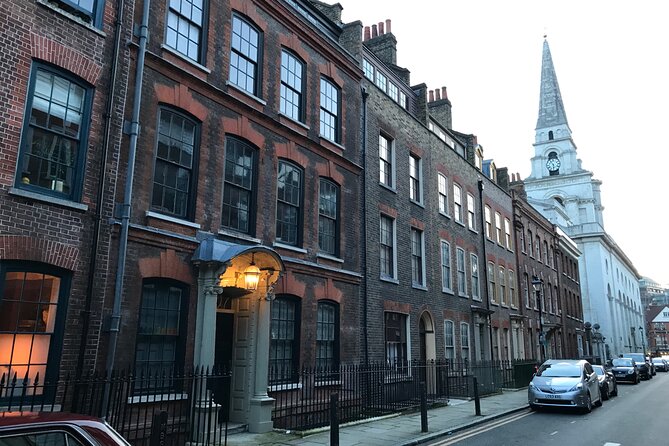
The final section takes you into Spitalfields, including the area where one of London’s worst streets once stood. Annie Chapman had been living there until the night she was murdered, and Mary Kelly also lived and died in the district.
Mary Kelly is presented as a different kind of victim, which leads to a third convincing suspect. Her story gives Walker a chance to compare the victims rather than treat them as one interchangeable group.
This part also brings the route toward its ending at 126A Middlesex Street. The finish is close to Liverpool Street Station, a practical choice after an evening walk. From there, you can use the Central, Circle, Hammersmith and City, and Metropolitan lines, along with the Elizabeth line.
The route has a clear shape: it begins near the first Whitechapel murder, follows the geography of the victims and suspected killer, then ends near a major transport hub. That makes it easier to fit into an evening in London. You are not left searching for a remote meeting point after the final story.
How the small group and equipment change the experience
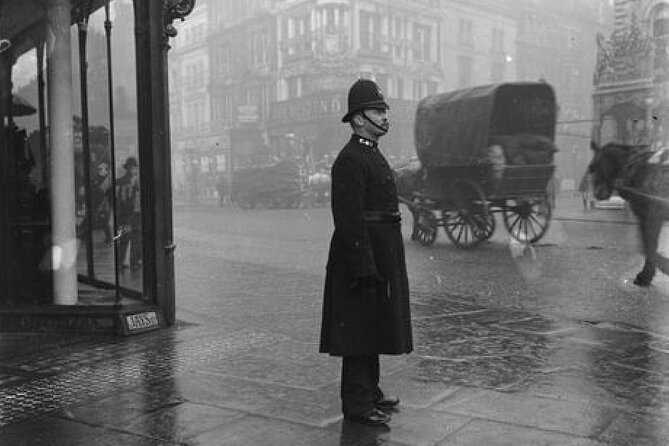
The maximum group size is 15, though the tour may be smaller. That is modest for one of London’s most popular true crime walks. You may see larger groups nearby, sometimes with 30 or more people, and the difference is easy to understand once the guide begins speaking.
A small group gives Walker more room to take questions and adjust the pace. It also makes the walk feel less like a crowd following a flag. One booking had only four family members, which allowed close discussion. Other groups have included up to the stated limit.
Still, small group does not automatically mean highly interactive. Walker is happy to answer questions, but the experience is primarily a guided presentation. If your group is quiet, you may listen for long stretches without much back-and-forth.
The earphones are a real help. You do not need to stand directly beside the guide, and you are less likely to miss a key detail while crossing a street or shifting position. The iPad adds another layer, especially when Walker shows how places looked during the killings.
The tradeoff is that technology cannot solve every outdoor problem. You will still stand in public areas, sometimes for 15 or 20 minutes at a time. Bring comfortable shoes and dress for an evening outdoors.
Price, pace, and who gets the best value
At $41.67 per person, the tour sits in the reasonable range for a specialist London walking experience. You are paying for about two hours and 15 minutes, a small group, a dedicated guide, audio equipment, visual material, and a route through four murder sites.
It is good value if you have a serious interest in the case, Victorian London, or criminal investigation. The tour adds value through interpretation. You are not merely being shown locations. You are asked to compare theories, assess witness evidence, and think about why the victims may have been targeted.
The price is less attractive if you want only a quick sightseeing loop or a spooky night out. The tour does not include coffee or tea, and there are no included admissions. Its value rests in the guide’s research and presentation rather than extras.
The pace covers about 1.5 miles, or 2.5 kilometers. That is not an extreme distance, but the route includes repeated stops and brisk walking between them. I would avoid scheduling a demanding activity immediately afterward.
The tour is offered in English and uses a mobile ticket. Confirmation is provided when you book. Public transport is nearby at both ends, with Liverpool Street Station making the return trip simple.
What to expect from the tone and subject matter
The murders are discussed, and some details are grim. Yet the tone is not built around gore. Walker gives more attention to the victims, their circumstances, and the uncertainty around the evidence.
He also brings in less obvious theories, including Amelia Dyer, known as the Baby Farmer of Reading, and brief references to actors Michael Caine and Johnny Depp because films helped shape public awareness of the case. These side points will interest some people and feel distracting to others.
The best way to approach the walk is to expect a strong personal interpretation backed by research. Walker is enthusiastic and presents his own theories, but the supplied material makes clear that not every person agrees with his conclusions. That is not a weakness in itself. It is a reminder that the case remains unresolved.
If you prefer a neutral lecture with no unusual theories, you may find the presentation too opinionated. If you enjoy testing an argument and asking what the evidence really proves, the same quality will keep the evening lively.
Should you book the London Jack the Ripper Small Group Tour?
Book it if you want victim-focused history, serious discussion of suspects, and a manageable walk through Whitechapel and Spitalfields. Richard Walker’s strong points are his preparation, his lively delivery, his use of images, and his effort to question old assumptions.
Choose another experience if you want actors, scares, dramatic gore, or a fast-moving tour with little standing. Also think twice if walking or standing for two hours is difficult.
For most true crime fans and history-minded visitors, the $41.67 price is fair, especially when the group stays well below the huge numbers common on London’s Ripper walks. Wear good shoes, arrive ready to listen in English, and expect a thoughtful investigation rather than a haunted-house performance.
FAQ
How long does the Jack the Ripper tour last?
The tour lasts approximately 2 hours and 15 minutes.
Where does the tour begin?
It begins at 7 p.m. at 279 Whitechapel Road, London E1 1BY, opposite the London Hospital.
Where does the tour end?
The tour ends at 126A Middlesex Street near Liverpool Street Station. The station serves the Central, Circle, Hammersmith and City, Metropolitan, and Elizabeth lines.
How large is the tour group?
The maximum group size is 15 people.
Is the tour suitable for people with walking difficulties?
No. The route covers about 1.5 miles, or 2.5 kilometers, and includes extended periods of walking and standing. A moderate level of physical fitness is recommended.
What is included in the tour?
The tour includes a radio microphone with earphones and an iPad used to display images. Coffee and tea are not included, and any admission to Christ Church Spitalfields is not included.
Latest arrivals on the London list
- Heathrow Airport to London Arrival Transfer★ 4.5 · 50 reviews
- London Beatles Tour★ 5.0 · 50 reviews
- One Way Taxi Transfer from London to Gatwick Airport★ 5.0 · 51 reviews
- London: Hidden Baker Street Tube Station Tour★ 4.7 · 51 reviews
- City & Secrets: Explore London’s Hidden Gems★ 5.0 · 51 reviews
- 4 hour London Private Tour, with your own Black Cab Tour Guide★ 5.0 · 51 reviews
- The Beatles Magical History Black Taxi Tour London★ 5.0 · 51 reviews
- London Christmas Lights Open-Top Bus Tour. 2025 Early Bird★ 3.6 · 51 reviews
Jack the Ripper Tours, compared.
London Jack the Ripper Guided Tour with Ripper-Vision
Read our review →
German Language : Original Jack the Ripper Tour
Read our review →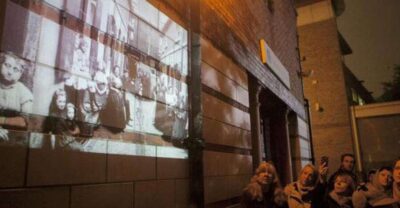
Jack the Ripper Walking Tour – Ripper Vision Tours
Read our review →
Ultimate Jack the Ripper : Guided Tour of London
Read our review →
Browse the lists this tour appears in