
Reviewed · BUCKINGHAM PALACE & ROYAL TOURS
London: Kensington and Chelsea Guided Walking Tour
South Kensington is more than a convenient Tube stop. It is the front door to Albertopolis, Prince Albert’s grand Victorian plan for a district devoted to art, science, and public learning. This two-hour walk carries you from the Victoria and Albert Museum and Royal Albert Hall to Kensington Gardens, Harrods, and Chelsea’s quiet mews streets.
I like the route for two clear reasons: it links famous London sights with streets you would probably miss on your own, and it finishes at Sloane Square, a useful starting point for King’s Road. The relaxed pace, step-free route, and help with taking phone photos also make it a sensible choice for families and solo visitors. The main consideration is that the depth of historical storytelling may depend on your guide. Simona has been praised for her preparation and warm approach, while one booking found the historical detail lighter than expected.
In This Review
- Key points to know before booking
- Starting at South Kensington Station and Exhibition Road
- The Victoria and Albert Museum and Albertopolis
- Royal Albert Hall and the Albert Memorial
- Kensington Gardens and Kensington Palace from outside
- Knightsbridge, Harrods, and London luxury
- Chelsea’s mews streets and private squares
- Finishing at Sloane Square and King’s Road
- Guide style, languages, and pace
- Who will get the most from this two-hour walk?
- Booking details and practical value
- Should you book the Kensington and Chelsea walk?
- FAQ
- Where does the tour begin?
- Where does the tour finish?
- How long does the tour last?
- What does the $26 price include?
- Are museum and palace entrance fees included?
- Does the tour enter the Victoria and Albert Museum?
- Is the route wheelchair accessible?
- Is the tour suitable for children?
- Which languages are available?
- Can a solo visitor book?
- What should I bring?
Key points to know before booking
- A smart cross-section of West London: The walk connects museums, royal parkland, luxury shopping streets, and residential Chelsea in one compact route.
- Albertopolis sets the scene: Exhibition Road explains how the Great Exhibition of 1851 helped shape South Kensington’s museum district.
- No museum interiors are included: You see the Victoria and Albert Museum, Royal Albert Hall, and Kensington Palace from outside, with no entrance fees covered.
- Chelsea provides the quieter moments: Mews streets, Georgian townhouses, blue plaques, and private garden squares replace the grand public buildings.
- The route is easy to manage: It lasts two hours, moves at a relaxed pace, and is step-free, with photo stops along the way.
- Good final location: Sloane Square puts you close to King’s Road, with its boutiques, cafés, and galleries.
Starting at South Kensington Station and Exhibition Road
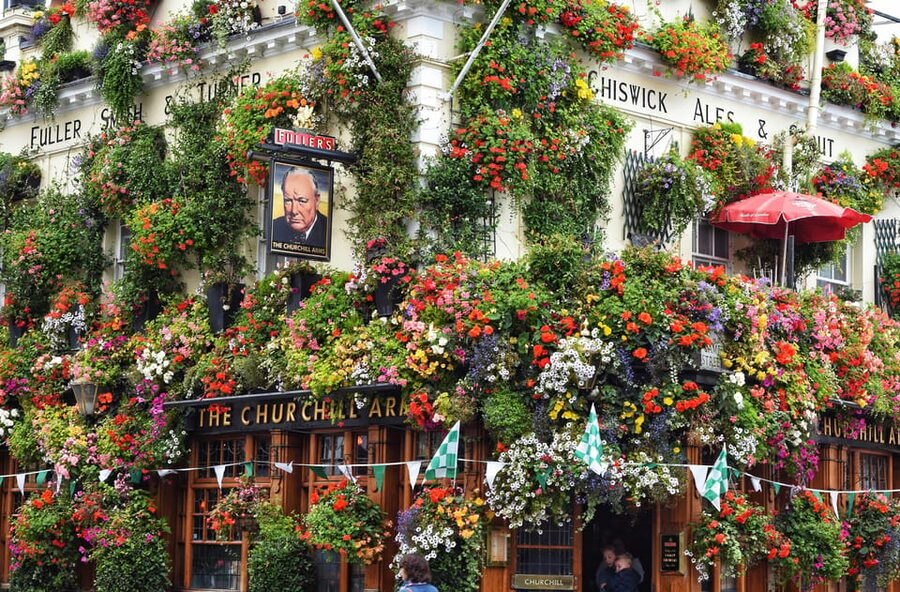
Meet outside South Kensington Station on Thurloe Street, in front of Viandas. The guide holds a sign with the tour name, which should make the meeting point fairly easy to spot.
The station is a fitting beginning. South Kensington became the gateway to a Victorian cultural district after the success of the Great Exhibition of 1851. Prince Albert helped direct the exhibition’s legacy toward permanent museums and educational institutions, creating the area now known as Albertopolis.
As you walk along Exhibition Road, you get the useful background before reaching the main sights. The Victoria and Albert Museum, Natural History Museum, and Science Museum are all part of this grand plan. The point is not simply to tick off three famous façades. You begin to see how London used architecture and public institutions to promote learning, civic pride, and national ambition.
This part of the walk suits you if you like architecture and urban history. It also works well for a first morning in London because the route gives you a quick orientation to one of the city’s major museum areas.
Keep your expectations clear, though. The tour includes a walking visit around the district, not entry into the museums. If you want to see the V&A’s galleries or the Natural History Museum’s interior, plan a separate visit. The walk helps you decide which building deserves your time later.
More royal London visits:
- Buckingham Palace: The State Rooms Entrance Ticket
★ 4.6 · 7,395 reviews - London: Buckingham Palace & Changing of the Guard Experience
★ 4.3 · 2,971 reviews - London: Changing of The Guard Tour
★ 4.8 · 2,510 reviews
The Victoria and Albert Museum and Albertopolis
The Victoria and Albert Museum is one of the visual anchors of the tour. Its broad exterior reflects the Victorian belief that design could educate the public and improve everyday life.
You will hear how the museum district grew from the Great Exhibition and how Prince Albert’s plans linked art, science, and education. That context gives the buildings more meaning than a quick photograph outside the entrance.
I especially like this portion because it connects a familiar London sight to a much larger idea. The district was not created by accident. It was designed as a statement about what a modern capital should offer its people.
The guide’s storytelling matters here. If you want dates, famous residents, architectural details, and stories about the people connected with the buildings, make that clear at the beginning. The experience can lean toward a general walk around the area, and one past booking found fewer stories about specific buildings and personalities than hoped. That is useful information for history specialists deciding between this tour and a more narrowly focused architecture walk.
For most people, the value is the connection between places. You move from the V&A to the wider museum district rather than treating each building as an isolated landmark.
Royal Albert Hall and the Albert Memorial
The walk then reaches two of the area’s most recognizable Victorian monuments: Royal Albert Hall and the Albert Memorial.
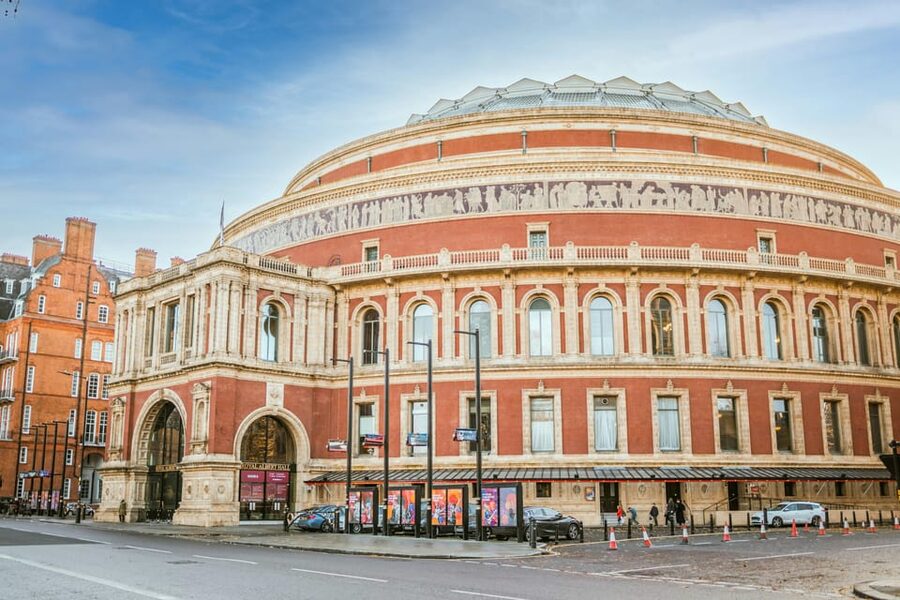
Royal Albert Hall is linked closely with Prince Albert’s vision for South Kensington. You see the exterior and learn how it fits into the cultural district created in the wake of the Great Exhibition.
Across the way, the Albert Memorial provides a very different kind of Victorian statement. Its ornate design reflects the era’s love of ceremony, detail, and public commemoration. The monument gives the guide a natural place to explain the relationship between royal ambition, art, and nineteenth-century invention.
This is also one of the more photogenic parts of the route. You have time to stop for pictures, and the guide can take photographs on your phone if you are travelling alone or want a group shot.
You should not expect an interior visit to Royal Albert Hall. The attraction here is the setting, the exterior architecture, and the story connecting the hall and memorial to Prince Albert’s plans.
Kensington Gardens and Kensington Palace from outside
After the grand buildings, Kensington Gardens offers a change of pace. The park gives you room to walk without the noise and tight pavements found in much of central London.
The route includes the Albert Memorial and the exterior of Kensington Palace, once home to Princess Diana. The guide explains how royal ambitions and nineteenth-century planning shaped the park and its surroundings.
The palace stop is best understood as an exterior orientation point. There is no entrance included, so you will not tour the state rooms or palace displays during this experience. If Kensington Palace is high on your list, you will need a separate ticket and additional time.
I like the balance here. A two-hour walk packed entirely with buildings could feel tiring. Kensington Gardens gives children and older members of your group a more comfortable stretch, while the relaxed pace leaves room for photographs and questions.
The park also helps you see how Kensington changes from one street to the next. Around the museum district, the mood is formal and civic. In the gardens, it becomes open and calm. That shift is one of the route’s strengths.
More London walking tours:
- Magical London: Harry Potter Guided Walking Tour
★ 4.7 · 22,044 reviews - London: The Original Jack the Ripper Walking Tour
★ 4.7 · 7,833 reviews - Tour for Muggles The Ultimate Harry Potter Walking Tour in London
★ 5.0 · 4,684 reviews - London Jack The Ripper Guided Walking Tour
★ 5.0 · 3,131 reviews
Knightsbridge, Harrods, and London luxury
From Kensington Gardens, the walk heads toward Knightsbridge. Here the tone changes again, from public culture and royal parkland to luxury shopping, embassies, and grand red-brick residences.
Harrods is the obvious landmark. Even if you do not plan to shop, the department store helps explain Knightsbridge’s international reputation. The surrounding streets show another side of the district, with historic architecture, mansions, and embassy buildings.
This section is useful if you want more than the standard central London circuit. Knightsbridge is famous, but it can be easy to pass through without noticing how its buildings create a distinct neighborhood.
Do not mistake the stop for a shopping tour. The focus is on the area’s character and architecture, not on browsing every department inside Harrods. Food and drinks are not included, so budget separately if you want a coffee or snack during or after the walk.
The route’s $26 price looks reasonable for a two-hour guided orientation, particularly if you are new to this part of London. You are paying for a local guide, route planning, and the stories that connect several districts. The value drops if you already know Kensington, Knightsbridge, and Chelsea well or want extended time inside museums.
Chelsea’s mews streets and private squares
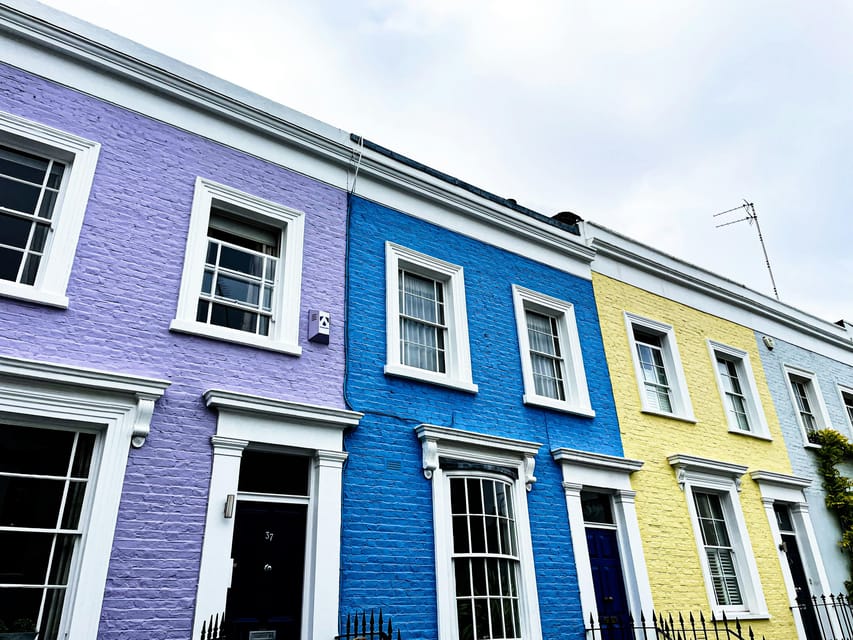
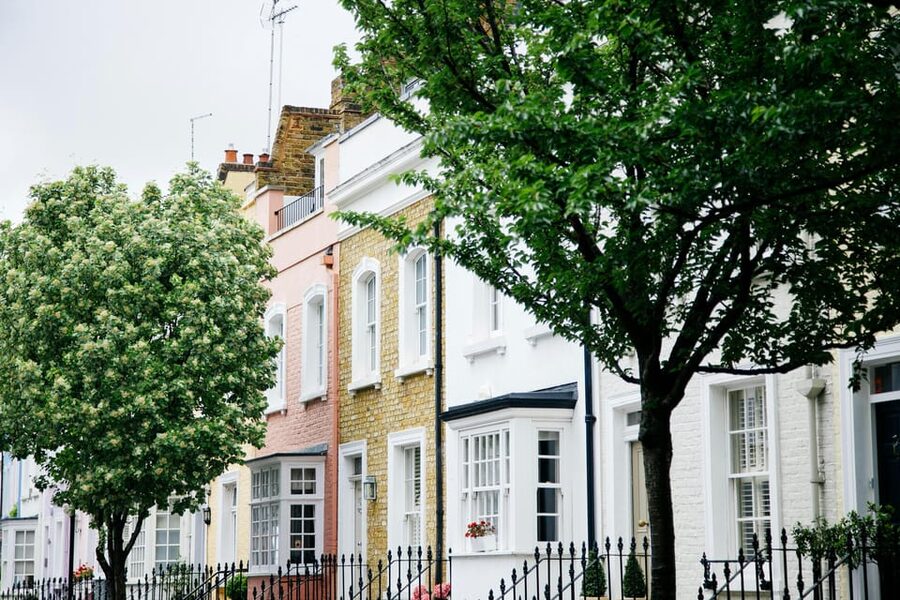
Chelsea is where the walk becomes more intimate. The grand public monuments give way to narrow mews streets, Georgian and Victorian townhouses, and private garden squares.
Many mews began as service lanes and stable areas behind larger homes. Today, they are highly sought-after residences. Their scale and quiet atmosphere offer a sharp contrast with Exhibition Road and Knightsbridge.
The route also points out blue plaques and elegant residential architecture. These details give you a better sense of how Chelsea became associated with artists, writers, designers, and political radicals.
Private garden squares are another important part of the neighborhood. You will see the entrances and surrounding streets, but the tour does not promise access to the gardens themselves. That limitation is worth knowing, since private squares are part of the charm but are not public parks.
This is the portion I would most want from the walk. You can find Harrods and the big museums in any guidebook. Chelsea’s smaller streets are easier to miss, and a guide helps you understand why they look the way they do.
At the same time, the quality of this section depends heavily on the stories supplied by the guide. One guide may focus on design and local customs, while another may offer more facts about famous residents and individual buildings. If you want detailed architectural history, ask direct questions as you walk.
Finishing at Sloane Square and King’s Road
The tour ends at Sloane Square, a practical location rather than a remote finish. From here, you can continue along King’s Road, once closely linked with 1960s fashion and rebellion.
Today, King’s Road is known for independent boutiques, cafés, and galleries. The area gives you an easy next step after the tour. You can stop for refreshments, continue exploring Chelsea, or use nearby transport to reach another part of London.
Ending here also makes the route feel well planned. You begin at a major Tube station and finish in a district with plenty to do. You are not left trying to find your way back to the starting point after two hours on foot.
If you are planning a full day, the tour works well as a morning introduction followed by a museum visit. It can also serve as an afternoon walk before dinner in Chelsea, though you should check the available start times when booking.
Guide style, languages, and pace
The tour is offered in English, German, and Italian. Simona is one guide associated with the experience, and her manner has been described as professional, kind, and able to involve young children. A family with two small children found that she helped keep them engaged.
That family-friendly quality matters. The route is suitable for all ages, and it moves at a relaxed pace. There are regular opportunities to stop for photographs, ask questions, and take a short breather.
The route is step-free and wheelchair accessible according to the activity details. You should still wear comfortable shoes, since this is a walking tour through several neighborhoods rather than a short landmark visit.
The guide can take pictures with your phone, a small but useful touch for solo visitors and families. Bring water and a camera if you want to record the architecture and streets along the way.
The main question is how much historical detail you want. The experience clearly covers history, architecture, design, customs, and local character. Yet the depth may vary. If you are happiest with a broad introduction and personal stories, this should fit. If you expect a heavily researched account of every building and former resident, you may want to ask about the guide’s approach before booking.
Who will get the most from this two-hour walk?
I would recommend this tour to you if:
- You want to see several polished West London districts in a short time.
- You enjoy architecture, royal connections, museums, and residential streets.
- You are travelling with children and prefer a manageable route.
- You want a local orientation before choosing which museums or neighborhoods to revisit.
- You are travelling alone and value help with photos.
- You prefer a walk that ends near cafés, shops, and galleries.
It may not be the best match if you want long museum visits, entry to Kensington Palace, or a specialist lecture on Victorian architecture. Nothing in the $26 fee covers admissions, food, or transport.
The small number of published ratings also suggests you should keep the assessment measured. The experience has received both strong praise for its guide and family appeal and criticism that the historical storytelling could be more detailed. That is not a reason to dismiss it, but it is a good reason to communicate your interests before the walk starts.
Booking details and practical value
The tour costs $26 per person and lasts two hours. For London, that is a modest price for a guided introduction to four connected areas, especially when you consider the time needed to plan the route yourself.
You can cancel up to 24 hours in advance for a full refund, and the reserve-now, pay-later option keeps your plans flexible. Available start times should be checked before booking.
Solo visitors should note one important condition: the tour generally requires at least two participants. If the booking system does not accept your reservation, send a message to ask about available times or a custom arrangement.
Custom date and time requests may also be possible. It is worth asking if your schedule does not match the listed options.
Meet at the South Kensington Station arcade, outside on Thurloe Street in front of Viandas. The guide will hold a sign with the tour name. Bring comfortable shoes, water, and your phone or camera.
Should you book the Kensington and Chelsea walk?
Book it if you want a compact, easy-paced introduction to West London that mixes major landmarks with quieter Chelsea streets. The route is well suited to families, first-time visitors, and anyone who wants help making sense of the relationship between South Kensington’s museums, royal parkland, Knightsbridge, and Chelsea.
Approach it as a guided neighborhood walk, not a museum tour or a specialist history seminar. Ask for the kind of detail you prefer at the start, especially if you want stories about particular buildings or former residents.
At $26, the tour offers good value for a broad overview and a convenient finish at Sloane Square. I would book it for the route, the mix of grand and residential London, and the relaxed logistics. I would choose another experience if your main goal is extensive historical research or interior visits.
FAQ
Where does the tour begin?
It begins outside South Kensington Station on Thurloe Street, in front of Viandas, in the station arcade area.
Where does the tour finish?
The walk finishes at Sloane Square, near King’s Road.
How long does the tour last?
The tour lasts two hours.
What does the $26 price include?
The price includes the walking tour and a guide.
Are museum and palace entrance fees included?
No. Entrance fees are not included, and the tour describes exterior visits to the main landmarks.
Does the tour enter the Victoria and Albert Museum?
The route visits the museum district and the exterior of the Victoria and Albert Museum. Museum admission is not included.
Is the route wheelchair accessible?
Yes. The activity information describes the route as step-free and wheelchair accessible.
Is the tour suitable for children?
Yes. The tour is suitable for people of all ages, including children, and it moves at a relaxed pace.
Which languages are available?
The tour is available in English, German, and Italian.
Can a solo visitor book?
The tour generally requires a minimum of two participants. If you cannot book alone, you can contact the provider about available times.
What should I bring?
Bring comfortable shoes, water, and a camera or phone for photographs. The guide can also take pictures for you using your phone.
Latest arrivals on the London list
- Easy Access Tower of London Royal Secrets & Scandals Tour★ 5.0 · 3 reviews
- Stonehenge Special Access Guided Morning Tour from London★ 4.5 · 3 reviews
- Shoreditch & East London Walking Tour with a Local, Custom & Private★ 5.0 · 3 reviews
- Madame Tussauds London Fast Track and Champagne Experience★ 3.5 · 3 reviews
- London Private Brixton Tour with a Local – Culture & Stories★ 4.9 · 3 reviews
- Private Full Day Tour – Fast Track Tower of London and Lunch★ 4.6 · 3 reviews
- Private transfer from London Heathrow Airport to Southampton★ 5.0 · 3 reviews
- London Soho District – Guided Walking Tour 12 guests 2,5h★ 4.8 · 3 reviews
Buckingham Palace & Royal Tours, compared.
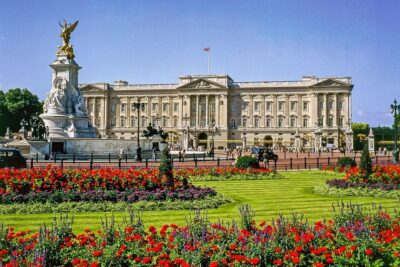
Buckingham Palace: The State Rooms Entrance Ticket
Read our review →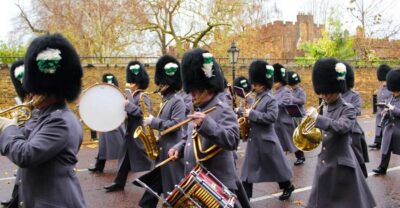
Buckingham Palace & Changing of the Guard Experience
Read our review →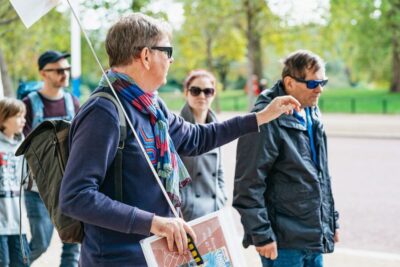
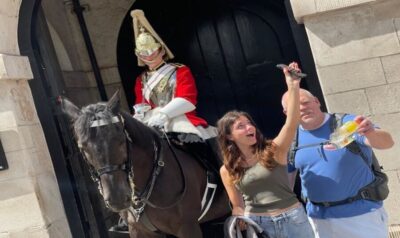
Westminster Abbey, Big Ben & Buckingham Guided Tour
Read our review →
Changing of the Guard Guided Walking Tour in London
Read our review →
Buckingham Palace: The Royal Mews Entrance Ticket
Read our review →
Buckingham Palace Entrance Ticket & Changing of the Guard Tour
Read our review →Browse the lists this tour appears in