Reviewed · WALKING TOURS
London’s Ghosts & Gruesome Past Nighttime Walking Tour
London’s dark past gets very close on this two-hour walk. You’ll cross old plague pits, pass a churchyard filled with centuries-old tombstones, and hear how medicine once involved blood, bones, and rather desperate remedies. The tour also tackles the ghost said to haunt Farringdon Underground Station and the killer remembered as worse than Jack the Ripper.
I like the strong sense of place here. Smithfield Market, Charterhouse Square, St. Bartholomew’s Hospital, and the Old Bailey are not random backdrops. Each location adds something to the story. I also like the guide-led storytelling, especially if you get Matt, who brings clear energy and passion to the subject.
The main caution is in the title: this is as much about gruesome history as ghosts. If you want a constant stream of supernatural tales, you may find the sections on plague, surgery, public executions, and grave-robbing take up more time than the hauntings.
In This Review
- Key points to know before you book
- Why this London night walk feels different
- Farringdon Station and the girl on the Underground
- Smithfield Market and centuries of public executions
- Charterhouse Square and London’s plague years
- St. Bartholomew the Great and a haunted churchyard
- William Wallace and the memory of a Scottish hero
- St. Bartholomew’s Hospital and the hazards of old medicine
- Holy Sepulchre Church and the body-snatching trade
- The Old Bailey and the killer worse than Jack the Ripper
- How the guides shape the experience
- Is $49 a fair price for two hours?
- Who should book this walk?
- Should you book London’s Ghosts & Gruesome Past Nighttime Walking Tour?
- FAQ
- Where does the tour start?
- How long does the tour last?
- What language is the tour conducted in?
- How much does the tour cost?
- Is a professional guide included?
- Is the tour wheelchair accessible?
- Does the tour focus only on ghosts?
- Which locations are included?
- Can I cancel for a refund?
- Do I have to pay when I reserve?
Key points to know before you book
- Farringdon begins the story: Meet outside the main entrance of Farringdon Underground Station and hear about the girl said to haunt the station.
- Smithfield is a place of executions: The walk explains how heroes, martyrs, and ordinary people met violent ends here.
- Victorian medicine gets very unpleasant: St. Bartholomew’s Hospital brings stories of strange treatments, surgical methods, and desperate cures.
- Grave-robbing connects church, pub, and hospital: At Holy Sepulchre Church, you learn why bodies were stolen and who wanted them.
- The ending challenges the Jack the Ripper legend: At the Old Bailey, the guide introduces England’s most prolific serial killer.
- The route is compact but loaded: It lasts two hours, costs $49 per person, and links several important sites in central London.
Why this London night walk feels different
Many London walks stay with royal palaces, famous writers, or grand monuments. This one takes you into the city’s less polished past, where hospitals were experimental, cemeteries were vulnerable, and public punishment was part of daily life.
That gives the walk a useful shape. You are not simply hearing unrelated ghost stories. You move through places tied to sickness, death, crime, religion, and medicine. The stories explain how ordinary Londoners faced dangers that modern city life has largely pushed out of sight.
I also like the timing. Two hours is long enough to build a mood without turning into an all-night march. The route begins at Farringdon and includes several stops where you can pause while the guide sets the scene. Wear comfortable shoes, since this is a walking tour through city streets, churchyards, and historic areas.
The tour is conducted in English, with a live professional guide. It is described as wheelchair accessible, though the walk includes old streets, churchyards, and several historic locations, so you may still want to ask about the exact route if step-free movement is important to you.
More London walking tours:
- Magical London: Harry Potter Guided Walking Tour
★ 4.7 · 22,044 reviews - London: The Original Jack the Ripper Walking Tour
★ 4.7 · 7,833 reviews - Tour for Muggles The Ultimate Harry Potter Walking Tour in London
★ 5.0 · 4,684 reviews
Farringdon Station and the girl on the Underground
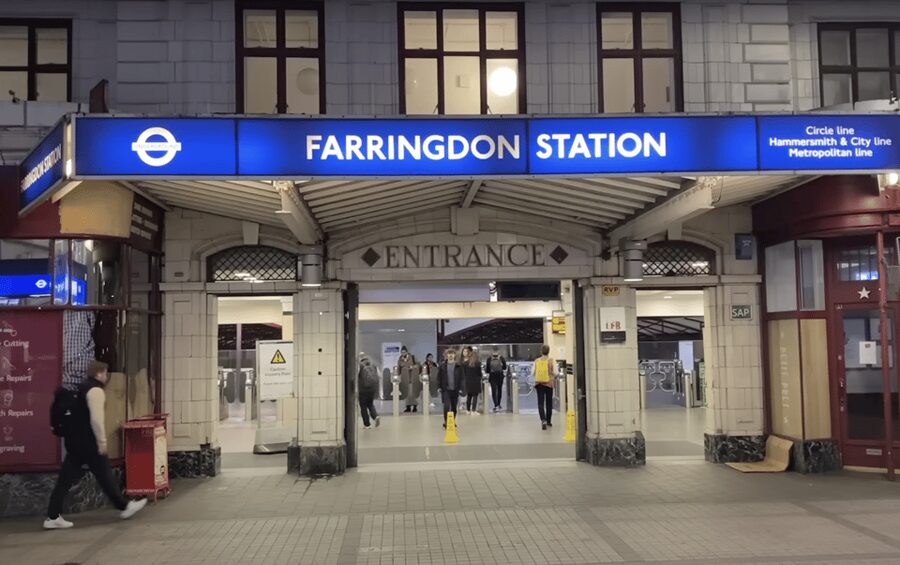
The meeting point is outside Farringdon Underground Station, at the main entrance between the new and old stations. This is a practical starting point because the first tale begins immediately, with the ghost said to haunt the station.
The familiar warning to mind the gap takes on a darker meaning here. Rather than treating the Underground as a simple transport system, the guide connects it to London’s older stories and the idea that the city’s past can linger beneath modern streets.
This opening should suit you if you like a quick start. There is no long introduction before the subject begins. You meet the guide, get your bearings, and move straight into a tale about the Underground.
Keep in mind that this is a public station area, not a private haunted attraction. The atmosphere comes from the guide’s account and the setting, not from theatrical effects or staged scares.
Smithfield Market and centuries of public executions
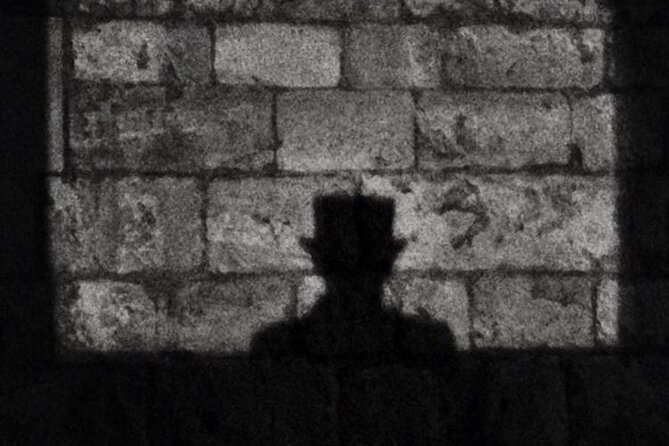
From Farringdon, the route continues to Smithfield Market. Today, the name is closely linked with food and trade, but the tour focuses on the site’s much harsher past as a place of public executions.
The guide explains how heroes, martyrs, and people accused of crimes were tortured and killed in different ways. This is one of the tour’s most important stops because it shows how punishment once worked as public spectacle. Death was not hidden away. Crowds gathered, reputations were destroyed, and the authorities used violence to make an example.
I find this kind of stop more effective than a generic ghost story because the location itself carries a public, civic meaning. You are looking at a part of London where power, justice, and cruelty met in full view of the crowd.
Smithfield also helps set the tone for the rest of the walk. The stories are not limited to spirits. They deal with what people feared while alive, including execution, disease, bad medicine, and crime.
Charterhouse Square and London’s plague years
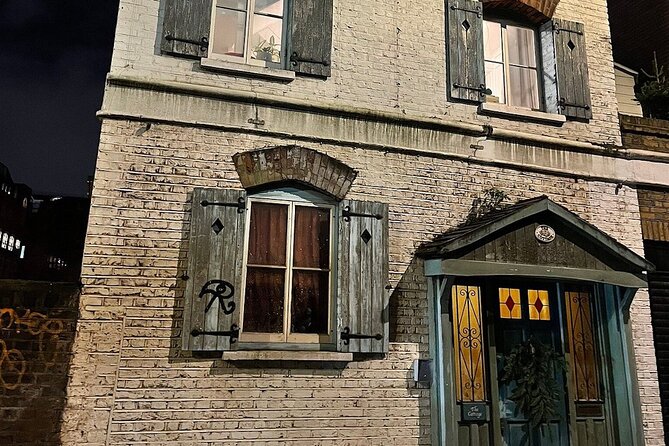
Charterhouse Square offers a change of mood. It is a quiet park in the middle of the city, and the guide uses it to explain how plague changed London.
You’ll hear how deadly outbreaks were, how doctors tried to stop them, and what happened to people who survived. The stop is valuable because it shifts the focus from individual horror to a city-wide crisis. Disease affected homes, streets, hospitals, churches, and burial grounds.
The setting helps. A peaceful square makes a useful contrast with the frightening events being described. It also gives you a chance to pause during the walk rather than moving from one grim story to the next without a break.
Do not expect a medical lecture with precise clinical detail. The purpose here is to show how Londoners understood plague and how limited their options were. The tour’s larger point is clear: people often relied on tradition, guesswork, and frightening remedies because modern medicine did not yet exist.
Something completely different for your London days:
- London: The London Eye Entry Ticket
★ 4.6 · 35,875 reviews - From London: Harry Potter Warner Bros Studio Tour
★ 4.7 · 26,588 reviews - London: Westminster to Greenwich River Thames Cruise
★ 4.5 · 22,836 reviews - London: Madame Tussauds London
★ 4.6 · 20,915 reviews
St. Bartholomew the Great and a haunted churchyard
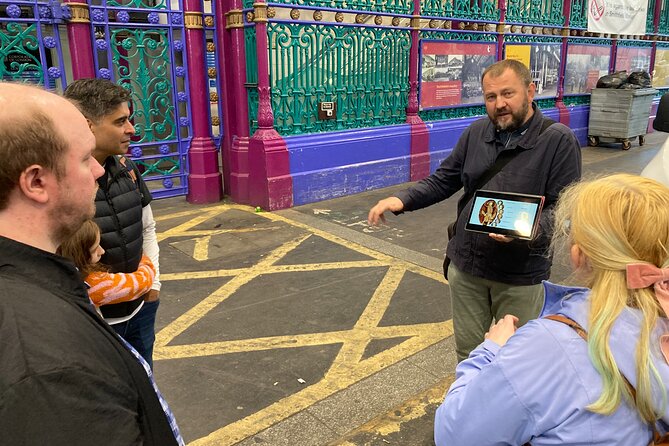
St. Bartholomew the Great is one of the oldest churches on the route, with 900 years of service to London. The surrounding churchyard adds a strong visual element, with old tombstones and the feel of a place shaped by generations of burial.
The guide connects the church to stories about its founder and to the people buried around it. This is where the walk most clearly combines religion, death, and local legend. You are not only hearing that a place is haunted. You are learning why the site became associated with the dead in the first place.
I like this stop for its atmosphere. A centuries-old church and graveyard give the stories some weight without needing special lighting or sound effects. The city continues around you, but the churchyard offers a brief pocket of quiet.
The ground and surroundings may be uneven in places, so take care at night. The tour is listed as wheelchair accessible, but historic churchyards can still present practical challenges. Ask the operator in advance if you need a detailed accessibility check.
William Wallace and the memory of a Scottish hero
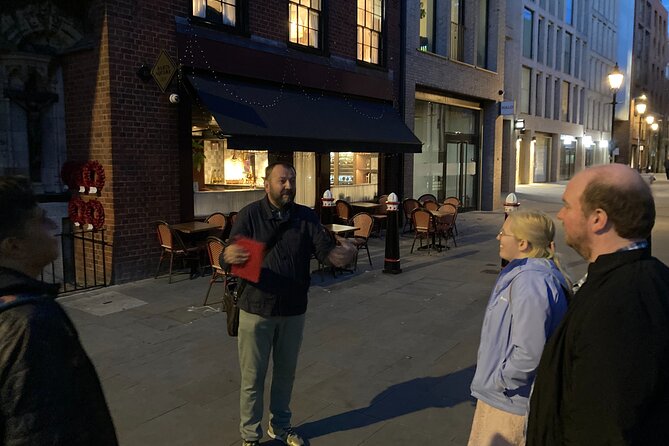
The William Wallace Memorial adds a political and military thread to the walk. Here, the guide takes you back to the conflict between England and Scotland and explains why Wallace remains important to Scottish memory.
This stop broadens the tour beyond London’s ghosts and criminals. It reminds you that the city’s grim past also includes national conflict, resistance, and the way historic figures are remembered long after their deaths.
The memorial is a photo stop as well as a storytelling point. You should have time to look at it and listen, but this is not a museum visit with indoor displays. The value comes from the guide’s explanation of the place and its connection to a larger story.
If you already know the basic story of William Wallace, you may find this section shorter than the stops about medicine and crime. Still, it gives the route a welcome change of subject.
St. Bartholomew’s Hospital and the hazards of old medicine

St. Bartholomew’s Hospital is one of the tour’s strongest stops for anyone interested in medical history. The guide explains how doctors worked in the past, including the tools, methods, and substances they used in hopes of making people well.
This is where you learn why Londoners once drank blood, ate bones, or smeared strange substances on their bodies. Those details sound shocking now, but the tour places them in the context of fear and limited treatment choices. People were willing to try almost anything when illness could quickly become fatal.
The hospital also connects neatly with the later story of body-snatching. Medical training and surgical progress required bodies for study, yet legal supplies were limited. That tension helped create a market for stolen corpses.
I appreciate the way this stop ties several themes together. The tour does not treat each gruesome fact as a separate shock. Blood, bones, surgery, hospitals, burial grounds, and grave robbers all become parts of the same story.
You should also expect the subject matter to be blunt. Anyone sensitive to descriptions of surgery, death, or old medical practices may find this section uncomfortable. That is not a flaw, but it is worth knowing before you book.
Holy Sepulchre Church and the body-snatching trade
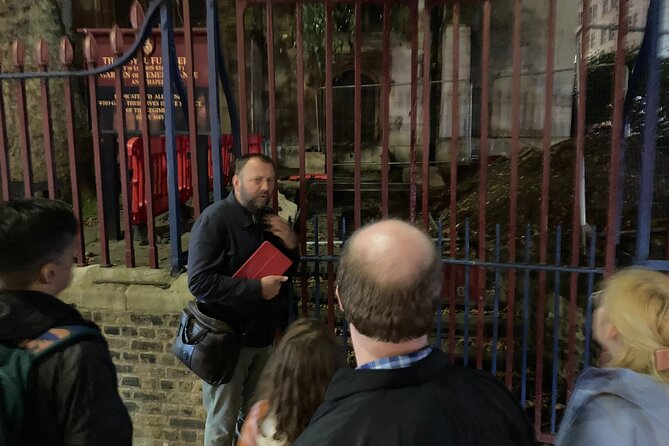
At Holy Sepulchre Church, the empty pits in the churchyard point to a particularly unpleasant trade. More than two centuries ago, people made money by removing bodies from graves and selling them.
The obvious question is who would buy a dead body. The answer connects directly to the hospital you have just passed. Medical workers needed corpses for study, and the demand created an incentive for grave robbers.
This is one of the best-connected parts of the walk. You pass the hospital, then the pub, then the churchyard, and the guide links those locations into a single account of how the trade worked. The story gives you a sharper understanding of how medical progress could depend on practices that families found horrifying.
The tour also explains why the subject became part of London’s public memory. A grave was meant to offer protection and rest. When that protection failed, cemeteries became places of fear even after burial.
This stop is less about supernatural activity and more about human behavior. If you want ghost stories at every turn, that may disappoint you. If you enjoy the darker side of social and medical history, it is likely to be one of the most memorable sections.
The Old Bailey and the killer worse than Jack the Ripper
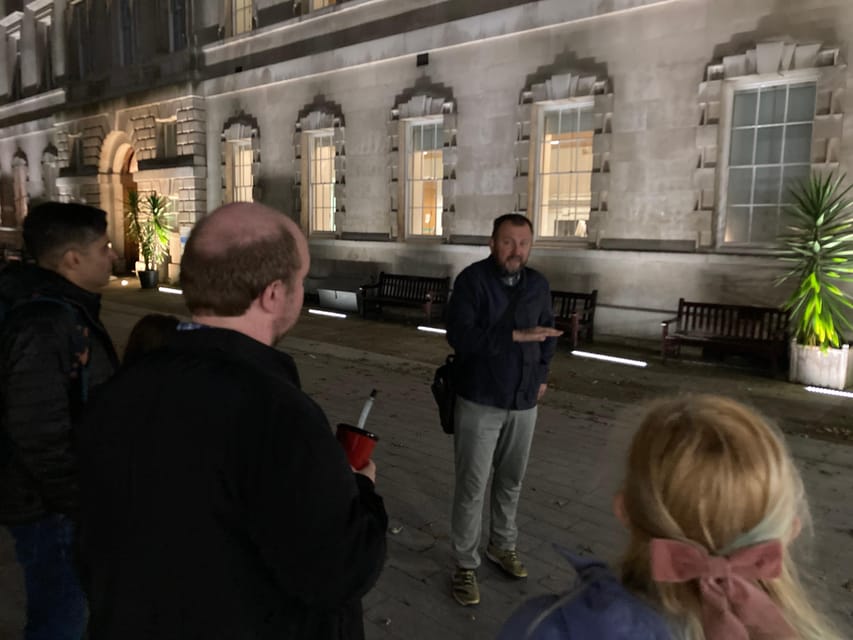
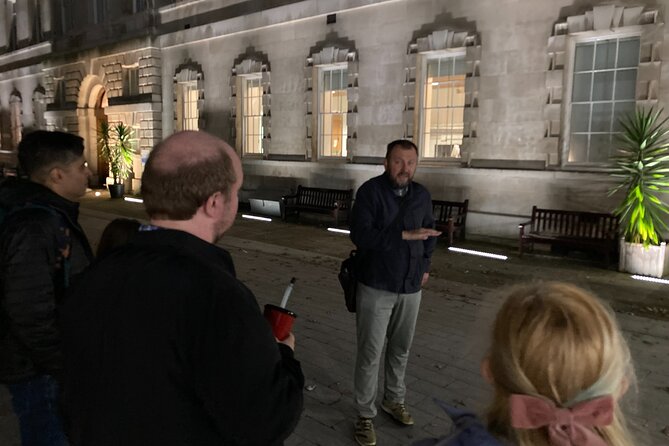
The route keeps its most notorious criminal story until the end, at the Old Bailey. This courthouse is the setting for the guide’s introduction to the killer described as England’s worst or most prolific serial killer.
The point is partly to challenge the automatic association between London and Jack the Ripper. The city’s criminal past includes other figures, and the tour uses this story to show how fame can distort the past. The most famous name is not always the deadliest one.
Ending at the Old Bailey gives the walk a strong final chapter. You have already heard about public executions, plague, burial, medicine, and grave robbing. The courthouse brings those themes back to crime, justice, and punishment.
This section should appeal to anyone who enjoys true crime with historical context. It is not presented as a modern crime investigation, so you should expect storytelling about the person and the period rather than a case-solving format.
The route information describes the walk as finishing at St. Paul’s Cathedral, while the meeting details also say the activity ends back at the meeting point. Because those details do not match perfectly, confirm the final stopping point when you book. Either way, you finish in a central London area with useful transport connections nearby.
How the guides shape the experience
A tour like this depends heavily on the person leading it. The guide needs to explain unpleasant material clearly, keep the group moving, and avoid turning every location into a forced scare.
The walk is led by a professional storyteller and scholar. Matt is one guide specifically associated with this experience, and his style is described as informative, entertaining, passionate, and highly engaged with the subject. If Matt is leading your date, expect a guide who enjoys the material and gives the stories room to breathe.
The best guides on a tour like this do more than recite dates. They show you how one place leads to the next. The hospital makes the body-snatching story easier to understand. The churchyard makes the plague story more physical. Smithfield gives the execution tales a real setting.
A guide’s personality will also affect the balance between ghosts and gruesome history. The experience has a spooky frame, but much of its content concerns real events and old customs. That makes it more substantial than a simple evening scare walk, but less suitable if you want theatrical horror.
Is $49 a fair price for two hours?
At $49 per person, this is not the cheapest way to spend an evening in London. The value depends on how much you want a guided story rather than a self-guided walk past the same sites.
You are paying for a live English-speaking guide, a carefully connected route, and access to stories that are easy to miss on your own. Smithfield Market, St. Bartholomew’s Church, the hospital, Holy Sepulchre Church, and the Old Bailey can all be found independently, but the links between them are less obvious without someone explaining the city’s past.
I think the price is easier to justify if you enjoy history, crime, folklore, and unusual local stories. It is less convincing if you only want photo stops or expect entry into every building. The listed stops are mainly viewed from the outside, with storytelling and photo pauses rather than a series of indoor visits.
Free cancellation up to 24 hours before the tour and a reserve-now, pay-later option also reduce the risk of fitting it into a changing London schedule. Those terms are useful, but the main value still comes from the guide.
Who should book this walk?
I would choose this tour for adults and older children who like spooky stories but also want historical context. It suits people who have already seen London’s major sights and want a different view of the city.
It is particularly good for:
- Fans of true crime and old court cases
- Visitors interested in plague, hospitals, and medical history
- People who enjoy ghost stories without needing a haunted-house production
- Repeat visitors looking for less familiar London locations
- Anyone who prefers a compact two-hour walk over a longer evening tour
I would think twice if you dislike stories about executions, corpses, surgery, disease, or grave-robbing. The material can be graphic in concept, even when the walk itself is calm and educational.
The tour is also a better fit for someone who enjoys listening while walking than for someone who wants lots of free time at each site. The route includes many stops, but the guide remains the focus.
Should you book London’s Ghosts & Gruesome Past Nighttime Walking Tour?
Book it if you want London’s darker stories told on the streets where they belong. The mix of plague pits, haunted Underground lore, public executions, old medicine, body-snatching, and a notorious killer gives the evening a clear identity.
Skip it if your idea of a ghost tour requires constant supernatural tales or dramatic effects. This is a history walk with a macabre edge, and the gruesome material often outweighs the ghost stories.
For most people who enjoy unusual history, the $49 cost is reasonable because the guide supplies the connections you would miss on your own. Confirm the final meeting point, arrive ready for a full two hours on foot, and expect a thoughtful, sometimes stomach-turning look at the city behind the postcard.
FAQ
Where does the tour start?
Meet your guide outside Farringdon Underground Station, at the main station entrance and exit between the new and old stations. The listed starting address is 42 Cowcross Street.
How long does the tour last?
The walking tour lasts two hours. Starting times vary, so check availability for the date you want.
What language is the tour conducted in?
The tour is conducted in English with a live English-speaking guide.
How much does the tour cost?
The listed price is $49 per person.
Is a professional guide included?
Yes. The experience includes a professional certified guide and an escort through London’s dark and spooky streets.
Is the tour wheelchair accessible?
Yes, the activity is listed as wheelchair accessible. Since the route includes historic churchyards and old city areas, ask for current route details if you need specific step-free information.
Does the tour focus only on ghosts?
No. It includes ghost stories, but much of the walk covers plague, public executions, old medical practices, hospitals, grave-robbing, churches, and serial crime.
Which locations are included?
The route includes Farringdon Station, Smithfield Market, Charterhouse Square, St. Bartholomew the Great Church, the William Wallace Memorial, St. Bartholomew’s Hospital, Holy Sepulchre Church, and the Old Bailey.
Can I cancel for a refund?
You can cancel up to 24 hours in advance for a full refund.
Do I have to pay when I reserve?
No. A reserve-now, pay-later option is available, so you can hold a place without paying immediately.
Latest arrivals on the London list
- Easy Access Tower of London Royal Secrets & Scandals Tour★ 5.0 · 3 reviews
- Stonehenge Special Access Guided Morning Tour from London★ 4.5 · 3 reviews
- Shoreditch & East London Walking Tour with a Local, Custom & Private★ 5.0 · 3 reviews
- Madame Tussauds London Fast Track and Champagne Experience★ 3.5 · 3 reviews
- London Private Brixton Tour with a Local – Culture & Stories★ 4.9 · 3 reviews
- Private Full Day Tour – Fast Track Tower of London and Lunch★ 4.6 · 3 reviews
- Private transfer from London Heathrow Airport to Southampton★ 5.0 · 3 reviews
- London Soho District – Guided Walking Tour 12 guests 2,5h★ 4.8 · 3 reviews
Walking Tours, compared.
Magical London: Harry Potter Guided Walking Tour
Read our review →
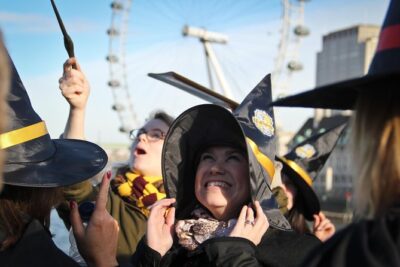
Tour for Muggles The Ultimate Harry Potter Walking Tour in London
Read our review →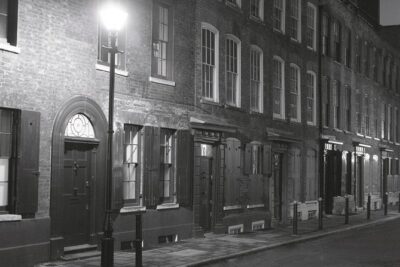

Harry Potter Movies Walking Tour (Kids Go Free)
Read our review →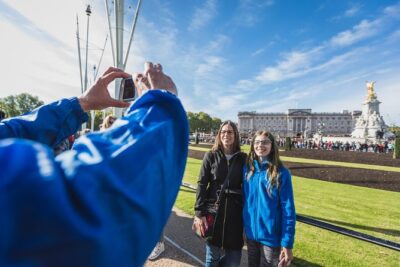
Changing of the Guard Guided Walking Tour in London
Read our review →
The Great British Rock and Roll Music Walking Tour
Read our review →