Reviewed · WALKING TOURS
Royal London: from Saxons to Tudors & Stuarts Walking Tour
The most arresting part of this walk is how much royal drama took place in ordinary central London. In two hours, you follow the trail from Saxon kings to the Tudors and Stuarts, including the place where Charles I lost his head, where Henry VIII married Anne Boleyn, and where Shakespeare first presented his plays.
I like the six-person limit, which gives you a better chance to ask questions than on a large city tour. I also like the way the guide connects famous royal dramas with less familiar rulers, rather than reciting a list of kings. The main consideration is simple: this is an outdoor walk from start to finish, so rain, cold, or tired feet can affect the experience.
In This Review
- Key points to know before you book
- Starting at Trafalgar Square with England’s earliest kings
- The site of London’s largest royal palace
- Henry VIII, Anne Boleyn, and the dangerous Tudor court
- The place where Charles I lost his head
- Shakespeare’s Stuart-era theater connection
- Royal love stories beyond Henry and Anne
- How the guide shapes the experience
- Two hours on foot, rain or shine
- What the $29 price really buys you
- Who will enjoy this royal London walk
- Should you book Royal London: from Saxons to Tudors & Stuarts?
- FAQ
- Where does the walking tour meet?
- How long does the tour last?
- What language is the tour offered in?
- How many people can join the group?
- Does the tour include entry to historic attractions?
- What should I bring?
- Is the tour suitable for children and wheelchair users?
Key points to know before you book
- A thousand years of monarchy in two hours: The route links Saxon, Norman, Tudor, and Stuart stories without requiring a full day.
- Small groups of six: The format is suited to questions and conversation, with guides including Natalie and Nichole.
- Royal drama at real London sites: Hear about Henry VIII, Anne Boleyn, Charles I, Shakespeare, and the love stories behind the crowns.
- Outdoor sightseeing only: You see the locations from the street. Entry to palaces, churches, theaters, and other attractions is not included.
- Best for history and period-drama fans: The themes connect with The Tudors, The White Queen, Becoming Elizabeth, Gunpowder, Mary & George, and Outlander.
- Bring practical gear: Wear comfortable shoes, carry water, and pack an umbrella because the walk operates in all weather.
Starting at Trafalgar Square with England’s earliest kings
You meet your guide outside Waterstones at Trafalgar Square, postcode WC2N 5EJ. The guide is described as a short, quirky woman, and guides named Natalie and Nichole have led the walk. That small detail helps you recognize the meeting point, especially in a crowded square.
Trafalgar Square is a useful place to begin because you are already near the heart of royal and political London. From here, the walk sets up the broad story: who Edward the Confessor was, what William the Conqueror actually conquered, and why the Tudor period still dominates films, television, and popular imagination.
You should not expect a university lecture or a complete list of every monarch. The guide instead gives you a brisk framework, then uses particular places to explain how power, marriage, religion, succession, and execution shaped England.
That approach suits you if royal names usually blur together. Instead of hearing Henry followed by Edward followed by another Henry, you get a sense of why certain reigns changed the country and why other kings have almost vanished from public memory.
More London walking tours:
- Magical London: Harry Potter Guided Walking Tour
★ 4.7 · 22,044 reviews - London: The Original Jack the Ripper Walking Tour
★ 4.7 · 7,833 reviews - Tour for Muggles The Ultimate Harry Potter Walking Tour in London
★ 5.0 · 4,684 reviews
The site of London’s largest royal palace
One of the walk’s main ideas is that modern London often hides its royal past. Streets, offices, and public buildings occupy spaces that once mattered greatly to the monarchy. The tour takes you to the site where the largest royal palace once stood, giving you a chance to picture a royal complex that is no longer intact.
This is the kind of stop that works best with a guide. On your own, you might pass the spot without realizing what stood there. With the story in place, the ordinary city becomes a map of lost power.
The drawback is that you are looking at a site from outside rather than entering a preserved palace. If you want grand interiors, period furniture, or reconstructed royal rooms, you will need to visit a separate attraction. This walk is about location and storytelling, not admission to historic buildings.
Still, I find the vanished-palace idea valuable. It keeps the tour from becoming a parade of famous surviving landmarks only. Royal London was larger than the buildings that remain, and the walk helps you see that absence.
Henry VIII, Anne Boleyn, and the dangerous Tudor court
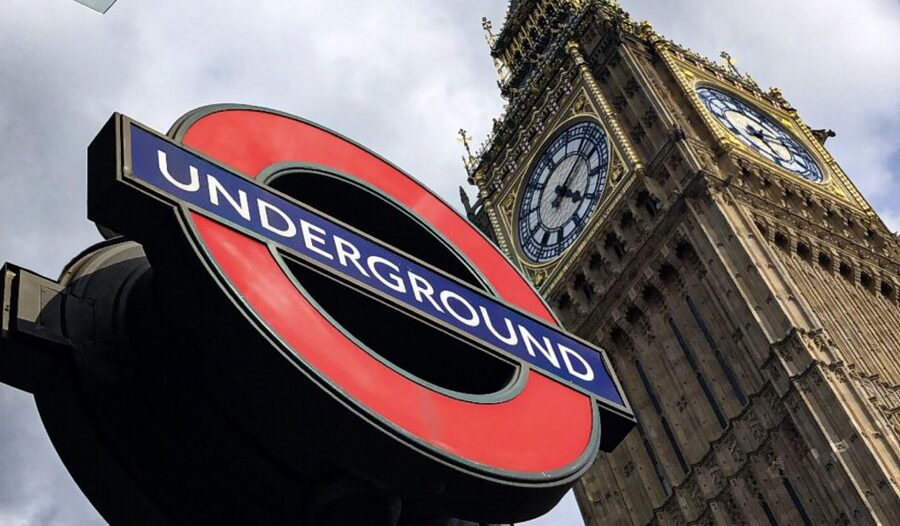
The Tudor section is likely to be the main draw for fans of royal television. You learn where Henry VIII married Anne Boleyn, a location that gives personal weight to one of England’s most famous royal relationships.
The value here is not just recognizing the names. Henry and Anne’s marriage sits at the meeting point of romance, ambition, religious change, and succession anxiety. A good explanation can show why their relationship mattered beyond the private lives of two people.
The tour also asks why the Tudors remain so popular. Their reigns produced memorable personalities and sharp reversals: royal marriages, disputed heirs, religious conflict, and court politics. The guide’s task is to separate what television dramatizes from what the wider story tells you.
This is where the small group helps. You can ask about the difference between a television version and the historical record, or follow up on a particular monarch without holding up a coachload of people. Natalie has been praised for giving a broad account that includes kings often left out of films and series.
Do not come expecting every Tudor location to be open for a visit. The route stays outside. You are using the streets as a stage while the guide supplies the missing buildings, motives, and consequences.
The place where Charles I lost his head
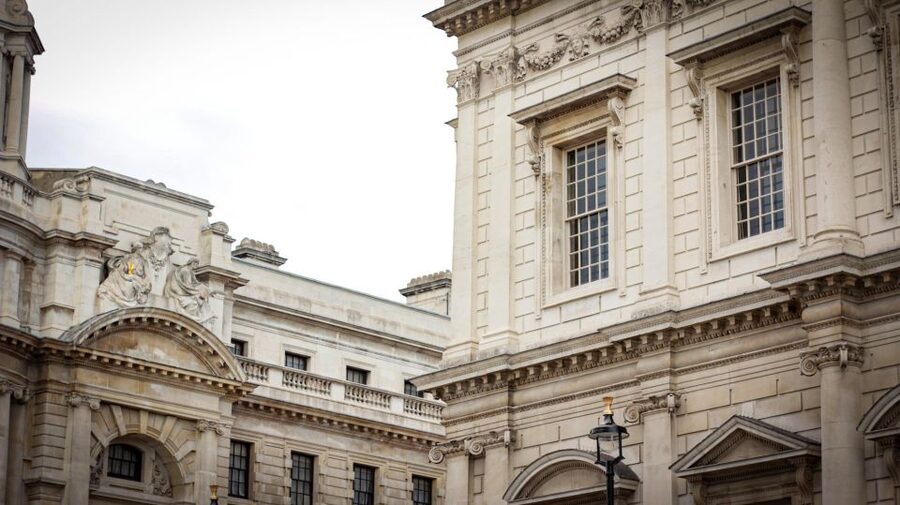
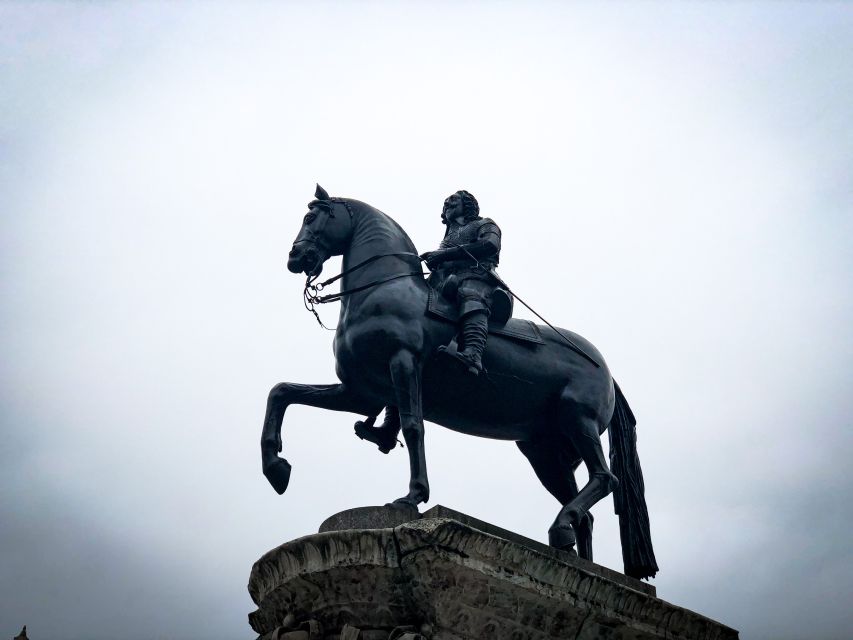
The walk also visits the place associated with Charles I’s execution. It is one of the clearest examples of how royal power could collapse in public.
For you, this stop adds a different mood to the romantic Tudor material. Charles I was not simply another crowned figure in a long line. His death marked a direct challenge to the idea that a king could rule above the law and helped define the conflict between monarchy and Parliament.
The guide can place that event within the Stuart story, giving you a useful bridge from the Tudors to the political struggles that followed. The title of the tour promises Saxons through Tudors and Stuarts, and this stop shows why the Stuart period deserves more than a footnote.
Again, the location itself may not look dramatic. There is no guarantee of a grand memorial or preserved execution platform. That is part of the lesson: major events can happen in places that later become normal pieces of the city.
If you prefer sightseeing with obvious buildings and interior visits, you may find this style less satisfying. If you like connecting a present-day street with a decisive event, it is one of the stronger moments of the walk.
Something completely different for your London days:
- London: The London Eye Entry Ticket
★ 4.6 · 35,875 reviews - From London: Harry Potter Warner Bros Studio Tour
★ 4.7 · 26,588 reviews - London: Westminster to Greenwich River Thames Cruise
★ 4.5 · 22,836 reviews - London: Madame Tussauds London
★ 4.6 · 20,915 reviews
Shakespeare’s Stuart-era theater connection
Another highlight is the Stuart-era setting linked with Shakespeare’s plays. You learn about the place where his work was premiered, described as a Stuart gem in the tour material.
This stop broadens the walk beyond royal marriages and executions. The monarchy shaped the political setting, but theater reveals another side of the period: public performance, language, celebrity, and the way culture flourished around the court and city.
The Shakespeare connection also gives the guide a chance to explain that London’s royal story was not only made by kings and queens. Writers, actors, audiences, and public institutions helped create the identity of the capital.
You see the site from outside, so the experience depends heavily on the explanation. If you want a theater visit, plan a separate stop elsewhere. Here, the benefit is learning how the location fits into the royal timeline while you continue along the route.
Royal love stories beyond Henry and Anne
The tour asks you to consider the greatest royal love story of all time. That theme gives the walk a more personal thread, especially if you enjoy stories of loyalty, betrayal, courtship, and sacrifice.
The exact love story is not specified in the tour details, so you should not book expecting one particular couple. Instead, think of this as a discussion point within a wider walk about monarchy. The guide may use famous relationships to show how royal marriages were rarely private affairs. Love, inheritance, diplomacy, religion, and public image were usually tied together.
That framing is useful because it avoids treating royal romance as a simple fairy tale. A relationship could affect the succession, alter religious policy, or bring a person closer to execution. The emotional stories are memorable, but the political consequences are what make them important.
How the guide shapes the experience
This is a live English-language tour, and the guide is central to its success. Guides such as Natalie and Nichole have been described as friendly, funny, confident, and ready to answer questions. Natalie is also associated with a podcast, which may appeal to you if you like continuing a subject after the walk.
The strongest feature is the mix of facts and humor. The guide does not simply recite dates. The best moments connect a place to a motive or a decision, helping you understand why a monarch acted as they did.
Natalie has also been praised for covering rulers who rarely appear in television dramas. That matters because popular culture tends to narrow English royal history to a few familiar names. A wider selection gives you a better sense of how the monarchy developed over centuries.
A group capped at six is a real advantage. You can hear clearly, ask questions, and have a more direct exchange with the guide. Depending on bookings, the group may feel almost like a private walk, though you should not assume you will have the guide alone.
The tour is offered in English only. If you need a tour in another language, this is not the right choice.
Two hours on foot, rain or shine
The route lasts two hours and takes place entirely outdoors. You should wear comfortable shoes even though the walk is described as manageable rather than strenuous.
That distinction matters. The walk is not presented as an athletic challenge, but two hours on pavement can still tire you, especially after a full day of sightseeing. Bring water, and carry an umbrella because the tour runs rain or shine. Trafalgar Square has toilets, though opening hours can change.
There is no indoor shelter built into the experience. A wet day may make it harder to concentrate, and winter darkness or cold can reduce the pleasure of standing at several stops. On a dry day, however, the outdoor format lets you move through the city rather than sit in a classroom.
The walk is not suitable for people with mobility impairments or wheelchair users, and children under 13 cannot join. If you have any doubt about the physical demands, contact the provider before booking because the route is outside for the full two hours.
What the $29 price really buys you
At $29 per person, this is a reasonably priced way to get a focused introduction to royal London. You are paying for a live guide, a small group, and a carefully connected story rather than entry to a major attraction.
That distinction helps you judge the value. If you want access to famous buildings, the price will not cover that because visits inside sites are not included. If you want context that helps you understand the city before choosing which palaces, churches, or museums to visit, the cost makes more sense.
The six-person limit also improves the value. A cheaper large group may give you the same basic facts, but it is less likely to offer time for questions. Here, you are buying access to a guide’s interpretation and conversation as much as the walk itself.
The flexible booking terms are useful for a changeable London schedule. You can reserve and pay later, and cancellation is free up to 24 hours before the start time. Check the available starting times when you book, since the exact schedule is not fixed in the tour details.
Who will enjoy this royal London walk
I would choose this tour if you enjoy royal biographies, British political history, or television dramas set around English courts. It is especially useful early in a London visit, when you want a map of the city’s royal past before exploring individual attractions.
You will also get good value if you like asking questions. The guide’s humor, confidence, and willingness to respond can make a compact tour feel personal.
This is less suitable if you want a relaxed sightseeing stroll with plenty of time for photographs. Two hours is devoted to explanation and movement, and the route remains outside. It is also not a good fit for young children, wheelchair users, or anyone who finds prolonged walking uncomfortable.
Bring a rain layer even if the forecast looks kind. London weather can change quickly, and the tour does not move indoors when it rains.
Should you book Royal London: from Saxons to Tudors & Stuarts?
Book it if you want royal London explained through places, personalities, and sharp turning points. The best reasons are the six-person cap, the broad span from Saxon rulers to the Stuarts, and guides such as Natalie and Nichole who bring humor and extra context to familiar stories.
Skip it if you need indoor access, a step-free route, another language, or a child-friendly activity for anyone under 13. For everyone else, $29 buys a compact and useful orientation to the monarchy, with enough Tudor drama to keep the walk lively and enough lesser-known history to give you something new.
FAQ
Where does the walking tour meet?
Meet at the entrance to Waterstones bookshop in Trafalgar Square, London, WC2N 5EJ.
How long does the tour last?
The walking tour lasts two hours.
What language is the tour offered in?
The live tour guide conducts the experience in English.
How many people can join the group?
Each walk is limited to six attendees.
Does the tour include entry to historic attractions?
No. The walk takes place outside, and admission to places of interest is not included.
What should I bring?
Wear comfortable shoes, bring a bottle of water, and carry an umbrella because the tour operates rain or shine.
Is the tour suitable for children and wheelchair users?
Children under 13 are not permitted. The tour is also not suitable for people with mobility impairments or wheelchair users.
Latest arrivals on the London list
- Easy Access Tower of London Royal Secrets & Scandals Tour★ 5.0 · 3 reviews
- Stonehenge Special Access Guided Morning Tour from London★ 4.5 · 3 reviews
- Shoreditch & East London Walking Tour with a Local, Custom & Private★ 5.0 · 3 reviews
- Madame Tussauds London Fast Track and Champagne Experience★ 3.5 · 3 reviews
- London Private Brixton Tour with a Local – Culture & Stories★ 4.9 · 3 reviews
- Private Full Day Tour – Fast Track Tower of London and Lunch★ 4.6 · 3 reviews
- Private transfer from London Heathrow Airport to Southampton★ 5.0 · 3 reviews
- London Crimes And Punishment Private Walking Tour★ 5.0 · 3 reviews
Walking Tours, compared.

Magical London: Harry Potter Guided Walking Tour
Read our review →
Tour for Muggles The Ultimate Harry Potter Walking Tour in London
Read our review →

Harry Potter Movies Walking Tour (Kids Go Free)
Read our review →
Changing of the Guard Guided Walking Tour in London
Read our review →
The Great British Rock and Roll Music Walking Tour
Read our review →