
Reviewed · CHURCHILL WAR ROOMS & WWII TOURS
Churchill’s Wartime London Walking Tour
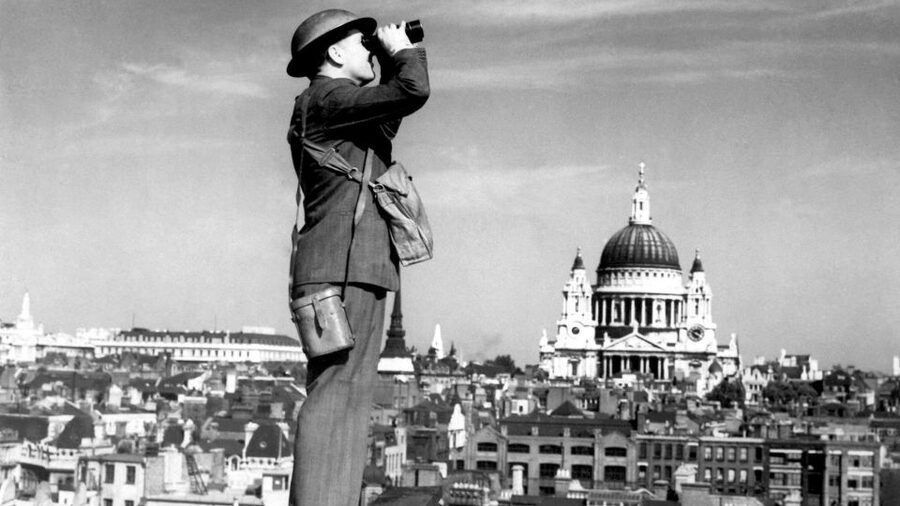
Churchill’s Wartime London Walking Tour takes you through the places where Britain’s wartime story was argued, directed, and remembered. In about 80 minutes, you’ll move from the Boadicea statue along Victoria Embankment to Big Ben, Parliament, Downing Street, and Whitehall, finishing outside the Churchill War Rooms. The guide connects Churchill’s decisions with his relationship with Franklin D. Roosevelt, so the route feels like more than a parade of famous buildings.
I like the way the tour links familiar Westminster sights to specific wartime events, and I like the chance to see surviving bomb damage and the remains of a church destroyed during the Blitz. The use of personal audio headsets should also make the live commentary easier to follow in busy streets.
The main caution is the walking pace. The activity information describes the route as 80 minutes, but the accessibility note calls it a 90-minute walk, and one booking party found there was more walking than expected. Comfortable shoes are essential, and this is not a good choice if you have reduced mobility.
In This Review
- Key points to know before you book
- Following Churchill from Victoria Embankment
- Big Ben and the Houses of Parliament
- Parliament Square and Churchill’s public legacy
- Downing Street and the machinery of government
- Whitehall’s wartime monuments and Allied leaders
- Bomb damage and a church left in ruins
- The Cenotaph and Britain’s national memorial
- Finishing at the Churchill War Rooms
- Is $40 good value for 80 minutes?
- Walking conditions, timing, and who should book
- Should you book Churchill’s Wartime London Walking Tour?
- FAQ
- Where does the tour begin?
- Where does the tour finish?
- Is admission to the Churchill War Rooms included?
- How long does the tour last?
- What language is the tour conducted in?
- Can I cancel for a refund?
Key points to know before you book
- Start at the Boadicea and Her Daughters statue: Meet near Westminster Tube station, Exit 2, on Victoria Embankment.
- See Westminster from a wartime angle: Big Ben, Parliament Square, Downing Street, and Whitehall all become part of Churchill’s story.
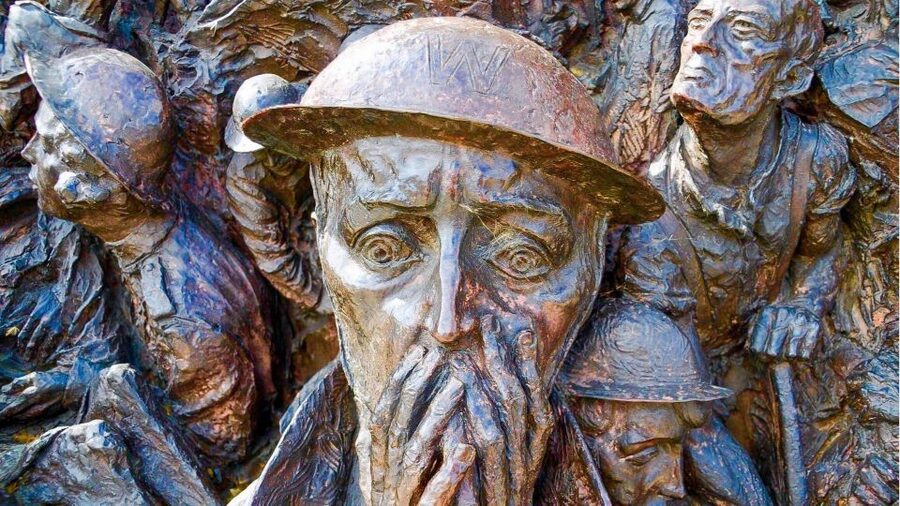
- Look for the marks of the Blitz: The route includes visible bomb damage and the remains of a church destroyed during the war.
- Hear about Allied leaders: Statues of Churchill, Eisenhower, Roosevelt, and Sir Arthur Harris appear alongside monuments to the Battle of Britain and women of World War II.
- Finish at the Churchill War Rooms: The walking tour ends there, but your admission ticket must be purchased separately.
- Expect a brisk city walk: The route is not suitable for guests with reduced mobility, and an umbrella is a sensible extra in London.
Following Churchill from Victoria Embankment
The tour begins beside the Boadicea and Her Daughters statue on Victoria Embankment. This is a practical meeting point, close to Westminster Tube station, Exit 2, and easy to place on a map. Arrive with enough time to identify your guide and settle in, since the tour begins on foot rather than with hotel pickup.
Starting here puts you near the Thames and within a short walk of Westminster’s best-known landmarks. The opening section sets up the main theme: Churchill’s wartime leadership, his speeches in the House of Commons, and his working relationship with Franklin D. Roosevelt.
You should think of this as a history walk with landmarks attached, not a tour that takes you inside every building. Most of the experience happens outdoors, so your enjoyment will depend on the weather and on how comfortable you are walking and listening at the same time.
The personal audio headset is useful. Instead of needing to gather tightly around the guide, you can hear the live commentary while looking at the buildings and monuments along the route. Ask for clarification if you miss a point, especially when traffic or street noise cuts across the explanation.
More wartime history visits:
- Westminster 3 Hour Walking Tour and Visit of Churchill War Rooms
★ 5.0 · 967 reviews - WW2 London Walking Tour & Churchill War Rooms Entrance Ticket
★ 4.5 · 933 reviews - London: Westminster WW2 Tour & Churchill’s War Rooms Ticket
★ 4.5 · 925 reviews
Big Ben and the Houses of Parliament
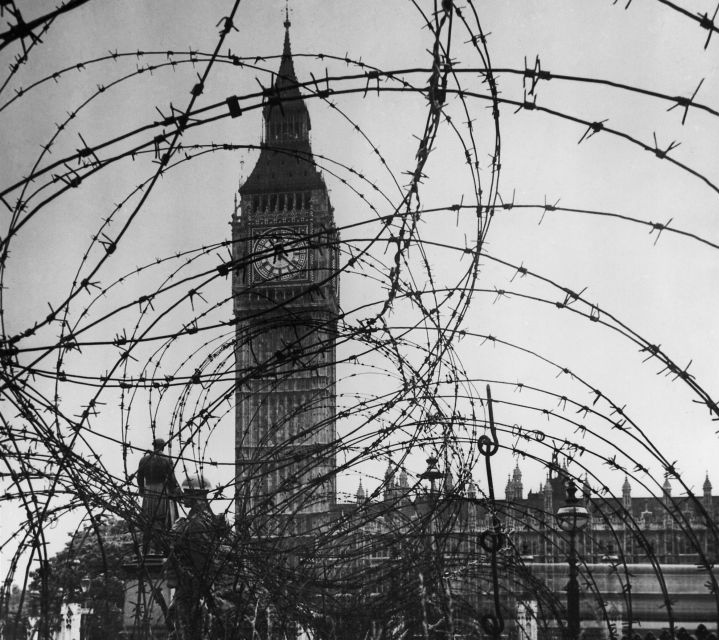
Big Ben is one of the first major sights on the route. The name technically refers to the great bell inside the clock tower, though most people use it for the entire tower. Here, the guide shifts your attention from the famous outline to the role of Westminster during the war.
The Houses of Parliament are important because Churchill’s wartime decisions and speeches are tied closely to the House of Commons. You will not be touring the interior as part of this activity, but standing outside gives the guide a useful setting for explaining how Britain’s political leadership worked during the crisis.
This is one of the tour’s strongest features. You already know what Big Ben and Parliament look like from photographs, but the wartime stories give these landmarks a sharper purpose. You are not simply checking off an attraction. You are learning why this particular part of London mattered when Britain faced invasion threats, bombing, and enormous military pressure.
Expect stops for explanation and photographs, but remember that this remains a walking tour. The guide may need to keep the group moving to stay on schedule, and the route or exact stopping points can change.
Parliament Square and Churchill’s public legacy
From the Parliament area, the route continues toward Parliament Square. This open space is filled with political and national figures, making it a natural place to talk about Churchill’s public image and his place among Britain’s wartime leaders.
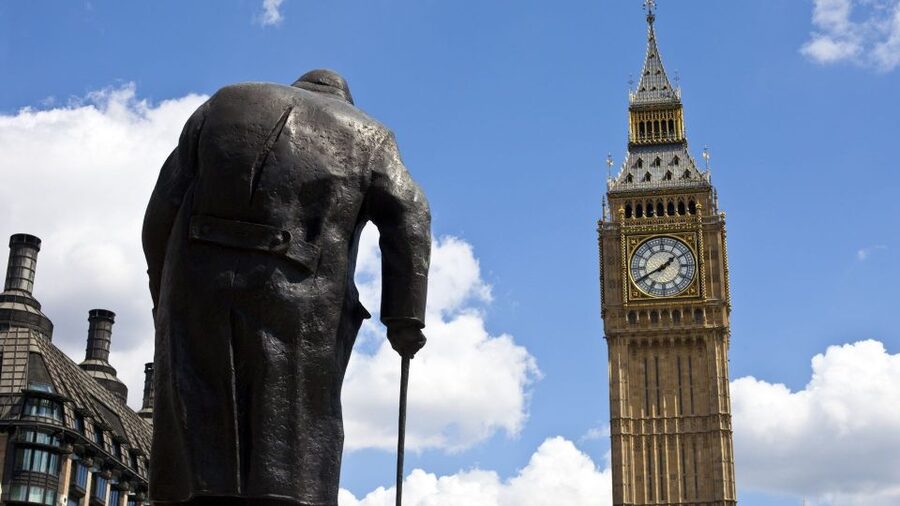
You get a photo opportunity at the statue of Sir Winston Churchill. It is a simple stop, but an important one for anyone interested in the man behind the speeches. Churchill’s public reputation is closely tied to his voice, posture, and forceful manner, and a guide can add the human details that a statue alone cannot provide.
The tour also connects Churchill with Roosevelt. That relationship matters because the Allied war effort depended on close cooperation between Britain and the United States. The activity does not promise a long seminar on diplomatic history, but it does give you a focused introduction to the shared wartime decisions and personal bond between the two leaders.
A guide named John Steel received especially strong praise for making the subject entertaining and for adding memorable facts beyond the basic Churchill story. That is useful context when choosing this tour. The quality of a short history walk depends heavily on the person holding the microphone. A lively guide can make the same streets far more memorable than a list of dates and names.
Downing Street and the machinery of government
The next major stop is 10 Downing Street, the official home of the British prime minister. From outside, you see the familiar black door and the guarded entrance, then hear how the location fits into Britain’s wartime leadership.
Do not expect to enter Downing Street. The value here is the setting and the explanation. The guide uses the area to connect Churchill’s public speeches with the less visible work of government, military planning, and communication.
This part of the walk helps balance the heroic side of Churchill’s story. Speeches are easy to remember, but wartime leadership also involved difficult choices, pressure from allies, and decisions made behind closed doors. The route cannot cover every issue in detail, but it gives you a framework for understanding the buildings around you.
The streets of Whitehall can be busy, and this is another reason the headset matters. Stay alert when crossing roads and keep an eye on the guide rather than relying only on the audio. City walking requires attention, especially when a group is moving between short stops.
More London walking tours:
- Magical London: Harry Potter Guided Walking Tour
★ 4.7 · 22,044 reviews - London: The Original Jack the Ripper Walking Tour
★ 4.7 · 7,833 reviews - Tour for Muggles The Ultimate Harry Potter Walking Tour in London
★ 5.0 · 4,684 reviews - London Jack The Ripper Guided Walking Tour
★ 5.0 · 3,131 reviews
Whitehall’s wartime monuments and Allied leaders
Whitehall provides the most concentrated stretch of wartime memorials. You see statues dedicated to Churchill, Dwight D. Eisenhower, Franklin D. Roosevelt, and Sir Arthur Harris. Each figure represents a different part of the Allied effort, from political leadership to military command.
The Roosevelt statue is particularly useful for the tour’s British-American theme. It reminds you that Churchill’s wartime story cannot be separated from the wider Allied partnership. The Eisenhower memorial adds another military dimension, while Sir Arthur Harris represents the difficult and controversial side of strategic bombing.
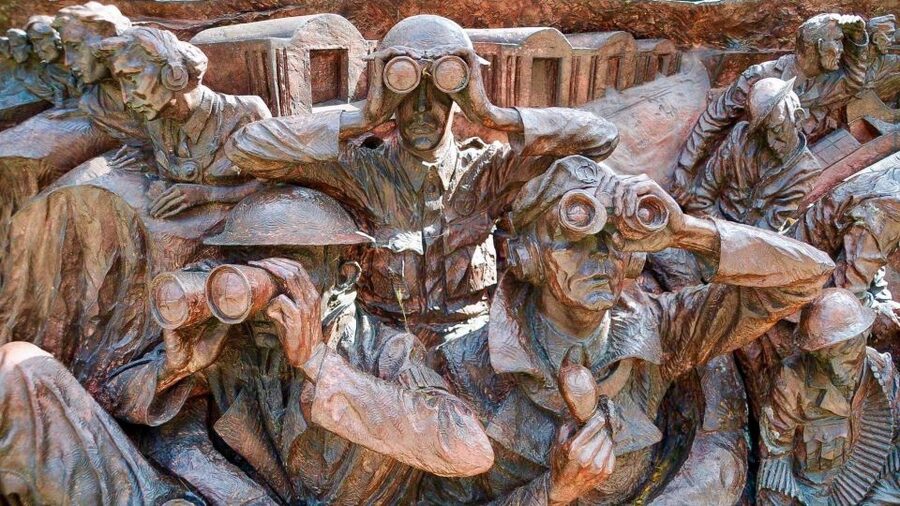
The route also includes monuments linked to the Battle of Britain and the women of World War II. These stops widen the story beyond one famous prime minister. The Battle of Britain memorial points to the air campaign that became a defining moment in Britain’s wartime memory, while the women’s memorial recognizes the huge range of work carried out by women during the conflict.
I appreciate this broader focus. A Churchill walk could easily become a procession of statues celebrating one man, but the Whitehall section gives you a wider view of the people and forces behind Britain’s wartime effort. Listen for how the guide places these figures in relation to one another rather than treating each monument as an isolated object.
Bomb damage and a church left in ruins
One of the most affecting parts of the route is the chance to see visible signs of bomb damage. London’s wartime destruction can be easy to miss beneath later repairs and modern traffic, so even small surviving marks make the history more physical.
You also visit the remains of a church destroyed during the Blitz. The ruined structure was left in place as a reminder of the damage caused by bombing. This stop changes the mood of the walk. Big Ben and Parliament present the official face of wartime Britain, while the church ruins show what ordinary communities lost.
The site is valuable because it gives you something concrete to look at while the guide explains the Blitz. You are not only hearing about air raids in the abstract. You are seeing part of a building that did not return to normal.
The tour does not include entry to a museum at this point, and the visit is still part of an outdoor route. If you want detailed exhibits, photographs, maps, and personal accounts, the Churchill War Rooms at the end will add far more depth, but you will need a separate admission ticket.
The Cenotaph and Britain’s national memorial
Whitehall’s Cenotaph is another key stop. It is Britain’s national war memorial and one of the country’s most important sites of remembrance. The monument is not limited to Churchill’s years or to one military campaign, so it gives the guide a chance to explain how the nation remembers wartime loss.
The Cenotaph can look modest compared with Parliament or Big Ben, but that is part of its power. The stop shifts the focus from leaders and strategy to national mourning. It also connects World War II with Britain’s wider military memory.
This is a good place to slow down mentally, even if the group remains on a schedule. Take a moment to read the inscriptions and notice how public ceremonies have shaped the meaning of the street. The tour is at its best when it lets you connect the monument’s quiet design with the scale of the events it recalls.
Finishing at the Churchill War Rooms
The walking route finishes at the Churchill War Rooms. This is an excellent ending because the tour has already introduced the streets, leaders, and decisions associated with wartime Westminster. You arrive with a basic map in your head and a clearer sense of why the underground rooms mattered.
Admission to the Churchill War Rooms is not included in the $40 tour price. You will need to arrange that separately if you want to continue indoors. The walking tour itself does not provide transportation, food, drinks, or hotel pickup and drop-off.
I see the separate ticket as both a drawback and a benefit. It keeps the walking tour price lower and lets you decide if you have enough time for the museum. On the other hand, you need to budget for another admission and plan your day carefully if you want to visit immediately after the walk.
If you purchase entry, allow plenty of time beyond the 80-minute walk. The underground headquarters are not a quick add-on, especially if you want to read the displays and examine the wartime rooms properly. The tour ends at the right place, but it does not turn the museum visit into one combined ticket.
Is $40 good value for 80 minutes?
At $40 per person, this is not the cheapest way to see Westminster. You can walk past Big Ben, Parliament, Downing Street, and Whitehall on your own without paying an admission fee. The price pays for the guide’s live explanation, the planned route, and the wartime focus.
For me, the value depends on your interest. If you already know Churchill’s story well and mainly want photographs of famous buildings, you may find the price hard to justify. If you want the landmarks tied together by wartime decisions, Allied relationships, bomb damage, and memorials, the guide can save you time and give the area a clearer shape.
The headset is another small value point. It should help you hear the guide without needing to crowd around, which matters on busy Westminster streets. Still, the experience is only as strong as the guide on the day. John Steel was singled out for his entertaining approach and broad range of interesting facts, but guide assignments can change.
Free cancellation is available up to 24 hours before the start time, and you can reserve now while paying later. That flexibility helps when you are building a London schedule. Read the cancellation deadline carefully, though. A last-minute illness may not qualify for a refund, as one booking party found after becoming ill within the 24-hour window.
Walking conditions, timing, and who should book
The activity is sold as an 80-minute experience, while the practical information also refers to a 90-minute walking tour. I would plan for at least 90 minutes, then add time for getting to the meeting point and continuing into the Churchill War Rooms if you have a separate ticket.
The route is not suitable for guests with reduced mobility. One booking party also found it more demanding than expected, so do not treat this as a gentle stroll simply because it covers a short period of time. You will be walking through central London, stopping outdoors, and keeping up with a group.
Bring:
- Comfortable walking shoes
- An umbrella
- A charged phone for meeting-point details and directions
The tour suits first-time visitors who want a guided introduction to Westminster, history fans interested in World War II, and anyone planning to visit the Churchill War Rooms. It also works well for people who prefer stories and context over a long museum visit.
You may want to skip it if you have limited walking ability, dislike outdoor tours in uncertain weather, or want to spend most of your time inside the Houses of Parliament. The buildings are viewed from outside, and the route can change.
Should you book Churchill’s Wartime London Walking Tour?
Book it if you want a focused introduction to Churchill’s London and value a good guide’s stories more than a long list of photo stops. The route covers the essential Westminster sights, then adds details you would be unlikely to notice on a basic self-guided walk, including Blitz damage, the ruined church, Allied statues, women’s wartime contributions, and the Cenotaph.
I would pair it with a separately booked visit to the Churchill War Rooms if your schedule allows. Together, the outdoor route and underground museum create a fuller picture of Churchill’s leadership.
Skip it if you need an easy walk or if your main goal is simply to see Big Ben and Parliament. For most history-minded visitors who can manage the pace, the $40 fee is reasonable, provided you understand that museum admission is extra and the actual walking time may be closer to 90 minutes.
FAQ
Where does the tour begin?
The meeting point is by the Boadicea and Her Daughters statue on Victoria Embankment, London SW1A 2JH. The nearest Tube station is Westminster, Exit 2.
Where does the tour finish?
The walking tour finishes at the Churchill War Rooms.
Is admission to the Churchill War Rooms included?
No. Admission to the Churchill War Rooms is not included in the tour price and must be arranged separately.
How long does the tour last?
The advertised duration is 80 minutes. The practical information also describes it as a 90-minute walking tour, so allow extra time in your schedule.
What language is the tour conducted in?
The live tour guide speaks English, and a personal audio headset is provided for the commentary.
Can I cancel for a refund?
You can cancel up to 24 hours in advance for a full refund. The activity also allows you to reserve now and pay later.
Latest arrivals on the London list
- Easy Access Tower of London Royal Secrets & Scandals Tour★ 5.0 · 3 reviews
- Stonehenge Special Access Guided Morning Tour from London★ 4.5 · 3 reviews
- Shoreditch & East London Walking Tour with a Local, Custom & Private★ 5.0 · 3 reviews
- Madame Tussauds London Fast Track and Champagne Experience★ 3.5 · 3 reviews
- London Private Brixton Tour with a Local – Culture & Stories★ 4.9 · 3 reviews
- Private Full Day Tour – Fast Track Tower of London and Lunch★ 4.6 · 3 reviews
- Private transfer from London Heathrow Airport to Southampton★ 5.0 · 3 reviews
- London Soho District – Guided Walking Tour 12 guests 2,5h★ 4.8 · 3 reviews
Churchill War Rooms & WWII Tours, compared.
Westminster 3 Hour Walking Tour and Visit of Churchill War Rooms
Read our review →
WW2 London Walking Tour & Churchill War Rooms Entrance Ticket
Read our review →
Westminster WW2 Tour & Churchill’s War Rooms Ticket
Read our review →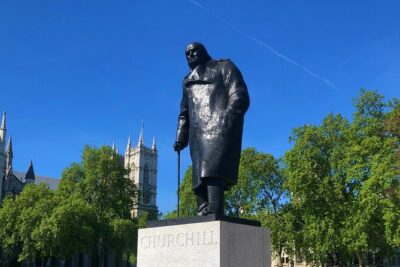
London in WW2 Walking Tour with Churchill War Rooms Visit
Read our review →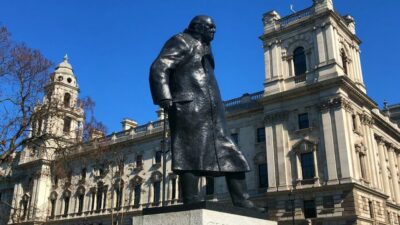
Westminster Tour and Churchill War Rooms Visit
Read our review →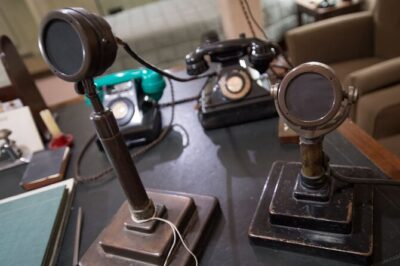
Churchill War Rooms “Behind The Glass” and Private Car Tour
Read our review →
Churchill War Rooms Ticket & Political London Audio
Read our review →Browse the lists this tour appears in