
Reviewed · GREENWICH TOURS
London: Royal Museums Greenwich Day Pass
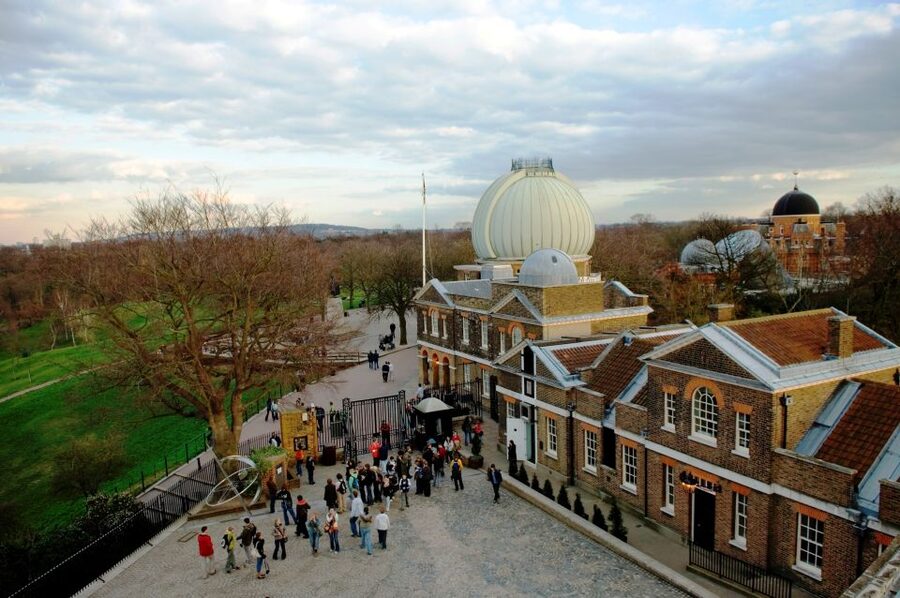
Greenwich gives you an unusual London double act: the Prime Meridian puts one foot in the eastern hemisphere and one in the western, while Cutty Sark lets you walk through a genuine 19th-century sailing ship. I like the mix of science, sea travel, and royal art, all set within an easy walk of one another. I also like the broad view over the Thames from the hilltop Observatory.
The main catch is time. Six hours sounds generous, but the Observatory can take several hours on its own, and the hill from Greenwich town is steeper than it looks. If you linger over the clocks, paintings, and maritime displays, you may need to choose between a thorough visit and seeing every site.
In This Review
- Key points at a glance
- Why Greenwich makes such a good London outing
- Starting at the Royal Observatory
- Flamsteed House and the Astronomers Royal
- The Great Equatorial Telescope beneath the onion dome
- Walking downhill to Cutty Sark
- Inside Cutty Sark’s sailors’ quarters
- Queen’s House and its Inigo Jones design
- The National Maritime Museum’s global stories
- Building a sensible six-hour plan
- Price, access, and who gets the best value
- Should you book the Royal Museums Greenwich Day Pass?
- FAQ
- What does the Royal Museums Greenwich Day Pass include?
- How long does the experience take?
- What time do the attractions close?
- Is an audio guide included?
- Where does the visit begin?
- Is the experience wheelchair accessible?
- Can I cancel the booking?
Key points at a glance
- Stand on the Prime Meridian: Take the classic photograph with one foot east and one west at Greenwich, the home of GMT.
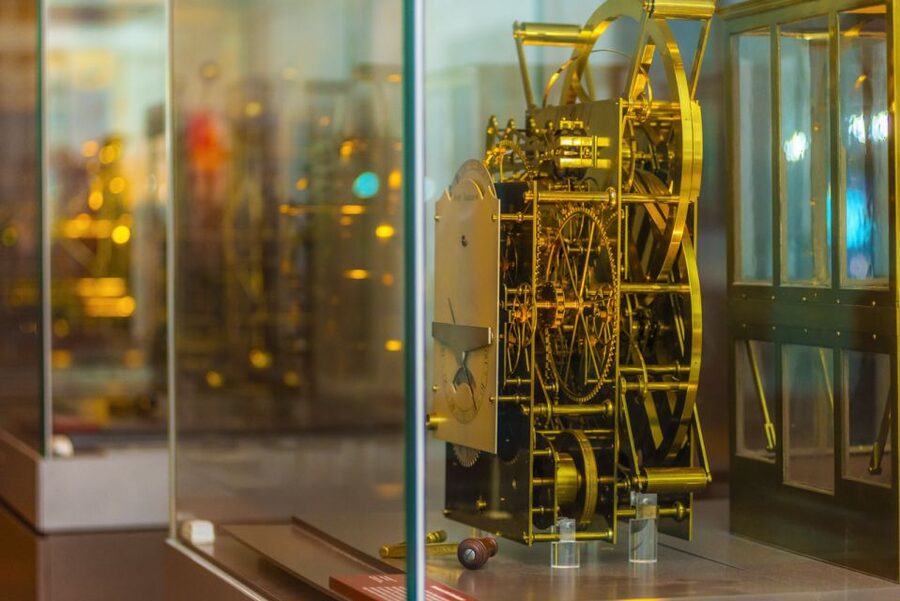
- See Harrison’s clocks: The Observatory explains how accurate marine timekeeping helped ships calculate their position at sea.
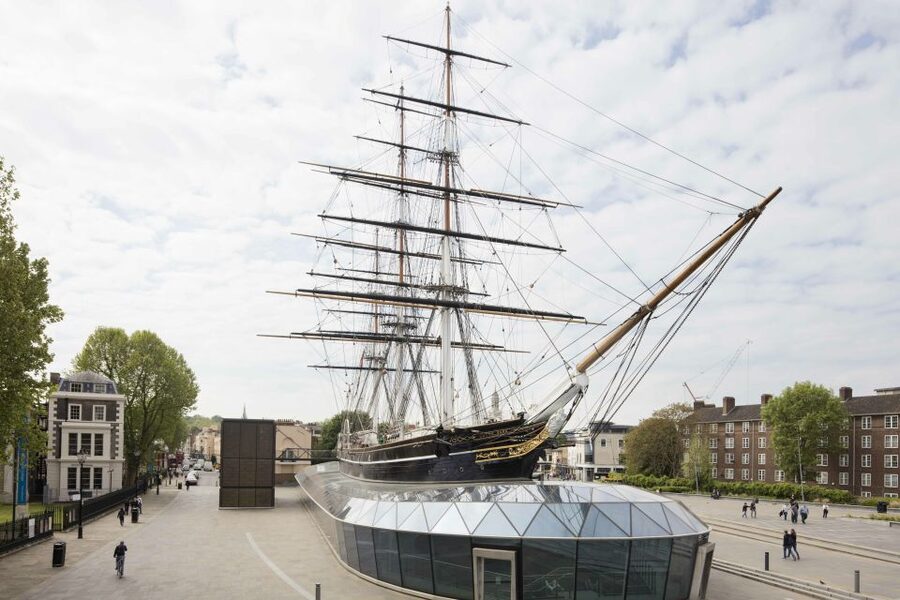
- Walk beneath Cutty Sark: The ship has been raised more than three metres, allowing you to see her hull and graceful lines from below.
- Climb Greenwich Park: The Observatory sits uphill, but the view toward the Thames and central London rewards the effort.
- Use the pass strategically: The paid admission covers the Royal Observatory and Cutty Sark, while the National Maritime Museum and Queen’s House are free apart from special exhibitions and guided tours.
- Allow a full day: The sites open from 10 AM to 5 PM, with last entry at 4 PM, so an early start matters.
Why Greenwich makes such a good London outing
Greenwich feels different from central London. The Royal Observatory sits above the town in Greenwich Royal Park, with open grass, long views, and a clear sense of space. From the top, you can look across the Thames toward the City of London, then walk downhill through the park toward the river and Cutty Sark.
That layout gives the day a natural rhythm. You begin with astronomy and timekeeping, move on to sailing and trade, then finish with royal architecture and maritime stories. You are not trapped in one large museum for six hours, although the sites contain enough material to keep you indoors for most of the day if the weather turns.
The pass costs about $40 per person. That price is mainly paying for the Royal Observatory and Cutty Sark. Admission to the National Maritime Museum and Queen’s House is free, except for special exhibitions and guided tours. So the pass offers good value if you intend to see both paid attractions, but it is less useful if you only want the free museums or plan to rush through Greenwich.
More Greenwich days out:
- London: Westminster to Greenwich River Thames Cruise
★ 4.5 · 22,836 reviews - Westminster to Greenwich Sightseeing Thames Cruise in London
★ 4.5 · 2,969 reviews - Royal Observatory Greenwich & Prime Meridian Entrance Ticket
★ 4.5 · 1,095 reviews
Starting at the Royal Observatory
Make your way to the Royal Observatory on Blackheath Avenue. You can arrive through Greenwich Royal Park, and the walk gives you some of the best views before you even reach the entrance. Be ready for an uphill walk from the town and river area. It is not a mountain trek, but several people find the climb more demanding than expected.
Your visit begins in the Meridian Courtyard. Here you can stand directly on the Prime Meridian Line, marked as longitude zero. Put one foot in the eastern hemisphere and one in the western hemisphere, then take the required photograph. It is a simple idea, but it works because the spot connects a painted line on the ground with the practical system used to map the world.
The Observatory is also the historic home of Greenwich Mean Time. That makes this more than a photo stop. You can see how a location in southeast London became the reference point for clocks and maps around the globe.
A downloadable interactive guide is available in English, Spanish, Chinese, French, German, Italian, Portuguese, and Korean. The guide helps explain the displays at your own pace. One practical warning: phone reception and Wi-Fi can be weak in parts of the site, so download what you need before settling in.
Flamsteed House and the Astronomers Royal

Flamsteed House is the oldest part of the Observatory visit. As you move through it, you follow the working spaces associated with the Astronomers Royal, the scientists responsible for improving astronomical observation and navigation.
The Octagon Room is the architectural highlight. Designed by Sir Christopher Wren, it is one of the best-preserved Wren interiors in London. Its proportions and timber details give the room a more intimate feel than the grand halls found elsewhere in the capital. This is a place to slow down rather than hurry toward the next display.
The Observatory’s story includes figures such as John Flamsteed, Isaac Newton, Edmond Halley, James Bradley, William Maunder, George Airy, and Albert Einstein. The displays connect their work with the practical problems of observing the sky, measuring time, and improving navigation.
John Harrison’s clocks are especially important. Before reliable marine clocks, determining a ship’s exact position at sea was difficult. Harrison’s inventions helped solve the problem of longitude by keeping accurate time during long voyages. You do not need a technical background to appreciate the displays, but you will get more from them if you take time to read how each clock addressed a real problem.
Outside Flamsteed House, look for the bright red Time Ball. First used in 1833, it is one of the world’s earliest public time signals and still operates today. The nearby Shepherd Gate Clock was the first clock to show Greenwich Mean Time publicly. These details make the Observatory feel less like a collection of old instruments and more like a working part of London’s daily life.
The Great Equatorial Telescope beneath the onion dome
The huge onion-shaped dome is one of Greenwich’s most recognizable sights. Inside is the Great Equatorial Telescope, which gave astronomers new views of the universe more than a century ago.
The telescope adds a strong visual finish to the Observatory visit. You see the size of the instrument, the unusual shape of the dome, and the mechanical work required to point a telescope at the sky. It also helps explain why the Observatory needed to be located on a hill, with a clear view over the surrounding area.
The Observatory is not designed as a hands-on children’s attraction at every turn. Younger children may enjoy the Meridian Line and the large telescope, but some displays rely on reading and listening. If your family needs constant activity, plan shorter stops and allow time outdoors in the park.
More London museums to visit:
- Tower of London and Crown Jewels Exhibition Ticket
★ 4.5 · 6,677 reviews - London: Chelsea Football Club Stadium and Museum Tour
★ 4.8 · 4,576 reviews - Chelsea FC Stadium Tours and Museum
★ 5.0 · 1,908 reviews - London Transport Museum Entrance Ticket
★ 4.5 · 1,323 reviews
Walking downhill to Cutty Sark
From the Observatory, head downhill toward King William Walk and Cutty Sark. The attractions are close enough to combine in one outing, but the change in elevation matters. Comfortable shoes will make the day easier, particularly if you also walk through the park and around the museums.
Cutty Sark is the world’s sole surviving tea clipper. Launched in 1869, she was built for the China tea trade and became known for fast passages around the globe. The ship’s original wooden planks and iron frames have been carefully conserved, so the visit combines a historic vessel with a modern museum presentation.
The ship was raised by more than three metres during a six-year conservation project. That gives you an unusual view: you can walk directly underneath the hull and study the shape that helped the vessel move quickly through the water. The underside is one of the most memorable parts of the visit because it shows the ship as an object of design, not simply as a deck with old equipment.
Inside Cutty Sark’s sailors’ quarters
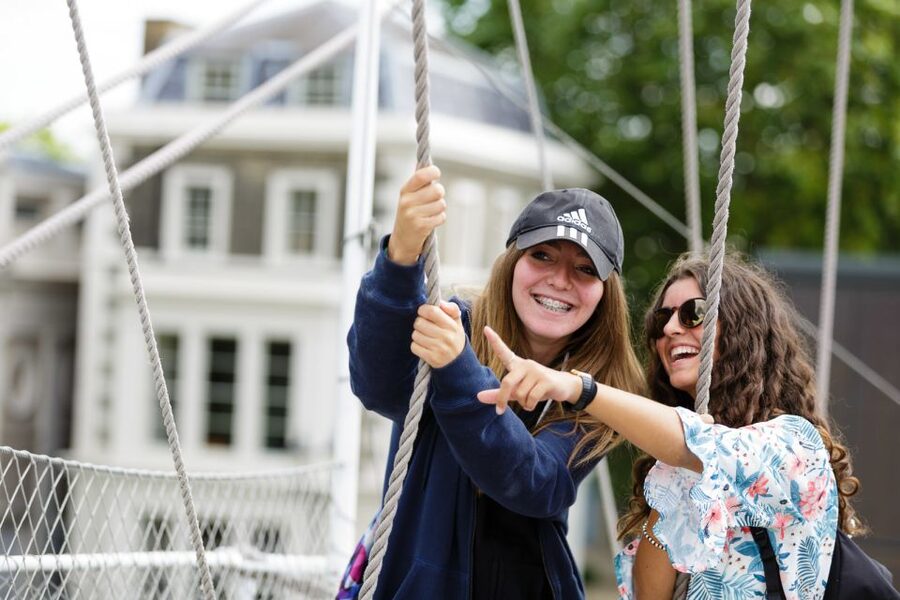
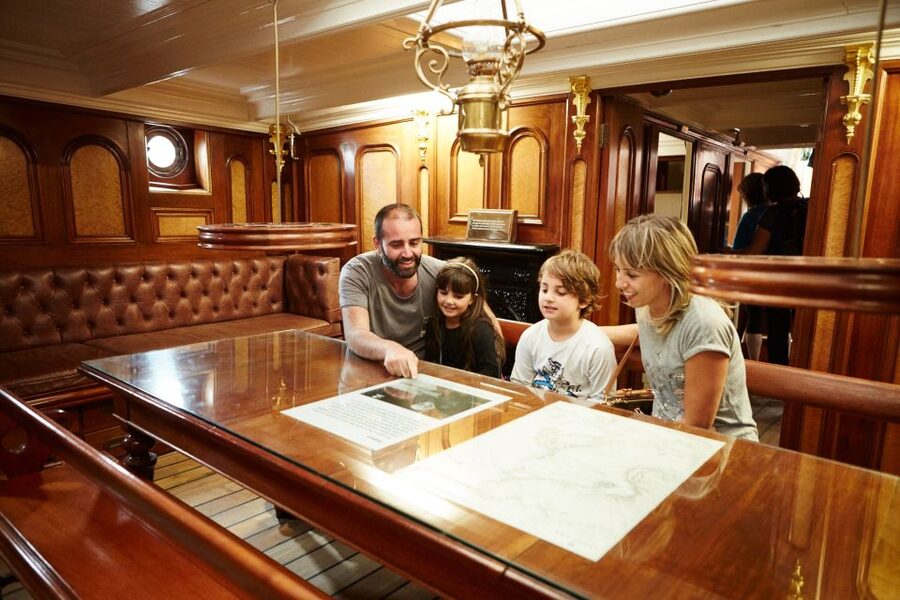
Your ticket allows you to explore Cutty Sark in full. Go below deck to see where sailors lived and worked, then climb back up to the main deck and take the helm at the ship’s wheel.
The main deck is the place to pause. The towering masts and roughly 11 miles of rigging give you a sense of the scale and labor involved in operating the vessel. From here, you also get fine views over the River Thames and the surrounding Greenwich area.
Cutty Sark tends to be the most instantly engaging part of the day. The ship has a clear physical story: narrow living quarters, working decks, ropes, sails, cargo, and long voyages. The museum displays add context, but you can understand much of the experience simply by moving through the vessel.
Allow less time here than at the Observatory if your schedule is tight. One useful plan is to visit Cutty Sark first, then walk uphill to the Observatory, especially if seeing the ship is a priority. It is possible to spend several hours at the Observatory and arrive at Cutty Sark too late for admission.
Queen’s House and its Inigo Jones design

Queen’s House sits near the National Maritime Museum and offers a change of pace. Designed by Inigo Jones, it is a pioneering piece of 17th-century architecture and one of Greenwich’s most elegant buildings.
The house is an art gallery as well as a royal villa. You can see paintings, decorative details, and architectural features in a setting that feels more refined than the ship and Observatory. The famous Tulip Stairs are a major visual feature of the building, although the available displays can vary.
Queen’s House is free to enter, apart from special exhibitions and guided tours. That makes it a good addition even if you do not want to spend much more money after buying the pass. It is also a useful place to take a quieter break from the larger museums.
Do not make the mistake of treating it as a quick corridor between Cutty Sark and the National Maritime Museum. If you like art and architecture, it can easily absorb an hour or more. If those subjects are not your priority, keep your visit brief and protect time for the Observatory or ship.
The National Maritime Museum’s global stories
The National Maritime Museum is the largest museum of its type in the world. Its displays cover exploration, navigation, trade, conflict, science, and the people whose work connected Britain with distant parts of the world.
The museum gives you the wider setting for Cutty Sark. The ship tells one focused story about a fast sailing vessel and the tea trade. The National Maritime Museum places that story beside larger themes about empire, seafaring, naval power, and global movement.
You can enter without paying for standard admission, but special exhibitions and guided tours cost extra. Because the museum is large, do not expect to see everything in one short visit. Choose sections that match your interests, then return to the main route rather than trying to read every label.
Families may find more to hold their attention here than at the Observatory because the subject changes from room to room. Still, some areas are display-led rather than fully hands-on, so the same time warning applies if you are visiting with young children.
Building a sensible six-hour plan
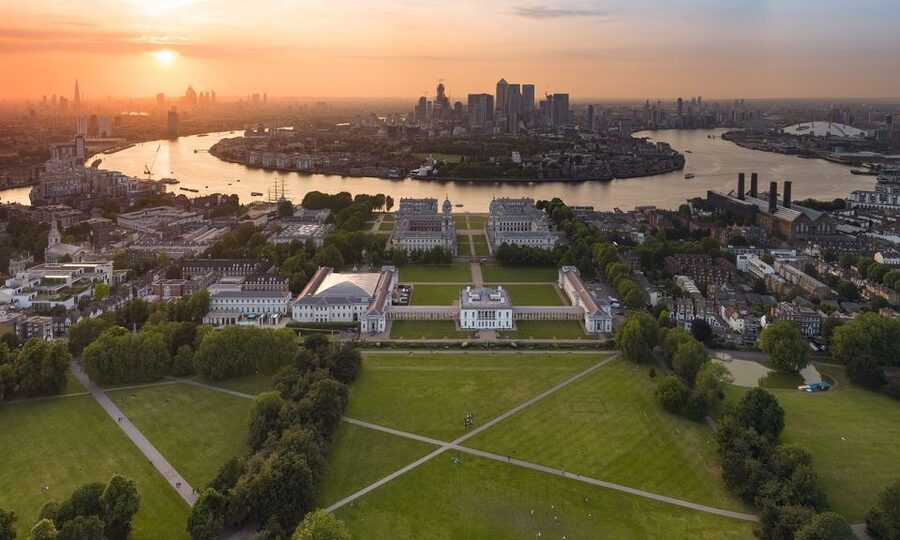
The sites open at 10 AM and close at 5 PM, with last entry at 4 PM. The six-hour duration gives you enough time for a strong visit, but not enough for a slow reading of every display in all four sites.
A practical order is:
- Start at Cutty Sark when it opens.
- Walk through Greenwich toward Queen’s House and the National Maritime Museum.
- Go uphill to the Royal Observatory in the middle or later part of the day.
- Leave time for the Prime Meridian, Flamsteed House, the clocks, the Time Ball, and the telescope.
This order protects your ship visit and places the climb later, when you can take it at your own speed. The alternative is to begin at the Observatory, which gives you the best light and energy for the uphill walk, but risks leaving too little time for Cutty Sark.
If the Observatory is your main goal, start there. If Cutty Sark is the attraction you would most regret missing, go to the ship first. You cannot use the pass as a reason to ignore the clock, since all sites close at 5 PM.
Greenwich has shops, cafés, and restaurants near the attractions, but food and drink are not included. A quick café stop can help, especially if you plan to stay for most of the day. The Royal Observatory also has a café mentioned as a convenient place for a short break.
Price, access, and who gets the best value
At $40 per person, the pass makes sense for anyone who wants both the Royal Observatory and Cutty Sark. You also gain a convenient way to organize the day without planning separate paid admissions.
The value drops if you only want to stand on the Meridian Line, glance at the Observatory, or visit the free museums. In that case, you may prefer to pay only for the specific attraction that matters most. The free National Maritime Museum and Queen’s House can already fill much of a day for visitors with strong interests in ships, art, or royal architecture.
The experience is wheelchair accessible. The hill, outdoor paths, and distance between sites still matter when planning your pace, but the attraction itself provides accessible entry.
Free cancellation is available up to 24 hours in advance, and you can reserve now and pay later. Those terms are useful if London weather or your wider schedule remains uncertain.
Should you book the Royal Museums Greenwich Day Pass?
Book it if you want a full Greenwich day built around two major paid sights. The strongest combination is the Royal Observatory and Cutty Sark, with the National Maritime Museum and Queen’s House added at no extra standard admission cost.
I would choose this pass for adults interested in science, navigation, ships, or London architecture, and for families who enjoy moving between different kinds of attractions. I would be more cautious if you dislike hills, prefer a tightly guided tour, or want a mostly hands-on experience for small children.
The best advice is simple: start early, decide which paid attraction matters most, and do not underestimate the time needed at the Observatory. Plan well and Greenwich gives you one of London’s most satisfying mixtures of ideas, objects, views, and old-fashioned adventure.
FAQ
What does the Royal Museums Greenwich Day Pass include?
It includes entrance to the Royal Observatory and Cutty Sark, plus access to the National Maritime Museum and Queen’s House. Special exhibitions and guided tours at the National Maritime Museum and Queen’s House are not included.
How long does the experience take?
The stated duration is six hours. Since all four sites open at 10 AM and close at 5 PM, you can spend most of the day in Greenwich if you want to see the major displays.
What time do the attractions close?
All sites close at 5 PM, and the last entry is at 4 PM.
Is an audio guide included?
Yes. A downloadable multilingual interactive guide is available in English, Spanish, Chinese, French, German, Italian, Portuguese, and Korean.
Where does the visit begin?
The Royal Observatory is at Blackheath Avenue, London, SE10 8XJ. Cutty Sark is at King William Walk, London, SE10 9HT.
Is the experience wheelchair accessible?
Yes, the activity is listed as wheelchair accessible.
Can I cancel the booking?
Yes. You can cancel up to 24 hours in advance for a full refund. You can also reserve now and pay later.
Latest arrivals on the London list
- Heathrow Airport to London Arrival Transfer★ 4.5 · 50 reviews
- London Beatles Tour★ 5.0 · 50 reviews
- One Way Taxi Transfer from London to Gatwick Airport★ 5.0 · 51 reviews
- London: Hidden Baker Street Tube Station Tour★ 4.7 · 51 reviews
- City & Secrets: Explore London’s Hidden Gems★ 5.0 · 51 reviews
- London Christmas Lights Open-Top Bus Tour. 2025 Early Bird★ 3.6 · 51 reviews
- 4 hour London Private Tour, with your own Black Cab Tour Guide★ 5.0 · 51 reviews
- The Beatles Magical History Black Taxi Tour London★ 5.0 · 51 reviews
Greenwich Tours, compared.
Westminster to Greenwich River Thames Cruise
Read our review →
Westminster to Greenwich Sightseeing Thames Cruise in London
Read our review →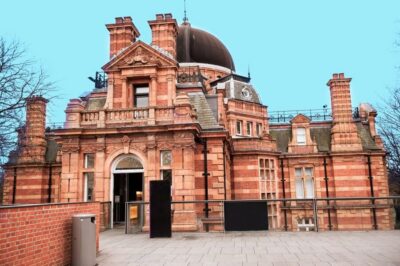
Royal Observatory Greenwich & Prime Meridian Entrance Ticket
Read our review →
Leeds Castle, Canterbury, Dover & Greenwich Boat ride
Read our review →
Leeds Castle, Canterbury, Dover & Greenwich Cruise from London
Read our review →
Royal Observatory Greenwich & Prime Meridian Entry Ticket London
Read our review →
Leeds Castle, Canterbury, Dover, Greenwich & Free Snack Pack
Read our review →
Browse the lists this tour appears in