
Reviewed · TATE MODERN & ART TOURS
See Tate Modern with an Art Historian in London
Tate Modern can leave you fascinated, puzzled, or both. This two-hour visit turns that uncertainty into the starting point, with an art historian guiding you through selected works and asking you to look closely before offering context. I like the interactive approach, and I like that the short visit leaves you time to explore alone afterward.
The group is limited to 10 people, which gives you room to ask questions. Guides such as Julia and Rosa bring art training and strong storytelling to the visit. The main drawback is price: at $137.12 per person, this is a serious spend for two hours, especially since paid temporary exhibitions are not included.
In This Review
- Key points at a glance
- Why Tate Modern works better with a guide
- The two-hour route through Tate Modern
- A personal way to discuss difficult art
- What you may see and discuss
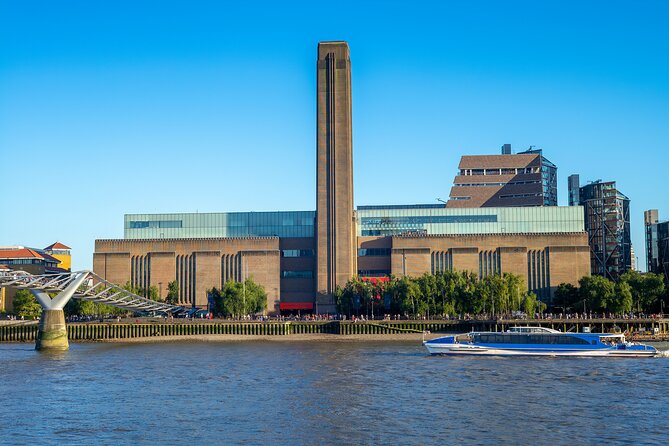
- The building is part of the experience
- Small group size and pace
- Is $137.12 good value?
- Who should book this Tate Modern experience?
- Timing, cancellations, and one practical caution
- My verdict on the guide-led visit
- FAQ
- How long does the Tate Modern art historian tour last?
- What is included in the price?
- Are temporary exhibitions included?
- How many people can join the tour?
- Do I need prior knowledge of art?
- Is the tour suitable for children?
- Can I cancel for a full refund?
Key points at a glance
- You learn how to look at modern art, not just facts about individual artists.
- Julia and Rosa are among the guides named in the experience, though a particular guide is not guaranteed.
- The small group, capped at 10 people, allows questions and conversation.
- The two-hour route covers major ideas and selected works, rather than every gallery.
- Entry to Tate Modern and luggage storage are included, but paid temporary shows are extra.
- Free cancellation is available up to 24 hours before the start time, subject to the stated conditions.
Why Tate Modern works better with a guide
Tate Modern is a large museum with an enormous range of modern and contemporary art. You can walk through it alone, of course, but the sheer variety can make it hard to know where to pause, what to compare, or how to approach a work that seems baffling.
This experience gives you a method. Instead of rushing from famous painting to famous painting, you are encouraged to begin with your own eyes. What do you notice? What feels strange? Where does your attention go first? Only after that does the guide add the artist’s background, the period, and the wider cultural setting.
I like this order. It keeps the visit from becoming a lecture in front of a painting. You are not expected to memorize names or dates. You are asked to form a response, then test it against other ways of seeing the work.
That matters most with abstract and contemporary art. You do not need a degree in art or a list of museum visits behind you. The experience is designed for first-time museum visitors as well as people who already enjoy art.
More Tate and gallery visits:
- London: Tate Modern Official Guided Tour
★ 4.6 · 154 reviews - The Tate Modern London – Exclusive Guided Museum Tour
★ 5.0 · 41 reviews - Tate Modern Museum London Guided Tour Semi-Private 8ppl Max
★ 5.0 · 41 reviews
The two-hour route through Tate Modern
The visit begins and ends at Tate Modern in London SE1. The exact selection of rooms and works can vary, but the stated focus is the museum’s collection of modern and contemporary art, including major pieces and less familiar works.
The guide uses individual artworks to open larger questions. How did abstract art develop? What happened to sculpture during the 20th century? Is photography art? Does the gender of an artist affect the way we read the work? Who gets to decide what belongs in a museum, and can art affect society?
These are useful questions because they give shape to a huge collection. You are not simply being led from one object to the next. You are considering how art is made, displayed, judged, and tied to politics and culture.
The guide may also ask if you have to like a work in order to understand it. That is a helpful distinction. A painting can annoy you and still teach you something. A sculpture can leave you cold while revealing a great deal about the period in which it was created.
The route is therefore less about checking off masterpieces and more about building confidence. You leave with a better sense of how to approach the next gallery on your own.
A personal way to discuss difficult art
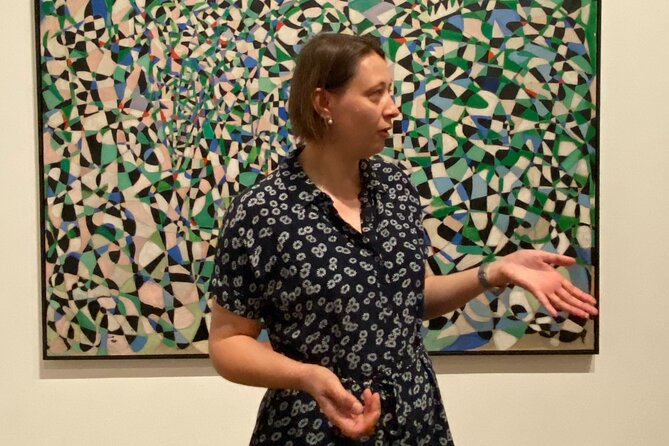
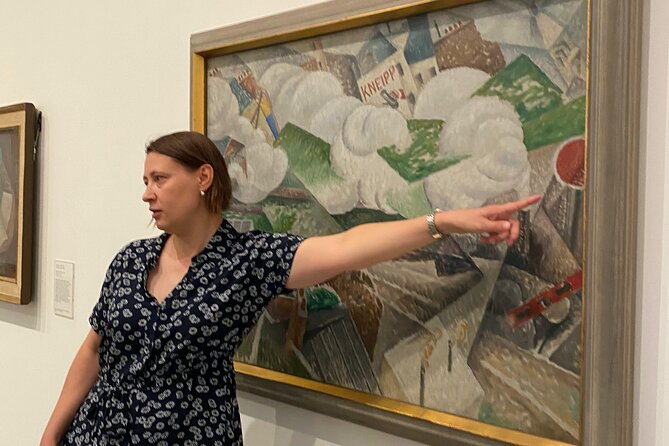
The strongest part of the experience is the conversation around each selected work. The guide asks for your first impression, welcomes different interpretations, and then explains the artist’s intentions and setting.
This approach appeared again and again in the most positive feedback about the experience. Julia was praised for making the tour interactive, asking questions before explaining the work. That detail is important. It means you are not treated as a passive listener.
Julia is also described as energetic, witty, and able to adjust the visit to the interests of the group. Another guide, Rosa, is identified as an art historian with previous experience at the National Gallery. If a particular guide matters to you, check availability before booking, since the advertised experience does not guarantee a named guide.
The tone seems especially useful for people who normally say they do not like museums. You are allowed to be uncertain. You can say that you dislike something. You can ask a basic question without feeling out of place.
For families, this makes a difference. An 11-year-old and a 10-year-old were both described as being drawn into the discussion. That does not mean every child will enjoy two hours of art, but the question-led format gives younger visitors something to do besides follow an adult through the galleries.
What you may see and discuss
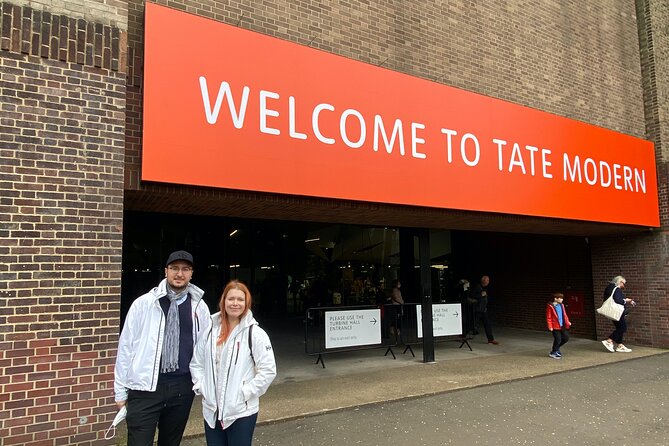
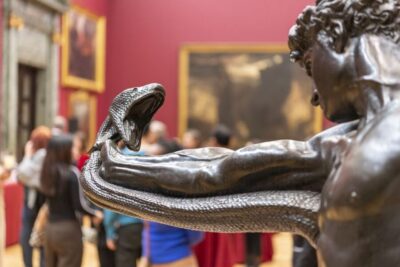
The experience highlights key works from Tate Modern’s collection, but it does not promise a fixed list of artworks. That is sensible in a working museum, where displays can change and different guides may choose different examples.
The topics listed for the visit suggest a broad sweep through modern and contemporary art. You may discuss the rise of abstraction, changes in sculpture, photography, political activism, and the relationship between art and society.
One work singled out in the feedback is Juan Gris’s Bottle of Rum and Newspaper. That points to the kind of detail that can make the visit rewarding. A guide may help you notice how an artist builds an image from objects, surfaces, and fragments, then connect that work to wider changes in painting.
Political art is another stated focus. The guide may explain how an artist’s beliefs and the events of the time shaped the work. This is where an art historian adds real value. You are not only asking what a picture looks like. You are also asking why it was made, what it challenged, and how its first audience might have seen it.
The visit can include recent works as well as older modern pieces. That range helps you see that modern art is not one neat style. It is an ongoing argument about materials, ideas, identity, power, and the role of the museum.
Something completely different for your London days:
- London: The London Eye Entry Ticket
★ 4.6 · 35,875 reviews - From London: Harry Potter Warner Bros Studio Tour
★ 4.7 · 26,588 reviews - London: Westminster to Greenwich River Thames Cruise
★ 4.5 · 22,836 reviews - Magical London: Harry Potter Guided Walking Tour
★ 4.7 · 22,044 reviews
The building is part of the experience
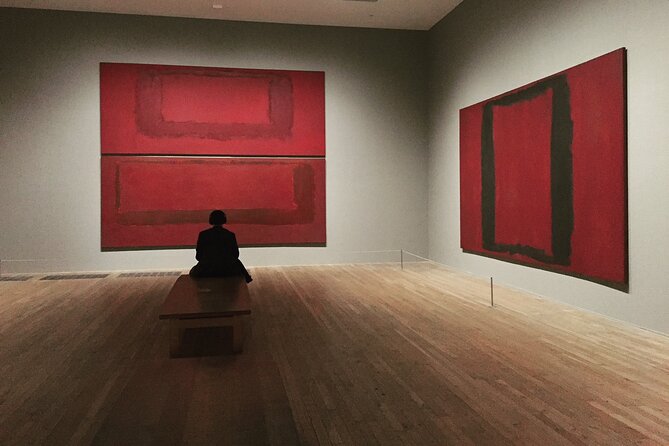
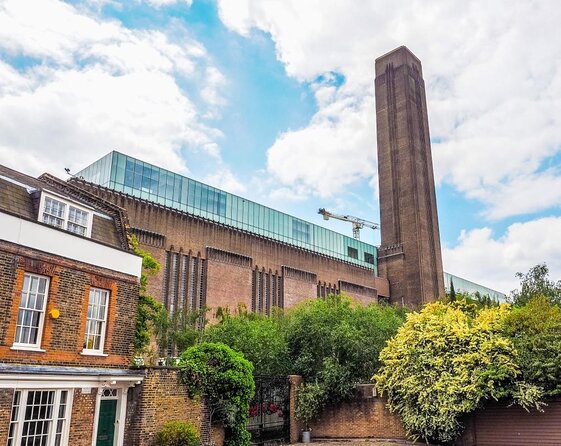
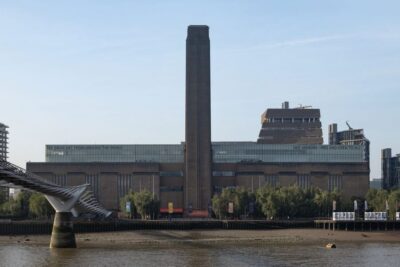
Tate Modern is not only a collection of artworks. The building itself is one of the tour’s highlights. The guide can draw attention to the structure as you move through the museum, helping you see how the space affects the way art is presented.
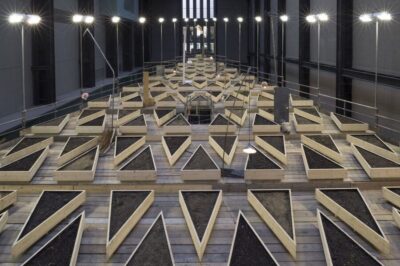
That is worth noting when you compare this experience with a standard museum walk. You are not just studying framed images. You are also considering scale, empty space, sculpture, rooms, and the way a large industrial setting changes your response to a work.
The information provided does not promise a full architectural tour, so you should not book this expecting a detailed study of every part of the building. Still, the structure is included among the highlights, and it adds another layer to the visit.
Small group size and pace
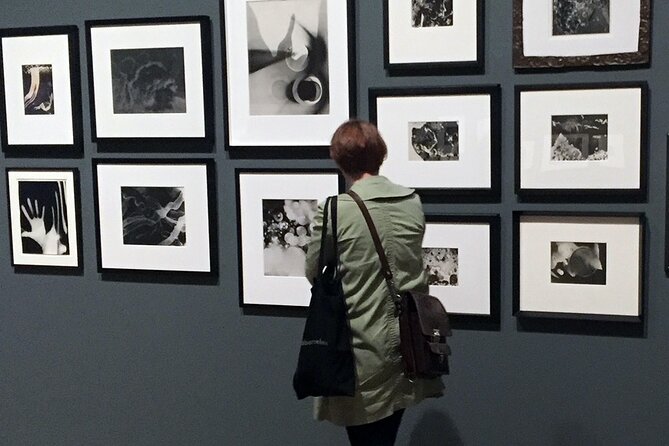
The maximum group size is 10 people. That is small enough for a real exchange, but it is not necessarily a private tour. The difference matters: you can expect a more personal setting than a large crowd, yet you may still share the guide’s attention with other people.
A small group is particularly useful at Tate Modern because you may want to ask why a work matters, how a technique functions, or what a particular symbol means. The guide can respond to the questions that come up rather than sticking only to a prepared speech.
The tour lasts about two hours. I see this as a good length for modern art. It is long enough to build a clear thread through the collection without turning the visit into an endurance test.
You will not see the whole museum in two hours. Tate Modern is too large for that. Think of this as an informed introduction, followed by time for you to return to works that caught your attention.
The short length also works well in a London itinerary. You can pair it with time around the South Bank, or continue your museum visit independently once the guided portion ends.
Is $137.12 good value?
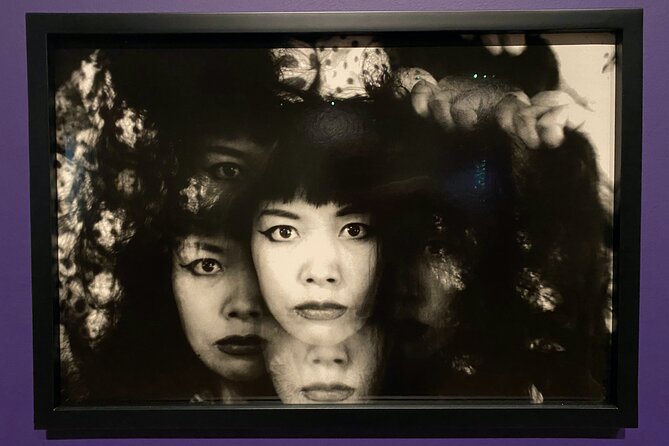
At $137.12 per person, the tour costs much more than simply entering Tate Modern’s main collection, which is free. That comparison should be part of your decision.
You are paying for the guide’s time, art training, route planning, interpretation, and conversation. You are also paying to avoid wandering through a large collection without knowing where to focus. If you already have a strong background in modern art and enjoy reading labels at your own pace, you may not need this service.
For a first visit, however, the value is easier to see. The guide can help you make sense of difficult works, connect artists to political and cultural events, and point out pieces you might otherwise pass without noticing.
The included photograph or two in front of chosen artworks is a pleasant extra, but it should not drive your decision. Free luggage storage is more practical, especially if you are carrying bags before a train or hotel check-in.
Paid temporary exhibitions are not included. One experience involved a temporary show with a separate £20 entry cost per person, so ask clearly what is included on your date. The main collection entry is free, but special exhibitions can add to your total.
Who should book this Tate Modern experience?
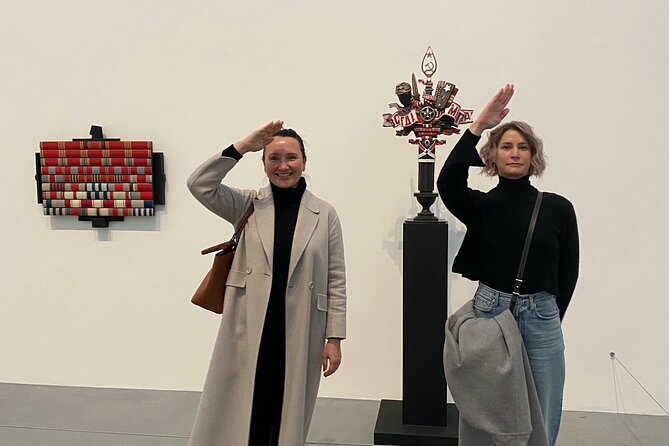
I would consider this tour a good fit for:
- First-time visitors who want a clear introduction to modern art
- Couples who prefer discussion to a silent museum visit
- Solo visitors who want company and a chance to ask questions
- Families with older children who can handle a two-hour conversation
- People interested in political art, abstraction, sculpture, photography, and artists’ social context
- Museum fans who want a focused route through a very large collection
It may be less suitable if you want to move quickly, see every room, or spend the whole visit with one artist. It is also not the right choice if you only want a temporary exhibition, since those paid shows are separate.
The experience is offered in English. Most people can participate, and service animals are allowed. The meeting point is Tate Modern, near public transportation, but the supplied details do not specify a particular entrance or room. Read your confirmation carefully for the exact meeting instructions.
Timing, cancellations, and one practical caution
The experience is usually booked about 25 days ahead, so I would not leave it until the last moment if your London dates are fixed. Confirmation is provided when you book.
Cancellation is free up to 24 hours before the start time for a full refund. Changes or cancellations inside 24 hours are not accepted and are not refunded under the stated policy.
The activity also requires a minimum number of participants and may be canceled if that minimum is not reached. Poor weather is listed as another possible reason for cancellation, even though the meeting point is an indoor museum. In either case, you are offered another date or experience, or a full refund.
There has been at least one reported guide cancellation, followed by a prompt refund. That appears to be unusual rather than typical, but it is a reminder to keep your booking confirmation and allow some flexibility in a tightly packed itinerary.
My verdict on the guide-led visit
I like the idea of being taught how to look instead of being handed a string of art facts. The strongest qualities here are the question-led format, the small group limit, and the chance to connect individual works with politics, culture, and the changing meaning of art.
The price is the sticking point. Tate Modern’s main collection is free, so you should book only if expert guidance will make the museum more rewarding for you. If modern art often leaves you cold or confused, this could be the difference between a quick walk-through and a lasting understanding.
Ask for Julia if she is available, since she is repeatedly identified as an engaging and well-prepared guide. Rosa is another named art historian with National Gallery experience. Still, guide assignments can vary.
Book this tour if you want context, conversation, and a focused start at Tate Modern. Skip it if you are happy exploring alone and would rather spend the $137.12 on a paid exhibition, a meal, or another London activity.
FAQ
How long does the Tate Modern art historian tour last?
The guided experience lasts approximately two hours. It ends back at the Tate Modern meeting point, leaving you free to continue exploring independently.
What is included in the price?
The price includes free entry to Tate Modern’s main collection, the art historian’s expertise, a selection of collection highlights, a fun and informative guided visit, one or two photographs in front of chosen artworks, and free luggage storage.
Are temporary exhibitions included?
No. Paid temporary exhibitions are not included in the tour price. You may need to buy a separate ticket for those shows.
How many people can join the tour?
The activity has a maximum of 10 travelers. This creates a small group setting, but the experience is not necessarily private.
Do I need prior knowledge of art?
No. The experience is open to people with no prior art knowledge. The guide encourages you to use your own observations and instincts before discussing historical and cultural context.
Is the tour suitable for children?
Yes. The experience is described as suitable for families, and children around 10 and 11 have taken part successfully. The question-led format can help younger visitors engage with the works.
Can I cancel for a full refund?
Yes, if you cancel at least 24 hours before the experience starts. Cancellations or changes made less than 24 hours in advance are not refunded. If the activity is canceled because of poor weather or because the minimum number of participants is not met, you are offered another date or experience, or a full refund.
Latest arrivals on the London list
- Easy Access Tower of London Royal Secrets & Scandals Tour★ 5.0 · 3 reviews
- Stonehenge Special Access Guided Morning Tour from London★ 4.5 · 3 reviews
- Madame Tussauds London Fast Track and Champagne Experience★ 3.5 · 3 reviews
- Shoreditch & East London Walking Tour with a Local, Custom & Private★ 5.0 · 3 reviews
- London Private Brixton Tour with a Local – Culture & Stories★ 4.9 · 3 reviews
- Private Full Day Tour – Fast Track Tower of London and Lunch★ 4.6 · 3 reviews
- Private transfer from London Heathrow Airport to Southampton★ 5.0 · 3 reviews
- London Soho District – Guided Walking Tour 12 guests 2,5h★ 4.8 · 3 reviews
Tate Modern & Art Tours, compared.
The Tate Modern London – Exclusive Guided Museum Tour
Read our review →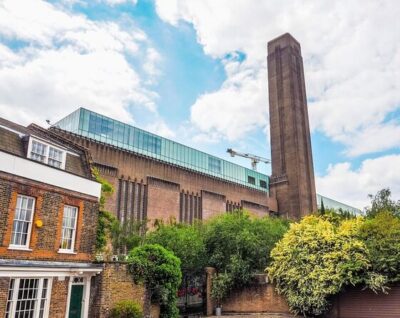
Tate Modern Museum London Guided Tour Semi-Private 8ppl Max
Read our review →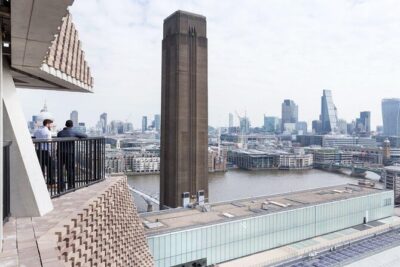
London Tate Modern Guided Small-Group Tour with Max 6 People
Read our review →
London Tate Modern Museum – Guided Tour 8 guests 2,5h
Read our review →Browse the lists this tour appears in