
Reviewed · TATE MODERN & ART TOURS
Tate Britain London Private Guided Tour – 3 hour
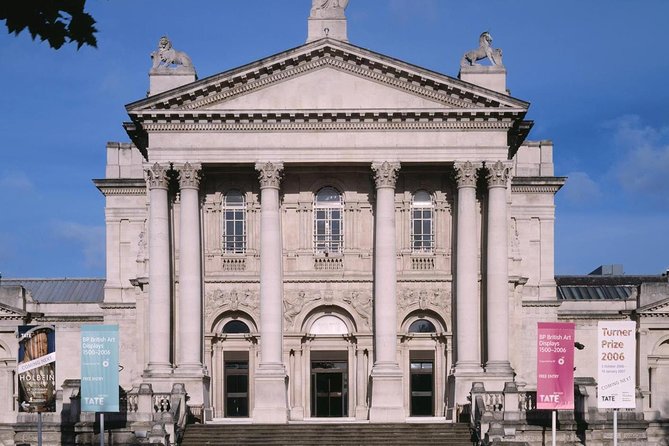
Tate Britain holds five centuries of British art, and this private tour gives you a guide who can turn a large collection into a clear, personal visit. The strongest feature is the chance to shape the route around your interests, from Turner and Blake to Hockney and Henry Moore.
I like the one-group format, which lets you ask questions without waiting for strangers. I also like the guide’s story-based approach, especially with Robert, whose energy and art knowledge earned repeated top marks. The main consideration is that temporary exhibitions cost extra, and the group-size information should be confirmed because the details mention both five and six travelers.
In This Review
- Key points to know
- Why three hours works well at Tate Britain
- A personal route through five centuries of British art
- The artists that make the visit worthwhile
- Turner, Constable, and the British tradition
- William Blake and the Pre-Raphaelites
- Moore, Bacon, Freud, and Hockney
- Why the private format changes the museum visit
- The $267.37 group price and what it buys you
- Meeting at Millbank and planning your museum time
- Who will get the most from this Tate Britain tour
- Booking, cancellation, and practical checks
- Should you book the three-hour Tate Britain tour?
- FAQ
- How long is the Tate Britain private tour?
- Where does the tour begin?
- Where does the tour end?
- Is admission to Tate Britain included?
- Is this a private activity?
- How far in advance can I cancel for a full refund?
Key points to know
- Three hours inside Tate Britain: Enough time for major works without trying to see every room.
- A private English-speaking guide: Your group gets the guide’s full attention and can ask questions freely.
- A flexible art route: You can request attention on artists such as Turner, Blake, Hockney, Moore, Bacon, or the Pre-Raphaelites.
- Robert is the named guide in the strongest feedback: His lively explanations and art-history background are a major reason to consider this tour.
- Permanent collection admission is included: Temporary exhibitions are not part of the experience.
- Flat group pricing: The listed price is $267.37 per group, though the published group limit should be clarified before booking.
Why three hours works well at Tate Britain
Tate Britain is not a quick photo stop. Its collection covers British art from the last 500 years through contemporary work, so a first visit can easily become a march from room to room with only a vague sense of what you have seen.
Three hours gives your guide time to create a path with some shape. You might begin with major British painters, move into Turner’s dramatic work, pause over William Blake’s unusual blend of image and poetry, then shift toward modern sculpture or postwar painting. The exact route depends on your interests and what is on display in the permanent collection.
I like this length because it avoids two common museum problems. A one-hour tour can feel rushed, while an all-day museum visit can leave you tired and unable to look closely. Three hours is long enough for context, questions, and a few quiet moments with important works.
You should not expect to see everything. Tate Britain’s collection is too broad for that, and a good guide will choose rather than simply point at every famous name. If your goal is to cover the entire museum, this tour may leave you wanting more. If your goal is to understand a selection of works, the timing makes much more sense.
More Tate and gallery visits:
- London: Tate Modern Official Guided Tour
★ 4.6 · 154 reviews - The Tate Modern London – Exclusive Guided Museum Tour
★ 5.0 · 41 reviews - Tate Modern Museum London Guided Tour Semi-Private 8ppl Max
★ 5.0 · 41 reviews
A personal route through five centuries of British art
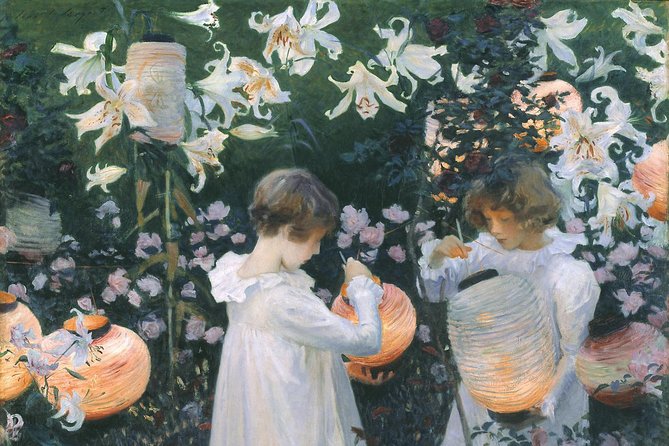
The tour covers an unusually wide range of artists. The collection includes Van Dyck, Rubens, Hogarth, Canaletto, Constable, Reynolds, Gainsborough, Millais, John Singer Sargent, Lucian Freud, Francis Bacon, David Hockney, and Henry Moore, among many others.
That range matters because British art is not one neat style. You can move from royal portraiture and grand historical painting to landscape, poetry, sculpture, modern portraiture, and contemporary work. Without help, those changes can feel disconnected. A guide can explain what changed, why it changed, and how one artist’s choices relate to another’s.
The custom itinerary is especially useful if you already have a short list. Ask to spend more time with Turner if atmospheric paintings interest you. Request William Blake if you prefer artists who cross the boundaries between visual art, writing, religion, and imagination. Choose Henry Moore for sculpture, or David Hockney and Francis Bacon for more modern British work.
If your group includes people with different tastes, the private setup helps. One person can ask about technique, another about politics or social history, and another about what makes a work famous. You are not tied to the pace or interests of a larger group.
The tour also promises interesting and amusing stories alongside formal art discussion. That detail is important. A long string of dates, movements, and artist names can make even a great collection feel like homework. Stories give you handles to remember what you saw after you leave.
The artists that make the visit worthwhile
Turner, Constable, and the British tradition
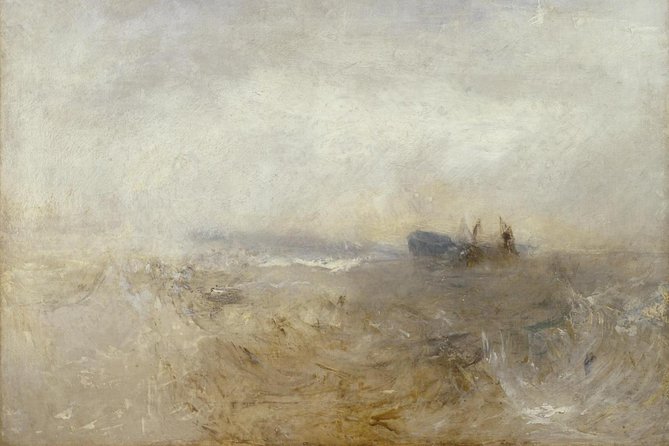
J. M. W. Turner is one of the central reasons many people visit Tate Britain. His work offers plenty to discuss: light, atmosphere, movement, and the boundary between recognizable subjects and near-abstraction.
John Constable provides a useful contrast. Looking at the two artists together can help you understand different approaches to the British countryside and to painting outdoors. A guide can point out what your eye should notice rather than leaving you with the simple label of famous landscape painter.
The collection also includes Canaletto, Rubens, Van Dyck, Reynolds, and Gainsborough. These names give the tour a broad base in portraiture, court painting, grand style, and European influence on British art.
A few more London days worth a look
- Westminster 3 Hour Walking Tour and Visit of Churchill War Rooms
★ 5.0 · 967 reviews - Highlights of Royal London Bike Tour (3 Hours)
★ 4.8 · 140 reviews - London: 3-Hour Secret Indian Food Tour
★ 4.8 · 91 reviews - London: 3-Hour Sunset Bike Tour
★ 4.7 · 77 reviews
William Blake and the Pre-Raphaelites
William Blake is a particularly good choice if you want something less conventional. His work combines poetry, symbolism, and image-making, and his ideas do not fit comfortably into a simple art-history timeline.
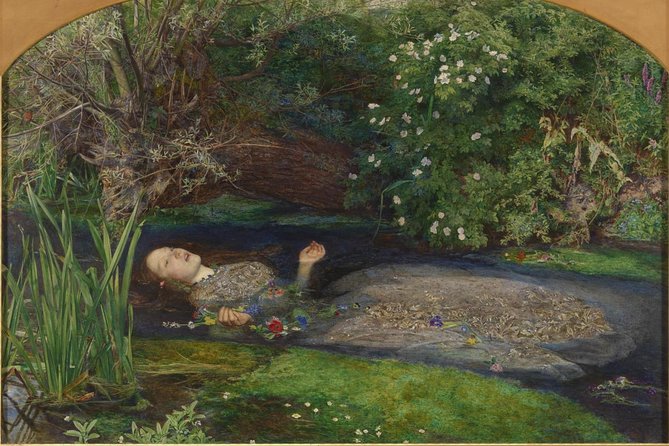
The Pre-Raphaelites, including Millais, offer another distinctive chapter. Their detailed surfaces, literary subjects, and interest in medieval themes make them easy to discuss with a guide. You may find these rooms especially rewarding if you enjoy paintings that invite questions about stories and symbolism.
Moore, Bacon, Freud, and Hockney
The later collection changes the mood. Henry Moore’s sculpture raises questions about the human body, mass, space, and scale. Francis Bacon brings a more unsettling view of the figure, while Lucian Freud is known for intense attention to the people he painted.
David Hockney gives the tour a more contemporary voice. His work can help show how British art continued to change in subject, color, and method. A private guide can link these modern works back to earlier traditions instead of treating them as a completely separate museum.
You do not need a degree in art to benefit from this range. The point is not to memorize every movement. It is to leave with a few useful ways to look: notice the surface, ask how the artist controls your attention, consider the intended audience, and think about what the work says about its time.
Why the private format changes the museum visit
A private tour is most valuable when you use it actively. You can stop the guide, ask for a simpler explanation, return to a work, or say that a particular painting does nothing for you. In a large group, those small interruptions can be awkward. Here, they are part of the service.
The tour is for your group only, with an English-speaking guide. That makes it a sensible choice for families, couples, or friends who want different levels of explanation. You can ask for more detail when you are interested and move on when you are not.
The strongest feedback names Robert specifically. The repeated praise focuses on his command of the collection, his interpretation of art, and his ability to keep three hours moving quickly. One family compared his art guidance favorably with private tours they had taken in Paris, Amsterdam, and Germany. Another described him as an entertaining art historian who tied the galleries together into a memorable visit.
That does not guarantee that every departure will feel identical, so I would treat Robert’s availability as something to confirm rather than assume. Still, his name is useful when you book or communicate with the provider, ArtGuides.
The rating is 5 out of 5 from seven ratings, with the clearest pattern being the guide’s skill rather than the building alone. That distinction matters. You are paying for interpretation and personal attention, not simply access to works you could view independently.
The $267.37 group price and what it buys you
The listed price is $267.37 per group. If six people are accepted, that works out to about $44.56 per person. With five people, it is about $53.47 each. For a private three-hour art tour in London, that can be fair value if everyone in your group wants serious guidance.
The published details are inconsistent about the maximum size. The tour summary says up to six people, while the inclusion details say the flat rate covers up to five. Confirm the exact limit before you pay, especially if your group has six members.
The value is strongest when you divide the cost among several people. A solo visitor or couple will pay more per person, but may still prefer this format if they want a tailored route and the freedom to ask many questions. If your interest in art is casual and you mainly want to see the building, independent admission may be the better use of money.
Permanent collection admission is included. Temporary exhibitions are not, so check the museum program separately if a special show is a main reason for your visit. Do not assume the private tour gives you access to every exhibition in the building.
Meeting at Millbank and planning your museum time
The meeting point is Tate Britain, Millbank, London SW1P 4RG. The tour ends back at the meeting point, which keeps the arrangement simple and makes it easy to continue exploring the area afterward.
The museum is near public transportation, and most people can participate. Service animals are allowed. Your confirmation arrives at booking, so keep the start time handy and allow enough time to reach Tate Britain without rushing.
Because the activity lasts about three hours, plan your day around it rather than squeezing it between several distant London attractions. A calm arrival will help you begin with attention instead of spending the first part of the tour finding your bearings.
You should also think about your group’s energy. Three hours is a good museum session, but it is still a long time to listen and look closely. Comfortable pacing matters. Tell the guide if you need a short pause or want to spend less time on a section that is not holding your interest.
Who will get the most from this Tate Britain tour
I would recommend this tour to you if you want more than a list of famous names. It suits people who enjoy asking why a painting matters, how an artist worked, or what a piece meant in its own period.
It is also a good fit for a mixed group. A private guide can adjust the level of detail for adults, older children, beginners, or art fans. The amusing stories may help younger participants stay with the tour, though the available information does not specify a child-focused route.
This experience is particularly useful if you have limited London time. You can arrive with three or four artists in mind and ask the guide to build the visit around them. That gives you a stronger sense of the collection than wandering without a plan.
You may want to skip it if you prefer complete independence, dislike scheduled museum visits, or only want to see a temporary exhibition. Since those exhibitions are excluded, you would need a separate plan and possibly separate admission.
Booking, cancellation, and practical checks
Free cancellation is available if you cancel at least 24 hours before the start time. Cancellations made less than 24 hours in advance are not refunded, and changes inside that window are not accepted. The cut-off follows London local time.
Before booking, check three things: whether Robert is available, whether your group counts as five or six people, and whether the permanent collection includes the works you most want to see on your date. The supplied information confirms the artists in the wider collection, but it does not promise that every named work will be on view during every visit.
The tour is offered in English and uses a mobile ticket. Those details suit most visitors who already carry their booking on a phone and are comfortable receiving the tour in English.
Should you book the three-hour Tate Britain tour?
Book it if you want a focused, private introduction to British art and are willing to pay for a guide rather than simply museum entry. The best reason to choose it is the personal route, backed by repeated praise for Robert’s lively and thoughtful teaching.
The price becomes more attractive with a group of four to six, but confirm the maximum group size first. If temporary exhibitions are your priority, this is not the right standalone option.
For an art-curious visitor, a first-time Tate Britain visit, or a group with lots of questions, I think this tour offers a practical way to make the museum’s huge collection manageable. You will see fewer works than you might on a rushed solo circuit, but you are more likely to understand and remember the ones you do see.
FAQ
How long is the Tate Britain private tour?
The tour lasts approximately three hours.
Where does the tour begin?
It begins at Tate Britain, Millbank, London SW1P 4RG, United Kingdom.
Where does the tour end?
The activity ends back at the Tate Britain meeting point.
Is admission to Tate Britain included?
Admission to the permanent collection is included. Temporary exhibitions are not included.
Is this a private activity?
Yes. Only your group participates, and the tour includes a personal English-speaking guide.
How far in advance can I cancel for a full refund?
You can cancel at least 24 hours before the experience start time for a full refund. Cancellations made less than 24 hours in advance are not refunded.
Latest arrivals on the London list
- Easy Access Tower of London Royal Secrets & Scandals Tour★ 5.0 · 3 reviews
- Stonehenge Special Access Guided Morning Tour from London★ 4.5 · 3 reviews
- Shoreditch & East London Walking Tour with a Local, Custom & Private★ 5.0 · 3 reviews
- Madame Tussauds London Fast Track and Champagne Experience★ 3.5 · 3 reviews
- London Private Brixton Tour with a Local – Culture & Stories★ 4.9 · 3 reviews
- Private Full Day Tour – Fast Track Tower of London and Lunch★ 4.6 · 3 reviews
- Private transfer from London Heathrow Airport to Southampton★ 5.0 · 3 reviews
- London Crimes And Punishment Private Walking Tour★ 5.0 · 3 reviews
Tate Modern & Art Tours, compared.
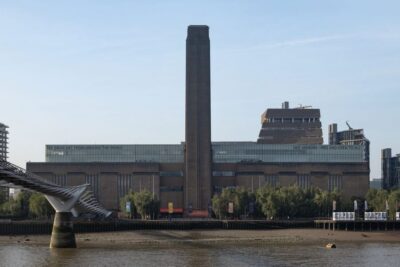
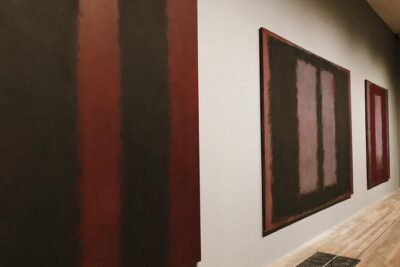
The Tate Modern London – Exclusive Guided Museum Tour
Read our review →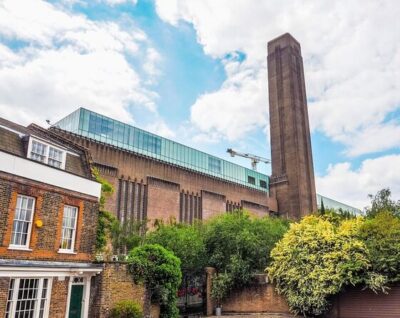
Tate Modern Museum London Guided Tour Semi-Private 8ppl Max
Read our review →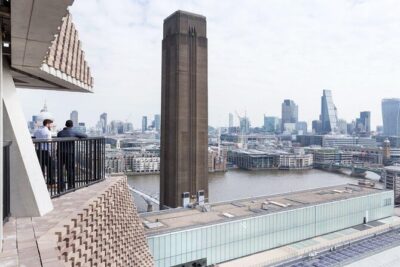
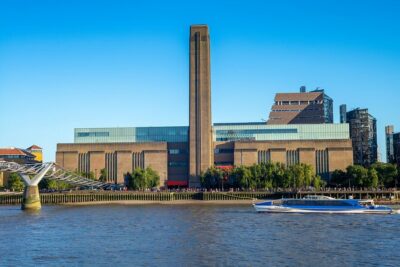
See Tate Modern with an Art Historian in London
Read our review →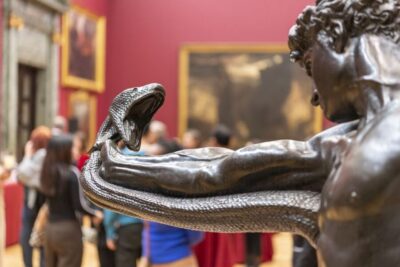
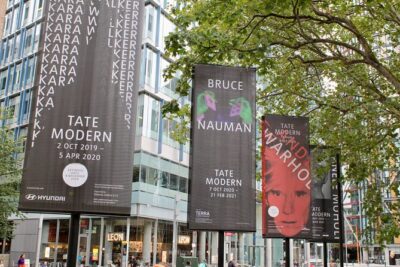
London Tate Modern Guided Small-Group Tour with Max 6 People
Read our review →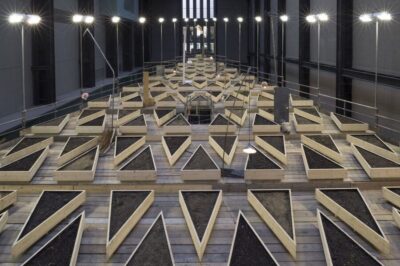
London Tate Modern Museum – Guided Tour 8 guests 2,5h
Read our review →Browse the lists this tour appears in