
Reviewed · EAST END & SHOREDITCH TOURS
Working Women of the East End Walking Tour
The East End has long been presented through markets, poverty, immigration, and Jack the Ripper. This 2.5-hour walking tour adds a needed layer: the women who worked, organized, protested, raised families, and changed daily life in London. Guides Becky and Emily are praised for making overlooked stories clear and personal.
I like the focus on working women from different classes, not only famous figures. I also like the route itself, which begins at Tower Hill and ends at Spitalfields Market, giving you a useful slice of East London rather than a lecture in one fixed room. The main drawback is the subject matter: some stories involve violence, hardship, and Jack the Ripper, so this is not a light sightseeing stroll.
In This Review
- Key points about the Working Women of the East End tour
- Starting at Tower Hill with the women of the Tower
- Working women, labor, and the East End’s overlooked past
- Brick Lane and the changing East End
- Spitalfields Market, the final stop, and a practical finish
- Jack the Ripper, handled as part of a wider story
- Becky and Emily: what makes the guiding work
- Pace, comfort, and what to bring
- Is $55.50 good value?
- Who should book this East End walk?
- Should you book the Working Women of the East End tour?
- FAQ
- Where does the Working Women of the East End tour start?
- Where does the walking tour end?
- How long does the experience last?
- How much does the tour cost?
- Is the tour offered in English?
- Is food or drink included?
- Is a toilet break included?
- What is the cancellation policy?
Key points about the Working Women of the East End tour
- Women’s history takes center stage: Learn how working women influenced labor rights, public life, and social change.
- The route links Tower Hill, Brick Lane, and Spitalfields: You see major East End locations while connecting them to lesser-known stories.
- Becky and Emily bring strong research and personality: The guides are praised for clear storytelling, humor, passion, and thoughtful answers.
- Jack the Ripper is placed within a wider story: The tour discusses the horrific crimes without allowing them to define the entire East End.
- There is a useful mid-tour break: A toilet stop and the chance for tea or coffee make the long walk easier.
- The group is capped at 20 people: That is small enough for questions, though the exact feel depends on the day’s attendance.
Starting at Tower Hill with the women of the Tower
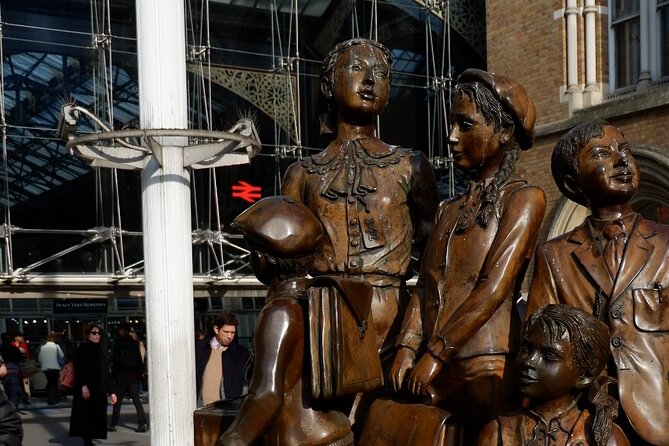
The walk begins at Tower Hill, London EC3N 4DJ, a practical starting point beside major public transport links. From here, the tour explores women connected with the Tower and the surrounding East End, adding social and personal stories to a place most people see mainly as a fortress or royal landmark.
This opening matters because it sets the tone. You are not simply being shown old buildings. You are encouraged to consider who lived, worked, suffered, or exercised power around them, and which women were left out of the usual version of London’s past.
The phrase women of the Tower covers an important contrast between famous and ordinary lives. The tour’s wider approach includes women from wealthy and poor backgrounds, so you should expect the story to move between people with influence and those whose work was rarely recorded in grand monuments.
That broad range is one of the strongest reasons to choose this walk. I prefer history that shows how a city worked at street level. Political decisions and social reforms matter, but so do washing clothes, earning wages, organizing with colleagues, and keeping households going under difficult conditions.
More East End and Shoreditch walks:
- Jack The Ripper Tour in London’s East End
★ 4.5 · 718 reviews - Shoreditch Street Art Tour London
★ 5.0 · 481 reviews - Gangster Tour of London’s East End Led by Actor Vas Blackwood
★ 5.0 · 389 reviews
Working women, labor, and the East End’s overlooked past
The central theme is the role women played in work and social change. The tour places women’s contributions to the labor movement into a wider local setting, with attention to class, politics, and the conditions faced by working people.
You may hear about women whose names are familiar, alongside figures who have almost disappeared from standard London history. That balance gives the walk more weight. It avoids suggesting that history changed only because of celebrated leaders, and it shows how ordinary workers could push for safer and fairer conditions.
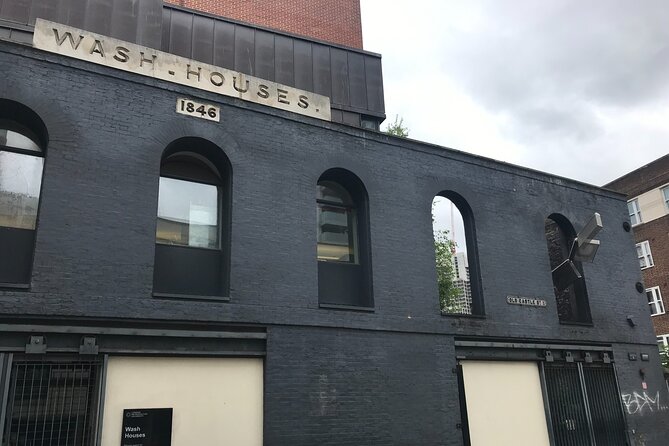
One especially useful subject is the history of wash houses. Many people know little about these institutions before taking this kind of tour, yet they reveal a great deal about domestic labor, public health, poverty, and the daily burden carried by women.
A reference to an 1846 wash house, including its layout, helps turn an abstract idea into something you can picture. You can begin to understand how a basic task such as washing clothes could consume time, money, and physical effort, especially for families without private facilities.
The walk also considers women’s professions and politics. That combination is important. A woman’s job was never only a way to earn money. Work affected her independence, her health, her social position, and her ability to take part in campaigns for change.
Brick Lane and the changing East End
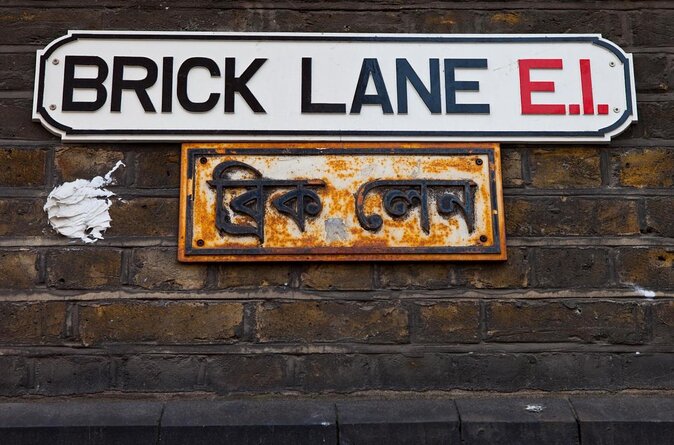
Brick Lane is one of the tour’s named stops. Today, it is known for food, shops, street life, and its changing identity, but the walk uses the area to discuss the people and forces that shaped East London over time.
You should not expect a long stop devoted only to browsing. The stated stop is brief, about five minutes, so Brick Lane functions as part of the walking route and historical setting rather than as a shopping break.
That is a good choice for this subject. The point is not simply to admire a famous street. It is to connect the place with the women who lived and worked in the East End, then consider how later changes affect the way the area is seen today.
Several accounts of the walk describe links between past and present London. That makes the route more useful than a collection of isolated anecdotes. You are encouraged to think about how working life, class, gender, and local identity have changed, and what may have been lost when an area is repackaged for modern visitors.
The tour does not promise a full architectural survey of Brick Lane, so choose another walk if your main interest is buildings, food, or street art. Here, the street is a stage for social history.
Spitalfields Market, the final stop, and a practical finish

The walk ends at Spitalfields Market, 65 Brushfield Street, E1 6AA. This is a strong finish for a two-and-a-half-hour outing because you can continue exploring, find food and drink, or connect with local transport after the guide says goodbye.
The market is also one of the named historical stops, with about five minutes allocated to it. Again, the short stop means the tour is not a market shopping excursion. Its purpose is to place the final part of the story in a well-known East End setting.
I like ending here because it gives you choices. You can stop for lunch, look around the market, or head elsewhere without needing to cross London first. One person used the end of the walk as the start of an afternoon in the area, combining the tour with a meal and more time around Spitalfields.
The final location also reinforces the contrast at the heart of the tour. The East End is now an easy place to visit, but its present-day appeal rests on layers of work, migration, hardship, activism, and redevelopment. The walk helps you see the people behind that change.
More London walking tours:
- Magical London: Harry Potter Guided Walking Tour
★ 4.7 · 22,044 reviews - London: The Original Jack the Ripper Walking Tour
★ 4.7 · 7,833 reviews - Tour for Muggles The Ultimate Harry Potter Walking Tour in London
★ 5.0 · 4,684 reviews - London Jack The Ripper Guided Walking Tour
★ 5.0 · 3,131 reviews
Jack the Ripper, handled as part of a wider story
Jack the Ripper is included, and the subject is unavoidable in many East End walks. Here, it appears alongside women’s history rather than replacing it.
That distinction matters. The women connected with these crimes are often remembered mainly as victims, while the wider lives of East End women receive far less attention. This experience aims to correct that imbalance by discussing the horrific events while also showing women as workers, campaigners, political actors, and community figures.
You should still prepare for difficult material. The crimes were violent, and the social conditions around them were harsh. If you want a cheerful market walk with only light historical anecdotes, this is not the right choice.
For me, the value comes from refusing to treat tragedy as entertainment. The tour uses the subject to ask larger questions about poverty, safety, class, gender, and the way history remembers women. That gives the Jack the Ripper section a serious purpose.
Becky and Emily: what makes the guiding work
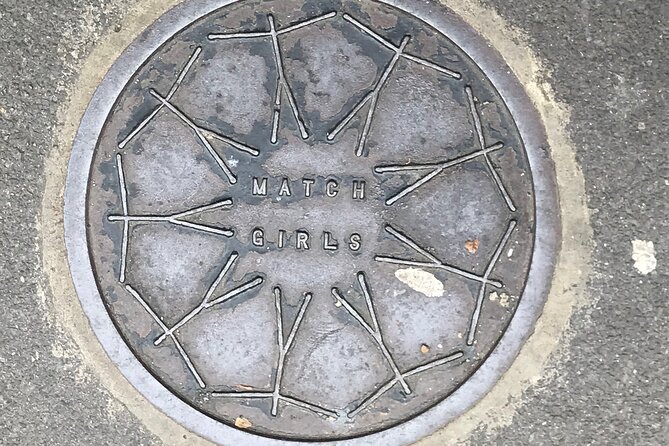
The guides are a major part of this experience. Becky is repeatedly praised for careful research, passion, humor, and an easy manner. Emily is also described as engaging, enthusiastic, and able to cover a large amount of information without making the walk feel rushed.
The most useful quality is not simply the amount of information. It is the way the guides put events into context. You may learn how research was carried out, how local figures fit into the wider labor movement, and how individual stories connect with modern London.
That approach helps prevent information overload. A two-and-a-half-hour walk can easily become a string of dates and names. The strongest guiding here appears to move through time while keeping the focus on real lives and practical questions.
The guides also welcome questions. That is worth noting if you like to pause over a detail or test your understanding. A friendly, approachable guide can make a major difference on a history walk, especially when the subject includes politics, class, violence, and social reform.
The group limit is 20 people. That is not a private tour, but it is more manageable than a large coach group. You should have a reasonable chance to hear the guide and ask questions, although the exact atmosphere depends on how full the departure is.
Pace, comfort, and what to bring
The experience lasts about 150 minutes, so wear comfortable shoes and dress for London weather. One person enjoyed the walk in light rain, but poor weather can still make a long outdoor tour less pleasant.
A toilet break is included, along with an opportunity for tea or coffee. Food and drinks are not included in the price, so bring money or a card if you want something during the pause. You can also eat after the walk at Spitalfields Market, where food and drink options are available.
The route is best suited to people comfortable with a city walk lasting two and a half hours. Most people can take part, but the information provided does not give a precise distance, step-free route, or detailed accessibility notes. If you need specific access arrangements, ask before booking.
The mobile ticket is convenient, and confirmation arrives when you book. The starting point is near public transport, while the finish has additional transport links. That makes it easy to fit the tour into a wider day in London.
Is $55.50 good value?
At $55.50 per person, this is not the cheapest way to walk through the East End. You are paying for a professional guide, a focused subject, and two and a half hours of live interpretation rather than simply following a map.
The price makes sense if you want a carefully researched theme. A general East End walk may show you the same streets, but it may not explain wash houses, labor activism, working women’s professions, or the way women’s stories have been pushed aside.
The value is also stronger if you ask questions and stay for the whole route. The guide is doing more than pointing out buildings. The aim is to change how you understand familiar places, and that kind of context is difficult to get from a guidebook paragraph.
It may feel expensive if you mainly want market time or a quick introduction to Brick Lane. Spitalfields and Brick Lane can be visited independently, and neither stop is designed as a long shopping visit. Book this for the storytelling, not for included refreshments or attractions.
The experience has received 85 five-star ratings, with 100 percent recommending it. That does not remove the need to match the tour to your interests, but it does point to unusual consistency in the guiding and subject matter.
Who should book this East End walk?
I would recommend it to anyone who wants a different account of London, especially people interested in women’s history, labor rights, class, social reform, or local communities.
It is also a good choice for Londoners. The walk can reveal stories in familiar streets, including the history of wash houses and the working women who helped make employment safer and society more equal.
You do not need to be an expert in history. The guides explain the material in an approachable way, and the route moves through places that help anchor the stories. The tour also suits people of different ages, provided they are comfortable walking for the full duration.
It is not ideal for someone seeking royal history, architecture, food tasting, or a broad introduction to every major London sight. The subject is focused, and the tone can become serious.
The walk is offered in English only. Since the guide’s explanations carry most of the experience, you should be comfortable following spoken English for an extended period.
Free cancellation is available if you cancel at least 24 hours before the start time. Changes or cancellations inside that window are not accepted for a refund, and the experience requires a minimum number of participants. If the minimum is not met, you are offered another date or experience, or a full refund.
Should you book the Working Women of the East End tour?
Book it if you want London history told from the ground up, through the work and choices of women who rarely receive equal space in the usual story. Becky and Emily bring the subject energy and care, while the Tower Hill to Spitalfields route gives you a useful look at the East End.
I especially recommend it if you have already seen the major sights and want something more focused. Just allow for a serious tone, outdoor walking, and a price that pays for expert storytelling rather than admissions or meals. If that sounds right, this is one of the more worthwhile ways to spend an afternoon in East London.
FAQ
Where does the Working Women of the East End tour start?
The tour starts at Tower Hill, London EC3N 4DJ, UK.
Where does the walking tour end?
The tour ends at Spitalfields Market, 65 Brushfield Street, London E1 6AA.
How long does the experience last?
The tour lasts approximately two hours and 30 minutes.
How much does the tour cost?
The listed price is $55.50 per person.
Is the tour offered in English?
Yes. The experience is offered in English.
Is food or drink included?
No. Lunch and all food and drink are excluded. Food and drink options are available at Spitalfields Market after the walk.
Is a toilet break included?
Yes. A toilet break is included during the tour, with an opportunity for tea or coffee.
What is the cancellation policy?
You can cancel up to 24 hours before the start time for a full refund. Cancellations or changes made less than 24 hours before the start time are not accepted for a refund.
Latest arrivals on the London list
- Heathrow Airport to London Arrival Transfer★ 4.5 · 50 reviews
- London Beatles Tour★ 5.0 · 50 reviews
- One Way Taxi Transfer from London to Gatwick Airport★ 5.0 · 51 reviews
- London: Hidden Baker Street Tube Station Tour★ 4.7 · 51 reviews
- City & Secrets: Explore London’s Hidden Gems★ 5.0 · 51 reviews
- London Christmas Lights Open-Top Bus Tour. 2025 Early Bird★ 3.6 · 51 reviews
- 4 hour London Private Tour, with your own Black Cab Tour Guide★ 5.0 · 51 reviews
- The Beatles Magical History Black Taxi Tour London★ 5.0 · 51 reviews
East End & Shoreditch Tours, compared.
Gangster Tour of London’s East End Led by Actor Vas Blackwood
Read our review →
East End Street Art Tour and Spray Painting Workshop
Read our review →
PRIVATE London Food Tours – Borough Market, Soho, East End
Read our review →
Private East End Food Tour: 7 Tastings with Bagels & Fish & Chips
Read our review →

Walking Tour around Spitalfields in the East End of London
Read our review →Browse the lists this tour appears in