
Reviewed · BRITISH MUSEUM TOURS
London: British Museum Highlights: Private Tour
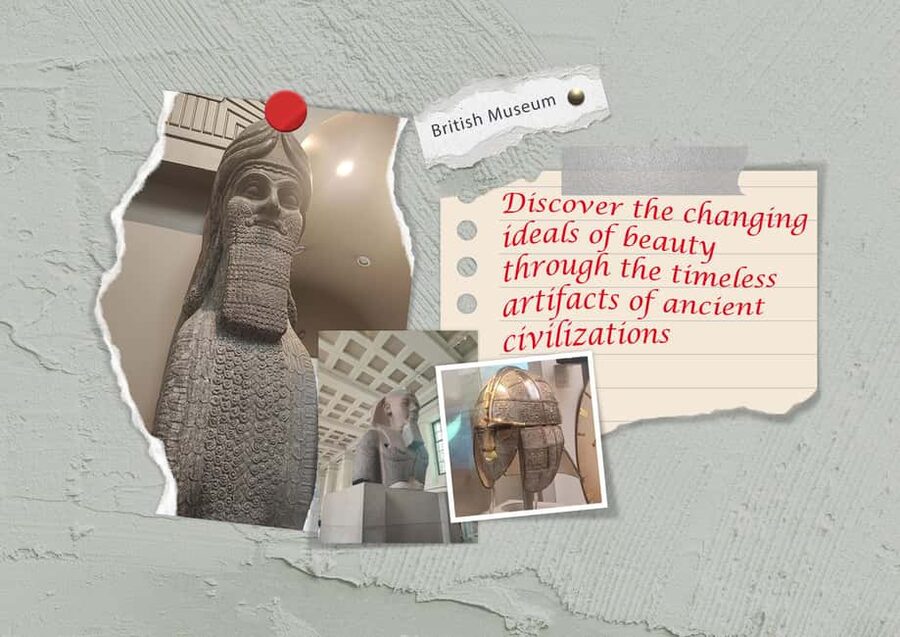
The most interesting thread here is not simply seeing famous objects. It is watching ideas about beauty, belief, love, and death change across Greece, Egypt, Mesopotamia, India, and medieval Europe. A live storyteller keeps the museum from feeling like a warehouse of ancient things.
I like the private group of up to four, which lets you ask questions and move at a human pace. I also like the focused two-hour route, especially if you want the Rosetta Stone, Parthenon Marbles, mummies, and unusual religious art without spending half a day wandering. The main consideration is that two hours goes quickly, and the tour involves a moderate amount of walking.
In This Review
- Key points at a glance
- Why a two-hour British Museum tour can work well
- Meeting your guide at Edward VII’s Entrance
- The Rosetta Stone and the power of one text
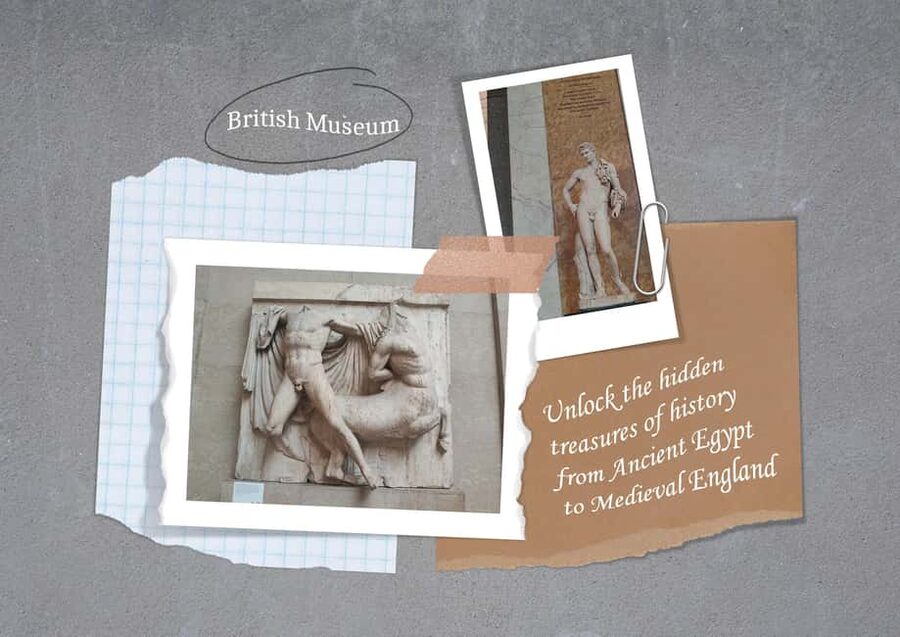
- Greek sculpture and the changing idea of beauty
- The Parthenon Marbles and the question of context
- Egyptian mummies, medicine, and the life after death
- Mesopotamia and the ideas that still shape daily life
- Indian beliefs about rebirth and the soul
- Tragic love stories in ancient art
- Medieval stories about Jesus Christ
- Richard’s friendly, story-led approach
- Is $74.08 per person good value?
- Walking, bags, timing, and access
- Who should book this British Museum experience?
- FAQ
- How long is the British Museum private tour?
- How many people can join the private group?
- Is the tour offered in English?
- Where does the tour meet?
- Is food or drink included?
- Can I cancel for a full refund?
- Should you book it?
Key points at a glance
- Rosetta Stone: See the object that helped scholars read Egyptian hieroglyphs.
- Parthenon Marbles: Examine how ancient Greek art shaped later ideas about the human body and beauty.
- Egyptian mummies: Consider Egyptian beliefs about the body, death, medicine, and the next life.
- Private format: Your group can include up to four people, with a guide reserved just for you.
- Richard and storytelling: Richard has received especially warm praise for his friendly manner and enthusiasm.
- Practical access: Express security entry is included, but large bags are not allowed and the tour is not suitable for wheelchair users.
Why a two-hour British Museum tour can work well
The British Museum is huge, with more than 8 million objects. You will not see anything close to all of it in two hours, and that is actually a strength here. A good short visit needs a clear idea, not a frantic march from case to case.
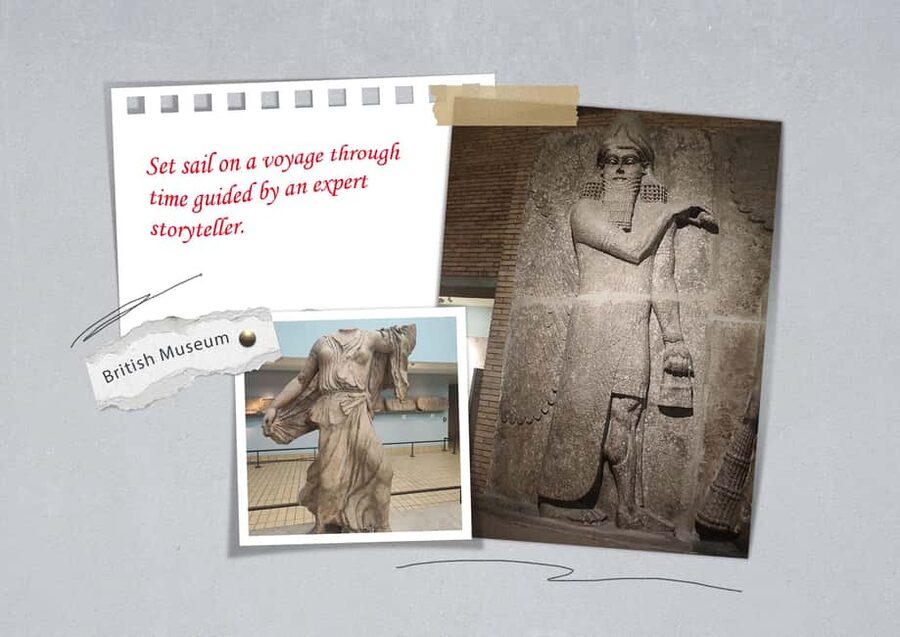
This tour uses the changing idea of beauty as one of its main threads. You move from ancient Greek sculpture to Egyptian objects, Mesopotamian achievements, Indian religious ideas, tragic love stories, and medieval Christian art. The route appears designed to connect objects across time rather than treat each gallery as an isolated stop.
That approach suits you if you want explanation along with sightseeing. The museum’s labels can give dates, names, and places, but a guide can help answer the larger question: why did these people make this object, and what did it mean to them?
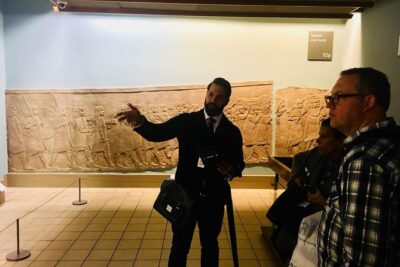
The private setup matters here. With a group of up to four, you are not trying to hear a guide over a crowd. You can ask about a particular object, request a little more time at a favorite gallery, or tell the guide when your attention needs a change. The tour is in English, and the guide is a professional storyteller.
More British Museum visits:
- London: British Museum Guided Tour
★ 4.3 · 1,182 reviews - British Museum London Guided Tour Semi-Private 8ppl Max
★ 5.0 · 984 reviews - London: Tour of the British Museum
★ 4.1 · 678 reviews
Meeting your guide at Edward VII’s Entrance
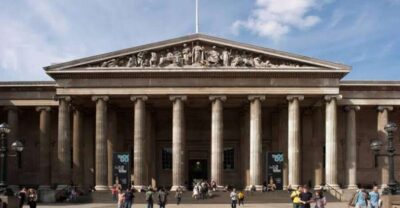
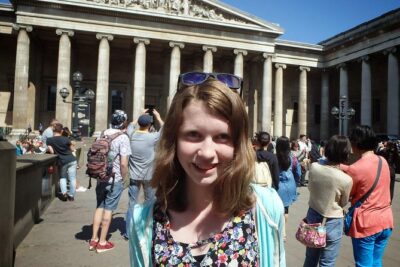
You meet at the group entrance to the British Museum, specifically Edward VII’s Entrance. Look for a guide holding a My London Guide sign. The tour ends back at the same meeting point, so you are not left trying to find your way out through a different part of the museum.
The experience includes express security entry. That does not mean you skip every museum procedure, but it should make the start more direct than joining a general admission queue. Arrive ready to go, since two hours is a compact window and the museum has plenty of ground to cover.
Bring only what you need. Large bags and backpacks are not allowed inside. Food and drinks are also barred from the exhibition halls. Photography is allowed without flash, while selfie sticks are not permitted. Weapons, sharp objects, alcohol, drugs, and explosive substances are prohibited, and you must not touch the exhibits.
The Rosetta Stone and the power of one text
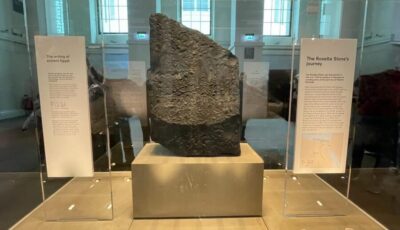
The Rosetta Stone is an excellent opening point because it shows how a single object can change our access to an entire civilization. Its importance comes from the same decree being written in more than one script, giving scholars the comparison needed to make progress with Egyptian hieroglyphs.
Your guide can turn the stone from a famous photo stop into a lesson in how historians work. It is not magic, and it did not provide every answer at once. It offered a bridge between writing systems, allowing scholars to connect an unfamiliar script with languages they could already read.
Expect this to be one of the busiest and most popular moments of the visit. The private format helps because you can stay focused on the explanation instead of simply passing the stone, taking a picture, and moving on. If you enjoy language, archaeology, or the practical detective work behind museum research, this is likely one of the tour’s strongest stops.
The drawback is simple: the Rosetta Stone is famous, so it may be surrounded by other people. Your guide can explain its role, but you may not have a quiet, empty gallery around it.
Greek sculpture and the changing idea of beauty
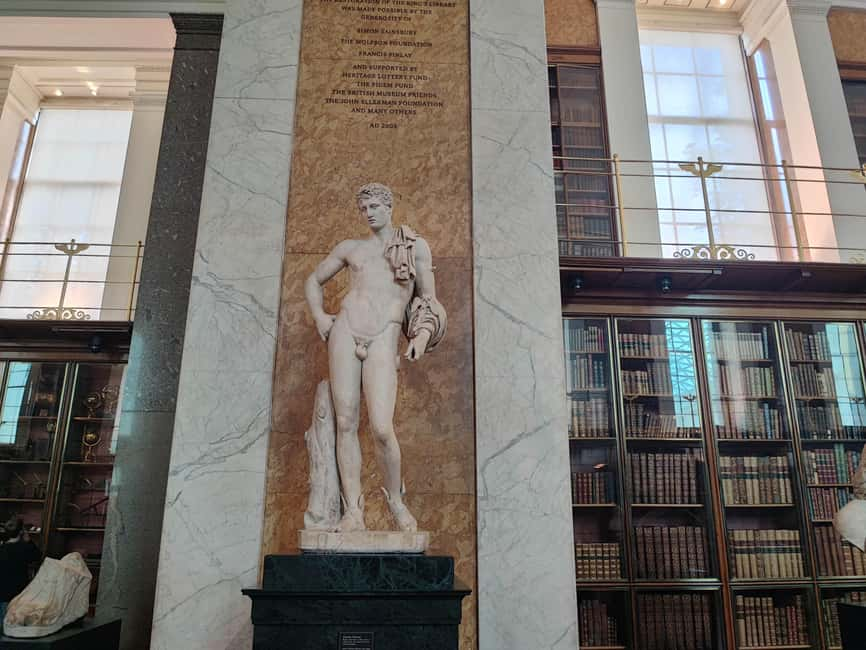
Ancient Greece provides the tour’s clearest look at the human body as an artistic ideal. The discussion asks how Greek art affected later ideas about beauty, balance, proportion, and culture.
This is more useful than simply being told that Greek sculpture is important. It encourages you to notice choices: how bodies are presented, how movement is suggested, and how an ideal figure can reflect the values of the society that produced it. The tour connects those old standards with the way art and culture still shape modern ideas of beauty.
You do not need a background in art to follow this section. The guide’s job is to make the objects readable, not to test you on names and dates. The tone is intended to be friendly and light, with humor used to keep the subject from becoming stiff.
The main limitation is time. Ancient Greek material could fill an entire visit on its own. Here, it works as one chapter in a larger story, so you should not expect a detailed survey of every Greek object in the museum.
More London museums to visit:
- Tower of London and Crown Jewels Exhibition Ticket
★ 4.5 · 6,677 reviews - London: Chelsea Football Club Stadium and Museum Tour
★ 4.8 · 4,576 reviews - Chelsea FC Stadium Tours and Museum
★ 5.0 · 1,908 reviews - London Transport Museum Entrance Ticket
★ 4.5 · 1,323 reviews
The Parthenon Marbles and the question of context
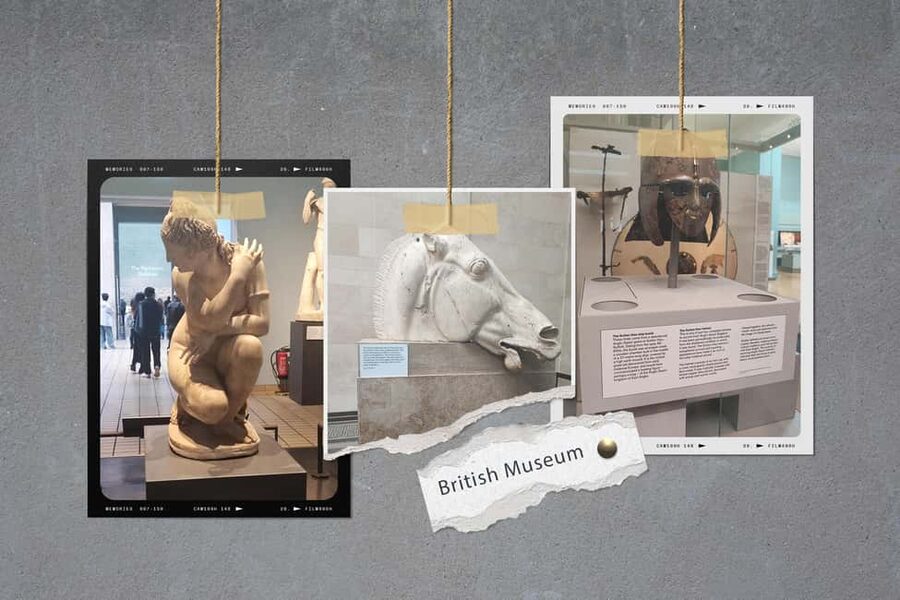
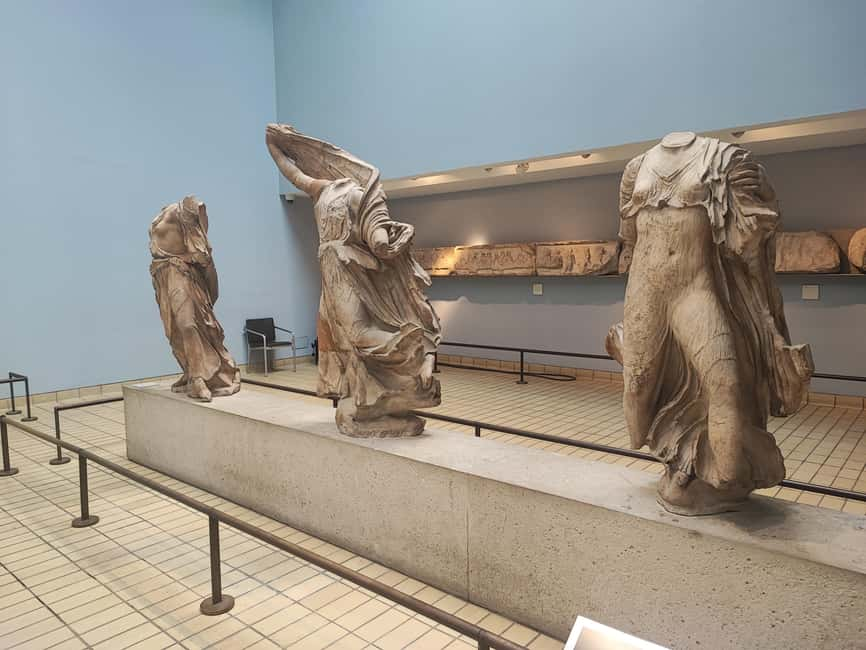
The Parthenon Marbles are among the museum’s most recognizable works. In this tour, they serve both as examples of Greek artistic ideals and as a chance to think about how art survives, travels, and is displayed far from its original setting.
Look closely at the carved figures and architectural details. Your guide can help you read the work as more than isolated fragments. You will consider the relationship between the human form, movement, decoration, and the building these pieces once belonged to.
This stop is especially valuable if you want more than a checklist visit. The marbles raise questions about beauty, ownership, cultural identity, and the role of a major museum. The supplied experience details do not promise a full political discussion, so you should view this as an introduction rather than a complete treatment of the long-running debate around the collection.
Because the tour is private, you can ask for clarification if the conversation raises questions about the objects’ original location or present display. That personal exchange is one of the better reasons to choose a private visit instead of simply using the museum’s rooms on your own.
Egyptian mummies, medicine, and the life after death
The Egyptian section changes the mood. Mummies bring the body and death directly into view, but the guide places them within broader Egyptian ideas about medicine, pyramids, writing, and the next life.
This part is not just about a preserved body. It asks what people believed a person needed after death and why so much effort went into preparing the body. You will also connect Egyptian advances in medicine and hieroglyphs with the way modern people try to understand illness, mortality, and memory.
The subject can be intense for some children or sensitive visitors. If you are uncomfortable with human remains, keep that in mind before booking. The tour’s light humor may make the material easier to approach, but it does not change what you are looking at.
Photography without flash is allowed, but the rules still matter. Keep your hands away from every object, and listen for any gallery-specific instructions from your guide.
Mesopotamia and the ideas that still shape daily life
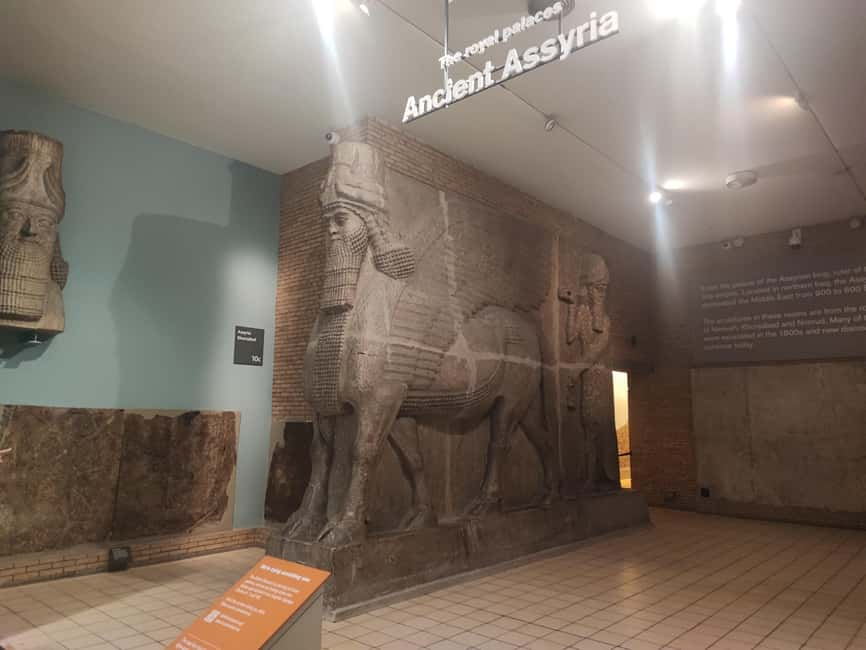
The Mesopotamian section widens the story beyond Greece and Egypt. Here, you consider the wheel, siege engines, and farming, along with the practical systems that helped early societies grow and function.
This is a useful reminder that ancient history is not only about royal statues and temples. Farming, transport, building, and warfare all shape how people live. The guide can help you connect these old inventions and methods with problems that still matter today.
You might find this part less visually dramatic than the Rosetta Stone or the mummies. Its value comes from interpretation. If you like seeing how ordinary needs lead to major changes in society, give this section your attention.
The guide may need to keep the group moving, since Mesopotamian material is only one part of the route. You can ask a question, but the two-hour limit means the tour cannot pause at every object.
Indian beliefs about rebirth and the soul
The Indian material introduces a different way to discuss life, death, and personal identity. The tour touches on yoga, rebirth, and paths toward enlightenment, then asks how those ideas continue to influence modern views of the soul and inner peace.
This section adds balance to the tour. The Egyptian galleries focus strongly on preparation for the next life, while Indian traditions offer other ways to think about existence and the cycle of life. The comparison can make familiar modern references to yoga feel less superficial.
You should expect an introductory conversation rather than a full study of Indian religions. The information provided does not name specific objects or galleries, so the exact focus may depend on the guide and the day’s route. Still, the theme gives the visit a clear human question: what happens to us, and how should we live?
Tragic love stories in ancient art
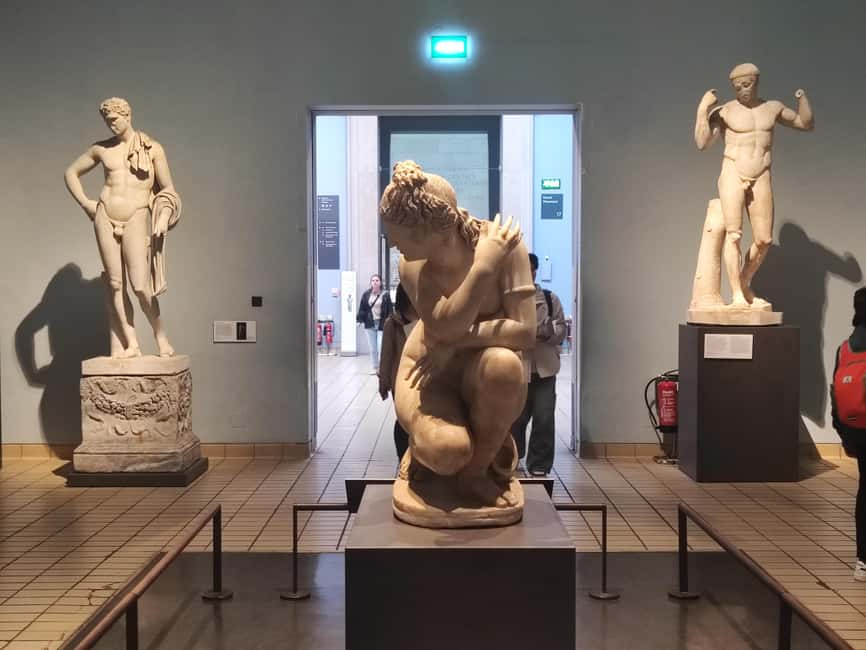
The tour also turns to tragic love and fate. This is one of its more personal themes because love stories let you see how people in the past expressed fear, desire, loss, duty, and grief.
Rather than treating ancient art as distant or emotionless, the guide asks what these stories meant to their original audiences. That helps you look for faces, gestures, symbols, and scenes that carry feeling, not just decoration.
This part may appeal to you if mythology and storytelling hold your attention more than dates. It also gives the tour a change of pace after the larger themes of writing systems, political power, and religious belief.
The details of the specific love stories are not fixed in the information provided, so do not book expecting one named myth or a single famous object. The promise is a story-led treatment of tragic love and fate within the museum’s broader collection.
Medieval stories about Jesus Christ
The final unusual thread concerns alternative stories about Jesus Christ, including medieval comic-book-like accounts of his childhood. These stories offer a glimpse into how later artists and communities expanded familiar religious narratives.
The childhood stories are interesting precisely because they sit outside the best-known Gospel accounts. They show how people have used art and storytelling to fill gaps, teach lessons, and imagine parts of a sacred figure’s life that were not fully recorded in traditional accounts.
You can expect a lively discussion rather than a formal religious service or theological lecture. The tone is designed for curiosity. If you enjoy seeing how beliefs change through art, this section can be a memorable close to the tour.
As with the Indian and love-story sections, the supplied details do not name the exact medieval works you will see. Your guide’s selection and the museum’s access on the day will shape the emphasis.
Richard’s friendly, story-led approach
Richard is specifically associated with this tour, and his strongest qualities are friendliness, enthusiasm, and clear explanation. The available feedback gives him repeated praise, including the simple assessment that he was great and that his tour was very informative.
That matters because a museum guide can make a short visit either sharp and enjoyable or rushed and tiring. Richard’s apparent strength is turning objects into stories. You are not just told what an object is; you are encouraged to consider why it mattered and how its ideas still affect people now.
The experience is not built around silent contemplation. It is social and conversational, with humor used along the way. That suits adults, couples, families with older children, and small groups who like to ask questions.
If you prefer to move alone and read every label at your own speed, a private guided tour may feel too directed. You are paying for a route and a voice, not unlimited time in every gallery.
Is $74.08 per person good value?
At $74.08 per person, the price is reasonable only if you value personal guiding. For four people, the total comes to about $296.32. That can make sense for a family or group of friends who would otherwise book several separate museum experiences, but it is a bigger spend than simply entering a free museum and exploring independently.
The value comes from three things: express security entry, a private guide, and a carefully chosen two-hour route. You save planning time and avoid the common first-visit problem of wandering through too many rooms without understanding what you are seeing.
The price is harder to justify for a solo visitor or a pair on a tight budget. The tour does not include food, drinks, hotel pickup, or hotel drop-off. You must make your own way to the British Museum and handle your plans before and after the visit.
Free cancellation up to 24 hours ahead and reserve-now, pay-later booking make it easier to fit into a changing London schedule. Those policies are useful, but they do not change the basic value question: book it for the guide’s insight, not simply for museum entry.
Walking, bags, timing, and access
The tour lasts about two hours and involves a moderate amount of walking. Wear comfortable shoes, especially if this visit follows a day of sightseeing. The museum is large, and even a focused route requires time on your feet.
Check the available starting times before booking. The experience does not include transportation, and the meeting point is the British Museum’s Edward VII’s Entrance. Plan your route so you arrive at the correct entrance rather than assuming every museum door serves the same purpose.
Large bags and backpacks are not allowed inside. Pack light, and leave food and drinks outside the exhibition halls. You can take photographs without flash, but leave selfie sticks at home.
The tour is not suitable for wheelchair users according to the supplied access information. If anyone in your group has mobility needs, confirm suitability before paying rather than relying on the moderate walking description alone.
Who should book this British Museum experience?
I would choose this tour if you have only a short window in London and want a guided introduction to major British Museum themes. It also fits people who enjoy stories and comparisons more than a strict list of dates and object names.
Families with older children may like the mix of mummies, lost writing systems, love stories, and medieval religious tales. Couples and small groups can benefit from the private setting, especially if everyone wants to ask questions.
I would think twice if you want a specialist tour of one civilization, a long look at the Parthenon Marbles, or a slow photography visit. Two hours is enough for a lively overview, not enough for detailed study.
FAQ
How long is the British Museum private tour?
The tour lasts about two hours. Starting times vary, so check availability when booking.
How many people can join the private group?
The tour is reserved exclusively for your group of up to four guests.
Is the tour offered in English?
Yes. The live guide conducts the tour in English.
Where does the tour meet?
Meet at the group entrance to the British Museum, Edward VII’s Entrance. The guide will hold a My London Guide sign.
Is food or drink included?
No. Food and drinks are not included, and food and drinks are not permitted inside the exhibition halls.
Can I cancel for a full refund?
Yes. You can cancel up to 24 hours in advance for a full refund. You can also reserve now and pay later.
Should you book it?
Book this private British Museum tour if you want a short, guided route through famous objects and prefer conversation over wandering alone. The Rosetta Stone, Parthenon Marbles, mummies, Mesopotamian achievements, Indian beliefs, tragic love stories, and medieval childhood tales of Jesus give you plenty to think about in two hours.
Richard’s friendly and enthusiastic style is a strong reason to consider it, though another live guide may lead your visit depending on scheduling. The main tradeoff is price: you pay for focus, fast-track security, and private attention rather than basic admission. For up to four people who want a clear introduction, that can be good value. For independent museum regulars, the same money may be better spent elsewhere.
Latest arrivals on the London list
- Easy Access Tower of London Royal Secrets & Scandals Tour★ 5.0 · 3 reviews
- Stonehenge Special Access Guided Morning Tour from London★ 4.5 · 3 reviews
- Shoreditch & East London Walking Tour with a Local, Custom & Private★ 5.0 · 3 reviews
- Madame Tussauds London Fast Track and Champagne Experience★ 3.5 · 3 reviews
- Private Full Day Tour – Fast Track Tower of London and Lunch★ 4.6 · 3 reviews
- Private transfer from London Heathrow Airport to Southampton★ 5.0 · 3 reviews
- London Private Brixton Tour with a Local – Culture & Stories★ 4.9 · 3 reviews
- London Soho District – Guided Walking Tour 12 guests 2,5h★ 4.8 · 3 reviews
British Museum Tours, compared.
British Museum London Guided Tour Semi-Private 8ppl Max
Read our review →
British Museum Audio Tour & Priority Entrance Ticket
Read our review →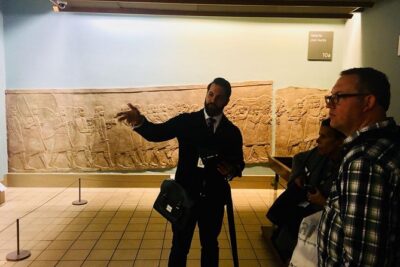
The British Museum London – Exclusive Guided Museum Tour
Read our review →
Browse the lists this tour appears in