
Reviewed · BRITISH MUSEUM TOURS
London: British Museum Private Tour for Kids & Families
The British Museum can feel like a small city of ancient objects, and this 2.5-hour private tour gives your family a clear route through it. Instead of trying to conquer more than 8 million artifacts on your own, you focus on major objects tied to memorable stories, from Egyptian mummies to Viking chess pieces.
I like the family-focused storytelling and the chance to see headline objects without wandering in circles. I also like that museum admission is included and that the group uses a separate entrance. The main catch is the price, $312 per person, and the tour is designed for children older than six, so very young children may struggle to stay engaged.
In This Review
- Key points for families
- Why a private British Museum tour helps
- Meeting your guide outside the Great Russell Street entrance
- Ancient Egypt, from the Rosetta Stone to Ginger
- Ancient Greece and the Parthenon sculptures
- Sutton Hoo treasure and the story of early Britain
- Vindolanda Tablets and the voices of ordinary people
- The Lewis Chessmen and an easy way into medieval history
- How the 2.5-hour pace works for children
- Is $312 per person good value?
- Practical details before you book
- Who should book this family tour?
- FAQ
- How long does the British Museum family tour last?
- Where do you meet the guide?
- How do I identify the guide?
- Is museum admission included?
- Is this a private tour?
- What language is the tour in?
- Is the tour suitable for young children?
- Do children under five pay for the tour?
- Is the tour wheelchair accessible?
- What happens if I need to cancel?
- Should you book it?
Key points for families
- Six thousand years in 2.5 hours: The route links ancient Greece, Egypt, Britain, and other cultures without asking children to absorb the whole museum.
- Private family format: Your guide can shape the pace and explanations around your own group rather than a large mixed audience.
- Story-led highlights: The Rosetta Stone, Ginger the mummy, Sutton Hoo treasure, and Lewis Chessmen give children strong images to remember.
- Best for children over six: Younger children are welcome, but the activities and explanations are not designed chiefly for toddlers or preschoolers.
- Central Bloomsbury meeting point: Meet at the main gate on Great Russell Street, opposite the Museum Tavern and next to Starbucks.
- Flexible booking: You can cancel up to 24 hours ahead for a full refund and reserve now without paying immediately.
Why a private British Museum tour helps
The British Museum is not short on things to see. Its galleries cover human culture from its origins, with more than 8 million objects in the collection. That scale is exciting, but it can also flatten a family visit into a long march past cases of unfamiliar objects.
A private guide gives you a thread to follow. The tour covers about 6,000 years of human civilization, but it does not try to explain every room. Instead, your guide uses selected masterpieces and short anecdotes to make the past easier for children to grasp.
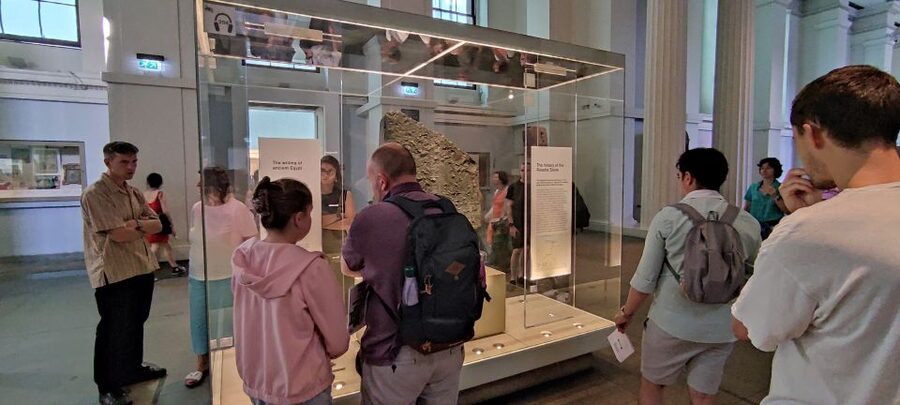
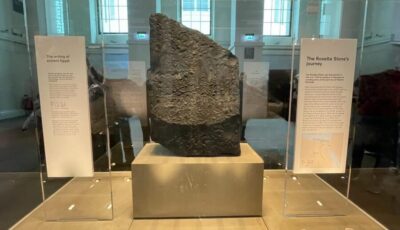
That matters in a museum where some of the most important objects are not always the largest. The Rosetta Stone, for example, is famous because its inscriptions helped scholars understand Egyptian hieroglyphs. A child may first notice its dark stone surface, then remember the idea that one object helped people read an entire ancient writing system.
The private format also gives you room to ask questions. If your child is fascinated by mummies, you can spend more time with the Egyptian material. If another family member prefers battles, treasure, or puzzles, the guide can use objects such as Sutton Hoo or the Lewis Chessmen to keep the visit moving.
More British Museum visits:
- London: British Museum Guided Tour
★ 4.3 · 1,182 reviews - British Museum London Guided Tour Semi-Private 8ppl Max
★ 5.0 · 984 reviews - London: Tour of the British Museum
★ 4.1 · 678 reviews
Meeting your guide outside the Great Russell Street entrance
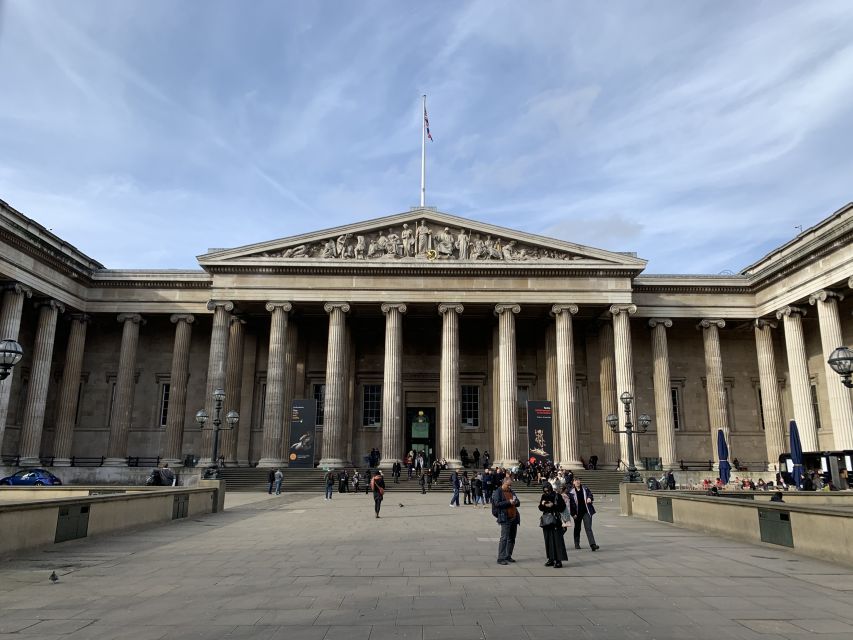
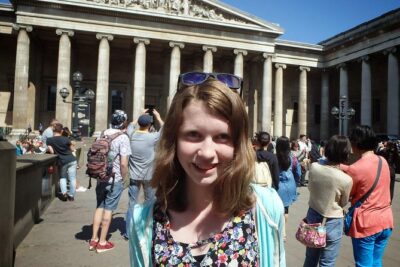
You meet at the main gate of the British Museum, at 49 Great Russell Street in Bloomsbury. The meeting point is opposite the Museum Tavern and next to Starbucks, which gives you a useful visual marker on a busy central London street.
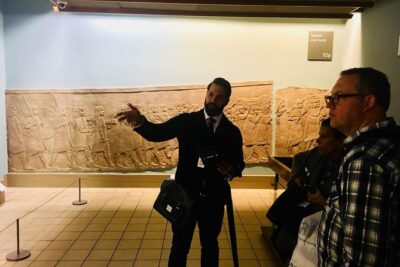
Your guide will hold a sign with your name. That simple detail is helpful when you are arriving with children, bags, and perhaps a family member who has not been to the museum before. Plan to be at the stated meeting point on time, since a private tour has a fixed 2.5-hour window.
The tour is in English. Museum entrance tickets are included, and the experience uses a separate entrance to skip the usual line. That does not mean the museum will feel empty, but it should reduce the time spent waiting before the useful part begins.
There is no hotel pickup or drop-off. You make your own way to Bloomsbury and return on your own after the visit, so allow extra time for your journey to the museum.
Ancient Egypt, from the Rosetta Stone to Ginger
Egypt is likely to be one of the strongest sections for children. Mummies, writing, and ancient objects offer clear questions that need little introduction: How did people write? Why were bodies preserved? What can a single object tell us about a vanished society?
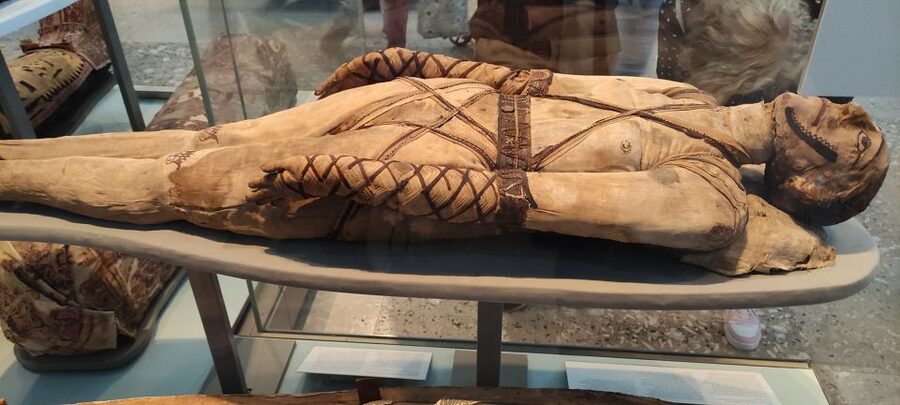
Ginger, the Egyptian mummy, gives the tour a personal focus. A name is easier for a child to remember than a general label such as human remains. The guide can use Ginger to explain ancient Egyptian burial practices and beliefs in a way that connects an individual object with a wider culture.
The Rosetta Stone brings a different kind of excitement. It is not a treasure chest or a statue, but its importance is easy to explain. The inscriptions helped scholars compare languages and read Egyptian hieroglyphs. That makes it a good museum object for children who enjoy codes, puzzles, or detective stories.
The possible drawback is that the museum’s Egyptian collection is extensive. In 2.5 hours, you will see selected highlights rather than everything. That is a strength for a family with limited attention spans, but it may leave serious Egypt fans wishing for a longer visit.
Ancient Greece and the Parthenon sculptures
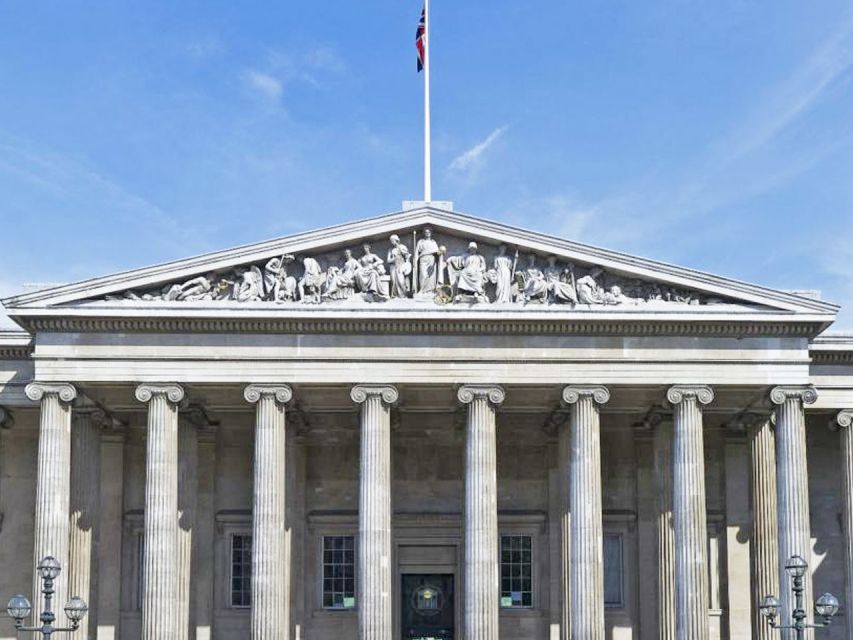
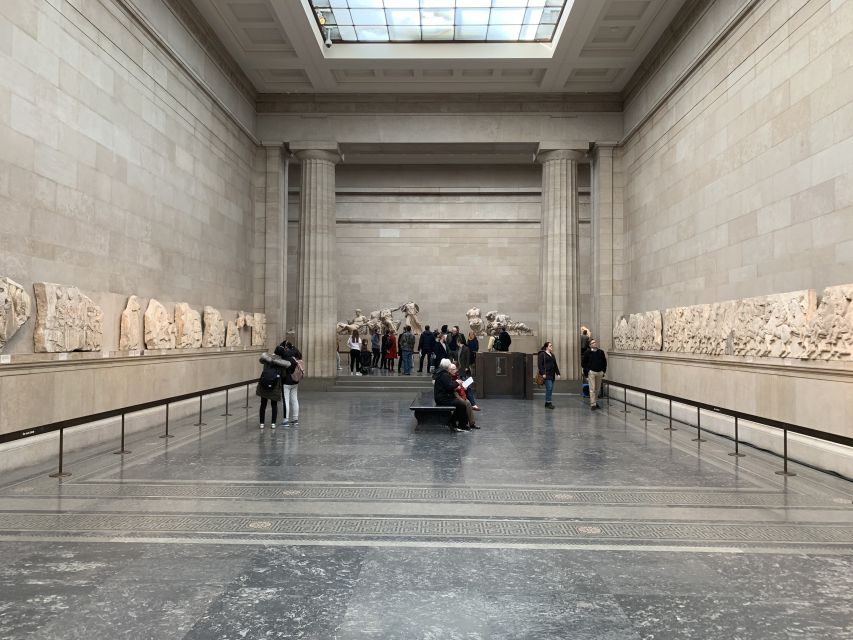
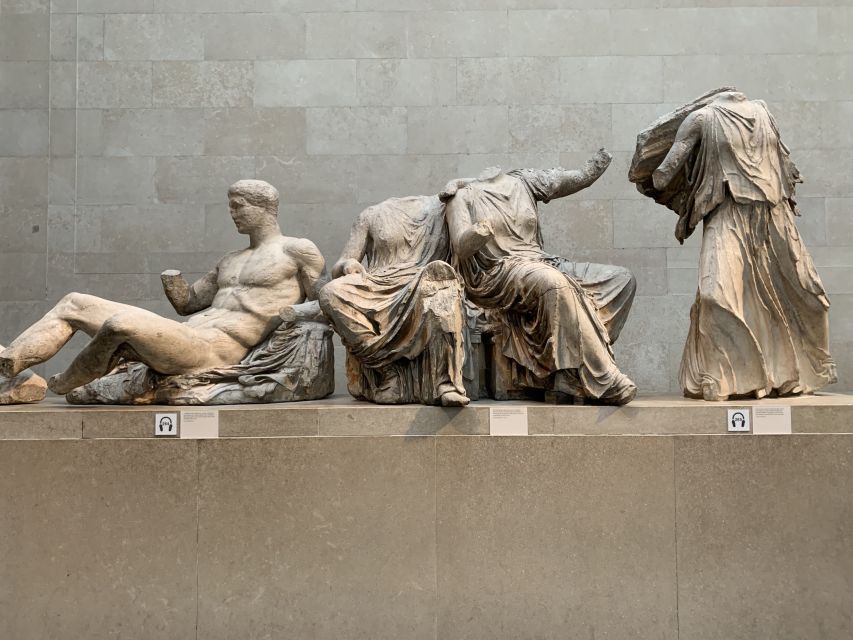
The Parthenon sculptures from Athens bring you into ancient Greek art and architecture. The guide can connect the pieces to the temple they once decorated, helping children understand that these are not isolated statues placed randomly in a gallery.
This stop also introduces a useful lesson about museums and ownership. The sculptures have a complicated modern story, and the British Museum is part of a wider debate about where cultural objects should be displayed. The supplied tour information does not specify how much time the guide spends on that issue, but you can ask about it if it interests your family.
For children, the main value is visual. Large marble figures and carved scenes are easier to discuss than a case filled with small objects. Ask your guide to point out what the sculptors wanted viewers to notice, how the figures were arranged, and what the carvings once meant in their original setting.
The Greek galleries may appeal to older children more than to very young ones. A guide who uses stories and details can make the sculptures approachable, but children under six may not have enough background or patience for a sustained art discussion.
More London museums to visit:
- Tower of London and Crown Jewels Exhibition Ticket
★ 4.5 · 6,677 reviews - London: Chelsea Football Club Stadium and Museum Tour
★ 4.8 · 4,576 reviews - Chelsea FC Stadium Tours and Museum
★ 5.0 · 1,908 reviews - London Transport Museum Entrance Ticket
★ 4.5 · 1,323 reviews
Sutton Hoo treasure and the story of early Britain
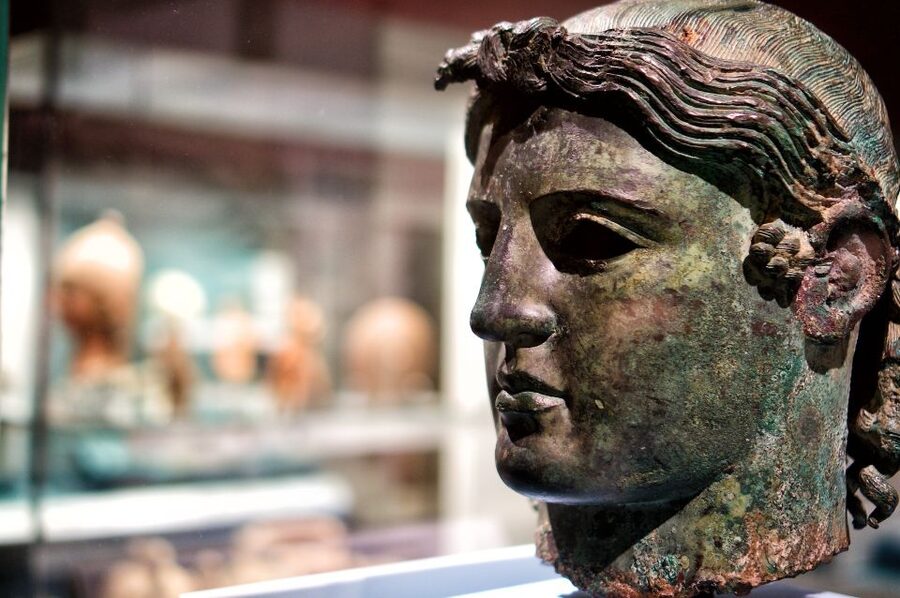
Sutton Hoo shifts the focus from the ancient Mediterranean to early Britain. The treasure gives children a strong sense that history is not only about Egypt, Greece, or Rome. It also helps place Britain within a wider world of trade, power, burial customs, and craftsmanship.
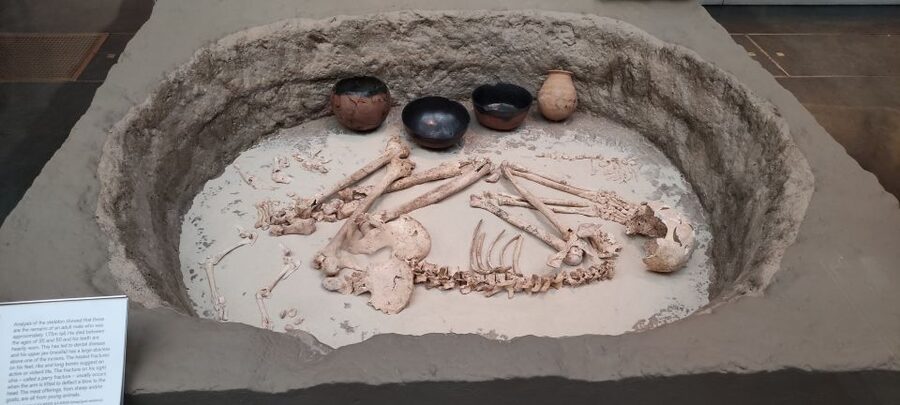
Treasure is an easy starting point, but the value of this stop goes beyond shiny objects. The Sutton Hoo material raises questions about who was buried, what the objects said about status, and why grave finds can reveal details about people who left few written records.
You might find this section especially useful if your family has already seen Roman sites or medieval castles in Britain. It adds an earlier chapter and shows that British history was connected to cultures across Europe.
The tour information does not promise a full archaeological lecture, so expect a focused introduction rather than an exhaustive treatment of Sutton Hoo. That is fitting for a family route. The goal is to give you a memorable story and enough context to appreciate what you are seeing.
Vindolanda Tablets and the voices of ordinary people
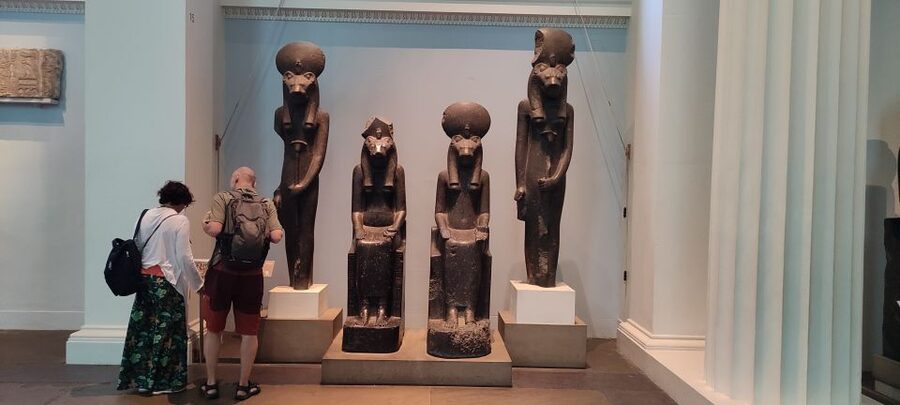
The Vindolanda Tablets offer a different kind of historical evidence. Instead of monumental sculpture or royal treasure, they preserve written messages connected with life on the northern frontier of Roman Britain.
That contrast is important. Children often assume history is made only of kings, generals, and famous buildings. The tablets can open a discussion about everyday communication, military life, and the small details that survive from the past.
The exact content your guide highlights is not specified, so the depth of this stop may depend on your family’s questions and the guide’s route. Still, the tablets fit the tour’s larger purpose well: they make a huge span of time feel more human.
If your child likes letters, secret messages, or clues, mention that early in the tour. The guide is there to shape the experience around the family, and this is the kind of object that can reward a little extra attention.
The Lewis Chessmen and an easy way into medieval history
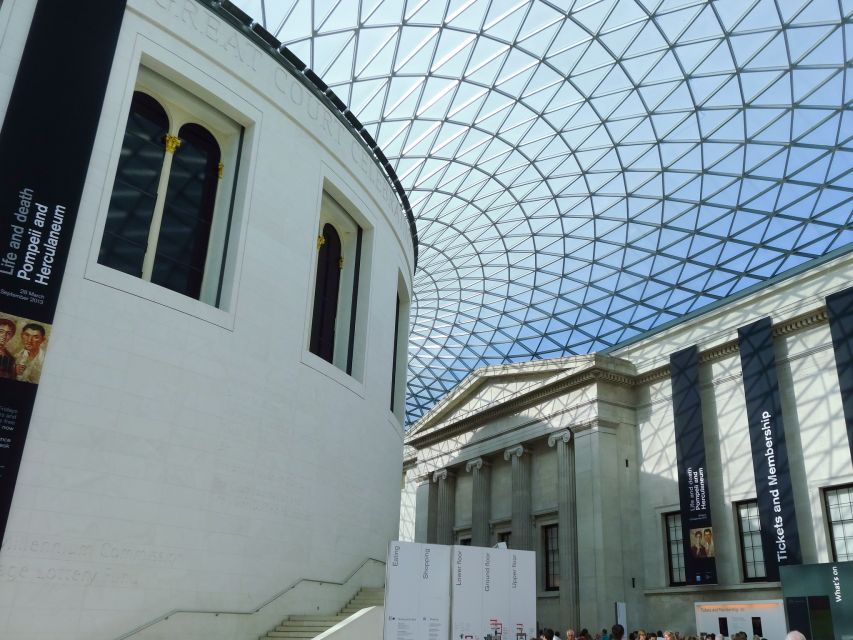
The Lewis Chessmen are among the most naturally engaging objects for children. They look like game pieces, but they also open a door into medieval society, travel, art, and status.
A child can study the faces and shapes before learning why the pieces matter. That gives the guide a chance to explain how an ordinary game can preserve ideas about warriors, rulers, and social roles. It is also a welcome change of pace after large monuments and ancient religious objects.
The chess pieces make a useful final memory because they are small, characterful, and easy to describe later. Your child may not recall every date, but they may remember the strange carved faces or the idea that a lost set of chess pieces can tell us about the people who made and used them.
As with the other highlights, you should expect a selected look rather than a long study of medieval collections. The strength of the tour is the variety of objects, not specialist depth in one period.
How the 2.5-hour pace works for children
Two and a half hours is long enough to build a proper story and short enough to avoid turning the museum into a full-day endurance test. The private format should help your guide adjust explanations and pauses to your group.
The advertised audience is families with children older than six. That age guidance is worth taking seriously. Younger children are welcome, but the guide may find it difficult to engage them for the full route. If you are bringing a child under five, the tour is free for that child, yet free admission does not change the attention challenge.
You can help by explaining the basic plan before arrival. Tell your children they will see a mummy, a famous stone, ancient sculptures, treasure, old writing, and chess pieces. Those concrete promises are easier to understand than a general museum visit.
The tour is not presented as a hands-on craft session or a scavenger hunt. Its appeal comes from a live guide, stories, and selected objects. Children who enjoy asking questions and listening to short tales should get the most from it.
Is $312 per person good value?
At $312 per person, this is a costly London activity. The price makes most sense when you value the private format, the guide’s attention, the included museum tickets, and the time saved by using a separate entrance.
For a family of four, the total cost rises quickly. You should compare it with visiting the museum independently, especially since the British Museum is a major attraction where you can choose your own route. A self-guided visit costs less, but you take on the work of planning, finding the key objects, and keeping children interested.
I would see the private tour as a time-saving purchase rather than a budget museum ticket. It is most defensible for families with limited time in London, children who lose interest in standard museum labels, or parents who want one organized cultural activity without doing the research themselves.
The value also depends on group size. A private group means the guide’s attention is reserved for your family, but the per-person cost remains significant. If your group is small, the experience is more personal but harder to justify financially. If you have several family members, the cost may feel more reasonable because everyone shares the same guide.
Practical details before you book
The tour is wheelchair accessible, which is useful for families who need an accessible route. The supplied details do not specify the exact route or any accessibility equipment, so contact the provider if your family has particular mobility needs.
Food and drinks are not included. The experience lasts 2.5 hours, so plan any snack or meal before or after the museum visit. The meeting point’s location near the Museum Tavern and Starbucks gives you nearby reference points, but neither food nor drinks form part of the tour.
The provider is Raphael Tours & Events. The guide speaks English, and the experience is offered as a private group rather than a shared tour. That private arrangement is the central reason to choose it over a standard museum visit.
You can cancel up to 24 hours in advance for a full refund. You can also reserve now and pay later, which helps if your London schedule is still changing. Starting times vary, so check availability before building the rest of your day around the visit.
Who should book this family tour?
I would recommend it for families with children over six who want the British Museum’s major sights explained in plain, engaging language. It is particularly suitable if you have only a few days in London and do not want to spend an evening planning a museum route.
It also suits parents who enjoy history but know that children need a stronger hook than a wall label. The mummy, coded writing, treasure, ancient sculpture, and chess pieces offer several ways into the collection.
I would think twice if your children are under five, dislike guided activities, or need frequent breaks. I would also compare the cost carefully if you are traveling on a tight budget or have enough time to visit independently.
FAQ
How long does the British Museum family tour last?
The tour lasts 2.5 hours.
Where do you meet the guide?
You meet at the main gate of the British Museum, opposite the Museum Tavern and next to Starbucks at 49 Great Russell Street, Bloomsbury, Greater London, WC1 B3BA.
How do I identify the guide?
The guide will hold a sign with your name written on it.
Is museum admission included?
Yes. Museum entrance tickets are included in the tour price.
Is this a private tour?
Yes. The experience is offered for a private group.
What language is the tour in?
The live tour guide speaks English.
Is the tour suitable for young children?
The tour is tailored for children older than six. Younger children are welcome, but it may be difficult to engage them for the full experience.
Do children under five pay for the tour?
Children under five can join for free.
Is the tour wheelchair accessible?
Yes, the activity is described as wheelchair accessible.
What happens if I need to cancel?
You can cancel up to 24 hours in advance for a full refund. You can also reserve your place and pay later.
Should you book it?
Book this tour if you want a focused, story-led museum visit and your children are old enough to follow a guide for 2.5 hours. The route gives you a smart mix of Egypt, Greece, Britain, Rome, and medieval Europe without asking your family to tackle the entire collection.
Skip it if your children are very young, if you prefer to wander at your own speed, or if $312 per person feels too high for a museum outing. For the right family, the private guide and carefully chosen objects can turn a huge, intimidating museum into a manageable set of stories you will still be discussing after you leave.
Latest arrivals on the London list
- Easy Access Tower of London Royal Secrets & Scandals Tour★ 5.0 · 3 reviews
- Stonehenge Special Access Guided Morning Tour from London★ 4.5 · 3 reviews
- Shoreditch & East London Walking Tour with a Local, Custom & Private★ 5.0 · 3 reviews
- Madame Tussauds London Fast Track and Champagne Experience★ 3.5 · 3 reviews
- London Private Brixton Tour with a Local – Culture & Stories★ 4.9 · 3 reviews
- Private Full Day Tour – Fast Track Tower of London and Lunch★ 4.6 · 3 reviews
- Private transfer from London Heathrow Airport to Southampton★ 5.0 · 3 reviews
- London Soho District – Guided Walking Tour 12 guests 2,5h★ 4.8 · 3 reviews
British Museum Tours, compared.

British Museum London Guided Tour Semi-Private 8ppl Max
Read our review →
British Museum Audio Tour & Priority Entrance Ticket
Read our review →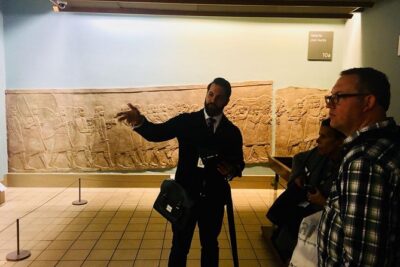
The British Museum London – Exclusive Guided Museum Tour
Read our review →
Browse the lists this tour appears in