
Reviewed · MUSEUMS
London: Florence Nightingale Museum Ticket
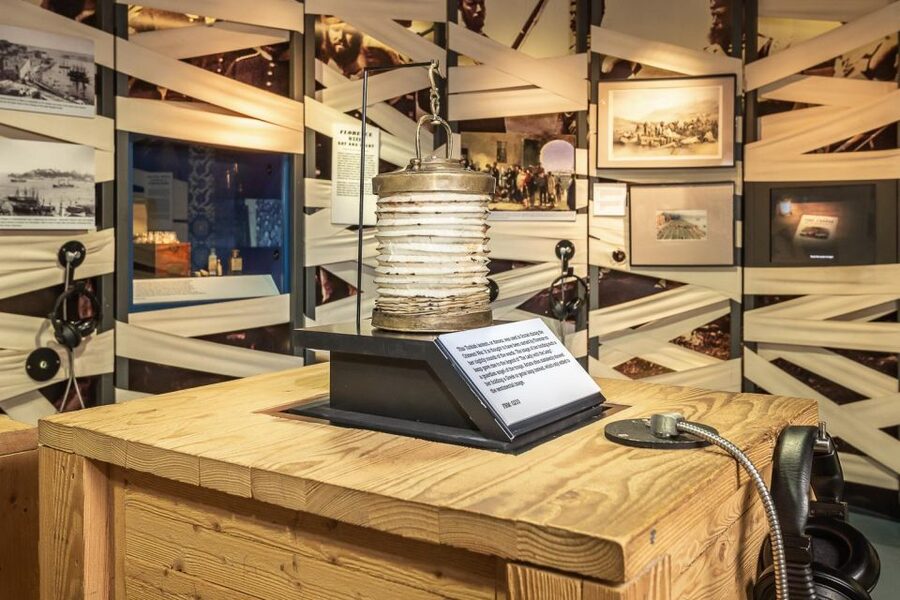
The most memorable part of this small London museum is seeing the actual lamp Florence Nightingale carried during the Crimean War. Her pet owl Athena and medicine chest add a surprisingly personal touch to a story that is often reduced to one famous nickname.
I like the museum’s clear look at both Nightingale’s private life and public work. I also like its focus on medical care for ordinary people, not just her wartime fame. The main drawback is its size: you should not expect a full-day museum visit, and food and drinks are not allowed inside.
In This Review
- Key points to know
- Why Florence Nightingale’s lamp matters
- Starting with an affluent childhood
- Following her move into nursing
- The Crimean War story in context
- Athena the owl and the personal side of the collection
- Her campaign for better care
- How much time should you allow?
- Is the $16 ticket good value?
- Access, group size, and practical limits
- Who will enjoy this museum most?
- Should you book the Florence Nightingale Museum?
- FAQ
- Where is the Florence Nightingale Museum?
- When is the museum open?
- Does the museum open late?
- What can I see at the museum?
- Is the museum wheelchair accessible?
- Can I cancel my ticket?
- Are food and drinks allowed inside?
Key points to know
- Florence’s lamp and medicine chest: See objects linked directly to her nursing work and the image of The Lady with the Lamp.
- Athena the owl: Her preserved pet owl gives the collection an unusual, intimate detail.
- From privilege to nursing: Learn how Nightingale challenged her family’s wishes to follow the work she felt called to do.
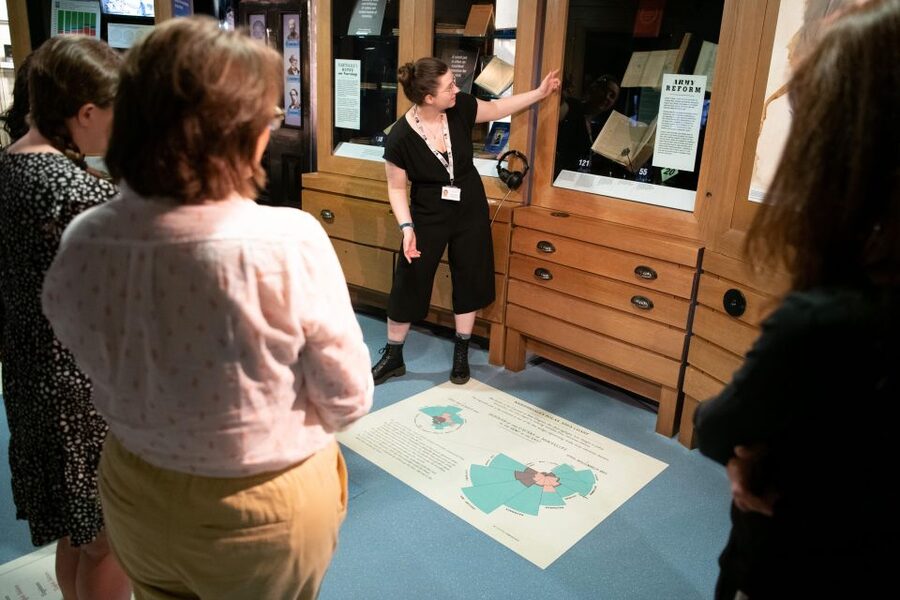
- Crimean War and healthcare reform: The displays connect her wartime service with her later campaign for better care.
- Near London’s major sights: The museum is at St Thomas’ Hospital, a short walk from the Houses of Parliament and London Eye.
- Flexible one-day admission: Enter anytime during opening hours on your booked date, with free cancellation up to 24 hours ahead.
Why Florence Nightingale’s lamp matters
The lamp is the object most people come to see, and rightly so. It gives a physical shape to the familiar story of Nightingale walking among wounded soldiers at night. The nickname The Lady with the Lamp can feel like a polished schoolbook image, but the object itself brings the story closer.
I find artifacts like this more useful than a room full of dates. You can look at the lamp and then consider the work behind the symbol: long hours, poor conditions, practical nursing, and a determined effort to improve care. The museum uses the object as a starting point rather than an ending.
You will also see Nightingale’s medicine chest. That helps place her work in the world of hands-on treatment. She was not simply a famous administrator or reformer. Her career connected direct patient care with wider changes in hospitals, nursing education, and public health.
The collection is especially effective for anyone who knows only the basic outline of her life. You get the famous lamp, but also a better sense of the person who used it and the problems she spent years trying to fix.
More London museums to visit:
- Tower of London and Crown Jewels Exhibition Ticket
★ 4.5 · 6,677 reviews - London: Chelsea Football Club Stadium and Museum Tour
★ 4.8 · 4,576 reviews - Chelsea FC Stadium Tours and Museum
★ 5.0 · 1,908 reviews
Starting with an affluent childhood
The museum does not begin with Nightingale as a nurse. It first shows her family background and privileged childhood. That matters because her choice of career was not the obvious path for a woman of her social position.
You learn that she faced opposition from her parents when she wanted to become a nurse. Nursing was not viewed by her family as a suitable direction for someone raised in comfort. Her decision therefore involved more than selecting an interesting job. It meant pushing against expectations built into her family and society.
I like this section because it gives her later achievements a human scale. A young person from a wealthy family could have lived a quiet life with little public responsibility. Instead, Nightingale pursued work that demanded discipline and exposed her to difficult conditions.
The displays also help explain why her story remains useful today. Her achievement was not only that she entered nursing. She helped argue that nursing required training, standards, organization, and serious public support.
For younger visitors, this part can open a useful conversation about making difficult choices. For adults, it shows that Nightingale’s progress did not happen because the path was easy. She had to make the path herself.
Following her move into nursing

As you move through the collection, the focus shifts from family resistance to Nightingale’s work. The museum presents nursing as a calling she pursued with purpose, rather than as a role she simply accepted.
You can expect the displays to connect her personal choices with the practical realities of care. Her medicine chest is important here because it turns an abstract account of nursing into something you can picture. Tools and personal objects help you think about the daily work behind her public reputation.
The exhibit also shows how Nightingale’s interests grew beyond individual patients. She became concerned with how care was organized and how hospitals treated people. That wider view is one reason her influence reached far beyond a single period or location.
I would give this section time instead of rushing to the Crimean War material. It explains why the later story matters. Without it, the lamp can seem like a famous prop. With it, you see a determined professional building the knowledge and conviction that shaped her work.
The museum is presented in English, and an English-speaking host or greeter is associated with the experience. The ticket itself is designed for independent museum access, so you should not expect a long guided tour led by a named historian.
The Crimean War story in context
Nightingale became best known for her work during the Crimean War, and this is a major part of the museum visit. The displays connect her service there with the image that made her famous, but they also point toward the hard work behind that image.
The lamp matters because it represents visibility and care at a time when wounded soldiers needed both. Yet Nightingale’s contribution was not limited to walking through wards at night. Her work involved improving conditions, organizing nursing, and pressing for better standards.
That distinction is worth keeping in mind. The heroic image is easy to remember, but the museum encourages you to look at the systems around it. Better nursing required planning, evidence, training, and public pressure. The collection gives you a chance to see Nightingale as a reformer, not only as a compassionate figure.
One review praised the extent of the medical information and found the material especially meaningful for someone living with a medical condition. That is a useful clue about the museum’s tone. This is not merely a celebrity biography. The medical details can speak directly to people who have experienced illness, care, or hospital treatment themselves.
If your main interest is military history, the museum may feel narrower than a large war museum. Its purpose is to explain Nightingale’s nursing and healthcare work, not to provide a full account of the Crimean War.
A few more London days worth a look
- London: The London Eye Entry Ticket
★ 4.6 · 35,875 reviews - London: Tower Bridge Entry Ticket
★ 4.7 · 15,560 reviews - London: Westminster Abbey Entrance Ticket
★ 4.6 · 11,254 reviews - London: St Paul’s Cathedral Entry Ticket
★ 4.7 · 9,813 reviews
Athena the owl and the personal side of the collection

Athena, Nightingale’s pet owl, is one of the museum’s most unusual objects. After the lamp, it may be the detail you remember most clearly.
A pet owl gives the collection a welcome change of pace. Nightingale is often presented as stern, tireless, and almost too worthy to be real. Athena reminds you that she also had personal interests and attachments.
Small personal artifacts can do useful work in a museum. They help you see a public figure as a person with a home life, habits, and private connections. In this case, the owl makes the display less formal and more memorable without taking attention away from her professional achievements.
The museum also presents her family and childhood, so Athena fits into a broader portrait. You are not just moving from one achievement to another. You are seeing different parts of her life, including the people and objects that surrounded her.
This is a good stop for families because the owl may hold a child’s attention while adults read the more serious material. Still, do not mistake the personal objects for a light entertainment section. They support the larger story of a woman whose public life was shaped by private choices.
Her campaign for better care
The strongest reason to visit is the move from biography to reform. Nightingale did not stop once she had gained fame. She campaigned for better healthcare for ordinary people and helped change how nursing was understood.
This part gives the museum its lasting relevance. A visitor can admire the lamp, but the more important question is what Nightingale did with her influence. She used it to push for better care and more serious treatment of nursing as a profession.
I appreciate that this makes the visit about ideas as well as objects. You are encouraged to consider how healthcare works, who receives good care, and what happens when institutions lack proper standards. Those questions still feel close to daily life.
The museum also helps show the link between nursing and public health. Caring for one patient matters, but improving the way hospitals operate can affect thousands of people. Nightingale worked across both levels.
This is where the museum may appeal most to nurses, healthcare workers, students, and people interested in social reform. It also suits anyone who enjoys biographies with a practical point. You leave with more than a famous image. You get a clearer sense of how one person argued for change.
How much time should you allow?

The ticket is valid for one day, with entry anytime during the museum’s opening hours on your booked date. The museum is open Tuesday through Sunday from 10am to 5pm, with last entry at 4:30pm.
Because the collection is focused, I would treat it as a short cultural stop rather than the main event of your day. Plan it alongside other sights on the South Bank. St Thomas’ Hospital is a short walk from the Houses of Parliament and the London Eye, so you can fit the museum around a Westminster or riverside visit.
The one-day validity does not mean you need to spend the entire day there. It gives you freedom to choose a convenient arrival time. That is handy if you are arranging several London sights or want to avoid locking yourself into a strict starting time.
On the last Thursday of each month, the museum stays open until 8pm, with last admission at 7:30pm. There is a cash and card bar in the museum shop after 5pm on those evenings. This late opening does not apply in December, so check the date before planning an evening visit.
Is the $16 ticket good value?
At $16 per person, the ticket is reasonably priced for a central London museum, especially if Florence Nightingale is a main interest. The value comes from seeing authentic objects and getting a focused account of her life without committing half a day to a huge institution.
I would not judge the price by the number of rooms. A small museum can be worthwhile if its collection has a clear purpose. Here, the lamp, owl, medicine chest, family story, wartime work, and healthcare campaign fit together around one person.
The value is strongest for visitors who already want to understand Nightingale or nursing. If you are only looking for a general London attraction, the price may feel less compelling than a large museum with many subjects and galleries.
You also save time by visiting a focused collection near major sights. After seeing Parliament or the London Eye, you can add the museum without crossing the city. That location helps make the ticket more practical.
Free cancellation up to 24 hours before the visit adds useful flexibility, and you can reserve now and pay later. Those terms matter if your London schedule is still changing.
Access, group size, and practical limits
The museum is wheelchair accessible, which makes it a workable choice for visitors who need step-free access. The experience is listed as a small group, limited to nine participants, though the ticket is primarily for museum entry rather than a long group excursion.
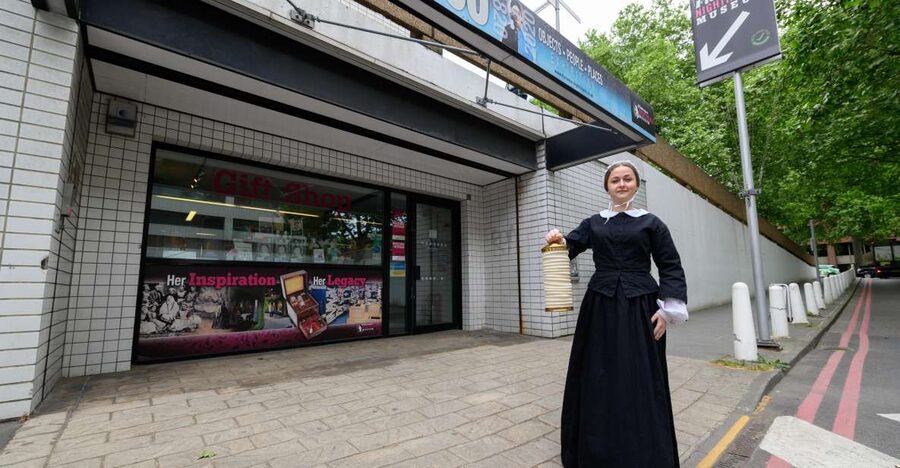
Look for signs to the Florence Nightingale Museum inside the grounds of St Thomas’ Hospital. The museum is at parking level. Give yourself a few minutes to find the correct entrance rather than assuming it will be directly visible from the London Eye or Parliament.
Food and drinks are not allowed inside. Have a snack before you enter if you are fitting the museum between major sights. The museum shop has a cash and card bar during the late opening on the last Thursday of the month after 5pm, but that special arrangement should not be treated as a general food option.
The language is English. If you need a visit in another language, this ticket does not provide that option in the supplied details.
Who will enjoy this museum most?
I would recommend it first to people interested in nursing, medicine, public health, women’s social history, and biographies of reformers. It is also a thoughtful stop for anyone who wants to understand why Florence Nightingale remains important beyond the familiar lamp image.
Families can make good use of the visit, especially because Athena the owl gives children a personal detail to remember. Younger visitors may need help with the longer medical and social explanations, but the museum’s objects provide natural points for conversation.
It also suits visitors with limited time in London. The South Bank location lets you pair it with the London Eye, Parliament, or a walk along the river. You will get more from it if you allow enough time to read rather than treating it as a quick photograph stop.
I would be less likely to recommend it if you want a broad museum about London, a large military collection, or a fully guided walking tour. The experience has a clear subject and stays close to Nightingale’s life and work.
Should you book the Florence Nightingale Museum?
Book it if you want a focused, affordable look at the woman behind one of nursing’s most famous images. The authentic lamp, Athena the owl, and medicine chest give the visit memorable objects, while the material on healthcare reform adds real substance.
Skip it if your London schedule is already packed and Florence Nightingale does not interest you. For everyone else, its central location, flexible entry, wheelchair access, and $16 price make it an easy add-on, especially for nurses, medical students, families, and visitors who value practical stories of social change.
FAQ
Where is the Florence Nightingale Museum?
The museum is at parking level in the grounds of St Thomas’ Hospital. It is a short walk from the Houses of Parliament and the London Eye.
When is the museum open?
It is open Tuesday through Sunday from 10am to 5pm, with last entry at 4:30pm.
Does the museum open late?
Yes. On the last Thursday of each month, it stays open until 8pm, with last admission at 7:30pm. There is no late opening in December.
What can I see at the museum?
You can see authentic artifacts connected with Florence Nightingale, including her lamp, medicine chest, and pet owl Athena. The displays cover her childhood, family, nursing work, Crimean War service, and healthcare campaigns.
Is the museum wheelchair accessible?
Yes. The Florence Nightingale Museum is wheelchair accessible.
Can I cancel my ticket?
Yes. You can cancel up to 24 hours in advance for a full refund.
Are food and drinks allowed inside?
No. Food and drinks are not allowed inside the museum.
Latest arrivals on the London list
- Heathrow Airport to London Arrival Transfer★ 4.5 · 50 reviews
- London Beatles Tour★ 5.0 · 50 reviews
- One Way Taxi Transfer from London to Gatwick Airport★ 5.0 · 51 reviews
- London: Hidden Baker Street Tube Station Tour★ 4.7 · 51 reviews
- City & Secrets: Explore London’s Hidden Gems★ 5.0 · 51 reviews
- London Christmas Lights Open-Top Bus Tour. 2025 Early Bird★ 3.6 · 51 reviews
- 4 hour London Private Tour, with your own Black Cab Tour Guide★ 5.0 · 51 reviews
- The Beatles Magical History Black Taxi Tour London★ 5.0 · 51 reviews
Museums, compared.
Tower of London and Crown Jewels Exhibition Ticket
Read our review →
Chelsea Football Club Stadium and Museum Tour
Read our review →


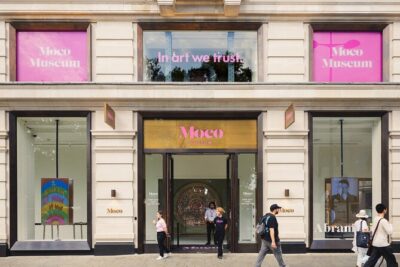
Official tickets: Moco Modern & Contemporary Art Museum
Read our review →
British Museum London Guided Tour Semi-Private 8ppl Max
Read our review →
Browse the lists this tour appears in