
Reviewed · MUSEUMS
London: Freud Museum Entry Ticket
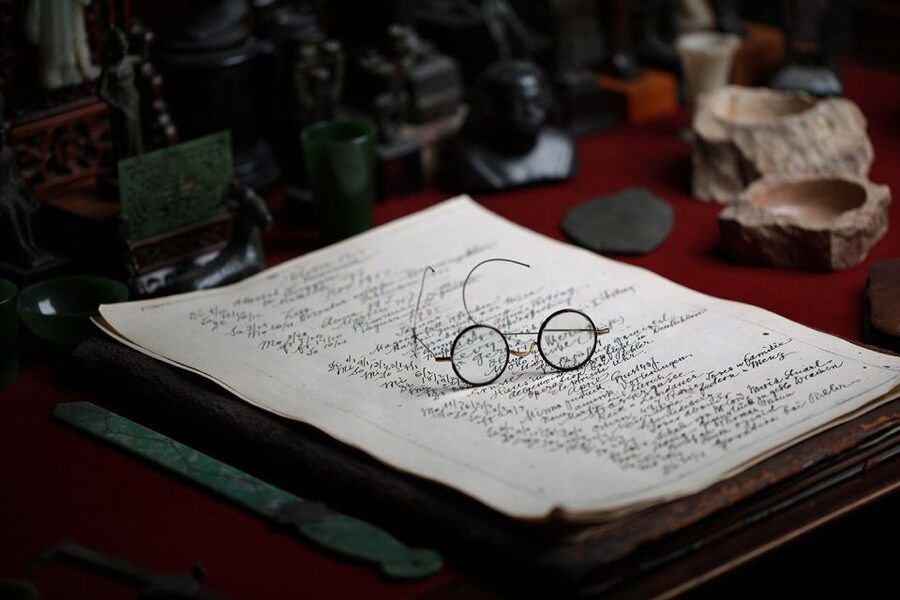
Sigmund Freud’s final London home gives you something most museums cannot: the chance to sit with the exact room where modern psychoanalysis took shape. His famous couch, desk, antiquities, and unusual custom chair remain in the Study, preserved much as he left them.
I like the authentic domestic setting, which makes Freud’s story feel personal rather than purely academic. I also like the short family film, with Anna Freud’s voice and a rare recording of Sigmund Freud, because it adds warmth to an otherwise quiet museum visit.
The main drawback is its narrow focus. If Freud, Anna Freud, psychology, or Vienna’s intellectual history do not interest you, the $19 admission may feel high for a small house museum. Bring your own phone and headphones for the audio guide.
In This Review
- Key points to know before you go
- Entering Freud’s final London home
- Freud’s Study and the famous couch
- The Dining Room and the story of psychoanalysis
- Anna Freud’s room and child psychoanalysis
- The 20-minute Freud family film
- The peaceful garden behind the house
- Audio guide, tours, and how much time to allow
- Is the $19 ticket good value?
- Who will enjoy this museum most?
- Practical advice for your visit
- Should you book the Freud Museum?
- FAQ
- Where is the Freud Museum located?
- How much does admission cost?
- How long is the ticket valid?
- Is an audio guide included?
- Is a guided tour included?
- What is the entry point?
- Can I cancel my booking?
Key points to know before you go
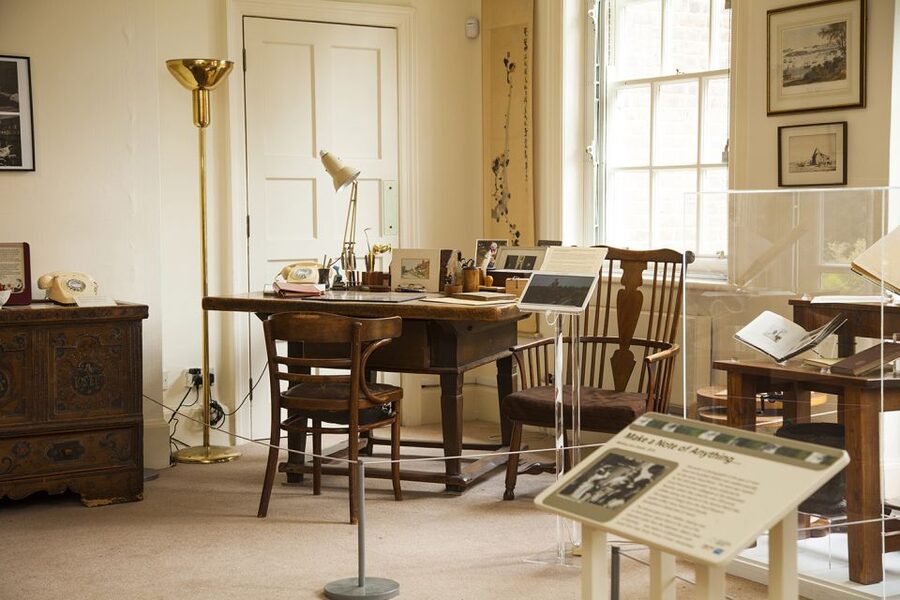
- Freud’s original Study contains the world-famous psychoanalytic couch, his desk, favourite antiquities, and a special chair designed around his sitting habits.
- Anna Freud’s room explains her pioneering work in child psychoanalysis and includes her couch and personal collections.
- A 20-minute film combines Anna Freud’s voice, a rare recording of Sigmund Freud, and footage from Vienna and London.
- The Salvador Dalí portrait opens a small but intriguing story about the surrealist’s 1938 meeting with Freud in London.
- The garden offers a quiet pause after the dense material inside the house.
- Thursday to Saturday at 2pm, admission includes a free tour, while the standard visit also includes an audio guide.
Entering Freud’s final London home
The Freud Museum occupies Sigmund Freud’s final home in London, where he lived with his daughter Anna Freud. The house carries a particular emotional weight because Freud arrived in London after leaving Vienna, bringing his personal belongings and intellectual life with him.
You enter through the shop at the back of the house. That detail matters because the front of a private home can be easy to miss, especially if you are approaching with a busy London day already in mind. Allow yourself time to get oriented before heading into the rooms.
This is not a large museum with galleries packed full of objects. It is a preserved home, and that changes the pace. You move from room to room, looking closely at furniture, personal items, portraits, and displays that connect Freud’s private life with the development of psychoanalysis.
The museum works best when you resist rushing. You can see the main rooms fairly quickly, but the meaning lies in the details. The house asks you to pause and consider the people who used these rooms, not simply pass through a display of famous names.
More London museums to visit:
- Tower of London and Crown Jewels Exhibition Ticket
★ 4.5 · 6,677 reviews - London: Chelsea Football Club Stadium and Museum Tour
★ 4.8 · 4,576 reviews - Chelsea FC Stadium Tours and Museum
★ 5.0 · 1,908 reviews
Freud’s Study and the famous couch
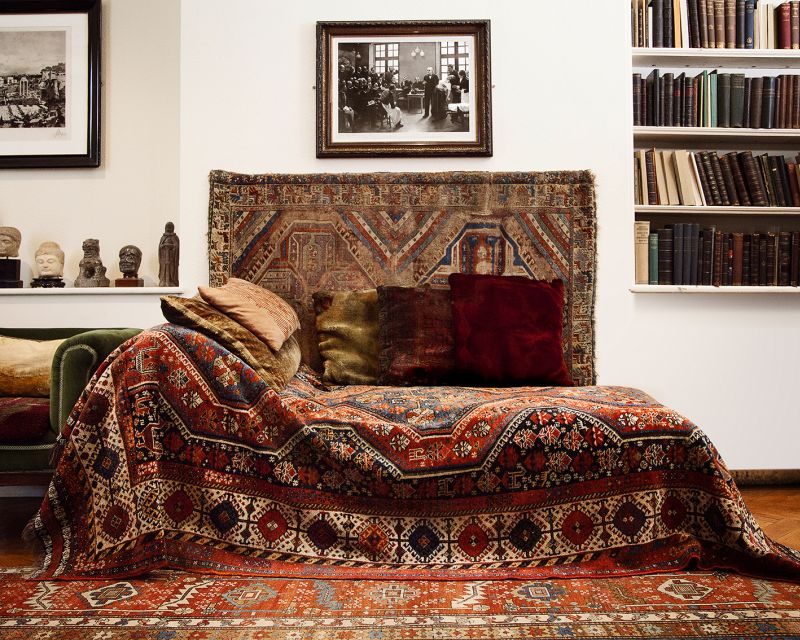
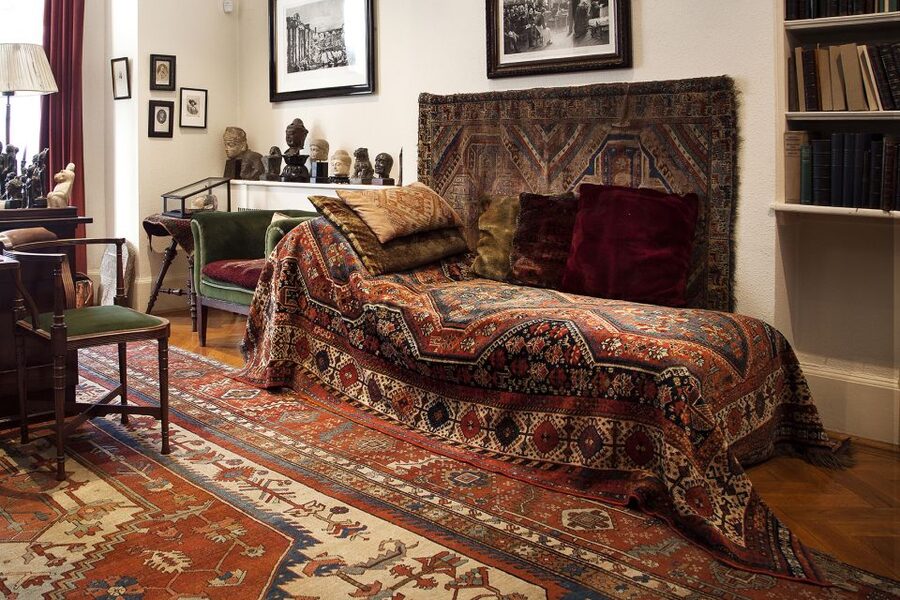
The Study is the heart of the visit. Here you see the world-famous psychoanalytic couch, the object most closely linked with Freud’s method. Its importance is not only visual. The couch helps you picture how psychoanalysis was practiced, with the patient speaking and Freud listening from his position in the room.
Freud’s desk is also here, surrounded by antiquities he collected and especially liked. These objects show a side of him that a textbook account can miss. He was not only a doctor and theorist. He was also a serious collector with a strong personal attachment to the objects around him.
The Study includes an unusual anthropomorphic chair designed especially for Freud. His preferred posture was to place his legs over one arm of the chair, and this piece of furniture was made to accommodate him. It is an oddly intimate detail, and one of the most memorable objects in the house.
I like this room because it avoids turning Freud into a distant monument. The couch is famous, but the chair and desk make him feel like a real person with habits, preferences, and a particular way of arranging his surroundings.
The Study is preserved as Freud left it, creating a powerful connection with his life in Vienna. You are not seeing a recreated set built to suggest a period. You are looking at a room carried from Freud’s world into his final London home.
That authenticity can also make the room feel solemn. There is no theatrical staging here, and the museum does not need it. The objects do the work. If you expect an interactive psychology exhibition, you may find the quiet approach restrained. If you value original objects and personal settings, the restraint is a strength.
The Dining Room and the story of psychoanalysis
The Dining Room shifts the focus from one man’s Study to the larger story of Freud’s family and psychoanalysis. This part of the museum helps place the famous couch and theories within a family setting.
That is useful because Freud’s work can be difficult to approach as a beginner. The Dining Room provides a broader frame, connecting his personal story with the ideas that made him one of the most influential figures in psychology.
You should not expect a full academic course here. The museum gives you an introduction and a human setting rather than a complete survey of every debate surrounding Freud’s theories. The experience is strongest when you arrive with curiosity, not the expectation of settling every question about psychoanalysis in one visit.
The family story also keeps the museum from becoming a single-person shrine. Freud’s work did not exist apart from the people around him, and the house gives space to that wider story.
Anna Freud’s room and child psychoanalysis
Anna Freud’s room offers an important second viewpoint. She was a pioneering child psychoanalyst, and her work deserves more than a brief mention as Freud’s daughter.
You can see her couch and collections, then learn how her contribution focused on children. This gives the visit a useful balance. Sigmund Freud’s Study is associated with the origin of psychoanalysis, while Anna Freud’s room points toward its application in child development and treatment.
I find this one of the most valuable parts of the visit because it changes the family story. Anna was not simply preserving her father’s legacy. She developed her own professional path and became an important figure in child psychoanalysis.
The room is also a reminder that the museum is about two people. If you only spend time with the famous couch, you will miss much of the house’s purpose. Give Anna’s room the same attention you give the Study.
Alongside it, you will see a portrait of Sigmund Freud by Salvador Dalí. The portrait connects the museum to another major European cultural figure and opens the story of their meeting in London in 1938.
The Dalí connection is a small detail, but it adds texture to the visit. Freud’s circle included not only doctors and family members, but also artists and intellectuals. An article by Professor Ades explores Dalí’s sketches of Freud and offers more context for the meeting.
A few more London days worth a look
- London: The London Eye Entry Ticket
★ 4.6 · 35,875 reviews - London: Tower Bridge Entry Ticket
★ 4.7 · 15,560 reviews - London: Westminster Abbey Entrance Ticket
★ 4.6 · 11,254 reviews - London: St Paul’s Cathedral Entry Ticket
★ 4.7 · 9,813 reviews
The 20-minute Freud family film
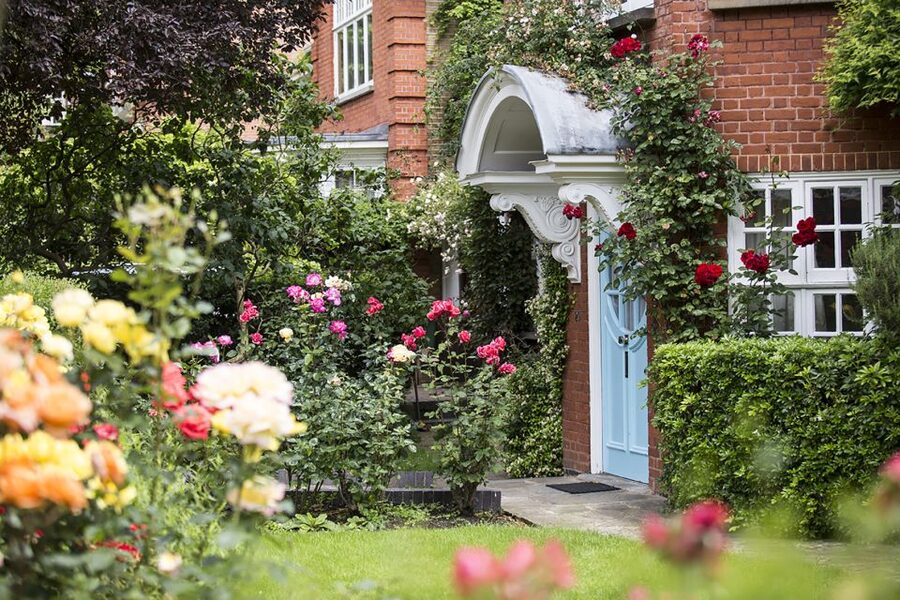
In the next room, you can watch a 20-minute film about the Freud family. This is a practical addition to the visit because it gives you a chance to sit down and absorb the story after examining the rooms.
The film includes voiceovers from Anna Freud, a rare recording from an interview with Sigmund Freud, and footage from Vienna and London. Those recordings provide something the furniture alone cannot: the sound of the people connected to the house.
I would make time for the full film rather than treating it as an optional extra. A rare voice recording can change your sense of historical distance, and the footage helps connect Freud’s earlier life in Vienna with his final period in London.
The film is also helpful if you know little about the Freud family. You do not need a background in psychology to follow it. It supplies a clear human thread through the rooms and helps explain why the London home matters.
At 20 minutes, it is short enough to fit comfortably into a one-day visit. It also gives you a natural pause between the indoor displays and the garden.
The peaceful garden behind the house
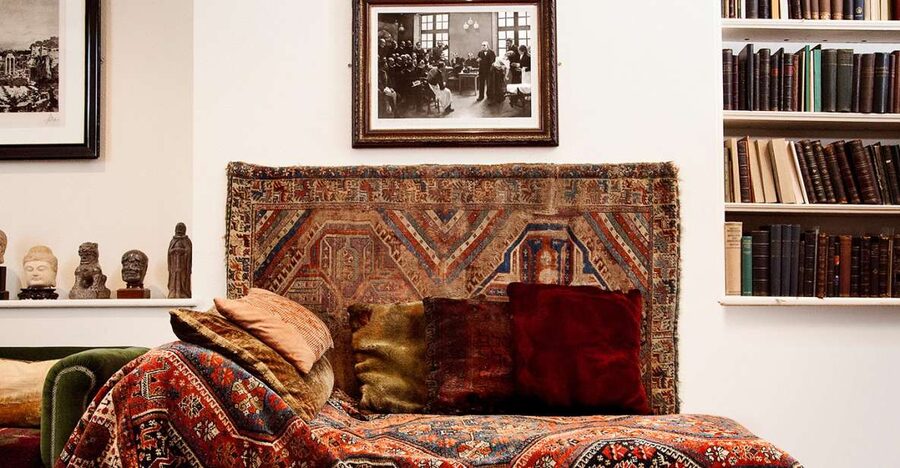
Finish with Sigmund Freud’s garden. After the concentrated material inside, the outdoor space offers a quieter ending.
The garden is not just a bonus patch of green. It helps you understand the house as a home rather than a collection of famous objects. Freud lived here, worked here, and kept a private domestic life here. A little time outdoors lets that idea settle.
I would save the garden for the end, even if you notice it early in the visit. It works best as a final pause after the Study, Anna Freud’s room, the family displays, and the film.
The garden may not be enough reason to visit on its own, but it adds balance to the experience. The indoor rooms are serious and emotionally charged. The outdoor space gives you somewhere to slow down before returning to London.
Audio guide, tours, and how much time to allow
Admission includes an audio guide, but you need to bring your own phone and headphones. This is an important practical detail. If you arrive without headphones, you may need to rely more on the displays or arrange your own listening setup.
A free tour is included from Thursday through Saturday at 2pm. If that time fits your day, it is worth considering because a live explanation can help connect the rooms and objects. The information provided does not identify the tour guide or give a precise tour length, so plan around the stated 2pm start rather than building your whole day around an assumed schedule.
You can visit on any available starting time during the ticket’s one-day validity. The museum is best treated as a focused stop rather than an all-day attraction. The house, film, garden, and audio material give you enough to consider, but the experience is not designed to occupy an entire day.
A slower visit is better than a hurried one. Give yourself time in the Study, watch the film, and sit in the garden. If you enjoy reading every panel and listening to the full guide, allow more time than someone making a quick cultural stop.
Is the $19 ticket good value?
At $19 per person, this is not a bargain attraction in the way a large free museum might be. The value comes from the original setting and objects, not from the number of rooms.
You are paying to see Freud’s actual final home, his Study, his couch, desk, antiquities, and chair. You also receive access to Anna Freud’s room, the Dalí portrait, the family film, the garden, and an audio guide. For someone interested in psychoanalysis, Freud, Anna Freud, or European intellectual history, that is a fair package.
The value is weaker if you only want to see one famous object. The couch is the headline feature, but the visit earns its price through the relationship between all the rooms. The family story, Anna Freud’s work, the recordings, and the preserved domestic setting make the museum more than a single-photo stop.
A 4.8 rating from 233 reviews indicates that the experience has made a strong impression overall. Recent booking feedback includes brief but very positive comments, along with a Hebrew note describing it as interesting and thought-provoking. One January 2026 rating gave four out of five and still recommended the museum, which suggests broad approval with room for individual expectations to differ.
Who will enjoy this museum most?
I would recommend the Freud Museum to:
- People interested in psychology, psychoanalysis, or the history of medicine.
- Visitors who prefer original homes and personal objects to large modern exhibitions.
- Anyone curious about Freud’s move from Vienna to London.
- Readers interested in Anna Freud and the development of child psychoanalysis.
- Art lovers who would like to see Salvador Dalí’s portrait of Freud.
- Visitors who enjoy short films, audio interpretation, and quiet garden spaces.
You do not need specialist knowledge. The museum introduces the key people and ideas, and the audio guide can help fill in the gaps.
I would think twice if your main goal is a fast, highly interactive attraction. The visit is quiet, compact, and object-focused. Its effect comes from atmosphere and context, not elaborate technology or a packed schedule.
The museum also suits a solo visit or a calm cultural afternoon. The subject matter can be serious, and the Study in particular has an emotional quality. You may appreciate having time to look without feeling pushed from one large gallery to another.
Practical advice for your visit
Enter at the back of the house through the shop. This is the stated meeting and entry point, so do not assume the front door is where you begin.
Bring your phone and headphones for the free audio guide. The ticket includes admission, but headphones are not included.
If you want the free tour, aim for Thursday, Friday, or Saturday at 2pm. Check availability for the exact starting times before you set your day around the visit.
The ticket is valid for one day, and you can reserve now while paying later. Free cancellation is available up to 24 hours in advance for a full refund, which gives you some flexibility when planning a London itinerary.
Should you book the Freud Museum?
Book it if you want an intimate look at Freud’s final home, especially if the original couch, his private Study, or Anna Freud’s child psychoanalysis interests you. The Dalí portrait and the family film add useful layers, while the garden gives the visit a calm finish.
Skip it if you want a large museum with many hands-on exhibits or a broad survey of London history. At $19, the ticket makes the most sense when you care about the subject and will take time with the rooms, audio guide, film, and garden.
For the right visitor, this is a focused and memorable stop. You leave with more than an image of the famous couch. You see the rooms, objects, family connections, and personal habits behind one of the most influential figures in modern psychology.
FAQ
Where is the Freud Museum located?
The Freud Museum is in South East England, in Sigmund Freud’s final London home.
How much does admission cost?
The listed price is $19 per person.
How long is the ticket valid?
The ticket is valid for one day. Starting times depend on availability.
Is an audio guide included?
Yes, admission includes an audio guide. You need to bring your own phone and headphones.
Is a guided tour included?
A free tour is included Thursday through Saturday at 2pm.
What is the entry point?
Go to the back of the house and enter through the shop.
Can I cancel my booking?
Yes. You can cancel up to 24 hours in advance for a full refund. You can also reserve now and pay later.
Latest arrivals on the London list
- Heathrow Airport to London Arrival Transfer★ 4.5 · 50 reviews
- London Beatles Tour★ 5.0 · 50 reviews
- One Way Taxi Transfer from London to Gatwick Airport★ 5.0 · 51 reviews
- London: Hidden Baker Street Tube Station Tour★ 4.7 · 51 reviews
- City & Secrets: Explore London’s Hidden Gems★ 5.0 · 51 reviews
- London Christmas Lights Open-Top Bus Tour. 2025 Early Bird★ 3.6 · 51 reviews
- 4 hour London Private Tour, with your own Black Cab Tour Guide★ 5.0 · 51 reviews
- The Beatles Magical History Black Taxi Tour London★ 5.0 · 51 reviews
Museums, compared.
Tower of London and Crown Jewels Exhibition Ticket
Read our review →
Chelsea Football Club Stadium and Museum Tour
Read our review →

Official tickets: Moco Modern & Contemporary Art Museum
Read our review →
British Museum London Guided Tour Semi-Private 8ppl Max
Read our review →
Browse the lists this tour appears in