
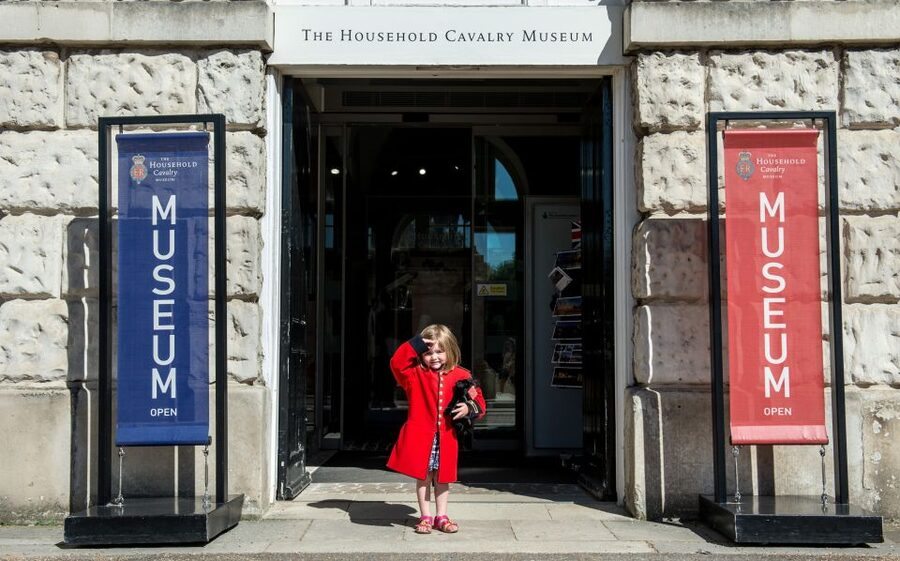
Reviewed · MUSEUMS
London: Household Cavalry Museum Entry Ticket
The most unusual part of this London museum is that it is still connected to working soldiers and horses. You can look through a large glazed partition into the original 18th-century stables, where Household Cavalry troopers and their horses carry on with their daily work. I like that this is not just a room full of old objects. The living stable gives the visit a real link to the present.
I also like the personal stories about the troopers and their demanding training, along with the interactive displays that explain the building and the two senior regiments. The main drawback is size: at about 60 minutes, this is a compact museum, and anyone expecting a large cavalry complex may find it too brief.
In This Review
- Key points to know before you go
- Why the working stables are the main attraction
- Inside Horse Guards, a building from 1750
- The Life Guards and the Blues and Royals
- Personal accounts bring the training to life
- Rare objects and interactive displays
- A realistic 60-minute route
- How the $14 ticket measures up
- Who will enjoy this most
- Practical details that affect your visit
- Is the museum good for children?
- How it fits into a Whitehall day
- Should you book the Household Cavalry Museum?
- FAQ
- How long should I allow for the Household Cavalry Museum?
- Is a tour guide included?
- Can I see the Household Cavalry horses?
- Is the museum wheelchair accessible?
- Are pets allowed inside?
- Can I cancel my booking?
Key points to know before you go
- See working horses through glass: Look into the original stables without interrupting the Household Cavalry’s daily routine.
- Learn about two senior regiments: The museum explains the Life Guards and the Blues and Royals.
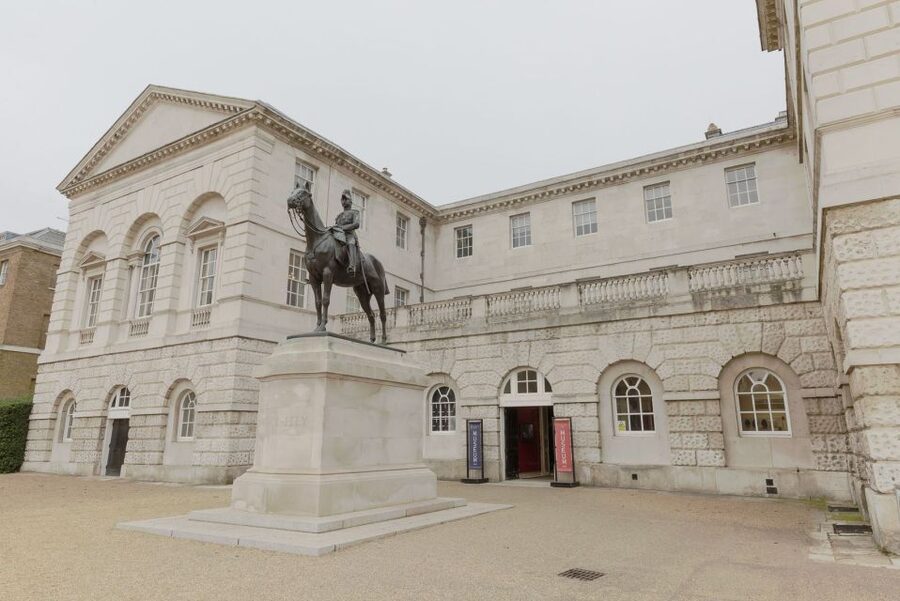
- Visit a 1750 building: Horse Guards remains the headquarters of the Household Division.
- Hear troopers’ own accounts: Personal stories and training details make the military displays easier to understand.
- Plan for a short visit: Allow at least 60 minutes, with no tour guide included.
- Good central-London value: At $14 per person, this works well as a focused stop in Whitehall.
Why the working stables are the main attraction
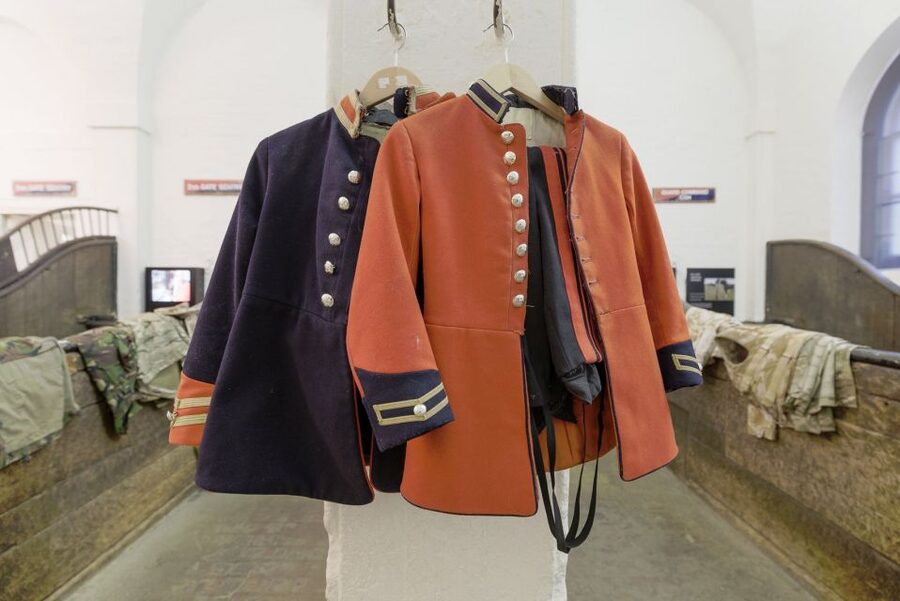
Many military museums separate the past from the present. Here, the most interesting feature is the view into the working stables. Through the large glazed partition, you can see where Household Cavalry horses are kept and where troopers continue their duties.
That view changes the feel of the whole visit. You are not only looking at a uniform worn long ago or reading about a ceremony from a history panel. You are seeing the setting where the mounted guards still prepare and work. The horses also give children a clear point of interest, even if they have no special knowledge of British military history.
You should keep your expectations sensible. The experience does not promise a long stable tour or close contact with the animals. You look through the partition, and the museum remains a museum rather than a hands-on riding visit. One booking experience described the stable element as too limited, so this is not the right choice if your main aim is a full behind-the-scenes horse tour.
Still, the glass viewing area is valuable because it shows the practical side of the Household Cavalry. It helps explain why the displays focus on training, equipment, discipline, and routine. The ceremonial image seen around Whitehall has a working foundation, and this museum gives you a glimpse of it.
More London museums to visit:
- Tower of London and Crown Jewels Exhibition Ticket
★ 4.5 · 6,677 reviews - London: Chelsea Football Club Stadium and Museum Tour
★ 4.8 · 4,576 reviews - Chelsea FC Stadium Tours and Museum
★ 5.0 · 1,908 reviews
Inside Horse Guards, a building from 1750
The museum is located within Horse Guards in Whitehall, central London. The building dates from 1750 and remains the headquarters of the Household Division. That setting gives the visit more weight than a collection placed in a modern exhibition hall.
As you move through the museum, you are learning about a building that still serves its original military connection. The Household Cavalry has performed the Queen’s Life Guard for more than 350 years, a long tradition that links the displays to the public ceremonies associated with Horse Guards.
The building itself is part of the story. You can think of the museum as a compact route through three connected subjects: the place, the people, and the regiments. The place is Horse Guards and its stables. The people are the troopers whose training and duties are explained through personal accounts. The regiments are the Life Guards and the Blues and Royals.
That structure helps you get your bearings quickly. You do not need to know British Army organization before arriving. The museum introduces the Household Cavalry as part of the British Army, then shows how its ceremonial role connects with military service.
The Life Guards and the Blues and Royals
A central purpose of the museum is to explain the two senior regiments of the British Army: the Life Guards and the Blues and Royals. Their names, uniforms, and traditions can be confusing if you only see the mounted guards from a distance.
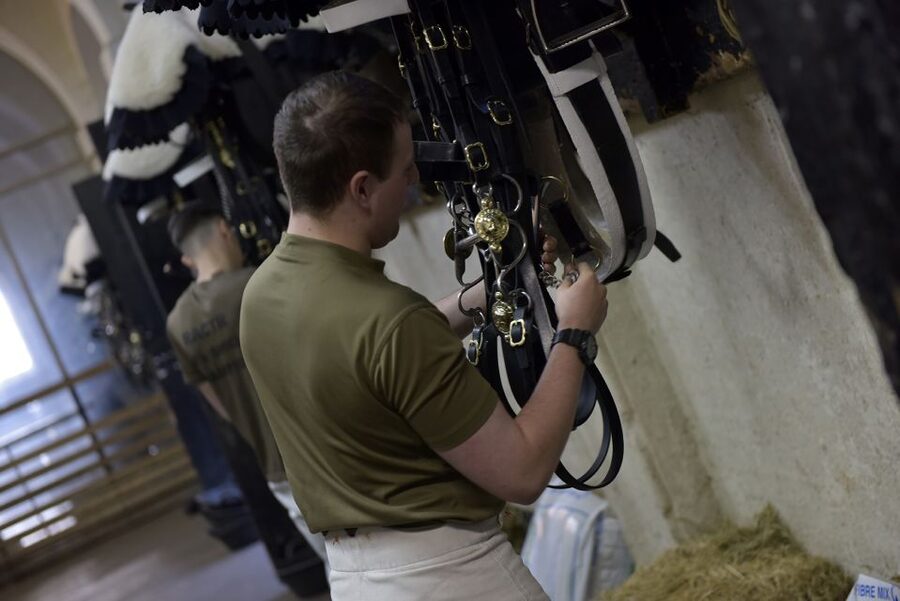
The displays give you a chance to understand the difference between the regiments and their place within the Household Cavalry. Rare objects, uniforms, and other military items help put names and traditions into physical form.
Some of the objects are described as being shown publicly for the first time. That makes the collection more appealing to people who already know something about British military history. You may recognize familiar ceremonial themes, but find new detail in the less familiar objects and personal material.
I would not expect every display to receive the same amount of space. This is a small museum, so the information is selective rather than exhaustive. Its strength is the connection between the objects and the working headquarters around you. If you want a broad history of the British Army, you need a much larger military museum. If you want a focused introduction to the Household Cavalry, the scale works well.
Personal accounts bring the training to life
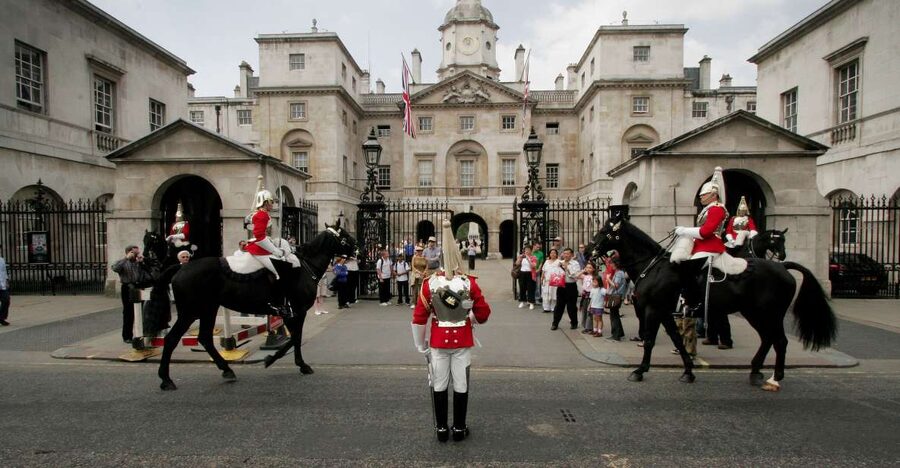
The best museum displays do more than list dates and titles. Here, personal accounts from troopers describe the rigorous and demanding training required for the role.
That human detail matters. A ceremonial guard can look motionless and polished from the outside, but the training behind that appearance is harder to see. First-hand accounts help you understand the effort behind the uniforms, horses, formations, and public duties.
You will not be joining a guided group led by a named expert. The ticket includes museum entry only, and no tour guide is included. Instead, you move at your own pace and use the displays to build the story yourself.
The self-guided format is useful if you have limited time. You can read closely where your interest is strongest, then move on. It is also a drawback if you prefer to ask questions or want a guide to explain the finer points of regimental history.
The current visitor information indicates an English-language visit without an audioguide. If you need detailed explanations in another language, keep that limitation in mind before booking. The interactive displays and personal accounts provide variety, but you should still be comfortable reading and listening in English.
A few more London days worth a look
- London: The London Eye Entry Ticket
★ 4.6 · 35,875 reviews - London: Tower Bridge Entry Ticket
★ 4.7 · 15,560 reviews - London: Westminster Abbey Entrance Ticket
★ 4.6 · 11,254 reviews - London: St Paul’s Cathedral Entry Ticket
★ 4.7 · 9,813 reviews
Rare objects and interactive displays
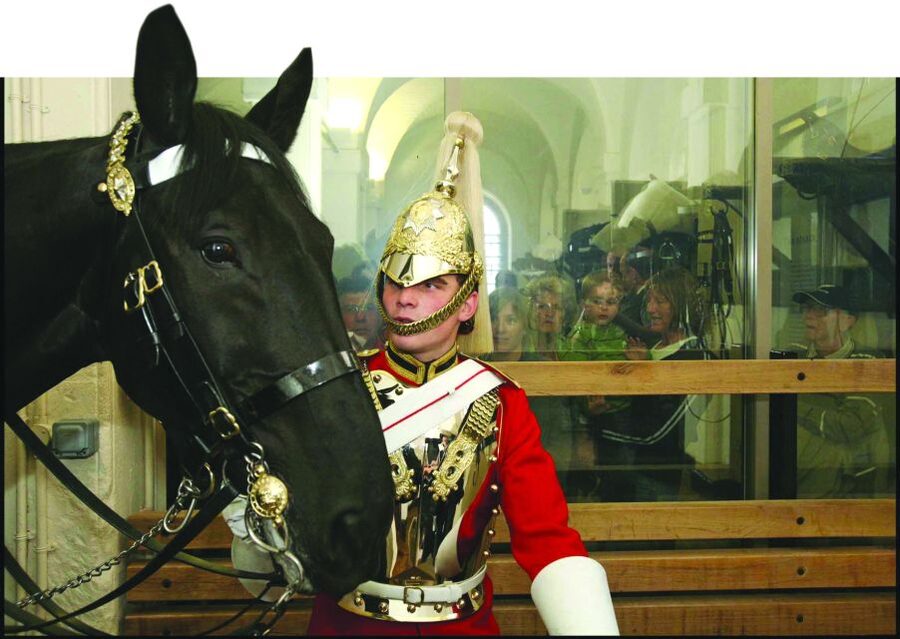
The museum combines traditional objects with interactive material. You can look at rare artifacts, then use displays that explain the building, the Household Cavalry, and the work of its troopers.
That mix makes the visit easier for families. Children may not read every historical panel, but the working horses and interactive elements give them something concrete to follow. One family-friendly assessment found the museum suitable for children, especially for young visitors who enjoy military subjects or animals.
Adults with a strong interest in military history will likely get more from the objects and the regimental background. The collection is described as unique, and its appeal comes from the mix of ceremonial tradition and active military work.
The word compact is important here. You will not spend half a day moving through a huge sequence of galleries. The museum is best treated as a focused stop, not the only attraction on your London itinerary. That can be an advantage in Whitehall, where you can combine it with other central sights without exhausting your schedule.
A realistic 60-minute route
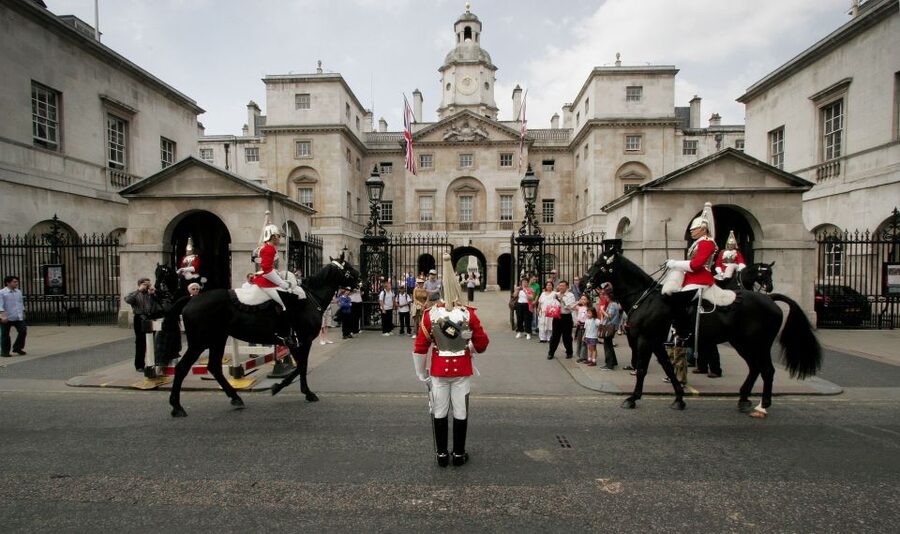
Allow at least 60 minutes for the visit. You may finish sooner if you skim the displays, but an hour gives you time to look into the stables, read the personal accounts, and explore the interactive sections without rushing.
A practical order is:
- Start with the building and the role of Horse Guards.
- Look through the glazed partition into the original stables.
- Read about the troopers’ training and personal experiences.
- Study the rare objects and military artifacts.
- Finish with the explanation of the Life Guards and the Blues and Royals.
This order moves from place to people to regiments. It also puts the stable view early, which is sensible if horses are your main reason for coming.
The visit has no fixed tour guide or stated group itinerary. One booking experience found that the ticket allowed open access during the selected day rather than a specific timed slot, with no wait to enter. Check the available date and entry conditions when you book, but the flexible format can make this easy to fit between other Whitehall plans.
How the $14 ticket measures up
At $14 per person, the museum offers reasonable value if you want a short, central London attraction with a clear subject. The price is easier to justify because the ticket connects three things that do not usually appear together: an historic building, a working stable, and a museum collection.
The value is weaker if you measure admission by hours alone. This is not a full-day attraction, despite the ticket being valid for one day. You should plan around an hour, then judge the price as an add-on to a day in Whitehall rather than as a major standalone outing.
I would recommend it most to visitors who already plan to be near Horse Guards. The museum is especially sensible for anyone interested in the British Army, uniforms, royal ceremony, horses, or military traditions. Families can also get good use from the stable window and interactive displays.
If your priority is a large collection with many galleries, you may feel that $14 buys too little. One negative assessment described the museum as too small and not enough like a stable visit. That criticism is fair if you arrive expecting extensive access to the horses. The ticket pays for a brief, focused museum experience with a stable view, not a full stable program.
Who will enjoy this most
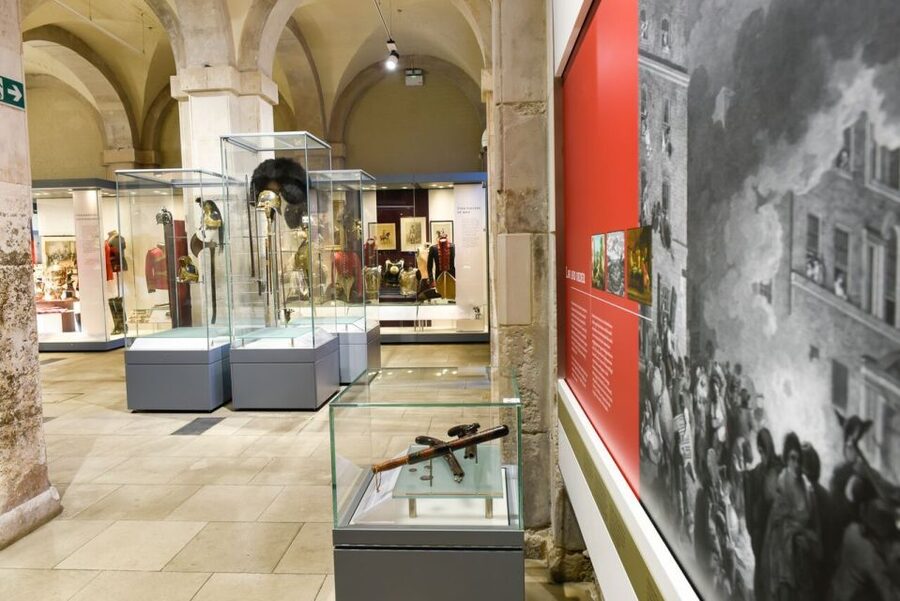
You are likely to appreciate the museum if you enjoy:
- British military history and regimental traditions
- Royal ceremonies and the Household Division
- Historic buildings still used for their original purpose
- Horses and working stables
- Short, self-guided museum visits
- Family attractions with interactive elements
You may want to skip it if you dislike military displays or want a large museum with several hours of material. The subject is narrow, and the visit depends heavily on your interest in the Household Cavalry.
It is also a good choice for a first introduction. You do not need detailed background knowledge to follow the basic story. The displays explain the role of the Household Cavalry and introduce the Life Guards and the Blues and Royals in a direct way.
Practical details that affect your visit
You meet directly at the Household Cavalry Museum in Horse Guards. There is no guide included, so plan to explore independently.
The ticket is valid for one day, and available starting times depend on the date you choose. The flexible booking arrangement may allow you to visit during the selected day rather than committing to a narrow time slot, but check the exact availability before purchase.
The experience is wheelchair accessible. Pets are not allowed, although assistance dogs are permitted. You should allow at least 60 minutes, and it is wise not to schedule another fixed activity immediately afterward if you want to read the displays carefully.
Free cancellation is available up to 24 hours in advance for a full refund. You can also reserve now and pay later, which helps if your London plans may change.
Is the museum good for children?
Yes, it can work well for children, particularly those who like horses, uniforms, or soldiers. The stable view gives them an immediate reason to pay attention, while interactive displays break up the reading.
The small size is useful with younger children. You are less likely to face the fatigue that comes with a huge museum, and an hour is a manageable visit for many families.
You should still explain that this is not a petting zoo or an open stable visit. The horses are viewed through glass, and the museum’s main purpose is historical and military education. Children who expect close animal contact may be disappointed.
How it fits into a Whitehall day
The museum works best as one part of a central London day. Because it is compact and self-guided, you can place it between other plans in Whitehall rather than building an entire day around it.
A morning or afternoon visit gives you enough time to read the displays and watch the stable area. The one-day validity and flexible access format can help if you are fitting the museum around sightseeing, meals, or changing weather.
The setting also gives you a useful sense of place. The Household Cavalry is not presented as a distant subject in an isolated museum. You are learning about it inside Horse Guards, a building that remains tied to the Household Division.
That connection is the museum’s strongest idea. The objects explain the past, the personal accounts explain the demands of service, and the horses show that part of the work continues today.
Should you book the Household Cavalry Museum?
Book it if you want a short and fairly priced museum visit with a real working-stable connection. I especially recommend it if you are already visiting Whitehall, have children interested in horses, or want a clearer understanding of the Life Guards and the Blues and Royals.
Do not book it expecting a large museum, a guided tour, an audioguide, or extensive access to the stables. The experience is focused, mostly in English, and best enjoyed as a one-hour stop.
For $14, I see it as a good-value choice for the right audience. Its strongest moments come from the combination of the 1750 building, the troopers’ personal accounts, and the glimpse into the working horses. If those details appeal to you, the compact size is a manageable limitation rather than a serious problem.
FAQ
How long should I allow for the Household Cavalry Museum?
You should allow at least 60 minutes for the visit.
Is a tour guide included?
No. The ticket includes entry to the Household Cavalry Museum, but no tour guide is included.
Can I see the Household Cavalry horses?
Yes. You can look through a large glazed partition into the original 18th-century stables and see the working troopers and horses.
Is the museum wheelchair accessible?
Yes, the activity is wheelchair accessible.
Are pets allowed inside?
Pets are not allowed. Assistance dogs are permitted.
Can I cancel my booking?
Yes. You can cancel up to 24 hours in advance for a full refund. You can also reserve now and pay later.
Latest arrivals on the London list
- Heathrow Airport to London Arrival Transfer★ 4.5 · 50 reviews
- London Beatles Tour★ 5.0 · 50 reviews
- One Way Taxi Transfer from London to Gatwick Airport★ 5.0 · 51 reviews
- London: Hidden Baker Street Tube Station Tour★ 4.7 · 51 reviews
- City & Secrets: Explore London’s Hidden Gems★ 5.0 · 51 reviews
- London Christmas Lights Open-Top Bus Tour. 2025 Early Bird★ 3.6 · 51 reviews
- 4 hour London Private Tour, with your own Black Cab Tour Guide★ 5.0 · 51 reviews
- The Beatles Magical History Black Taxi Tour London★ 5.0 · 51 reviews
Museums, compared.
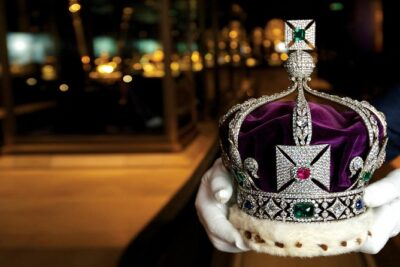
Tower of London and Crown Jewels Exhibition Ticket
Read our review →
Chelsea Football Club Stadium and Museum Tour
Read our review →
Official tickets: Moco Modern & Contemporary Art Museum
Read our review →
British Museum London Guided Tour Semi-Private 8ppl Max
Read our review →
Browse the lists this tour appears in