
Reviewed · MUSEUMS
London: Postal Museum Entry Ticket and Underground Rail Ride
London’s Postal Museum has one unbeatable trick: it takes you beneath the streets on the old Mail Rail, the Post Office railway built to move letters through tunnels under the city. The miniature train ride lasts about 15 minutes, but projected films, recorded commentary, and glimpses of the tunnel system make it far more than a simple amusement ride.
I like the hands-on mail-sorting carriage, where a wobbly floor helps you understand how workers sorted letters while the train was moving. I also like the mix of serious history and playful displays, from the Penny Black stamp and mail-defending pistols to stamp-design games for children. The main drawback is that the ride is short, and some of the museum feels aimed at younger children. Tall or claustrophobic visitors may also find the train tight.
In This Review
- Key points to know before you go
- Why London’s underground post railway matters
- Starting with the Mail Rail experience
- The practical reality of the miniature train
- The Penny Black and the birth of modern postage
- The wobbly-floor mail sorting challenge
- More than mail: telephones, design, and everyday life
- How long should you allow?
- Is $24 good value?
- Who should book this experience?
- Location, timing, and simple planning advice
- Should you book The Postal Museum?
- FAQ
- Where does the Postal Museum experience start?
- How long does the experience last?
- How long is the underground Mail Rail ride?
- What can I see at The Postal Museum?
- Is the Mail Rail train suitable for tall or claustrophobic visitors?
- Is the museum wheelchair accessible?
- Is the Sorted! Postal Play Space included?
- Can I cancel the booking?
Key points to know before you go
- The Mail Rail ride lasts about 15 minutes: It is the main attraction, with tunnel views, projected films, and commentary about the underground postal railway.
- The Penny Black is on display: You can see the world’s first postage stamp alongside objects that explain how modern mail began.
- Interactive exhibits suit families: Try sorting letters on a moving carriage, design a stamp, dress up, and explore communication through the generations.
- Plan on two to three hours: The advertised duration is 1.5 hours, but the exhibits reward a slower visit.
- The train is not ideal for everyone: Tight seating and enclosed tunnels may bother very tall or claustrophobic visitors.
- The café is useful but basic: It offers snacks and drinks, though busy periods can leave tables needing attention.
Why London’s underground post railway matters

Before email, text messages, and instant online communication, moving letters quickly across London was a serious engineering problem. Roads were crowded, and surface traffic could slow down the delivery of important mail.
The answer was Mail Rail, an underground railway operated by the Post Office for more than 100 years. The railway carried letters between sorting offices beneath London, keeping the mail moving away from road congestion. At The Postal Museum, you get to see part of that hidden system rather than simply reading about it on a wall.
I find this context important because it gives the ride a clear purpose. You are not riding an old train through a random tunnel. You are following the route of a working postal network, built to solve a real city problem.
The museum also puts the postal service into a much wider story about communication. You can trace changes in mail, post boxes, telephones, and other systems that helped people stay connected. The subject sounds narrow at first, but it quickly becomes a story about work, technology, family life, and the growth of London.
More London museums to visit:
- Tower of London and Crown Jewels Exhibition Ticket
★ 4.5 · 6,677 reviews - London: Chelsea Football Club Stadium and Museum Tour
★ 4.8 · 4,576 reviews - Chelsea FC Stadium Tours and Museum
★ 5.0 · 1,908 reviews
Starting with the Mail Rail experience
The underground railway ride is usually the part that makes the strongest impression. You board a miniature rail car and head into the old tunnels beneath the museum. The ride lasts around 15 minutes, with commentary and video projections used to explain the railway and the people who worked there.
It is a compact experience, not a long scenic train journey. At several points, the train stops or slows while films and projected images add background. This makes the ride feel like a short museum presentation on wheels.
The visual material includes a timeline projected onto the tunnel wall. This helps you follow the development of the postal system while the train moves through the same underground world that once carried letters across London.
The commentary also brings the railway to life through stories connected with former employees. That human element matters. Machinery and tunnels can feel cold and distant, but accounts of the workers show how demanding the system was and how much skill it required.
You should keep your expectations in check. The ride is short, and part of its length includes video stops rather than continuous travel. If you want a detailed study of the railway, you may wish it lasted longer. If you are visiting with children, though, the 15-minute length is useful. It gives them a memorable underground trip without asking them to sit still for too long.
The practical reality of the miniature train

The Mail Rail cars are small. If you are very tall, you may find the seating uncomfortable. The enclosed setting can also be difficult if you dislike confined spaces or darkness.
You will need to leave bags before boarding. This can sound worrying at first, but the train cars have separate lockers, and staff lock them before the ride and open them when you return. That arrangement keeps the boarding area clear and removes the need to carry a backpack into the tight carriage.
The ride is wheelchair accessible, which makes the attraction easier to consider for visitors who need step-free access. Still, anyone with particular mobility or seating requirements should confirm the current arrangements when booking, since the information supplied here does not describe every part of the boarding process.
I would put the train first on your visit. It gives you the basic story, and the museum exhibits make more sense after you have seen the tunnels and learned what the railway was built to do.
The Penny Black and the birth of modern postage
Back above ground, the museum moves into the story of the postal system itself. One of the key objects is the Penny Black, widely recognized as the world’s first postage stamp.
The stamp is small, so do not expect a grand display. Its importance comes from the change it represents. A simple stamp helped make postage more straightforward and more accessible, with the sender paying for delivery instead of leaving the recipient to handle the cost.
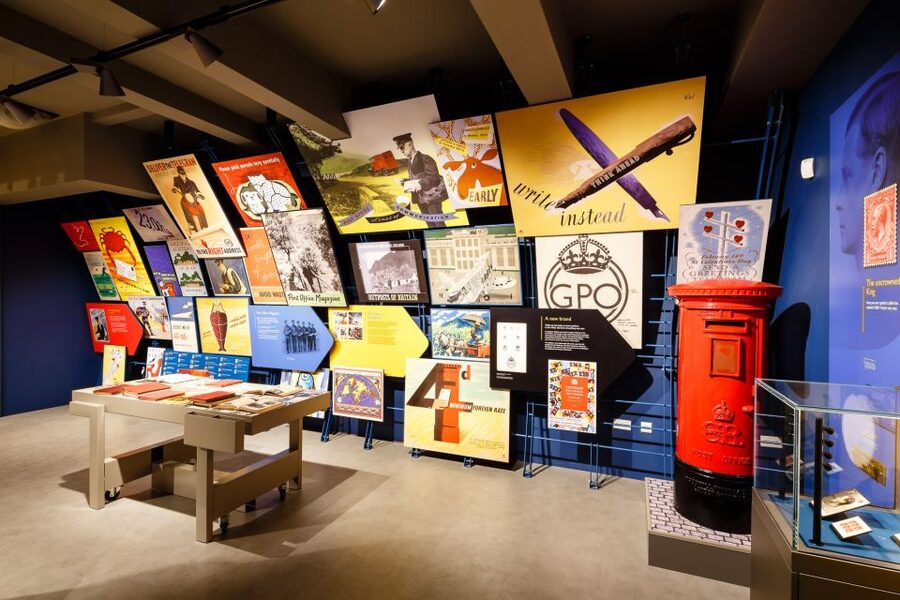
The museum places this development within more than 500 years of postal history. You can see how the system grew from early forms of organized delivery into a service that reached ordinary households.
Other displays explore the tools and dangers tied to the movement of mail. Flintlock pistols used to defend post deliveries from theft are a striking reminder that sending letters was once a physical and risky business. They add some drama to a subject that can otherwise seem like paperwork and administration.
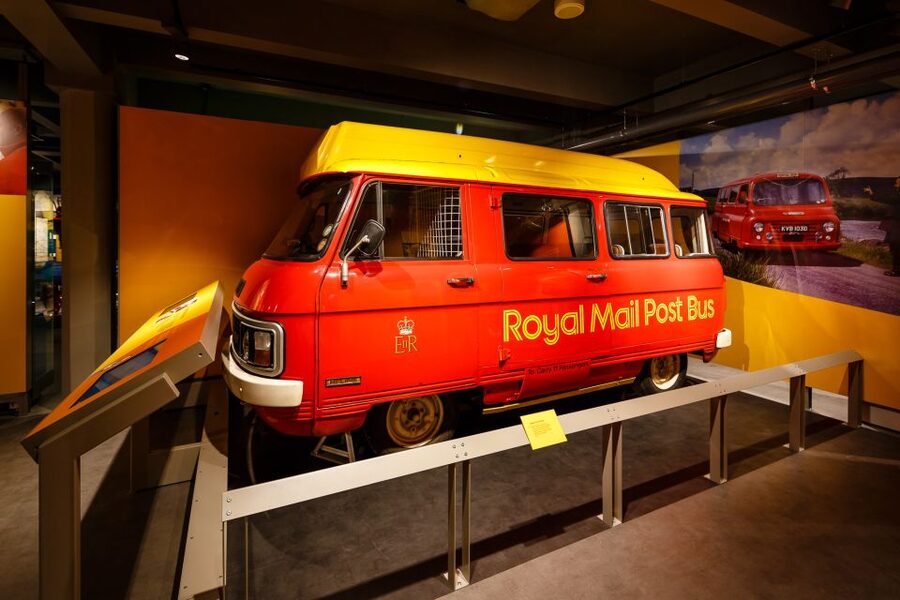
The museum also looks at the vehicles and working methods used to move mail. One memorable object is a Victorian miniature rail car that operated on London’s streets. It helps show that postal transport was not confined to grand railway stations or underground tunnels. The system depended on many types of vehicles, workers, and sorting points.
A few more London days worth a look
- London: The London Eye Entry Ticket
★ 4.6 · 35,875 reviews - London: Tower Bridge Entry Ticket
★ 4.7 · 15,560 reviews - London: Westminster Abbey Entrance Ticket
★ 4.6 · 11,254 reviews - London: St Paul’s Cathedral Entry Ticket
★ 4.7 · 9,813 reviews
The wobbly-floor mail sorting challenge
The mock-up train carriage is one of the best exhibits for understanding the work behind delivery. You can try sorting mail while standing on a moving, uneven floor.
The wobble is not just a gimmick. It gives you a small sense of the balance and concentration needed by workers who sorted letters while trains were in motion. It also turns a technical explanation into a physical activity you can understand in seconds.
This is especially good for families because adults and children can attempt the task together. You may find yourself laughing as you try to keep your footing, but the activity still teaches something real about postal work.
Other interactive displays explore communication across different generations. Children can learn how systems developed, while adults may recognize older telephones, post boxes, films, and working methods from their own childhood or family stories.
The museum does lean toward families in places. On a busy weekend, younger children may gather around the most popular interactive elements, making it harder for adults to take their turn. If you want a quieter look at the displays, a weekday or less crowded time should be more comfortable, though exact crowd levels vary.
More than mail: telephones, design, and everyday life
The museum is not only about envelopes. It also follows the way communication changed through the years, including the development of post boxes and telephone boxes.
That wider approach gives the visit more relevance. You are not simply looking at old postal equipment. You are seeing how communication moved from slow physical delivery toward faster systems that shaped modern life.
Children can design their own stamp, try dress-up activities, and play educational games. These features give younger visitors a reason to keep moving through the galleries rather than treating the museum as a collection of objects behind glass.
Adults will find plenty of useful detail in the displays, especially if you enjoy the practical side of history. Old films, worker stories, transport methods, and odd incidents add character. One exhibit recalls a mail stagecoach horse being attacked by a lioness, an unusual episode that helps break up the more formal timeline.
The museum works best when you give yourself time to read. The displays are not huge in number, but many contain specific stories and explanations. A quick walk-through can leave you feeling that you saw the main objects without really getting the full picture.
How long should you allow?

The official duration is 1.5 hours, but I would not plan your day around that tight figure. The Mail Rail ride takes about 15 minutes, and the museum itself can be viewed quickly if you only want the highlights.
For a relaxed visit, allow two to three hours. That gives you time to:
- Ride Mail Rail
- Explore the main galleries
- Try the interactive displays
- Read the postal timeline
- Stop for a drink or snack
- Browse the communications-themed shop
Families may need longer because children will want to repeat activities rather than simply move on. Adults who read every panel can also easily run out of time. The experience works as a short London attraction, but it can also fill much of an afternoon.
The café provides a convenient break. It is family-friendly and serves snacks and refreshments, including tea and coffee. The main practical issue is that tables and chairs may need more frequent clearing during busy periods, especially later in the day. I would treat it as a useful pause rather than a reason to visit for food.
Is $24 good value?
At $24 per person, the ticket is fair value if you plan to use the museum as well as the train. You are paying for two different experiences: a purpose-built museum with interactive displays and a ride through a genuine underground postal railway.
The value drops if you think of it only as a train trip. Fifteen minutes is not a long ride, and some of that time includes projected films and stops. The train is the hook, but the galleries are what make the admission worthwhile.
Families tend to get the best return because several people can engage with the exhibits in different ways. Children have sorting games, stamp design, dress-up, and the train. Adults get the historical objects and the story of changing communication.
Couples and solo visitors can still enjoy it, especially if you like transport, London infrastructure, postal history, or unusual museums. If your interests lie mainly in major art collections, royal buildings, or grand architecture, the attraction may feel more modest.
The separate Sorted! Postal Play Space for children aged 8 must be booked through The Postal Museum website rather than assumed to be part of this ticket. Check that detail before you go if that activity is important to your plans.
Who should book this experience?
I would recommend The Postal Museum most strongly to families with school-age children, railway enthusiasts, and anyone looking for a London attraction that feels different from the usual central sights.
It is also a good choice for adults who remember older telephones, post boxes, and traditional mail systems. The exhibits can prompt useful conversations between generations. A child may learn what a telephone box was for, while a parent or grandparent explains how it once fitted into daily life.
The attraction is less suited to someone seeking a long train journey or a large museum packed with hundreds of major objects. The underground ride is brief, and some galleries are clearly designed with children in mind.
The best visit combines curiosity with patience. Take the train, then spend time on the sorting challenge and the postal timeline. If you rush out after the ride, you will miss much of what makes the ticket worthwhile.
Location, timing, and simple planning advice
The museum is in London, in South East England, and the activity starts at The Postal Museum itself. There is no separate city meeting point or guided coach transfer included.
The ticket includes museum entry. The supplied information does not list a named guide, so expect the experience to rely on recorded commentary, projected material, staff assistance, and self-guided gallery exploration rather than a tour led by a personal guide.
Free cancellation is available up to 24 hours before the activity for a full refund, and you can reserve now and pay later. Check current opening days and train times before booking, since the supplied Tuesday opening note applied to a temporary period ending in August 2023.
Staff assistance is a consistent part of the experience, especially around the railway and lockers. Bring only what you need into the museum areas, and allow extra time if you want to use the café or browse the shop.
Should you book The Postal Museum?
Book it if you want an unusual London experience with a real underground railway, practical exhibits, and activities that work across several age groups. The Mail Rail ride is short, but it is memorable, and the museum gives it useful context.
Skip it if you want a full-length train trip, a quiet adult-only museum, or a major collection of art and historic treasures. For most families and curious adults, though, the combination of the Penny Black, flintlock pistols, wobbly mail sorting, and hidden tunnels makes the $24 ticket a sensible buy.
Go with at least two hours in mind. Ride Mail Rail early, then take your time upstairs. That is how you get the full value from this small but unusual corner of London.
FAQ
Where does the Postal Museum experience start?
The activity starts at The Postal Museum in London.
How long does the experience last?
The stated duration is 1.5 hours. You may want to allow two to three hours if you plan to explore the interactive galleries, stop at the café, and visit the shop.
How long is the underground Mail Rail ride?
The miniature underground ride lasts about 15 minutes.
What can I see at The Postal Museum?
You can see the Penny Black, a Victorian miniature rail car, flintlock pistols used to defend mail, and exhibits covering more than 500 years of postal history.
Is the Mail Rail train suitable for tall or claustrophobic visitors?
The train may not suit very tall people or anyone uncomfortable in confined spaces. The ride takes place in small carriages and underground tunnels.
Is the museum wheelchair accessible?
Yes, the activity is listed as wheelchair accessible.
Is the Sorted! Postal Play Space included?
No. Sorted! Postal Play Space for children aged 8 is bookable separately through The Postal Museum website.
Can I cancel the booking?
Yes. You can cancel up to 24 hours in advance for a full refund. Reserve now and pay later is also available.
Latest arrivals on the London list
- Heathrow Airport to London Arrival Transfer★ 4.5 · 50 reviews
- London Beatles Tour★ 5.0 · 50 reviews
- One Way Taxi Transfer from London to Gatwick Airport★ 5.0 · 51 reviews
- London: Hidden Baker Street Tube Station Tour★ 4.7 · 51 reviews
- City & Secrets: Explore London’s Hidden Gems★ 5.0 · 51 reviews
- London Christmas Lights Open-Top Bus Tour. 2025 Early Bird★ 3.6 · 51 reviews
- 4 hour London Private Tour, with your own Black Cab Tour Guide★ 5.0 · 51 reviews
- The Beatles Magical History Black Taxi Tour London★ 5.0 · 51 reviews
Museums, compared.

Tower of London and Crown Jewels Exhibition Ticket
Read our review →
Chelsea Football Club Stadium and Museum Tour
Read our review →

Official tickets: Moco Modern & Contemporary Art Museum
Read our review →
British Museum London Guided Tour Semi-Private 8ppl Max
Read our review →
Browse the lists this tour appears in