
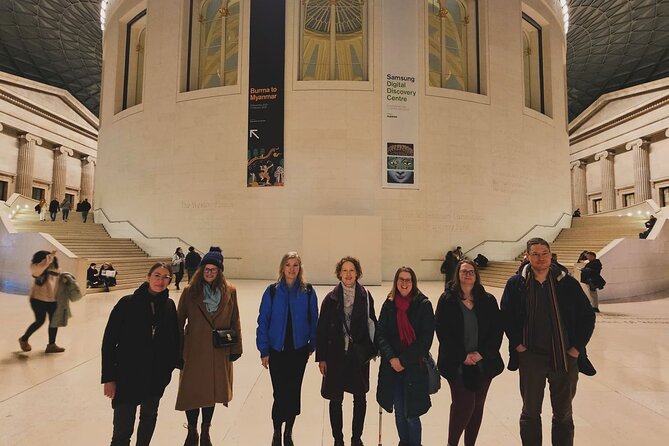
Reviewed · BRITISH MUSEUM TOURS
The Great British Museum Experience
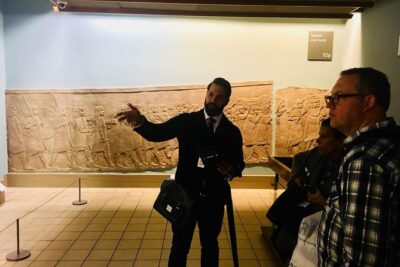
The best part of this British Museum tour is the personal angle. Instead of marching through every famous object, your guide chooses highlights around your interests, from the Rosetta Stone to the Parthenon Marbles and other pieces you might otherwise pass without understanding.
I like the small maximum of 15 people, and I like that timed entry is included. The main drawback is the price, $93.68 per person, which is a serious spend for a 2.5-hour museum visit. You are paying for interpretation and focus, not simply admission.
In This Review
- Key points at a glance
- Meeting between the red telephone boxes
- Starting with the museum’s public purpose
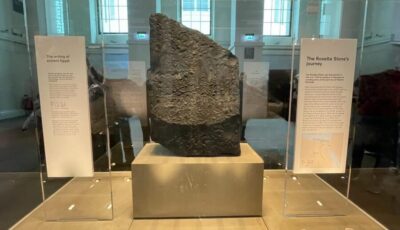
- The Rosetta Stone and the power of a single object
- The Parthenon Marbles and a difficult museum story
- A route shaped around your interests
- What the small group changes
- Why timed entry helps
- Is $93.68 a fair price?
- Physical demands and practical comfort
- Who will enjoy this British Museum tour?
- Cancellation and booking details
- Should you book this tour?
- FAQ
- How long does the British Museum tour last?
- What objects are usually included?
- Is admission to the British Museum included?
- Where do I meet the guide?
- How many people can join the tour?
- Can I cancel for a refund?
Key points at a glance
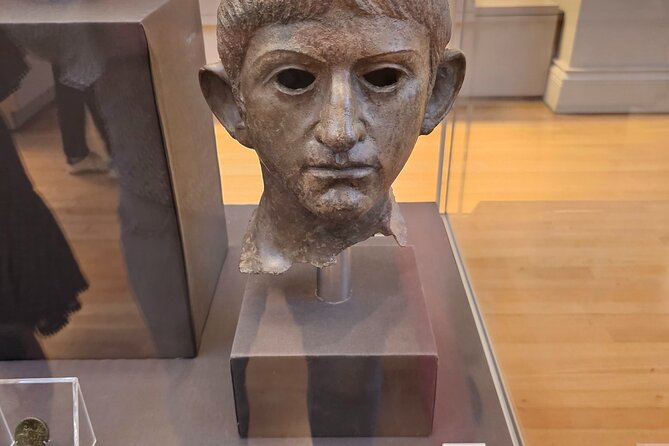
- Personalized route: Your guide selects museum highlights based on what interests you most.
- Major treasures included: Expect the Rosetta Stone and Parthenon Marbles, along with other important artifacts.
- Small group size: The tour accepts no more than 15 people, making questions and conversation easier.
- Timed museum entry: Admission is included, so you are not arranging a separate museum ticket.
- Wesley may be your guide: One particularly praised guide helped make less obvious objects meaningful through clear explanation.
- Two and a half hours inside: The pace suits a focused introduction, not an attempt to see the entire museum.
Meeting between the red telephone boxes
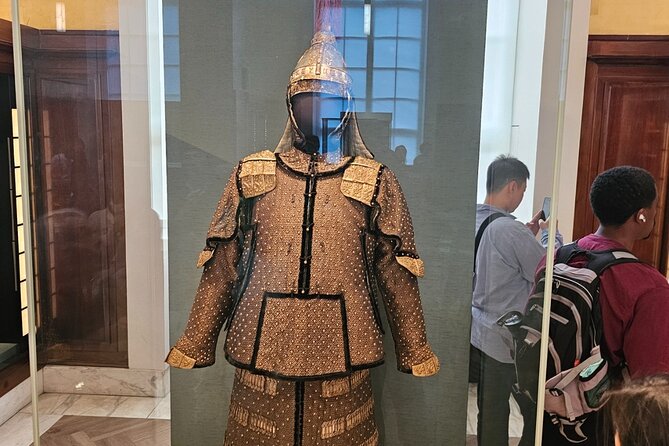
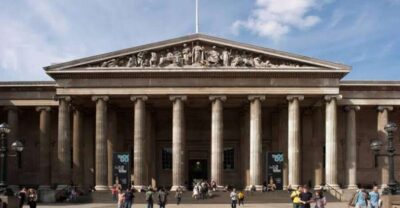
Your meeting point is outside the front of the British Museum on Great Russell Street, between the two red telephone boxes. The nearby Museum Tavern at 49 Great Russell Street is listed as the start point, so check the booking details carefully and arrive ready to meet your guide outside the museum itself.
This arrangement matters. The British Museum is large, and a vague meeting point can waste the first part of a short tour. The red telephone boxes give you a clear landmark, while the guide handles the introduction and entry process.
The activity ends back at the meeting point. It is near public transportation, though no specific station or route is provided, so you should allow enough time to reach Great Russell Street without rushing.
Your confirmation arrives when you book. The ticket is mobile, which keeps things simple, but make sure your phone is charged and that you can display the booking information when needed.
More British Museum visits:
- London: British Museum Guided Tour
★ 4.3 · 1,182 reviews - British Museum London Guided Tour Semi-Private 8ppl Max
★ 5.0 · 984 reviews - London: Tour of the British Museum
★ 4.1 · 678 reviews
Starting with the museum’s public purpose
Before heading through the collection, your guide introduces the origins of the British Museum and the people who helped establish what is described as the earliest public museum in the world. This opening gives the visit a useful frame.
That context is more valuable than it may sound. A museum of this size can feel like a warehouse of disconnected objects. Knowing why the institution was created and how its public role developed helps you understand what you are seeing as part of a larger idea: collecting, preserving, studying, and displaying objects for public access.
You will not spend the full 2.5 hours on institutional background. The introduction leads into a selected route through the museum. Still, it gives you a reason to pay attention to how the collection is arranged and why certain objects became famous.
I appreciate this kind of beginning because it avoids dropping you straight in front of the first celebrated artifact with no explanation. You get a little orientation before the objects begin competing for your attention.
The Rosetta Stone and the power of a single object
The Rosetta Stone is usually part of the route. It is one of the museum’s best-known objects, and its appeal is easy to understand even if you know little about ancient languages.
Your guide provides a fuller background and explains the story connected to the stone. That is important because a quick look at its carved surface tells you very little on its own. With guidance, the object becomes a key to understanding how the same text in different scripts helped scholars study ancient Egyptian writing.
The tour does not promise a fixed script for every group. If the guide sees that you are especially interested in language, archaeology, or ancient Egypt, this is the kind of stop that can receive more attention. If your interests lie elsewhere, time may shift toward other galleries and objects.
That flexibility is one of the strongest reasons to book a guided visit rather than simply follow a general museum route. You are not just collecting photographs of famous pieces. You are getting the story that makes them worth your time.
The Parthenon Marbles and a difficult museum story
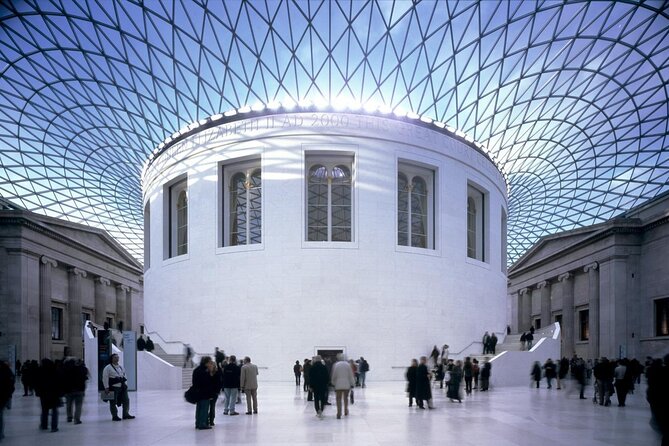
The Parthenon Marbles from Greece are also usually included. They are visually impressive, but they are not a simple stop. Your guide explains their background and story, giving you a better basis for thinking about both the ancient sculpture and its place in the British Museum.
This is where a guide can be especially useful. Famous museum objects often carry questions about ownership, removal, national identity, and the responsibilities of modern institutions. The supplied details do not promise a particular position or full treatment of every debate, so you should not book this expecting an extended discussion of museum ethics. You can expect more context than a label alone provides.
The marbles also give the tour a different feel from the Rosetta Stone. The stone centers on writing and discovery. The Parthenon sculptures bring architecture, art, ancient Greece, and modern cultural debate into the conversation. Together, they show why the British Museum works well for people who want more than a quick parade of famous names.
More London museums to visit:
- Tower of London and Crown Jewels Exhibition Ticket
★ 4.5 · 6,677 reviews - London: Chelsea Football Club Stadium and Museum Tour
★ 4.8 · 4,576 reviews - Chelsea FC Stadium Tours and Museum
★ 5.0 · 1,908 reviews - London Transport Museum Entrance Ticket
★ 4.5 · 1,323 reviews
A route shaped around your interests
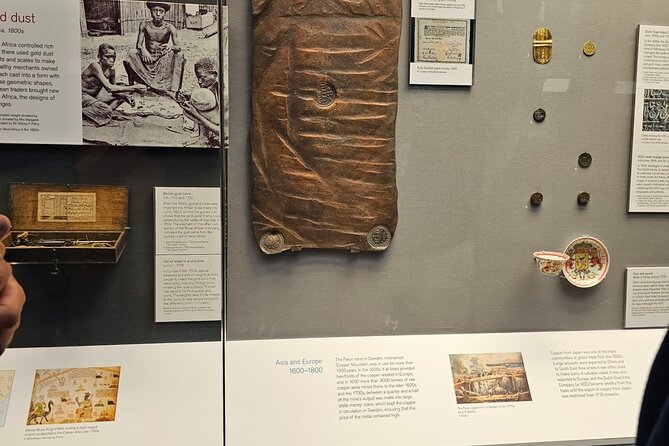
The guide chooses selected highlights according to the group’s tastes. This is the central feature of the experience, and it affects how you should approach the booking.
You will get the most from it if you arrive with a few interests in mind. Ancient Egypt, Greece, world cultures, writing, sculpture, and archaeology are all reasonable topics to mention. You do not need specialist knowledge. A simple statement such as wanting to see major ancient objects or learn about less obvious pieces gives the guide a useful starting point.
The route is not designed to cover every room. That is a strength, not a flaw, during a 2.5-hour visit. The British Museum holds far more than anyone can properly absorb in one sitting. Trying to see it all would leave you with tired feet and a blur of names.
One particularly strong aspect of this format is the chance to stop at objects you might never choose on your own. Guide Wesley received special praise for taking a private group to items they would not have thought to visit and explaining why those objects mattered. That points to the real value of the tour: not just the famous exhibits, but the guide’s judgment about what deserves your attention.
Wesley may not be the guide assigned to your group, so you should not treat him as guaranteed. Still, the experience shows what a good guide can add. A less obvious object can become one of your favorite memories when someone explains its purpose, setting, and story in plain language.
What the small group changes
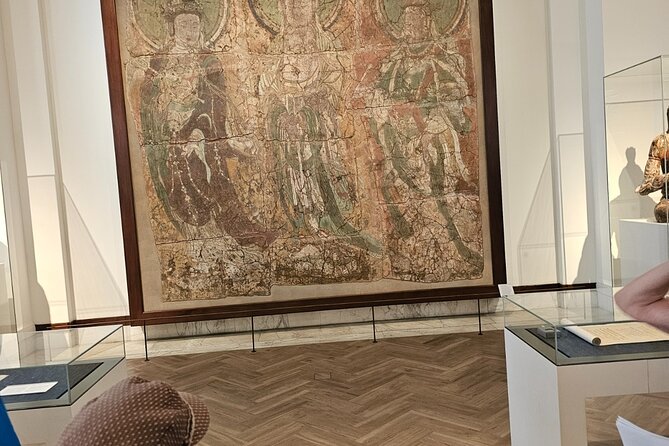
The maximum group size is 15 people. That is not a private tour, but it is much easier to manage than a large crowd moving from case to case.
With a smaller group, you have a better chance to hear the explanation, ask a question, and stay close enough to see what the guide is pointing out. The format also allows the guide to respond to the group’s interests rather than delivering a completely fixed speech.
There is an important limit here. Fifteen people can still feel like a crowd at a popular museum object, particularly if other visitors are nearby. The small size improves the experience, but it does not give you exclusive access or a quiet gallery.
The group format also means flexibility depends partly on the other people attending. If everyone shares similar interests, the route can feel very focused. If preferences differ, the guide has to spread attention around. That is normal for a small-group activity and worth remembering when comparing it with a private tour.
Why timed entry helps
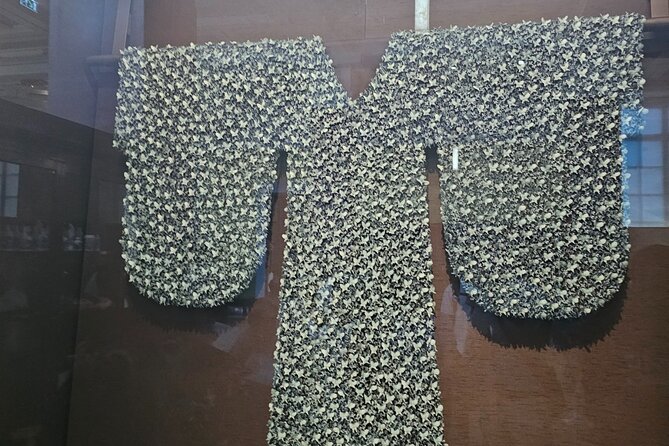
Timed entry is included in the experience. That saves you from arranging a separate admission ticket and gives the visit a planned starting point.
The benefit is practical rather than glamorous. You have a guide waiting at a defined meeting place, and the entry is built into the schedule. For a short tour, this helps protect the time you paid for. You are not using the first part of the visit to work out where to buy admission or how to join the group.
You should still arrive on time. The tour begins with an introduction outside the museum, and late arrival can make any scheduled activity stressful. The information provided does not state how late arrivals are handled, so do not assume the group can wait.
The mobile ticket is another small convenience. Keep it accessible on your phone, and remember that your meeting point is outside between the red telephone boxes, not simply anywhere on the museum grounds.
Is $93.68 a fair price?
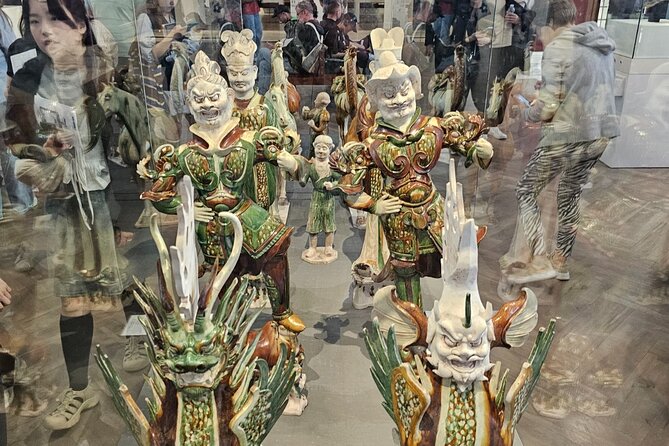
At $93.68 per person, this is not a budget museum visit. The museum tour lasts about 2 hours and 30 minutes, and the fee includes timed entry plus a local guide who leads the full visit.
The price makes the most sense if you value explanation and structure. You are paying to avoid wandering without a plan, to see selected major objects, and to hear the background that museum labels cannot always provide. The small group also gives the guide room to shape the visit around your interests.
The value is weaker if you are happy exploring alone. The British Museum offers a great deal to see, and someone who enjoys reading labels and setting their own pace may prefer to enter independently. You also will not cover the entire collection in 2.5 hours, so this is not a substitute for a full museum day.
For a first visit, the cost can be easier to justify because the tour gives you a strong starting point. You can return later and explore galleries that were not part of the selected route. For a repeat visit, it depends on whether you want fresh context or prefer to revisit favorite objects on your own.
Physical demands and practical comfort
You should have a moderate level of physical fitness. The information provided does not give an exact walking distance, number of stairs, or sitting opportunities, but a museum tour of this length requires sustained movement and standing.
Comfortable shoes are a sensible choice. That is practical advice for any large museum visit, not a claim about a specific route. You should also be prepared for the pace of a guided group, which may include pauses at several objects before moving on.
Service animals are allowed. The activity is near public transportation, making the central London location reasonably practical to reach, though you will need to plan your own journey to Great Russell Street.
The tour is offered in English. If you want a visit in another language, this experience will not meet that need based on the information available.
Who will enjoy this British Museum tour?
This experience suits you best if you are a history buff, a first-time visitor, or someone who wants help deciding what deserves attention in a very large museum.
It is also a good match if you enjoy asking questions and sharing interests with a guide. The personalized route works best when you take part in the conversation rather than simply following silently from room to room.
Families with older children may find the focused format easier than trying to cover the whole museum. The information does not specify a minimum age or a child-specific program, so you should judge that based on your own group.
You may want to skip it if you prefer complete independence, dislike fixed meeting times, or want to spend an entire day moving at your own pace. The tour gives you focus, but focus means accepting someone else’s route and schedule.
Cancellation and booking details
You can cancel for a full refund up to 24 hours before the experience begins. Cancellations made less than 24 hours before the start time are not refunded, and changes within that period are not accepted.
The cut-off uses local London time. That detail matters if you are booking from another time zone or changing plans close to departure.
The experience is provided by The Great Weekender. Your booking confirmation should contain the details you need for the mobile ticket and meeting arrangements.
Should you book this tour?
Book it if you want the British Museum reduced to a manageable, meaningful selection rather than an exhausting list of rooms. The Rosetta Stone and Parthenon Marbles provide famous anchors, while the personalized route gives you a chance to discover objects you might otherwise ignore.
I would especially consider it for a first museum visit, a short London stay, or a group with strong interest in history but little agreement about what to see. The small maximum of 15 and included timed entry add useful structure.
Skip it if $93.68 feels too high for a guided museum introduction or if you already know exactly which galleries you want to explore. For everyone else, the strongest reason to book is not simply seeing famous artifacts. It is having a guide turn a huge collection into a clear, human-sized visit.
FAQ
How long does the British Museum tour last?
The tour lasts approximately 2 hours and 30 minutes.
What objects are usually included?
The route usually includes the Rosetta Stone and the Parthenon Marbles from Greece, along with other objects selected around the group’s interests.
Is admission to the British Museum included?
Yes. Timed entry to the museum is included in the activity.
Where do I meet the guide?
Meet the guide outside the front of the British Museum, between the two red telephone boxes on Great Russell Street. Museum Tavern at 49 Great Russell Street is listed as the start point.
How many people can join the tour?
The activity has a maximum of 15 travelers.
Can I cancel for a refund?
Yes. You can cancel at least 24 hours before the experience start time for a full refund. Cancellations or changes made less than 24 hours beforehand are not accepted for a refund.
Latest arrivals on the London list
- Easy Access Tower of London Royal Secrets & Scandals Tour★ 5.0 · 3 reviews
- Stonehenge Special Access Guided Morning Tour from London★ 4.5 · 3 reviews
- Madame Tussauds London Fast Track and Champagne Experience★ 3.5 · 3 reviews
- Shoreditch & East London Walking Tour with a Local, Custom & Private★ 5.0 · 3 reviews
- London Private Brixton Tour with a Local – Culture & Stories★ 4.9 · 3 reviews
- Private Full Day Tour – Fast Track Tower of London and Lunch★ 4.6 · 3 reviews
- Private transfer from London Heathrow Airport to Southampton★ 5.0 · 3 reviews
- London Soho District – Guided Walking Tour 12 guests 2,5h★ 4.8 · 3 reviews
British Museum Tours, compared.
British Museum London Guided Tour Semi-Private 8ppl Max
Read our review →
British Museum Audio Tour & Priority Entrance Ticket
Read our review →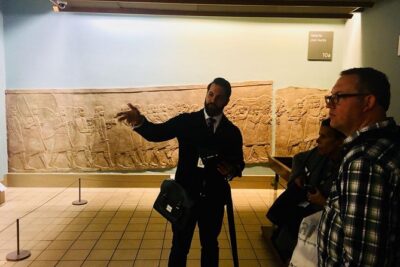
The British Museum London – Exclusive Guided Museum Tour
Read our review →

Browse the lists this tour appears in