
Reviewed · BRITISH MUSEUM TOURS
Unveil the Rosetta Stone, Parthenon at British Museum
The Rosetta Stone is the star here, but it is only the first major stop in a fast-moving tour of the British Museum. In two hours, your guide connects Egyptian writing, Athenian sculpture, Anglo-Saxon burial customs, and Assyrian royal power in one walk through the museum.
I like the focused route and the chance to hear the disputed story behind the Parthenon Sculptures, rather than simply seeing marble pieces behind glass. I also like the guide-led format for a museum this large. Joe is described as upbeat and entertaining, and one guide kept a child interested throughout the visit. The drawback is pace: two hours is useful for the highlights, but not enough for the whole museum, and the walking may not suit wheelchair users.
In This Review
- Key points to know before you book
- Why this British Museum tour works
- Starting beneath the Great Court roof
- The Rosetta Stone and the story of Egyptian writing
- The Parthenon Sculptures and a question with no easy answer
- Egyptian mummies and ancient burial beliefs
- Sutton Hoo and the Anglo-Saxon helmet
- Winged Bulls from Khorsabad
- What the guide adds to the visit
- Price, pace, and practical value
- Timing rules that can affect your day
- Who should choose this tour?
- Should you book the Rosetta Stone and Parthenon tour?
- FAQ
- How long does the British Museum tour last?
- Where do I meet the guide?
- How early should I arrive?
- What language is the tour in?
- Is the tour private?
- What does the tour include?
- Can the starting time change after booking?
Key points to know before you book
- Five major collections in two hours: See the Rosetta Stone, Parthenon Sculptures, Egyptian mummies, Sutton Hoo helmet, and Winged Bulls from Khorsabad.
- Meet after security: Find your guide on the stairs at the main entrance, and arrive at least 15 minutes early.
- English-speaking guide: Commentary brings context to objects that can otherwise feel disconnected in a very large museum.
- A busy but useful pace: The tour is on foot and covers substantial ground, so wear comfortable shoes.
- Not a private visit: You explore with other people, and the group follows the guide’s planned route.
- Time changes are possible: If your chosen slot is unavailable, you may be moved to another time on the same day.
Why this British Museum tour works
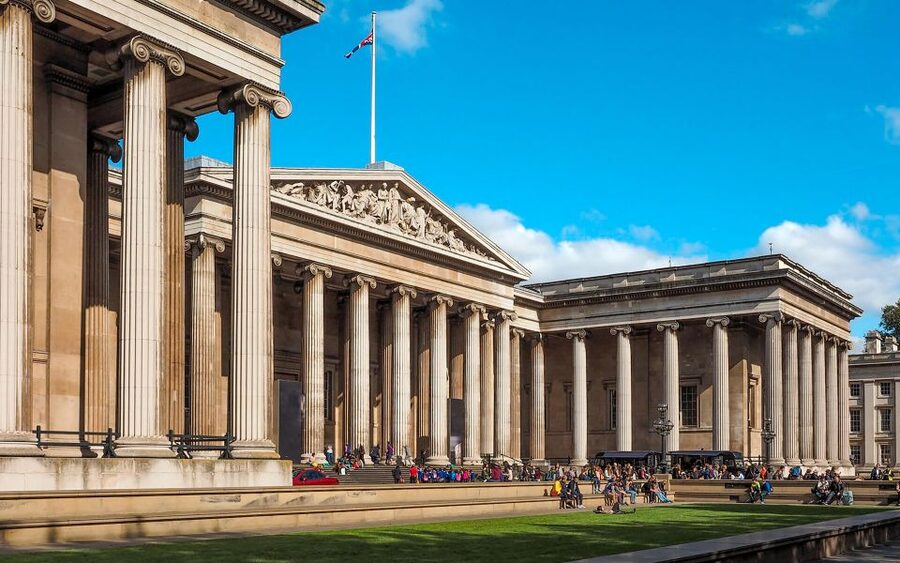
The British Museum can feel like several museums joined together. Its collection reaches across continents and thousands of years, with galleries that reward slow reading and repeated visits. That scale is exciting, but it can also leave you wondering where to begin.
This tour gives you a route and a story. Instead of trying to pick objects at random, you move between a handful of major pieces with an English-speaking guide explaining why each one matters. For a first visit, that structure can save time and help you notice details you might otherwise pass.
The tour costs $70.35 per person and lasts two hours. That is not the cheapest way to enter a museum, but the price pays for a guided visit rather than simple admission alone. The value is strongest if you want orientation, historical explanation, and a short list of major objects to revisit afterward.
It is less compelling if you prefer to browse alone, read every label, or spend an hour with one collection. The itinerary is broad rather than slow. Think of it as a guided introduction, not a complete British Museum visit.
More British Museum visits:
- London: British Museum Guided Tour
★ 4.3 · 1,182 reviews - British Museum London Guided Tour Semi-Private 8ppl Max
★ 5.0 · 984 reviews - London: Tour of the British Museum
★ 4.1 · 678 reviews
Starting beneath the Great Court roof
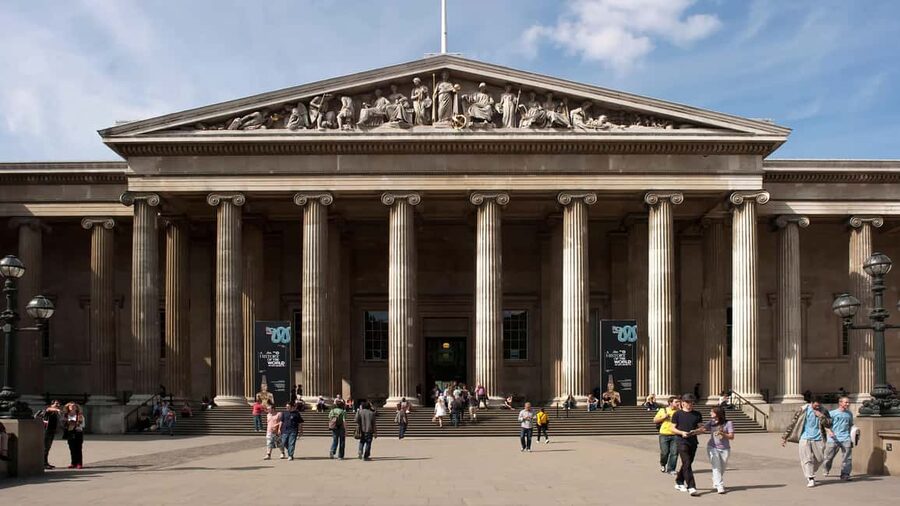
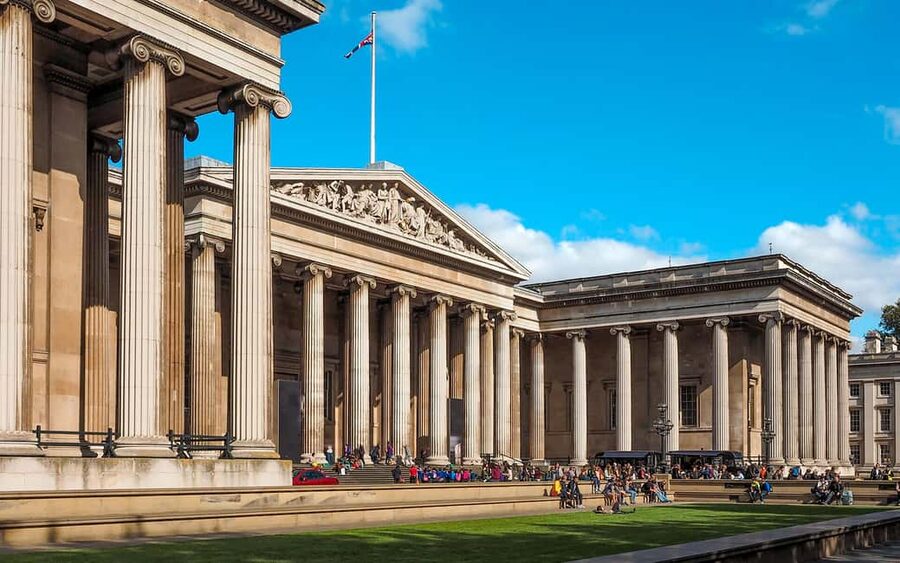
You meet on the stairs at the main entrance after passing through security. Arrive at least 15 minutes before your scheduled time. This matters because the museum entrance can be busy, and the tour does not begin at your hotel or another pickup point.
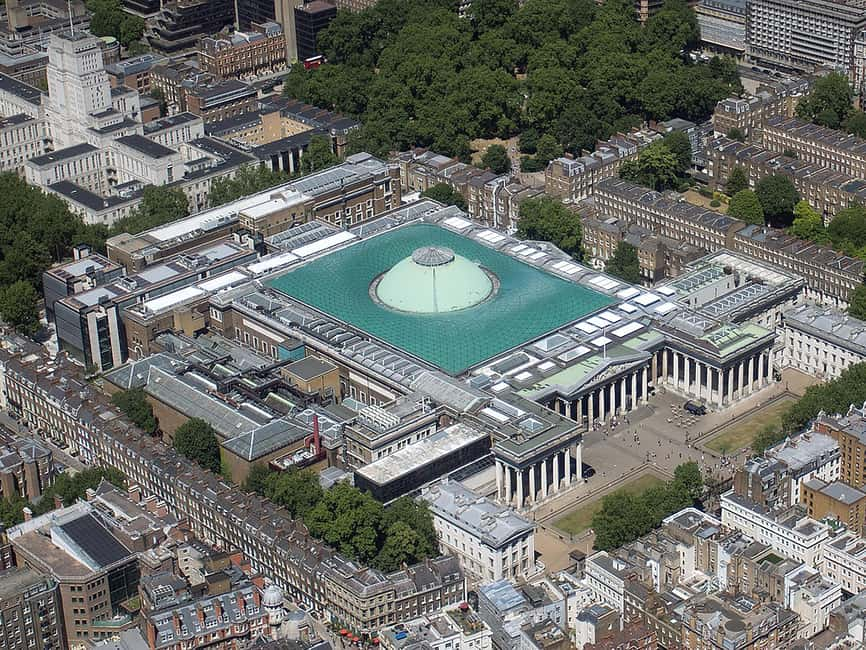
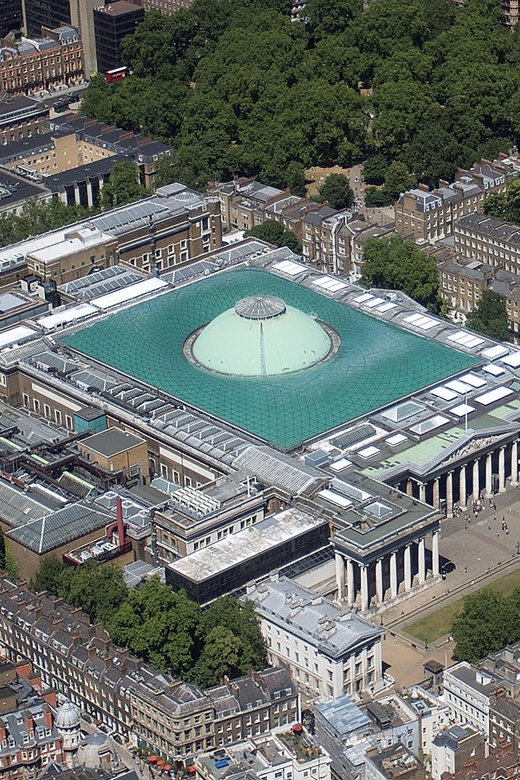
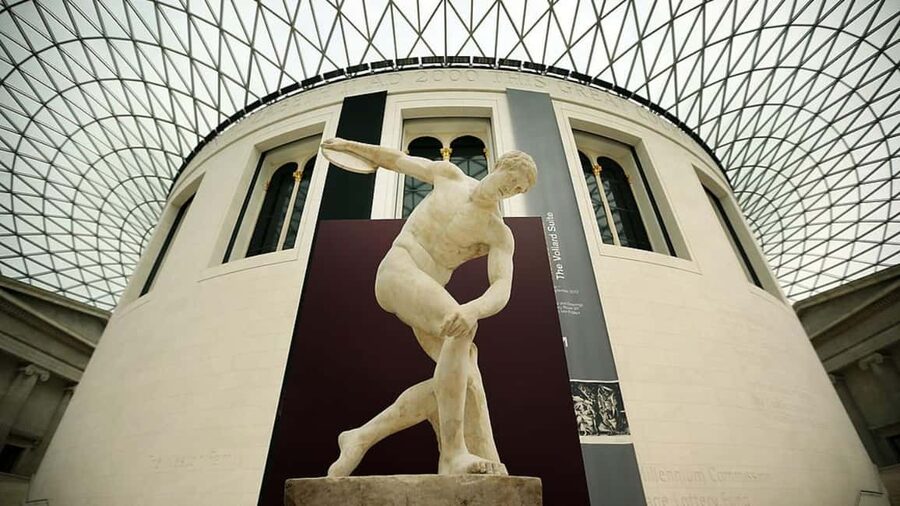
Your first look inside is the Great Court. The huge glass roof, designed by Norman Foster, changes the mood immediately. Natural light fills the central space, and the ceiling gives you a clear sense of the building’s scale before you move into the galleries.
I like this opening because it gives you a visual pause before the objects begin. The museum is not only a container for old things. The Great Court is part of the visit, and your guide uses it to set the scene for what follows.
There is no food, drink, or hotel pickup included. The experience begins and ends at the British Museum, so plan your route to the museum separately.
The Rosetta Stone and the story of Egyptian writing

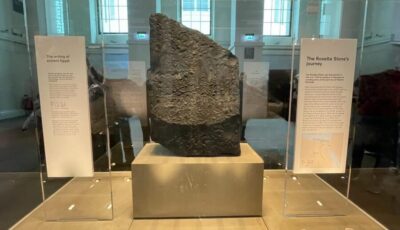
The Rosetta Stone is the first major object on the route. Discovered in 1799, it carries the same decree in three forms of writing: Egyptian hieroglyphs, a later Egyptian script, and ancient Greek. The Greek text gave scholars a way to compare the languages and make progress with hieroglyphic writing.
That is what makes the stone more than a famous slab. It provided the comparison needed to read a writing system that had remained difficult to understand for centuries. The guide’s job here is to explain that process in a way that makes the markings feel purposeful rather than decorative.
Expect this stop to be popular. The Rosetta Stone is one of the museum’s best-known objects, so you may be sharing the viewing area with other people. A guide helps by giving you the main story without requiring you to work through every label while the crowd shifts around you.
This is also a good moment to pay attention to scale. The object is famous enough to dominate photographs and guidebooks, but its importance comes from the words carved into it and the comparison between scripts. The explanation is more valuable than a quick picture.
The Parthenon Sculptures and a question with no easy answer
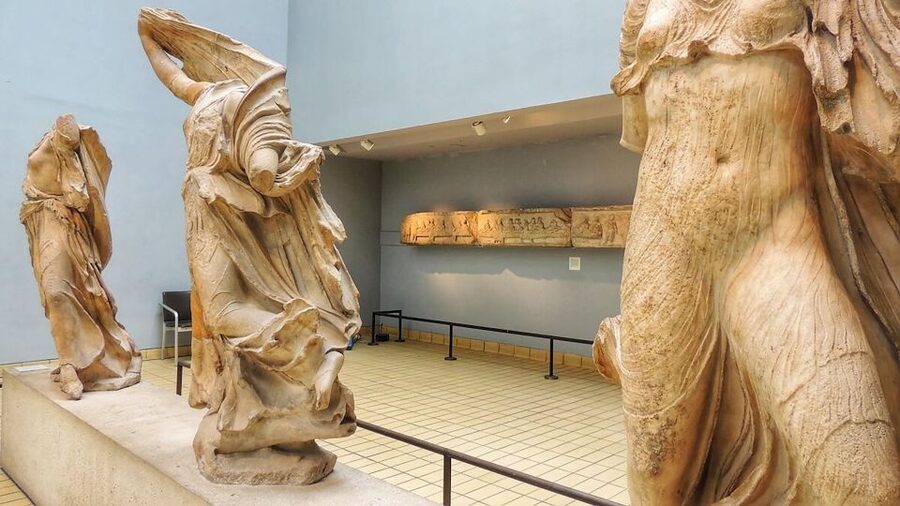
The Parthenon Sculptures bring a different kind of history. These marble carvings once formed part of the Parthenon in Athens. Lord Elgin, who served as British ambassador to the Ottoman Empire, brought them to Britain, and they later entered the British Museum.
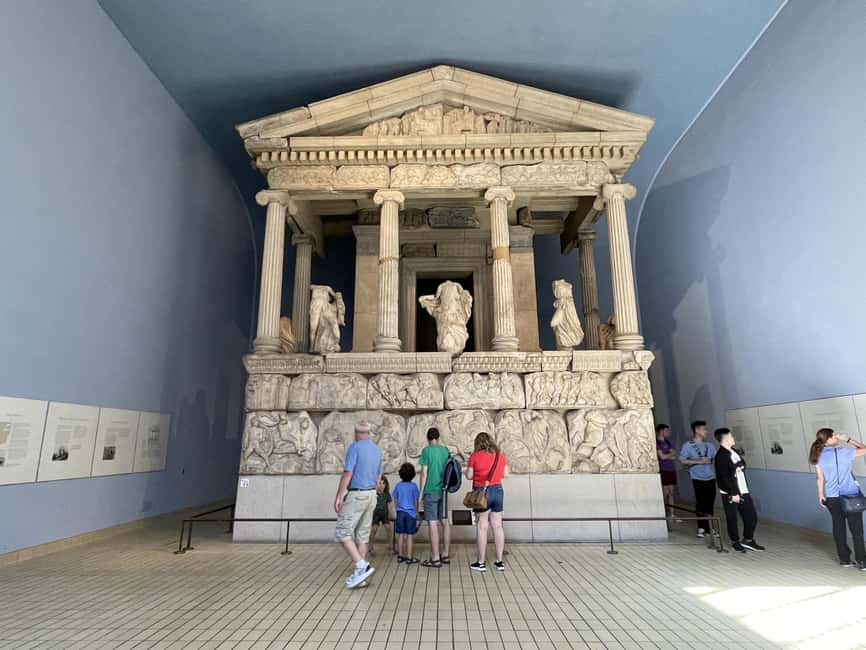
The sculptures are visually powerful. You see carefully carved figures and architectural decoration made for a major Athenian temple. Yet the display also raises a serious question: who should control and display cultural objects removed from their original setting?
A good guide should not reduce this to a simple argument. The tour promises a balanced explanation of the ownership and repatriation debate, which is one of the strongest reasons to choose a guided visit. You can admire the workmanship while also considering how the sculptures reached London and why the subject remains disputed.
I like that this stop adds an ethical question to the art history. You are not just looking at old marble. You are thinking about museums, empire, national identity, and the rights of modern communities connected to ancient sites.
The short tour format means you will not have unlimited time here. If the Parthenon material is your main reason for visiting, plan to return after the guided portion and look more carefully on your own.
More London museums to visit:
- Tower of London and Crown Jewels Exhibition Ticket
★ 4.5 · 6,677 reviews - London: Chelsea Football Club Stadium and Museum Tour
★ 4.8 · 4,576 reviews - Chelsea FC Stadium Tours and Museum
★ 5.0 · 1,908 reviews - London Transport Museum Entrance Ticket
★ 4.5 · 1,323 reviews
Egyptian mummies and ancient burial beliefs
The Egyptian galleries change the focus from writing to death, ritual, and daily belief. The museum holds an extensive collection of Egyptian objects, including mummies and items connected with burial practices.
Your guide explains how mummification related to ancient Egyptian ideas about the body and the afterlife. That context helps you look beyond the preserved remains themselves. The objects around the mummies can show how burial customs were tied to religious belief, social status, and preparation for what came after death.
This section may be especially useful for families. A child can see the mummy as a striking object, but a clear explanation can turn that first reaction into a basic understanding of why bodies were preserved and what the practice meant.
The displays can also be emotionally or visually intense. If you prefer a slower, quieter visit, the group pace may feel brisk. You will get an introduction to the collection, not a full study of Egyptian burial customs.
Still, this stop helps connect the museum’s objects to human concerns that remain easy to understand. People wanted to preserve identity, honor the dead, and prepare for another existence. That makes the gallery feel less remote than its age might suggest.
Sutton Hoo and the Anglo-Saxon helmet
The Sutton Hoo section brings you forward to seventh-century England. The site is known for a burial ship and a group of objects that show the skill, wealth, and long-distance connections of early medieval society.
The Sutton Hoo helmet is the main attraction. Its shape and decoration make it instantly memorable, but it is also valuable because it gives you a more complete picture of Anglo-Saxon society. Burial equipment can reveal status, military culture, craftsmanship, and beliefs about death.
This stop breaks up the ancient Mediterranean and Egyptian material. If you are visiting London and want more than the usual Roman and Greek highlights, Sutton Hoo gives the tour a strong English connection.
The helmet is also a good example of why context matters. A single object in a case can look like an impressive piece of armor. With the burial setting explained, it becomes part of a wider story about power and ceremony in early medieval England.
You may want extra time here if early English history interests you. The two-hour route keeps moving, so use the guide’s explanation as a starting point for a later return.
Winged Bulls from Khorsabad
The final major highlight is a set of Winged Bulls from Khorsabad. These colossal Assyrian figures once guarded the entrance to the palace of Sargon II.
Their size is the first thing you notice. They were designed to impress and intimidate, and their placement at a palace entrance made that purpose clear. The statues were not small works made for private viewing. They formed part of a public display of royal authority.
The guide explains the figures’ role as guardians and places them within the power structure of the Assyrian empire. Look closely at the unusual combination of human, animal, and winged features. Such images were meant to suggest strength, intelligence, and supernatural protection.
This is a strong final stop because it brings architecture, politics, and sculpture together. You can see how an ancient ruler used art to shape the experience of anyone entering the palace.
The Winged Bulls also remind you how much of the British Museum’s collection is architectural in scale. You are not only seeing small objects in cases. Some displays reconstruct the feeling of monumental spaces, even when the original buildings are far away.
What the guide adds to the visit
A museum guide is most useful when the objects are famous but the meaning is not obvious. The Rosetta Stone, for example, needs a short explanation of the three scripts. The Parthenon Sculptures need political and cultural context. The mummies need an explanation of belief, not just a description of preservation.
The strongest guide style for this tour seems to be lively and direct. Joe is specifically praised for being upbeat and well informed, while another guide was entertaining enough to keep a son engaged. That matters because two hours of history can feel heavy if the commentary becomes a lecture.
The experience is not private, so you should expect to share the guide’s attention. You may also have to stand with the group while other museum visitors move around you. In return, you get a planned route and someone who can point out the central details without asking you to find every gallery yourself.
English is the only listed tour language. If you are comfortable following an English-speaking guide, the format should be clear. If not, the commentary will be harder to use, since the tour depends on spoken explanation.
Price, pace, and practical value
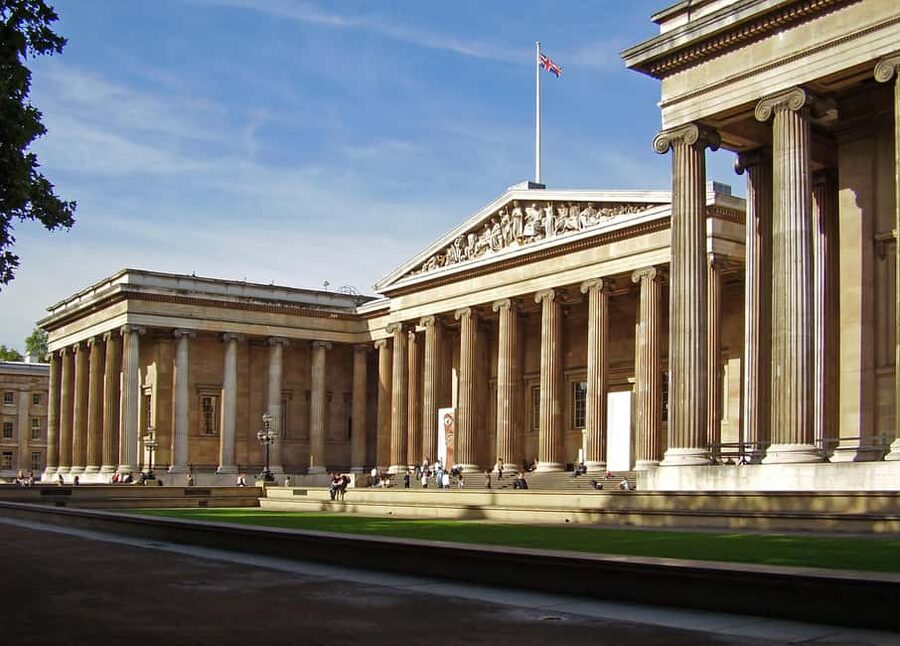
At $70.35 per person, this is a paid guided experience at a major museum. I would judge the value by your priorities.
You get a two-hour guided tour, online support at the time of boarding, and a route through several of the museum’s headline objects. The price makes more sense for a first-time visitor with limited time, a family that wants help keeping children engaged, or anyone who prefers a human explanation to a self-guided walk.
It makes less sense for a repeat visitor who already knows the museum or for someone who wants to spend the day in one collection. A two-hour tour cannot cover every important room, and the listed route leaves little space for lingering.
The activity is on foot, and the museum is huge. Comfortable shoes are essential. The experience is not suitable for wheelchair users, according to the booking information, so accessibility should be considered before paying.
The tour includes no hotel pickup and no food or drinks. You meet and finish at the British Museum, which keeps the plan simple but leaves you responsible for getting there.
A passport or ID card is listed among the items to bring. Keep it with you, even if you do not expect to need it at every stage.
Timing rules that can affect your day
Check the available starting times before you book. A selected time may not be available, and you can be transferred to the first available slot on the same day. For example, a requested 10:00 start could become a 14:00 start.
That is a major planning point if you have a restaurant reservation, theatre ticket, or another timed attraction. Review the confirmed time rather than assuming the originally requested hour will remain unchanged.
Last-minute bookings carry another risk. If seats are not available on the booked date, you may be placed on the following day. This possibility is especially important if your London stay is short.
The activity offers free cancellation up to 24 hours in advance and a reserve-now, pay-later option. Those features help if your schedule is still moving, but they do not remove the need to check the final time and date.
The phrase skip the line refers to a priority queue rather than instant entry with no waiting. You join the faster queue with other people who have chosen that option. Security checks still come first, so arrive early.
Who should choose this tour?
I would choose it for a first visit to the British Museum, especially if you have only a morning or afternoon available. The route gives you a practical introduction to Egyptian, Greek, Assyrian, and Anglo-Saxon collections without asking you to plan the museum yourself.
Families may also benefit from the active pace and the guide’s storytelling. The experience is not built around one long technical lecture, and the positive comments about Joe’s energy and a child remaining interested suggest that presentation is a real strength.
History fans should see it as a sampler. You will encounter major objects and useful background, but you will not have time to study every inscription or gallery. If one collection matters most to you, return after the tour and explore at your own speed.
I would skip it if you want a private experience, need wheelchair access, dislike group tours, or have a schedule that cannot tolerate a changed start time. The museum is free to wander in on your own in many circumstances, so the paid tour must earn its price through guidance and time saved.
Should you book the Rosetta Stone and Parthenon tour?
Book this experience if you want a lively, organized introduction to the British Museum’s biggest sights. The combination of the Rosetta Stone, Parthenon Sculptures, Egyptian mummies, Sutton Hoo helmet, and Winged Bulls gives you a broad view of the collection in just two hours.
The best reason to book is the guide. Joe’s upbeat style and the ability to hold a young visitor’s attention point to a tour that aims to make history approachable, not dry. The balanced treatment of the Parthenon dispute is another plus.
Go in with sensible expectations. You will walk a lot, share the visit with a group, and move on before every object has received the time it deserves. If that sounds like a fair trade for direction and context, the $70.35 price can be worthwhile.
FAQ
How long does the British Museum tour last?
The guided tour lasts two hours.
Where do I meet the guide?
Meet your guide on the stairs at the British Museum’s main entrance, after completing the security checks.
How early should I arrive?
Arrive at least 15 minutes before your scheduled tour time.
What language is the tour in?
The tour is conducted in English with a live guide.
Is the tour private?
No. This is a shared tour with other participants.
What does the tour include?
It includes the British Museum guided tour and online support at the time of boarding. Hotel pickup, food, and drinks are not included.
Can the starting time change after booking?
Yes. If your chosen time is unavailable, you may be transferred to another available time on the same day. For last-minute bookings, lack of seats may result in placement on the following day.
Latest arrivals on the London list
- Easy Access Tower of London Royal Secrets & Scandals Tour★ 5.0 · 3 reviews
- Stonehenge Special Access Guided Morning Tour from London★ 4.5 · 3 reviews
- Madame Tussauds London Fast Track and Champagne Experience★ 3.5 · 3 reviews
- Shoreditch & East London Walking Tour with a Local, Custom & Private★ 5.0 · 3 reviews
- London Private Brixton Tour with a Local – Culture & Stories★ 4.9 · 3 reviews
- Private Full Day Tour – Fast Track Tower of London and Lunch★ 4.6 · 3 reviews
- Private transfer from London Heathrow Airport to Southampton★ 5.0 · 3 reviews
- London Soho District – Guided Walking Tour 12 guests 2,5h★ 4.8 · 3 reviews
British Museum Tours, compared.
British Museum London Guided Tour Semi-Private 8ppl Max
Read our review →
British Museum Audio Tour & Priority Entrance Ticket
Read our review →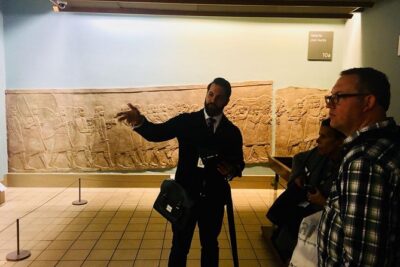
The British Museum London – Exclusive Guided Museum Tour
Read our review →
Browse the lists this tour appears in